Executive Overview
Footwear trends are notoriously cyclical, oscillating wildly between the ultra-practical and the avant-garde. Yet, every few seasons, a silhouette emerges that manages to bridge the gap between historical heritage and contemporary street style with effortless precision. Enter the derby shoe. Long associated with the mid-century tailoring of style icons like Serge Gainsbourg and Fred Astaire, and valued for generations by the global dance community for its flexible architecture, the derby has officially reclaimed its status as a major sartorial force.
Following a high-fashion renaissance last spring—where luxury powerhouses including Ferragamo, Jacquemus, and JW Anderson injected the lace-up flat into their runway collections—the shoe temporarily stepped back as summer’s sandal monopoly took hold. Now, as autumn arrives, the closed-toe classic is making a triumphant return. Positioned at the intersection of comfort, minimalist utility, and the surging "barefoot flat" movement, derbies offer a sophisticated alternative to the ubiquitous ballet flat and traditional loafer.
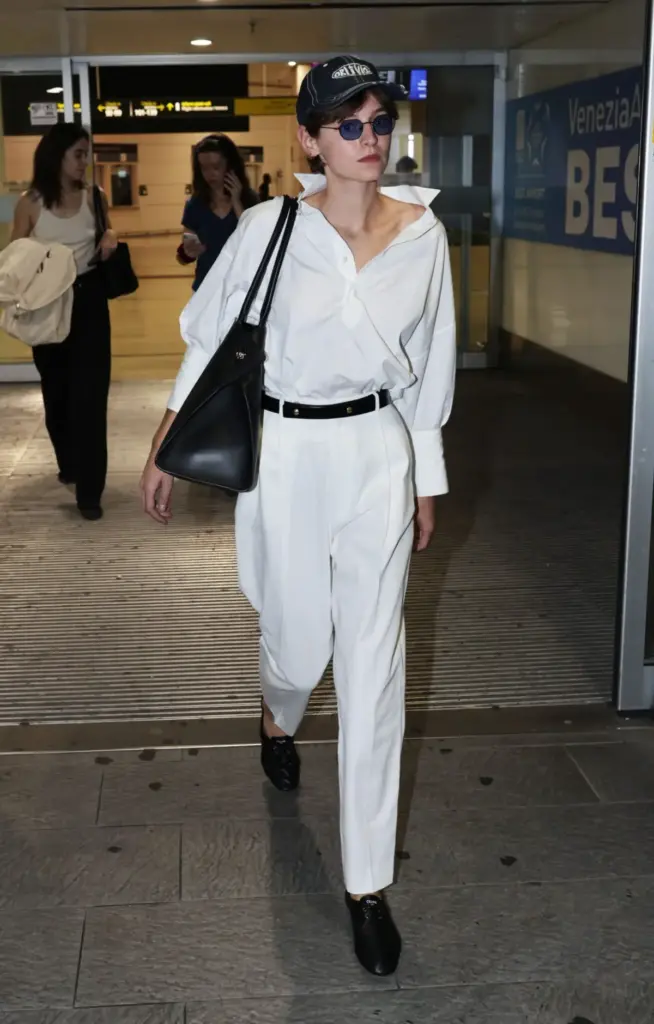
Balancing a relaxed attitude with refined craftsmanship, today’s derby shoe is no longer confined to the archives of menswear-inspired minimalism. It is a versatile, practical, and highly fashionable staple for the modern wardrobe, favored by trendsetters and A-listers alike—as evidenced by recent high-profile street style sightings, including Emma Corrin en route to the Venice Film Festival.
Detailed Chronology: From the Dance Floor to the Runway
To understand the current obsession with the derby shoe, one must trace its lineage through decades of cultural and sartorial evolution. While its precise origins date back to the 19th century as a sporty hunting and country boot, the silhouette evolved significantly by the mid-20th century into a low-profile lace-up that favored comfort and adaptable movement.
The Mid-Century Golden Era
In the mid-20th century, the derby transcended its utilitarian roots to become a cornerstone of intellectual and artistic cool. Cultural icons such as Fred Astaire utilized the shoe’s inherent flexibility for performance and everyday elegance alike. Meanwhile, French singer-songwriter and provocateur Serge Gainsbourg practically institutionalized the derby as a fixture of Parisian chic. Paired with unkempt tailoring, distressed denim, and simple cotton tees, Gainsbourg proved that the structured yet comfortable shoe could project effortless rebellion. Simultaneously, the dance world adopted the flat-soled construction due to its supportive yet fluid build, cementing its reputation as a shoe designed for movement.
The Spring Awakening: High-Fashion Reimagining
For decades, the derby remained a quiet staple, often overshadowed by its sharper cousin, the oxford, or the slip-on convenience of the loafer. However, the footwear landscape shifted dramatically last spring. Major design houses recognized a growing consumer fatigue surrounding overly chunky soles and hyper-embellished footwear.
Ferragamo integrated sleek, minimalist interpretations into its ready-to-wear presentations, while Jacquemus and JW Anderson recontextualized the silhouette with exaggerated proportions and ultra-soft leathers. This high-fashion endorsement triggered a full-on trend cycle, transforming a heritage shoe into a fresh, modern statement piece.
The Summer Hiatus and Autumn Resurgence
As temperatures climbed, the momentum naturally paused. Summer footwear is perpetually dominated by strappy sandals, breathable slides, and open-toe mules. However, the transition into fall has triggered an immediate resurgence. With cooler weather demanding closed-toe options, consumers are seeking footwear that offers warmth and structure without sacrificing the weightless feel of summer flats. The derby has stepped effortlessly into this vacuum, bridging the seasonal divide with impeccable timing.
Supporting Context & Metrics: Anatomy of a Trend
The modern resurgence of the derby shoe is not happening in a vacuum; it is part of a broader shift in consumer behavior toward functional, ergonomic, and understated luxury.

The Rise of the "Barefoot" and Flexible Flat
One of the primary drivers behind the derby’s current popularity is its construction. Unlike rigid oxfords or stiff leather boots that require an unforgiving break-in period, contemporary derbies are crafted from soft, pliable materials that mirror the natural movement of the foot. This flexibility directly aligns with a broader market obsession: the glove-like, minimalist "barefoot" flats that have flooded the market. Consumers increasingly demand footwear that feels like a second skin, prioritizing all-day comfort for urban commuters and pedestrians.
Where the Derby Fits in the Footwear Ecosystem
To fully appreciate the derby’s market position, it helps to analyze the spectrum of lace-up and slip-on footwear:
- Oxfords: Characterized by closed lacing, oxfords remain inherently formal, corporate, and structured. They are the traditional choice for boardroom suiting and strict academic aesthetics.
- Loafers: Slip-on classics that range from preppy penny loafers to chunky lug-sole iterations. While versatile, they lack the adjustable security of laces.
- Derbies: Distinguished by their open lacing system (where the shoelace eyelet tabs are stitched on top of the vamp), derbies occupy a coveted middle ground. They offer a snug, customizable fit while maintaining a relaxed, approachable demeanor. This versatility makes them equally suited for a tailored Monday morning office look and a rugged Sunday afternoon exploring the city on foot.
Color Palettes and Styling Versatility
Market availability indicates that a restrained color palette is driving the trend. Classic black and crisp white dominate retail shelves, alongside rich autumnal tones such as dark brown and burgundy. This monochromatic and neutral dominance allows fashion enthusiasts to style the shoe across a spectrum of aesthetics:
- The Preppy Revival: Paired with pleated wool skirts, knee-high socks, and structured blazers.
- Pure Minimalism: Styled alongside wide-leg tailored trousers, trench coats, and simple cashmere crewnecks.
- Casual Denim: Worn with vintage-wash straight-leg jeans and oversized leather jackets for an effortless high-low contrast.
Celebrity Endorsement and Street Style Validation
No footwear trend can reach critical mass today without the stamp of approval from the global style elite. The derby shoe has officially passed this test, transitioning from runway concept to street style essential.
Paparazzi and fashion week attendees have captured tastemakers incorporating derbies into dynamic, real-world outfits. A notable watershed moment occurred when actor Emma Corrin—known for their boundary-pushing, gender-fluid approach to style—chose a pair of classic derbies as travel footwear en route to the Venice Film Festival. By pairing the structured yet comfortable lace-ups with relaxed travel attire, Corrin demonstrated the shoe’s ultimate superpower: it provides an instant dose of polish without sacrificing travel-day practicality.
Retailers have quickly responded to this visibility. Platforms and brands ranging from contemporary mainstays like Reformation and Madewell to fast-fashion innovators like Zara are heavily featuring lace-up leather derbies and oxford hybrids in their fall campaigns, pricing them accessibly to capture the widespread demand.
Future Outlook: The Longevity of the Derby Shoe
As the fashion industry grows increasingly weary of fleeting, micro-trends driven entirely by social media algorithms, items with genuine heritage and structural integrity are commanding greater market share. The derby shoe represents a masterclass in longevity.
While ballet flats and heavy-duty boots will always claim significant shelf space during autumn and winter, the derby offers a subtle, sophisticated alternative. It does not shout for attention through extreme platforms or loud hardware; instead, it relies on clean lines, historical provenance, and unmatched ergonomic comfort.
Looking ahead to the upcoming seasons, industry analysts predict that the demand for hybrid, gender-neutral footwear will only accelerate. The derby shoe—sitting comfortably at the crossroads of menswear-inspired tailoring and feminine minimalism—is uniquely positioned to remain a wardrobe anchor for years to come. For consumers looking to invest in a piece of footwear that successfully marries history, comfort, and modern chic, the derby is not just a seasonal fling, but a permanent fixture of the modern rotation.