Executive Overview
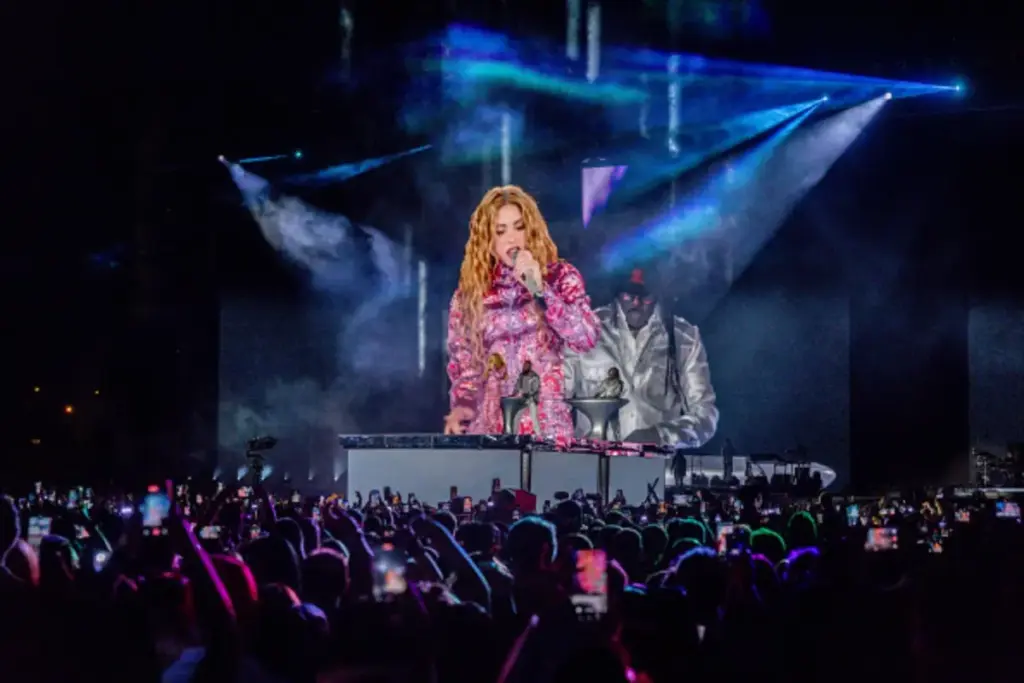
Eight years after her last live performance in Spain, Colombian global icon Shakira made a triumphant return to the stage on Friday, September 18, 2026. Kicking off an unprecedented 12-date residency in front of 55,000 ecstatic fans at the newly minted Shakira Stadium within the Iberdrola Music complex in Madrid, the multi-Grammy Award-winning artist delivered a masterclass in live entertainment.
Spanning more than three decades of music, the nearly two-hour opening night setlist was a masterclass in pacing, nostalgia, and modern chart dominance. Seamlessly bridging the gap between her early rock roots and her contemporary reggaeton anthems, Shakira reminded the world why she remains one of the most enduring forces in Latin pop. The evening was highlighted by deeply personal reflections, high-octane choreography, emotional dedications, and a poignant trip down memory lane—cemented by the emotional inclusion of deep cuts like "Te Dejo Madrid."
As the first of a dozen monumental shows, the opening night set a high bar for what promises to be one of the defining live music events of 2026, solidifying an unbreakable bond between the "She-Wolf" and her fiercely loyal Spanish fanbase.
Detailed Chronology: Opening Night in Madrid
The Buildup and Atmosphere
Hours before Shakira took the stage, the grounds surrounding the Shakira Stadium buzzed with a vibrant, carnival-esque energy. Long lines formed at food stalls and interactive activity booths as tens of thousands of concertgoers gathered under the Madrid sky. The crowd was a vivid tapestry of Shakira’s diverse eras: fans donned purple wigs, coin-adorned belly-dancing scarves, wolf ears, and elaborate attire inspired by the folkloric traditions of Barranquilla’s legendary Carnival.
The air was thick with anticipation. For a fan base that had waited nearly a decade for a proper Spanish tour stop, the atmosphere was less of a standard concert and more of a homecoming celebration.
The Grand Entrance and Emotional Welcome
As the lights dimmed and the opening chords reverberated through the custom-built venue, a deafening roar erupted from the 55,000-strong audience. Emerging silhouette-first against a wall of LED screens, Shakira surveyed the sea of fans before breaking into a radiant smile.
"I can’t believe I’m here. It all feels like a dream," Shakira told the spellbound audience, her voice trembling slightly with emotion. "Having you here again tonight, you don’t know how happy it makes me because it’s proof of the love and affection you’ve given me all these years."
Infusing her trademark warmth and humor into the monologue, she addressed the elephant in the room: the tumultuous personal and professional changes she has undergone since her last Spanish performance.
"Everyone tells me, ‘Shaki, look at the face you left with and the face you’ve come back with,’" she joked to roaring laughter. "Things have happened in my life since the last time I saw you."
That acknowledgment of her personal history—much of it deeply chronicled in the confessional songwriting of her recent catalog—served as the emotional bedrock for the evening’s narrative arc.
A Three-Decade Musical Odyssey
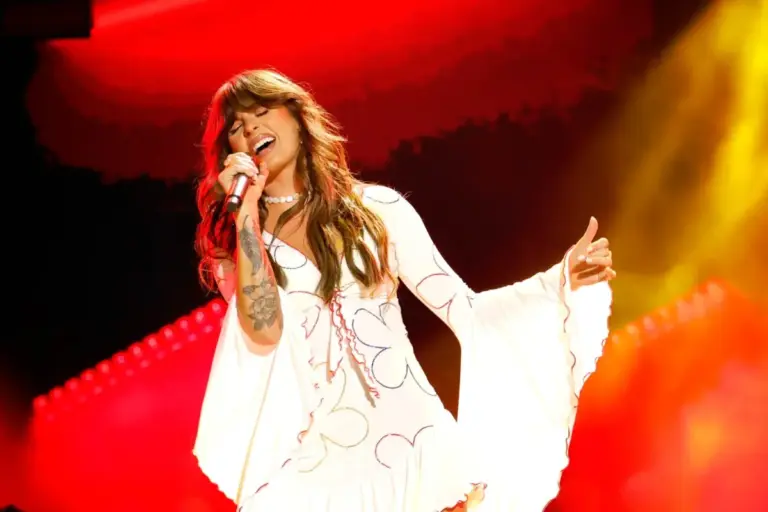
True to her promise, Shakira executed a breathless, nearly two-hour journey through her extensive discography. Dancing almost nonstop, she effortlessly transitioned from driving rock anthems to slick reggaeton grooves, honoring her Lebanese heritage with signature belly-dancing breaks, and undergoing multiple wardrobe changes that visually defined the shifting eras of her career.
The concert brilliantly united generations. Longtime fans who discovered her during her late-90s Pies Descalzos and ¿Dónde Están los Ladrones? eras shared space—and lyrics—with a vibrant new generation of listeners who know her through her relentless string of recent streaming blockbusters.
The setlist was a hit-heavy avalanche. Tracks like "Girl Like Me," "Te Felicito," "TQG," and "Soltera" turned the stadium into an open-air mega-club, with the crowd’s vocals frequently overpowering the sound system.
Highlight Reel: World Cups, Heartbreak, and Family
One of the most emotionally resonant and locally poignant moments of the night arrived with "Dai Dai," the official song of the 2026 FIFA World Cup. As the infectious rhythm took over the stadium, the crowd erupted into nationalist pride.
"Spain, World Champion!" Shakira shouted, sparking one of the most electric, spine-tingling reactions of the entire evening.
Later, the tone shifted from celebratory to deeply intimate. Seated at the front of the stage, Shakira performed "Acróstico," her moving ballad dedicated to her sons, Milan and Sasha. The deeply personal performance brought many in the audience—and visibly, a few fans in the front rows—to tears, showcasing her vulnerability as both an artist and a mother.
Perhaps the most culturally significant setlist inclusion of the night was "Te Dejo Madrid." Prior to launching into the track—which had been noticeably absent from recent international touring stops—Shakira paused to reminisce about her very first visit to the Spanish capital.
Recalling her arrival in Madrid at the tender age of 19, she regaled the audience with tales of falling in love with a local Madrileño. With a playful laugh, she described him as "a true Iberian specimen: dark-haired, fun, and cheerful"—though she wryly added that he ultimately broke her heart, inadvertently giving birth to the fiery track that helped cement her crossover into the Spanish market.
The Grand Finale
The night concluded without any surprise guest appearances, defying rampant speculation on social media that a marquee collaborator might join her on stage. However, the absence of guest stars did nothing to dampen the enthusiasm of the crowd. Instead, it kept the mystery alive for the remaining 11 nights of her Madrid residency, ensuring that every subsequent show holds the potential for the unexpected.
As the final notes of the encore faded, Shakira waved goodbye to her "pack," cementing the night as a triumphant re-wilding of an artist who remains at the absolute peak of her powers.
Supporting Context & Metrics: The Scale of the Residency
To fully understand the magnitude of Shakira’s return to Madrid, one must examine the logistical and commercial scale of the endeavor:
- The Hiatus: Friday’s concert marked Shakira’s official return to the Spanish live circuit after an absence of nearly eight years, a hiatus closely watched by industry analysts due to her deeply publicized personal transitions and tax settlements in the country.
- The Venue: To accommodate the overwhelming demand, a temporary, state-of-the-art open-air venue—dubbed the Shakira Stadium—was engineered specifically for this event within the broader Iberdrola Music complex.
- Capacity and Attendance: Opening night drew a sold-out crowd of 55,000 fans, setting a massive benchmark for the first leg of the 12-date residency.
- Economic Impact: Local tourism boards in Madrid have projected tens of millions of euros in economic influx over the course of the 12-date run, driven by international travelers flying in from across Latin America and the rest of Europe.
- Streaming and Chart Synergy: The residency acts as a live victory lap for her recent commercial renaissance, fueled by billion-stream collaborations like "BZRP Music Sessions, Vol. 53" and her chart-topping album releases.
Official Statements and Cultural Commentary
Industry insiders and cultural critics have been quick to praise the conceptual ambition of the Madrid residency. Moving away from the traditional, grueling multi-city tour model in favor of a fixed residency allows for complex stage design, reduced carbon footprints, and maximum performance quality night after night.
"Shakira is not just touring; she is anchoring her legacy in real-time. By building a temporary stadium dedicated entirely to her catalog, she has bypassed traditional touring constraints and created a cultural epicenter in Madrid," noted one leading European music festival director.
Furthermore, Shakira’s candid banter on opening night—addressing her personal transformation with humor and grace—has been lauded by mental health advocates and feminist media outlets alike. By reframing her personal heartbreak and public trials not as sources of shame, but as the raw material for artistic rebirth and commercial dominance, she has forged a deeper, more resilient psychological contract with her audience.
Future Outlook: What to Expect from the Remaining 11 Dates
With opening night officially in the rearview mirror, attention now turns to the remaining 11 performances of the Madrid residency.
- Setlist Evolution: While core staples like "Hips Don’t Lie," "Waka Waka," and her recent streaming hits are locked in, musicologists and fans are watching closely to see if other deep cuts from her 90s and 2000s repertoire—such as "Ojos Así" or "Ciega, Sordomuda"—will make surprise appearances on subsequent nights.
- The Guest Star Question: Given the star-studded network of collaborators Shakira has worked with in recent years (including Bizarrap, Karol G, Rauw Alejandro, and Cardi B), industry speculation remains white-hot regarding potential unannounced guest appearances during the middle and closing weekends of the residency.
- Global Streaming and Broadcast Opportunities: Rumors persist that promoters are exploring live-streaming options for the final night of the residency, potentially allowing millions of fans worldwide who could not travel to Madrid to partake in the historic run.
As the lights rise over the Shakira Stadium for night two and beyond, one thing is abundantly clear: Shakira’s reign over Latin pop is not only intact; it is expanding into uncharted, historic territory.