
By Global Fashion & Beauty Desk
Published: September 2026
Executive Overview
The modern fashion and beauty landscapes are experiencing a profound identity crisis, marked by market saturation, shifting consumer skepticism, and the rapid democratization of digital creation tools. As the creator economy matures from its wild-west origins into a multi-billion-dollar corporate juggernaut, the very definition of what it means to be an “influencer” is being aggressively rewritten.
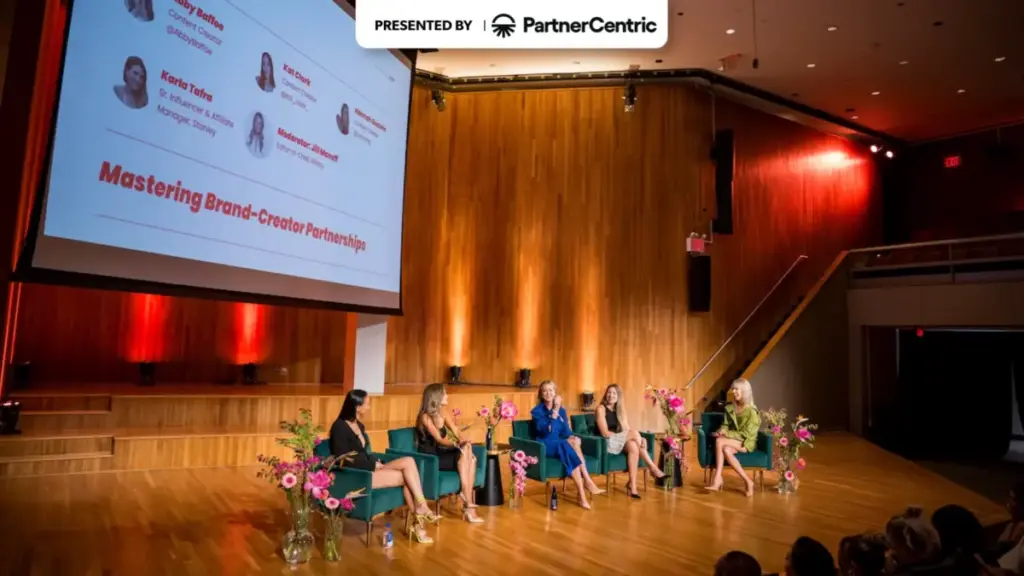
At the recently concluded Glossy Pop NYC event, top-tier creators, industry executives, professional athletes, and veteran publicists gathered to dissect the forces shaping the next era of digital marketing. From the integration of artificial intelligence to the nuances of product development, the overarching consensus was clear: the era of the passive, product-hawking internet personality is giving way to an economy that demands authentic expertise, cross-industry collaboration, and real-world execution skills.
This comprehensive report explores the shifting paradigms of modern influence, examining how legacy niches are expanding into lifestyle ecosystems, how professional athletes are moving past the "digital billboard" phase to co-create campaigns, and why industry veterans argue that true authority stems from deep, real-life experience rather than an Amazon ring light and a microphone.
Detailed Chronology: The Maturation of the Creator Economy
To understand where the industry is heading, one must look closely at how the relationship between creators, brands, and audiences has evolved over the past decade. The journey from early-stage blogging and basic YouTube tutorials to sophisticated, multi-channel brand partnerships has been anything but linear.
Phase One: The Niche Pioneer (2015–2019)
During the nascent stages of modern social media marketing, success was largely predicated on hyper-specific niches. Creators built massive, loyal followings by positioning themselves as definitive authorities in narrow categories—makeup application, specific hair types, capsule wardrobes, or DIY skincare.
However, as the market became crowded, creators found themselves boxed in by the very algorithms that propelled them to success. Lifestyle creator Abby Baffoe, who launched her digital career in 2019 primarily focusing on hair tutorials, recalls the claustrophobia of strict categorization.
"Having a niche works for some people, but for me, it felt restricting," Baffoe shared during a panel discussion at Glossy Pop NYC.
Despite breaking out of her initial content silo to build a broader lifestyle brand, Baffoe has managed to maintain long-term partnerships with early collaborators like TRESemmé and L’Oréal. Her secret? Ensuring that legacy brand partners continue to fit organically into her day-to-day, unscripted life rather than forcing unnatural, high-friction integrations.
Phase Two: The Athlete-Creator Convergence (2020–2024)
As short-form video platforms like TikTok exploded, digital marketing budgets pivoted heavily toward cultural crossover moments. Marketers quickly realized that traditional influencers were beginning to suffer from audience fatigue. To capture fresh eyes, brands turned their attention to an untapped demographic: professional athletes.
Athletes brought immediate physical authority, high-stakes storytelling, and massive, passionate fanbases that traditional lifestyle influencers could rarely access. Yet, early athletic endorsements often suffered from the same pitfalls as standard influencer marketing—treating dynamic human beings as mere digital billboards.
Phase Three: The Co-Creation Era (2025–Present)
Today, we are witnessing the complete democratization of content creation paired with a demand for deeper collaboration. Hailey Van Lith, the standout WNBA star and burgeoning brand collaborator, highlighted this transition during her appearance at the event. Van Lith emphasized that modern athletes are no longer content simply showing up on a set to hold a product. Instead, they demand a seat at the table during the creative direction and product strategy phases.
"Some athletes love their sport so much, and the brand partnership side is kind of a supplement," Van Lith noted. "But for me, I like the experience of even deciding what the shoot is going to look like."
Supporting Context & Metrics: The Saturation Paradox
The rapid expansion of the creator economy has created an environment of extreme supply inflation. According to industry analyses discussed at Glossy Pop NYC, millions of individuals now self-identify as content creators, lowering the barrier to entry to virtually zero.
The Low Barrier to Entry vs. Consumer Fatigue
Amazon storefronts, affordable studio-grade microphones, ring lights, and AI-assisted editing tools mean that anyone with an internet connection can set up a makeshift studio in their bedroom and begin publishing opinions. However, this accessibility has triggered a severe paradox: while content production is at an all-time high, consumer trust in traditional sponsored content is sliding.
Marketers are caught in a crossfire. On one hand, they demand strict adherence to corporate ad reads and brand guidelines to protect multi-billion-dollar brand equity. On the other hand, audiences instantly reject overly sanitized, robotic endorsements.
This dichotomy was highlighted by Tessa Brooks, an accomplished creator, dancer, and actress commanding a combined following of over 25 million across Instagram and TikTok. Brooks broke down the stark contrast between managing campaigns for mass-market brands versus high-end luxury houses:
- Mass-Market Campaigns: When collaborating with everyday brands, Brooks focuses heavily on top-of-funnel metrics, designing fast-paced, highly engaging content engineered for virality and high-volume engagement.
- Luxury Fashion Campaigns: Conversely, high-fashion partnerships operate under entirely different rules. "When it comes to high-fashion brands, it’s very different because they’re so specific about who they are and their image," Brooks explained. The content requires meticulous styling, precise tone-of-matching, and rigorous oversight, leaving far less room for casual, off-the-cuff experimentation.
Official Statements & Industry Perspectives
The discourse at Glossy Pop NYC reached a critical turning point when industry veterans addressed the linguistic devaluation of the word "influencer" and the urgent need for verifiable, real-world skills.
The Death of the "Influencer" Label
Few voices in the fashion world carry the unfiltered weight of legendary PR executive Kelly Cutrone. Pulling no punches, Cutrone dismissed the contemporary obsession with micro-influencers and self-proclaimed fashion authorities.
"For me, the word ‘influencer’ or ‘micro-influencer,’ it’s whatever," Cutrone stated bluntly.
She pointed out that the ease of purchasing inexpensive production gear has blurred the lines between informed critique and casual commentary. Anyone can order a microphone on Amazon, set up a stylish backdrop, and share an opinion. However, Cutrone warned that society has conflated hollow opinions with hard-earned experience.
"There is a difference between an opinion and experience."
Credibility as Currency: The Mary Phillips Blueprint
Cutrone’s hardline stance on expertise was validated by successful beauty founders who transitioned from behind-the-scenes professionals to direct-to-consumer creators.
Mary Phillips, world-renowned makeup artist and founder of the upcoming beauty brand M.ph by Mary Phillips, shared how decades of technical execution in high-stakes environments provided immediate institutional credibility. When Phillips and her team approached retail giant Sephora to pitch their brand concept before a single physical product had even been manufactured, the response was immediate and overwhelming.
"When we pitched our idea to Sephora before having any products, they said, ‘Great, we want it,’" Phillips recounted. "They’re a great partner because they want what you do and what you know."
This anecdote underscores a massive shift in retail buyer psychology: legacy retailers are increasingly skeptical of creators who rely purely on follower counts. Instead, they are aggressively seeking out subject-matter experts who possess foundational, real-world operational skills.
Future Outlook: What Lies Ahead for Fashion and Beauty
As the dust settles on the post-pandemic creator boom, the fashion and beauty industries are entering a period of professionalization and consolidation. Several defining trends are set to dictate the trajectory of influence over the coming years:
1. The Rise of the "Practitioner-Creator"
The market is rapidly weeding out amateur commentators who lack foundational industry knowledge. The future belongs to the practitioner-creator—chemists launching skincare lines, veteran makeup artists designing cosmetics, and professional athletes directing sports apparel campaigns. Brands will increasingly prioritize proven operational expertise over vanity metrics like follower counts and raw reach.
2. Deep Integration vs. Surface Sponsorships
The days of transactional, one-off ad reads are numbered. As Hailey Van Lith and Tessa Brooks demonstrated, modern creators and athlete-partners demand collaborative power over creative direction, product formulation, and campaign visuals. Brands that refuse to treat creators as strategic partners will struggle to secure authentic engagement from sophisticated audiences.
3. A Return to Rigorous Industry Standards
Echoing Kelly Cutrone’s sentiment, the lifestyle and fashion sectors are reclaiming their rigorous standards. For young aspirants looking to build long-term careers in fashion and beauty, the message is unequivocal: content creation is a byproduct of the industry, not a shortcut around it. Understanding the grueling, behind-the-scenes realities of manufacturing, public relations, design, and retail logistics remains essential.
"As crazy as this industry is, it’s given me everything," Cutrone reflected, reminding the next generation that true influence is forged through dedication, resilience, and mastery of one’s craft.
Ultimately, the Glossy Pop NYC conference served as a vital wake-up call. The honeymoon phase of the creator economy is officially over. In its place stands a mature, highly discerning marketplace where substance, skill, and genuine authority reign supreme.