
Executive Overview
For decades, body scrubs have been relegated to the vanity sidelines—pulled out only when summer weather demands baring smooth legs or when a tropical vacation looms on the horizon. Yet, skincare specialists and dermatological experts agree that this seasonal approach to body care is missing half the picture. Far from being a superficial beauty luxury reserved for warm-weather months, the strategic use of an exfoliating body scrub is a foundational pillar of comprehensive skin health.
When executed correctly, body scrubbing does far more than simply slough away dead cells. It stimulates microcirculation, enhances the lymphatic system, clears the pathway for active ingredients in body serums and moisturizers to penetrate deeply, and prevents stubborn ingrown hairs. However, achieving that coveted, glass-skin softness is not as simple as scooping up a handful of abrasive grains and rubbing aggressively.
Master facialist Michaella Bolder and dermatology general practitioner Dr. Pyal Patel emphasize that there is a precise science to body buffering. From understanding the timing of your shower routine to navigating the delicate dance between chemical and physical exfoliants, unlocking the full potential of your skin requires moving away from mindless scrubbing and adopting an intentional, ritualistic approach. This comprehensive report explores the correct techniques, common pitfalls, and alternative methodologies to transform your body care routine permanently.
Detailed Chronology: Step-by-Step Mastery of the Exfoliation Ritual
Achieving salon-level results at home is entirely dependent on the order of operations. According to skincare professionals, skin preparation is just as important as the scrub itself. Here is the definitive step-by-step chronology for a safe, ultra-effective body exfoliation session.
Phase 1: Pre-Soak Preparation (Dry Brushing and Zoning)
Before a single drop of water touches your skin, expert Michaella Bolder recommends setting the stage with dry body brushing.
- Stimulate Circulation: Using a firm, natural-bristle body brush (such as the ESPA Skin Stimulating Body Brush), gently sweep the skin using long, upward strokes toward the heart. This stimulates blood flow and encourages lymphatic drainage.
- Targeted Buffing: Address chronic dry spots proactively. Use a specialized tool like a foot file or pedicure rasp on your heels and soles while the skin is still dry to tackle hardened calluses before the main cleansing phase.
Phase 2: Cleansing and Softening
- The Warm Water Submersion: Step into a warm bath or shower and allow your skin to soften for several minutes. Dr. Patel notes that warm water naturally loosens intercellular bonds holding dead skin cells to the surface. This ensures you do not need to scrub vigorously, protecting your skin barrier from micro-tears.
- Initial Cleanse: Wash your body with your favorite gentle cleanser or body wash while your skin continues to soften in the ambient steam.
Phase 3: The Scrub Application
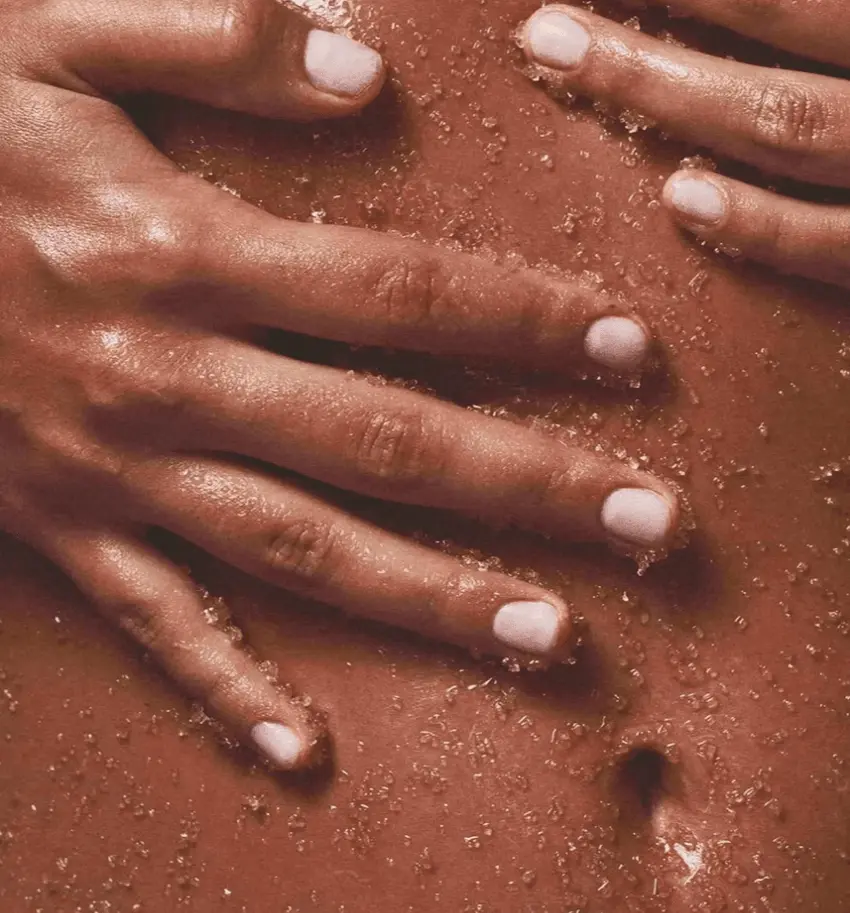
- Wet Application: Never apply an exfoliating body scrub to completely dry skin unless specifically formulated for a dry-polish treatment. Scoop a generous amount of product—such as the cult-favorite Fresh Brown Sugar Body Polish or Sol de Janeiro Bum Bum Body Scrub—and apply it to wet, softened skin.
- Gentle Circular Movements: Massage the product in deliberate, circular motions. Exercise extra care and a lighter touch over thinner skin, while giving slightly more attention to inherently rougher areas like the elbows, knees, and heels.
- Immediate Rinse: There is no benefit to letting a body scrub sit on the skin like a treatment mask. Once massaged thoroughly, rinse the granules away immediately with lukewarm water.
Phase 4: Post-Exfoliation Hydration
- Locking in Moisture: Exfoliation temporarily leaves the skin barrier exposed and eager for hydration. Pat your skin gently with a towel, leaving it slightly damp.
- Nourishing Seal: Immediately apply a rich body cream, lotion, or botanical body oil. This traps residual moisture within the epidermal layers, ensuring supreme comfort, suppleness, and radiance throughout the day.
Supporting Context & Metrics: Physical Scrubs vs. Chemical Exfoliation
While physical scrubs provide an immediate tactile satisfaction and sensory indulgence, they are not the only game in town. The modern body-care landscape has experienced a paradigm shift, largely influenced by facial skincare science trickling down to the neck-down routine. Medical and cosmetic experts are increasingly highlighting chemical exfoliants—namely Alpha Hydroxy Acids (AHAs) and Beta Hydroxy Acids (BHAs)—as powerful alternatives or complements to traditional scrubs.
The Power of AHAs: Glycolic Acid
Glycolic acid, a water-soluble Alpha Hydroxy Acid derived from sugarcane, features exceptionally small molecular weight. This allows it to penetrate deeper into the skin layers rather than just sitting on the surface.
- Texture and Tone: Dr. Ewoma, a noted medical and cosmetic doctor, points out that glycolic acid is the gold standard for refining rough body texture and battling hyperpigmentation (such as dark underarms or a darkened bikini line).
- The Sweat-Busting Bonus: Because glycolic acid is water-soluble, it has the unique ability to break through sweat. This has led to its innovative use in targeted body washes—like Naturium The Smoother Glycolic Acid Exfoliating Body Wash—and leave-on toners acting as functional deodorants.
The Power of BHAs: Salicylic Acid
Salicylic acid is a Beta Hydroxy Acid, meaning it is oil-soluble rather than water-soluble.

- Targeting Oil and Pores: Because it dissolves in oil, salicylic acid can bypass surface sebum to penetrate directly into hair follicles and pores.
- Treating Keratosis Pilaris and Bacne: This makes salicylic acid treatments (such as The Ordinary Salicylic Acid 0.5% Body Serum) uniquely qualified to address stubborn skin concerns like keratosis pilaris (commonly known as "chicken skin" on the arms) and body acne ("bacne").
- Ingrown Hair Prevention: Furthermore, salicylic acid excels at preventing ingrown hairs. By melting away the cellular debris that traps new hair growth beneath the surface, it keeps limbs smooth post-hair removal.
| Exfoliant Type | Primary Mechanism | Best For | Standout Benefit |
|---|---|---|---|
| Physical Scrubs | Mechanical friction via sugar, salt, or botanical seeds | General dullness, rough elbows/knees, sensory ritual | Immediate softness, stimulated microcirculation |
| Glycolic Acid (AHA) | Water-soluble chemical breakdown of dead cells | Uneven texture, hyperpigmentation, body odor | Deep penetration, brightens tone, targets sweat |
| Salicylic Acid (BHA) | Oil-soluble pore penetration and cellular un-plugging | Keratosis pilaris, bacne, ingrown hairs | Clears trapped follicles, smooths bumpy skin |
Official Expert Insights: Common Mistakes and When to Abstain
To maintain a healthy skin barrier, knowing when and what to avoid is just as critical as following the steps for proper application. Experts Michaella Bolder and Dr. Pyal Patel caution against several widespread bad habits.
1. The Shaving Trap
A common misconception is that scrubbing immediately before or after shaving yields the smoothest possible legs. According to Bolder, this is a recipe for irritation.
- Before Shaving: Buffing the skin right before running a razor blade over it strips away protective surface layers, leaving the skin barrier raw, highly sensitive, and prone to razor burn and micro-abrasions.
- After Shaving: Shaving after a scrub introduces excessive friction to freshly exfoliated skin. Furthermore, thick, emollient body scrubs can clog razor blades, blunting the edge and reducing their lifespan. Bolder advises separating your shaving days and your scrubbing days whenever possible to give the skin barrier ample recovery time.
2. Over-Exfoliation Syndrome
More is not always better. A prevalent psychological trap in skincare is believing that aggressive or daily scrubbing accelerates results. In reality, excessive physical exfoliation compromises the lipid barrier, leading to moisture loss, redness, inflammation, and chronic sensitivity.
- The Golden Rule: Both experts advise limiting physical body scrubs to two to three times a week. This frequency is more than sufficient to keep dead skin cells at bay without tipping into irritation.
3. Active Trauma and Compromised Skin
There are definitive hard stops when it comes to body exfoliation. Dr. Patel and Bolder emphasize that you must completely abstain from using physical scrubs or active chemical acids if you are experiencing:
- Active sunburns or windburns.
- Open cuts, scrapes, or broken skin.
- Active, inflamed rashes, eczema flares, or severe dermatitis.
Wait until the skin has fully healed and regenerated before reintroducing any form of exfoliation.
Future Outlook: The Evolution of Body Care as Self-Care
As the beauty industry continues to evolve, the cultural perception of body care is undergoing a profound metamorphosis. Once viewed purely through the lens of hygiene and functional maintenance, body routines are increasingly being elevated to the status of holistic self-care and mental well-being rituals.
The future of body exfoliation lies in hybrid formulations that bridge the gap between heavy-duty physical scrubbing and gentle, skin-repairing chemistry. Consumers are no longer satisfied with harsh salt scrubs that leave the skin stripped and stinging; instead, the market is shifting toward sophisticated gel scrubs, oil-infused polishes, and treatment-grade body serums that treat the skin of the body with the exact same meticulous care traditionally reserved for the face.
Moreover, the integration of multi-functional ingredients—such as antioxidants, ceramides, and targeted AHAs/BHAs within body washes and lotions—means that daily maintenance is becoming seamless. Whether you choose the sensory grounding of a rich sugar polish like the Fresh Brown Sugar Body Polish, the tropical indulgence of the Coco & Eve Resurfacing Body Gel Scrub, or the clinical precision of a salicylic acid serum, the ultimate goal remains unchanged: nurturing resilient, glowing, and deeply cared-for skin 365 days a year.