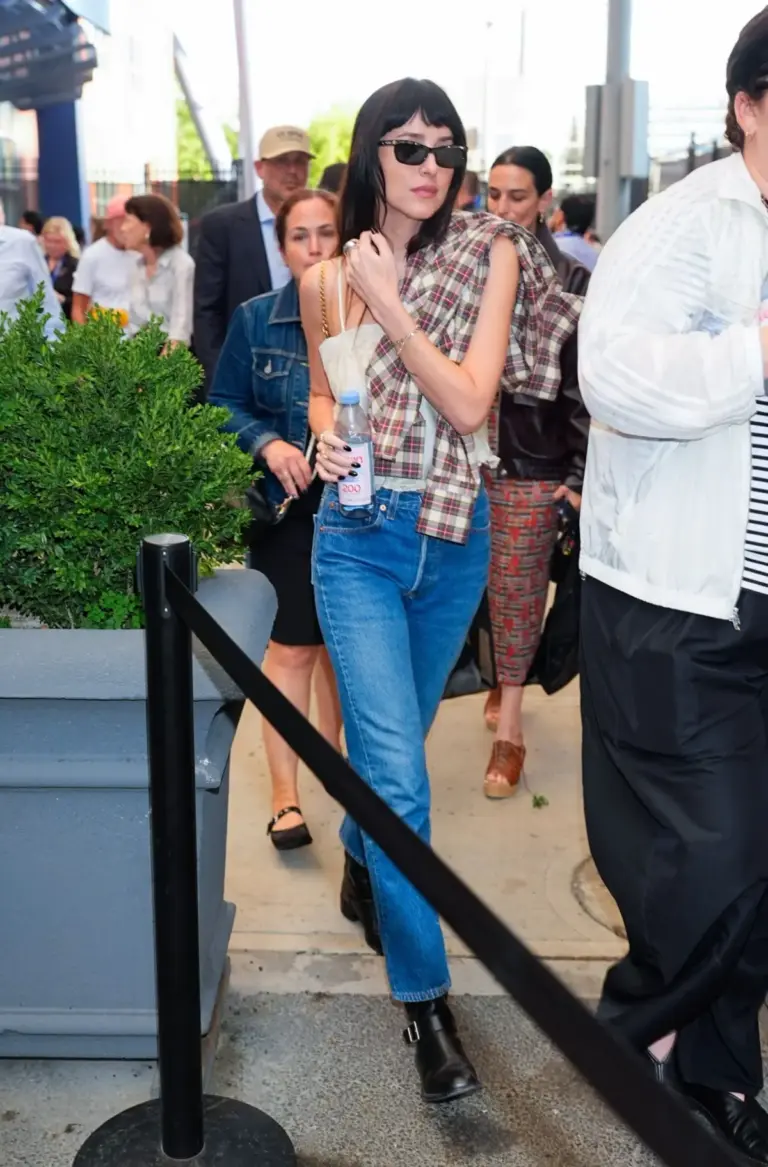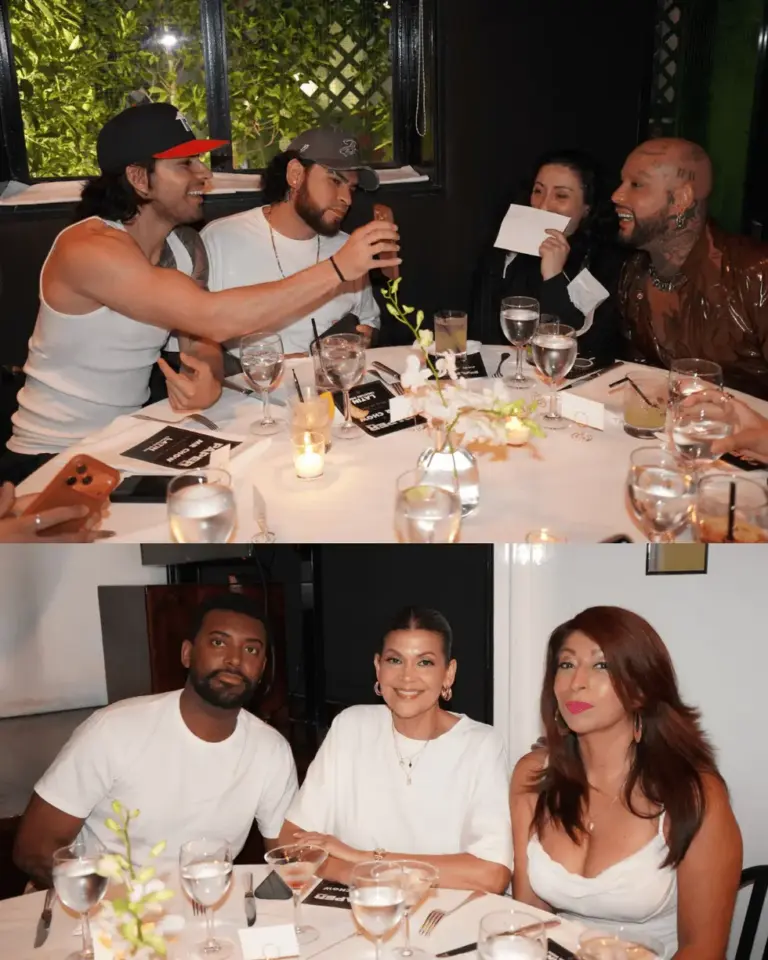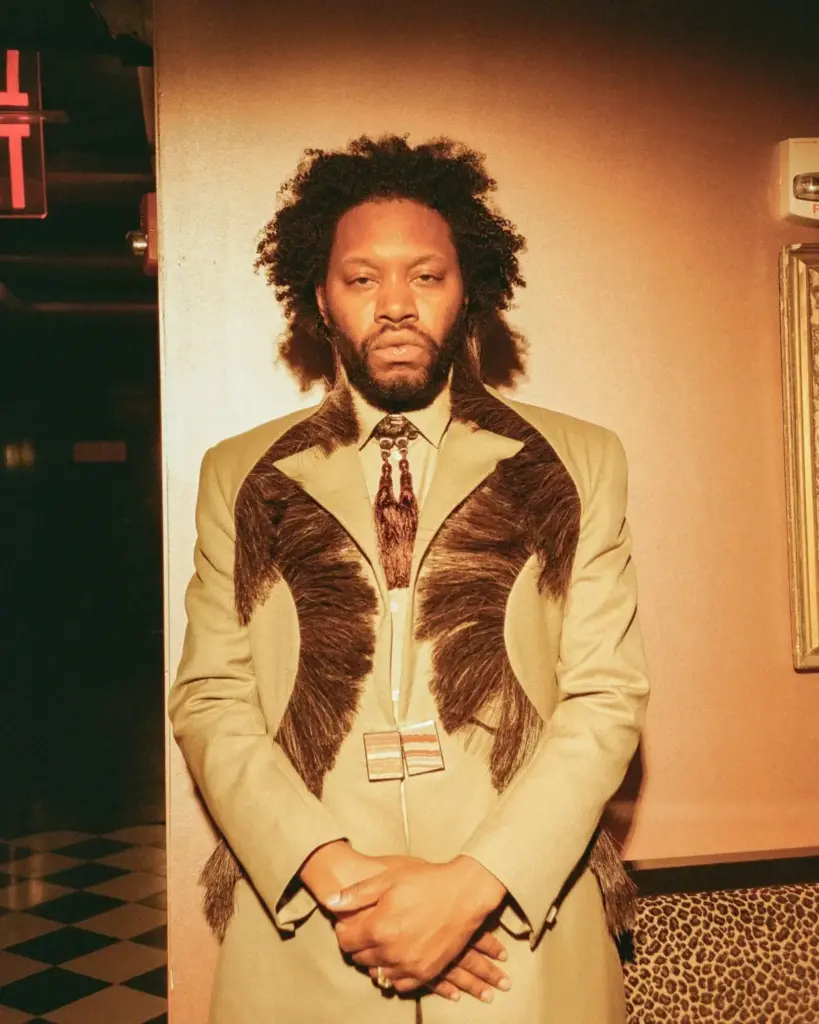
In the contemporary creative economy, the intersection of digital parasociality, institutional pressure, and artistic autonomy forms a volatile ecosystem. Within this landscape, playwright, screenwriter, and producer Jeremy O. Harris occupies a singular, disruptive position. Known equally for his trailblazing theater—such as the revolutionary Broadway run of Slave Play—and his acute, unvarnished commentary on modern celebrity culture, Harris recently sat down with writer and podcaster Carey for PAPER’s signature Coolest Person in the Room series.
The resulting dialogue transcends a conventional industry profile, offering an unvarnished examination of the modern creative class. Harris and Carey dissect the grueling expectations placed upon writers, the commodification of grief by executive machinery, the democratization of the performing arts, and the psychological toll of digital notoriety. Far from a sanitized Hollywood PR exchange, the conversation lays bare the structural flaws of the entertainment industry, painting a portrait of an artist actively attempting to build an infrastructural safety net for a new generation of creators.
Detailed Chronology
The Long Arc: From Yale to Global Production
The conversation begins with a study in the passage of time within the creative industries. Marking a relationship that originated in a Brooklyn after-hours kiki in 2016—just as Harris was stepping onto the campus of the Yale School of Drama—the two cultural commentators map a decade of radical industry shifts.
What began as an emergent playwright navigating the intense corridors of Ivy League theatrical training has blossomed into a prolific global footprint. Over the intervening years, Harris has moved fluidly across mediums: producing seasons one and two of HBO’s generation-defining Euphoria, premiering new theatrical and cinematic works internationally, and developing high-profile projects like The Wives. Yet, this trajectory has not been without its systemic friction.
Navigating the "Product-First" Industrial Complex
Moving from the nostalgia of their initial meeting to the harsh realities of contemporary scheduling, Harris addresses the burnout endemic to modern showrunning. Describing a life caught in a perpetual whirlwind—juggling family crises, script revisions, and impromptu Zoom meetings—Harris points to a systemic devaluation of human autonomy within the corporate entertainment structure.
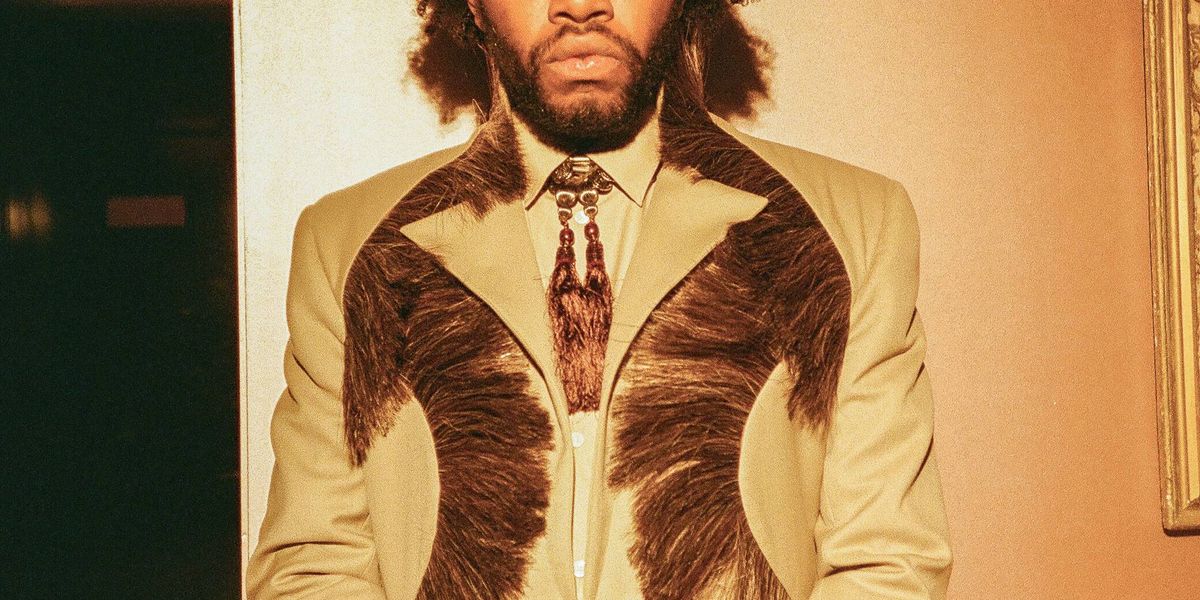
He draws a direct parallel to Lena Dunham’s candid literary explorations of industry trauma in Famesick, noting that the erosion of personal boundaries is often weaponized against creators. Both interlocutors unpack the devastating corporate response to personal tragedy, recounting instances where institutions demand that artists compress profound grief into arbitrary 72-hour windows to meet production deadlines. This culture of extraction, they argue, treats artists not as human beings experiencing life, but as disembodied content-delivery systems.
Supporting Context & Metrics
Democratizing Access and the Class Divide of Culture
A core tenet of Harris’s public ethos has been the radical democratization of the theater—a mission born directly from his working-class roots in Danville, Virginia. During the discussion, Harris offers a scathing critique of class stratification in the arts, noting that the overwhelming majority of decision-makers in Hollywood and Broadway hail from upper-middle-class or ultra-wealthy backgrounds.
This inherited wealth, Harris argues, naturally self-selects audiences based on socioeconomic status, pricing out the very working-class communities that storytelling should inherently serve. Comparing the inaccessible ticket prices of runaway hits like Oh Mary!—where tickets routinely soar to $400 or $500—to the universal accessibility of soccer (football) globally, Harris questions why cultural engagement has become a luxury commodity.
To combat this, Harris’s production philosophy centers on infrastructure. Reflecting on his pandemic-era initiatives—including slush funds carved out of his HBO deal to commission Black women playwrights over 45, and "pet project grants" designed to cover a month’s rent for struggling artists—Harris outlines a blueprint for producer-led protectionism. His companies aim to shield creators from the predatory cycles that force artists to sacrifice their financial stability and mental health.
The Digital Panopticon: Internet Fluency vs. Reality
The dialogue inevitably pivots to the digital panopticon, examining the weaponization of internet culture, fandoms, and parasocial dynamics. Harris, an avid observer of digital subcultures, reflects on the generational divide in digital literacy, noting the paradox of writing youth-centric projects while feeling disconnected from rapidly evolving platforms like Discord or shifting Gen Z vernacular.

Furthermore, they analyze the increasingly punitive nature of modern internet fandoms, tracing the trajectory from the vitriol directed at a 24-year-old Lena Dunham in 2012 to contemporary reality television toxicity, such as the public hyper-fixations on Love Island contestants and Vanderpump Rules’ "Scandoval." Harris emphasizes that the blurring of lines between public accountability and digital bloodlust creates an unsustainable psychological environment for public figures, exacerbated by a culture that demands constant performance and immediate contrition.
Official Statements & Industry Insights
On the Realities of Writing and Mentorship
Sifting through the worst and best advice handed down to aspiring creators, Harris offers a pragmatic antidote to formulaic screenwriting manuals.
- On Industry Formulas: Dismissing rigid structural guides like Save the Cat!, Harris argues that true artistic voice cannot be reverse-engineered from mechanical beat sheets.
- On the Core Rule of Writing: "Read everything. Read all the time," Harris advises. True stylistic evolution, he contends, stems from continuous, voracious consumption of literature, plays, and screenplays—a practice that constantly complicates and refines an artist’s internal architecture.
- On Protecting the Process: Building on his experience spending seven years fighting to bring his breakout play Prince Faggot (and later Slave Play) to the stage against institutional resistance, Harris stresses the necessity of financial runways. Referencing Squid Game’s creator—who leveraged global success to secure long-term financial security—Harris underscores his primary mandate as a producer: protecting the slow-burn, multi-year projects that corporate entities initially reject.
Future Outlook
As Harris looks toward the horizon, his focus remains bifurcated between large-scale institutional critique and the elevation of a new vanguard of multi-hyphenate talent. Rather than resting on his laurels as an established force in theater and television, he is actively expanding his directing portfolio—preparing to helm his first music video in Los Angeles—while mentoring a fresh wave of disruptors.
During the conversation, Harris highlights several emerging voices poised to redefine the literary and cinematic landscape, including:
- Alex Ullom, whose upcoming Neon feature 4 X 4: The Event showcases a rare mastery of atmospheric tension and dramatic prose.
- Rianna Simons and Asa Haynes, products of his Gucci-backed Substratum residency, known for their distinct narrative framing.
- Charlie Oh, whose incisive dramatic writing has already captured the attention of top-tier agency representation.
- Camryn Lewis, a young writer-director from Danville, Virginia, discovered through an organic connection with Harris’s mother, representing the regional, unexpected pipelines from which true artistic innovation emerges.
Ultimately, Jeremy O. Harris’s trajectory serves as a blueprint for modern cultural stewardship. By refusing to let success whitewash his working-class origins, and by aggressively carving out protective spaces for vulnerable creators, Harris proves that the coolest person in the room is not the one chasing industry approval, but the one systematically rewriting the rules to let everyone else in.