Executive Overview
In a sweeping display of ambition and strategic foresight, India’s powerhouse production and distribution banner, Zee Studios, has officially lifted the curtain on its comprehensive, multi-genre, and multilingual content slate for the 2026–27 theatrical window. Spanning an impressive array of regional languages—including Hindi, Marathi, Telugu, Tamil, Malayalam, Gujarati, and Kannada—the newly revealed portfolio represents a masterclass in modern studio diversification.
Designed to capture the complex, fragmented, and rapidly evolving landscape of Indian entertainment, the slate brings together a powerhouse collection of high-octane commercial entertainers, gritty action spectacles, taut psychological thrillers, deep-rooted mythological epics, and critically acclaimed, regionally grounded human dramas. By uniting legendary veterans of Indian cinema with boundary-pushing contemporary filmmakers, Zee Studios is positioning itself not merely as a content purveyor, but as an architectural pillar of pan-Indian cinematic culture.
The announcement, underscored by a high-energy sizzle reel released by the studio, arrives at a critical juncture for the South Asian entertainment economy. As audiences increasingly shed traditional linguistic boundaries in favor of high-concept, cross-cultural storytelling, studio slates must balance broad commercial appeal with distinct cultural authenticity. Zee Studios’ 2026-27 strategy directly addresses this demand. By operating simultaneously across multiple regional hubs, the studio is executing a decentralized model of content creation that respects local sensibilities while leveraging national distribution networks.
This comprehensive report examines the structural anatomy of Zee Studios’ expansive slate, dissecting its regional pillars, high-profile talent collaborations, overarching corporate philosophy, and the broader economic ramifications of its multi-genre output on the domestic and international box office.
Detailed Chronology: Breaking Down the 2026-27 Content Slate
Zee Studios’ strategy for the upcoming fiscal cycle is characterized by meticulous geographical targeting and genre diversification. Rather than relying on a monolithic template, the studio has segmented its slate by language market, assembling tailored casts and director-driven properties for each demographic.
1. The Hindi-Language Heavyweights: Nostalgia Meets Modern Grit
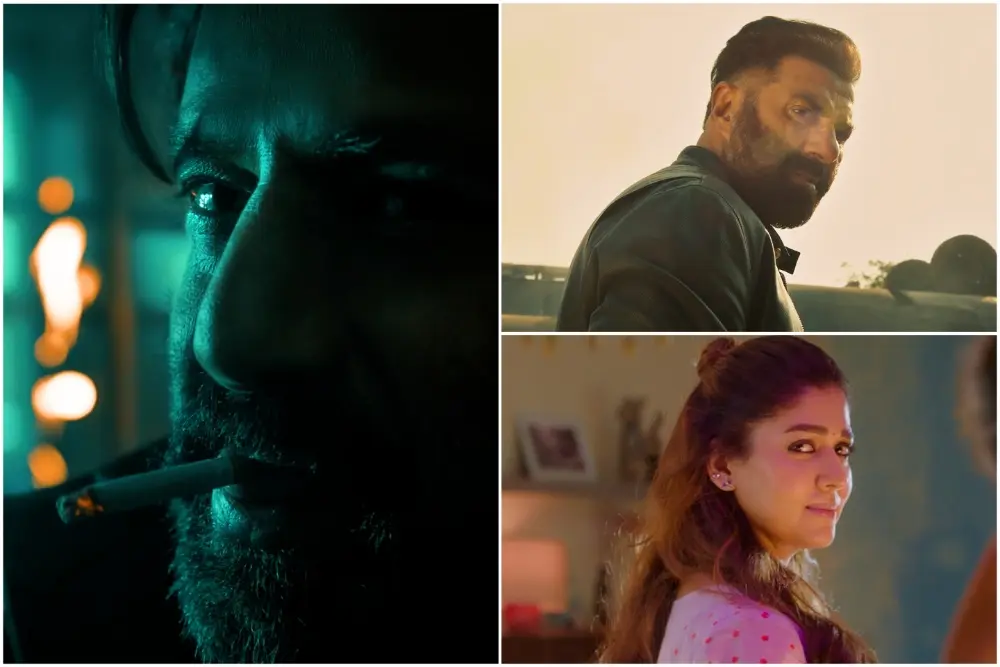
The Hindi slate is anchored by a compelling mix of seasoned icons and provocative contemporary storytellers. Leading the commercial charge is “Baap,” a high-octane action spectacle that unites a legendary quartet of 1980s and 90s action royalty: Sunny Deol, Sanjay Dutt, Jackie Shroff, and Mithun Chakraborty. Directed by Vivek Singh Chauhan, “Baap” taps into the deep well of nostalgic adrenaline that has proven exceptionally lucrative for older demographic segments in recent years.
Shifting from pure action to historical and mythological spectacle, Zee Studios is backing “Shri Ram Bhoomi,” directed by Kamakhya Narayan Singh. Featuring a stellar cast comprising Anupam Kher, Ritwik Bhowmik, and Amruta Khanvilkar, the film draws heavily upon Indian mythology and foundational history, aiming to replicate the massive theatrical successes of culturally resonant epics.
The Hindi slate also delves into urban grit, social commentary, and high-stakes tension:
- “Delhi 2021”: Directed by Abhishek Acharya and starring the powerhouse performer Richa Chadha, this project promises a sharp, piercing look at contemporary urban realities.
- “Blind Babu”: A compelling character study headlined by Nawazuddin Siddiqui and helmed by director Ravi Varma.
- “Blind Game”: A slick, suspenseful thriller starring Arjun Rampal and Priyamani under the direction of the late genre veteran Sangeeth Sivan’s collaborative network.
- “Silaa”: An emotional and dramatic exploration directed by Omung Kumar, featuring Harshvardhan Rane, Sadia Khateeb, and Karanveer Mehra.
Furthermore, the studio has announced a landmark first-time collaboration with the Anil Kapoor Film & Communication Network (AKFC) for the upcoming feature “Paaltu,” signaling an intent to forge strategic alliances with other top-tier production houses to maximize creative and commercial leverage.
2. The Telugu Powerhouse: Epic Scale and Star Power
Tollywood (the Telugu-language film industry) remains a vital engine of pan-Indian box office dominance, and Zee Studios has secured formidable assets within this market.
Topping the Telugu roster is the tentatively titled “NBK111,” a mass-action entertainer starring the indomitable Nandamuri Balakrishna. Directed by Gopichand Malineni, this project is designed to deliver the high-octane fan-fare and stylised action sequences that have defined Balakrishna’s enduring box office supremacy.
Equally noteworthy is “January 12 Vidudala,” a major festive release directed by the hit-machine Anil Ravipudi. The film boasts a marquee cast featuring Venkatesh Daggubati, Keerthy Suresh, and Kalyan Ram, ensuring immense multi-generational appeal across Andhra Pradesh and Telangana.
Rounding out the Telugu slate are:
- “Indraputra”: Starring the rising talent Kiran Abbavaram and directed by Srikanth Puppala, blending youthful energy with genre storytelling.
- “Kanaka Durga” and “Anasuya General Stores”: Two regionally rooted projects designed to capture the flavor of rural and semi-urban Telugu audiences.
3. Tamil, Kannada, Malayalam, and Gujarati: Expanding Regional Horizons
Beyond the traditional heavyweights of Hindi and Telugu, Zee Studios is making aggressive inroads into Tamil, Kannada, Malayalam, and Gujarati cinema, recognizing that regional stories often possess immense universal resonance when executed with conviction.
In the Tamil-language market, the studio is backing “Hi,” an anticipated romantic drama starring Nayanthara and Kavin, directed by Vishnu Edavan. Additionally, the slate features “Sathyavan Savithri,” starring the versatile Keerthy Suresh alongside veteran auteur Mysskin, directed by Praveen S. Vijaay.
In Kannada cinema, Zee Studios presents “Anna From Mexico,” starring Dhananjaya, Reeshma Nanaiah, Umashree, Rangayana Raghu, and Sad Kokila, under the direction of Shankar Guru. This film promises to blend regional humor, action, and social commentary.
Breaking new ground, Zee Studios is officially stepping into the Gujarati-language market with “Tom and Cherry.” Directed by Dharmessh Mehta, the film stars Gujarati cinema stalwart Siddharth Randeria alongside Dhanya Doshi, signaling the studio’s commitment to tapping into vibrant, underserved regional theatrical ecosystems.
4. The Marathi Pillar: Artistic Integrity and National Accolades
Building directly upon the critical and commercial triumph of the Indian National Film Award-winning feature Aatmapamphlet, Zee Studios continues to champion Marathi cinema as a premier engine of high-art storytelling and socially conscious narrative exploration.
The newly announced Marathi slate includes:
- “Jhep”: Directed by Priyadarshan Jadhav, focusing on human ambition and perseverance.
- “Phulwara”: Starring Priyadarshini Indalkar and directed by Ravi Jadhav, known for his visually poetic and emotionally resonant storytelling.
- “Jogai”: A deeply rooted cultural drama starring Jitendra Joshi and Sajiri Joshi, directed by Vishal Modhave.
- “Maan”: An evocative character-driven piece rounding out the Marathi offerings.
Supporting Context & Metrics: The Mechanics of Modern Distribution
To fully appreciate the weight of Zee Studios’ 2026-27 announcement, one must examine the macroeconomic shifts currently reshaping the Indian media and entertainment (M&E) sector. According to recent industry reports by FICCI-EY, the Indian film industry has staged a robust post-pandemic recovery, characterized by two distinct phenomena: the hyper-polarization of theatrical box offices and the explosive cross-pollination of regional content.
The Death of the Monolithic Bollywood Model
For decades, the Indian film economy was colloquially dominated by a centralized "Bollywood" model based in Mumbai, which frequently attempted to project a homogenized version of Indian culture onto the national audience. However, the advent of pan-Indian blockbusters—originated largely by Telugu and Tamil industries—fundamentally rewired consumer expectations. Today, audiences in northern India eagerly consume southern action epics dubbed in Hindi, while southern markets frequently embrace critically acclaimed Marathi and Malayalam dramas.
Zee Studios’ multi-genre, multilingual slate is a structural response to this data. By diversifying risk across seven distinct language markets, the studio insulates itself against the volatility of single-market box office failures. If a high-budget Hindi action spectacle underperforms, a critically lauded Marathi drama or a profitable regional Telugu release can balance the portfolio ledger.
Risk Mitigation Through Portfolio Diversification
The financial structuring of a slate of this magnitude relies on a delicate matrix of theatrical revenues, digital (OTT) syndication rights, satellite television pre-sales, and music licensing. By partnering with established banners like the Anil Kapoor Film & Communication Network and aligning with proven box-office draws (such as Sunny Deol, Nandamuri Balakrishna, and Nayanthara), Zee Studios minimizes creative friction while maximizing day-one recovery potential.
Furthermore, the inclusion of mid-budget, high-concept thrillers and socially relevant dramas—such as Richa Chadha’s Delhi 2021 and Nawazuddin Siddiqui’s Blind Babu—indicates that the studio is not solely chasing the elusive Rs. 500-crore ($60M USD) pan-Indian blockbuster mark. It recognizes the enduring value of mid-tier cinema in driving long-tail digital monetization and building critical prestige.
Official Statements: The Philosophy Behind the Slate
The overarching ethos of Zee Studios’ 2026-27 strategic pivot was articulated clearly through statements released by the studio’s leadership following the unveiling of the sizzle reel.
Reflecting on the cultural and economic necessity of decentralized content creation, a Zee Studios spokesperson emphasized that modern Indian cinema can no longer be funneled through a single creative lens:
"Our portfolio strategy is driven by the belief that India cannot be represented through one kind of story, one language, or one cinematic lens. Every market has its own audience, talent, creative ecosystem, and entertainment sensibility, and our ambition is to reflect that diversity through the films we back."
Addressing the blurring lines between regional and national cinema, the spokesperson reiterated the studio’s long-term commitment to unconventional storytelling models:
"From Hindi, Marathi, Malayalam, and Gujarati to Telugu, Tamil, Kannada, and other language markets, we are dedicated towards building an unconventional content ecosystem with differentiated storytelling. For us, entertainment serves as the backbone for multilingual and multi-genre cinema, blurring the geographical and colloquial boundaries."
This official stance underscores a profound industry realization: linguistic diversity is not a barrier to commercial success, but rather its most potent catalyst. By respecting the localized idioms and cultural nuances of each region while providing the institutional backing, marketing muscle, and distribution infrastructure of a major studio, Zee Studios is attempting to create a sustainable ecosystem where regional authenticity coexists seamlessly with national scale.
Future Outlook: What the 2026-27 Slate Signals for the Industry
As Zee Studios prepares to roll out this ambitious multi-year slate, the broader Indian film industry will be watching closely. The success or failure of these projects will serve as a bellwether for several key industry trends heading into the late 2020s:
- The Evolution of the "Pan-Indian" Label: The term "pan-Indian" has occasionally been overused to describe any film with a dubbed multi-language release. Zee Studios’ targeted approach suggests a more nuanced evolution: true pan-Indian success is achieved not by forcing a single story onto every market, but by curating a portfolio of authentic regional stories and distributing them with national competence.
- The Rise of Underserved Markets: The inclusion of Gujarati cinema (Tom and Cherry) and the continued fortification of Marathi and Kannada slates indicate that the economic footprint of Indian cinema is expanding beyond traditional urban centers into Tier-2 and Tier-3 cities, as well as distinct linguistic diaspora communities worldwide.
- The Talent Synergy: By pairing legendary veterans (Sunny Deol, Nandamuri Balakrishna, Venkatesh Daggubati) with new-age directors and progressive content creators, the studio is bridging the generational divide in Indian filmmaking, ensuring that cinematic heritage meets contemporary narrative techniques.
Ultimately, Zee Studios’ 2026-27 content slate is much more than a routine business announcement; it is a declaration of intent. By placing its bets on linguistic multiplicity, genre fluidity, and creative decentralization, the studio is attempting to write the definitive playbook for the future of South Asian filmmaking—one where borders dissolve in the dark of the theater, united by the universal language of compelling cinema.