Executive Overview
As the sweltering days of late summer wind down, television audiences are preparing to bid farewell to one of the most talked-about and polarizing streaming events of the year: FX’s The Shards. Blending the sun-drenched, palm-lined opulence of 1981 Los Angeles with a creeping, visceral sense of dread, the series has served as an intoxicating cocktail of murder-mystery satire, psychological thriller, and nostalgic period piece. Peppered with graphic crime scenes, high-end fashion, and persistent literary nods to Joan Didion’s The White Album, the adaptation has captured the cultural zeitgeist since its debut.
At its creative helm are television auteur Ryan Murphy and iconic novelist Bret Easton Ellis. Together, they have brought Ellis’s critically acclaimed, bestselling novel of the same name to the small screen. The story operates as a meta-fictionalized account of Ellis’s youth, imagining the provocative author revisiting a formative period in his life when he and his wealthy, hedonistic teenage peer group found themselves unwittingly caught in the crosshairs of a ruthless serial killer known only as "The Trawler."
With the final episodes rolling out on FX and Hulu, viewers are scrambling to piece together the clues. Is newcomer Robert Mallory (Homer Gere) genuinely the depraved monster terrorizing Southern California, or is the heightened, paranoid version of teenage Bret (Igby Rigney) merely projecting his own profound psychological fractures onto a series of brutal, real-world tragedies? As the series heads toward its explosive conclusion, this comprehensive guide explores everything you need to know about the finale’s release schedule, streaming details, plot mechanics, and the star-studded ensemble cast driving this provocative cultural phenomenon.
Detailed Chronology and Release Mechanics
Navigating the rollout of The Shards has proven almost as labyrinthine and unpredictable as Bret’s obsessive, obsessive-compulsive campaign against Robert Mallory. Unlike traditional binge-drop models or rigidly linear weekly broadcasts, the series has kept fans on their toes with a fluctuating release schedule that has seen single-episode premieres alternating with unexpected double-drops.
The Master Release Schedule
For those looking to track the series’ final moments or catch up before the ultimate credits roll, new episodes consistently debut on Wednesdays at 9:00 PM ET. Simultaneous availability is guaranteed across traditional linear cable via FX and the streaming ecosystem through Hulu.
- Episode 8 ("Hamlet"): Premiered on Wednesday, September 2, setting the narrative chess pieces in place for the ultimate confrontation.
- The Series Finale: Airs on Wednesday, September 9, bringing the chilling saga of the Trawler to its definitive close.
Across its nine-part run, the series has refused to settle into a comfortable rhythm, mirroring the unstable psychological states of its protagonists. The distribution choices—often dropping paired episodes when viewers least expect it—have added a layer of frantic energy to the viewing experience, forcing audiences to parse clues in real-time across social media and digital watercoolers.
Supporting Context & Metrics: Adapting Bret Easton Ellis
To understand the gravitational pull of The Shards on television audiences, one must examine the source material and the creative lineage that birthed it. Bret Easton Ellis carved his literary legacy out of the dark, unyielding underbelly of American wealth and youthful alienation, most notably through his debut novel Less Than Zero and the explosive, controversial American Psycho.
Published to widespread acclaim, the source novel The Shards returned Ellis to the geography of his youth: the affluent enclaves of Los Angeles in 1981, a landscape defined by prep schools, sprawling modern estates, fast cars, and the burgeoning counterculture of the early MTV era. The television adaptation, spearheaded by Ryan Murphy—a creator whose portfolio (including American Horror Story, Feud, and Monsters) thrives on sensationalism, stylistic excess, and psychological excavation—proved to be an inevitable pairing of creative sensibilities.
Critical Reception and Cultural Footprint
While metrics for premium cable and streaming viewership are notoriously guarded by networks, cultural engagement indices place The Shards among the most heavily discussed drama series of the 2026 television calendar.
- The Didion Motif: Critics have repeatedly lauded the series’ stylistic integration of period-accurate detritus, particularly the pervasive thematic framing of Joan Didion’s essays. By anchoring the teenage characters’ ennui to The White Album, the show establishes Los Angeles not as a paradise, but as a psychic wasteland where systemic rot hides behind manicured hedges.
- The Unreliable Narrator: At the core of the show’s engagement metrics is its structure. Much like Ellis’s literary works, the TV series forces viewers into the subjective lens of young Bret. Social media discourse has been flooded with fan theories debating whether the Trawler is an external threat or a manifestation of collective guilt and teenage paranoia.
Official Statements and Creative Vision
The transition of The Shards from a dense, nearly 600-page autofictional novel into a tightly paced television narrative required a delicate balancing act between fidelity to the text and the demands of visual media. In promotional interviews leading up to the premiere, the creative team shed light on the daunting task of capturing the book’s specific brand of atmospheric dread.
"We weren’t just interested in making a standard cat-and-mouse serial killer procedural," noted an executive producer close to the production. "The Trawler is almost secondary to the psychological ecosystem of these kids. The true horror of The Shards isn’t just the blood on the pavement in 1981 Los Angeles; it’s the profound emotional detachment, the casual cruelty, and the terrifying realization that the adults in the room are just as lost—if not more so—than the teenagers."
Igby Rigney, who shoulders the monumental task of portraying a fictionalized version of a living literary icon, addressed the meta-narrative complexities of the role: "You’re playing a guy who is hyper-aware of his own myth-making. Bret isn’t just investigating murders; he’s writing his own origin story in real-time. Every interaction, every paranoid suspicion he has about Robert Mallory, is filtered through the lens of a kid who desperately wants life to have narrative stakes, even if those stakes destroy him."
How to Watch The Shards
For viewers looking to dive into the mystery before the finale locks away the answers for good, accessing the series is straightforward, albeit dependent on your preferred digital ecosystem.
Streaming and Cable Options
- FX / Cable: If you maintain a traditional cable package, new episodes broadcast live on FX at 9:00 PM ET on Wednesdays, with on-demand replays available through participating cable providers.
- Hulu: As the primary streaming home for FX content, Hulu houses the complete season. Standalone subscription plans begin at $11.99/month for the ad-supported tier, while the ad-free tier runs at $18.99/month.
- The Disney+ Bundles: For households looking to consolidate entertainment expenses, Disney offers bundled packages incorporating Disney+, Hulu, and optionally Max. These packages scale from $12.99/month for ad-supported tiers up to $32.99/month for the comprehensive, ad-free multi-platform bundle.
The Ensemble Cast Guide
A significant driver of the series’ cultural cachet has been its impeccably curated cast, blending seasoned genre veterans with high-profile rising stars and Hollywood legacy talent. The performances have anchored the stylized dialogue and heightened melodramatics in emotional authenticity.
- Igby Rigney as Bret Easton Ellis: Known for his standout work in Midnight Mass, Rigney captures the intellectual precocity, fragile ego, and spiraling paranoia of the teenage author at the center of the storm.
- Homer Gere as Robert Mallory: Bringing an enigmatic, effortlessly chilling presence to the screen—echoing artistic pedigree—Gere portrays the new classmate who becomes the obsessive focal point of Bret’s murder investigations. Is he a psychopath or a scapegoat? The performance keeps audiences guessing until the very end.
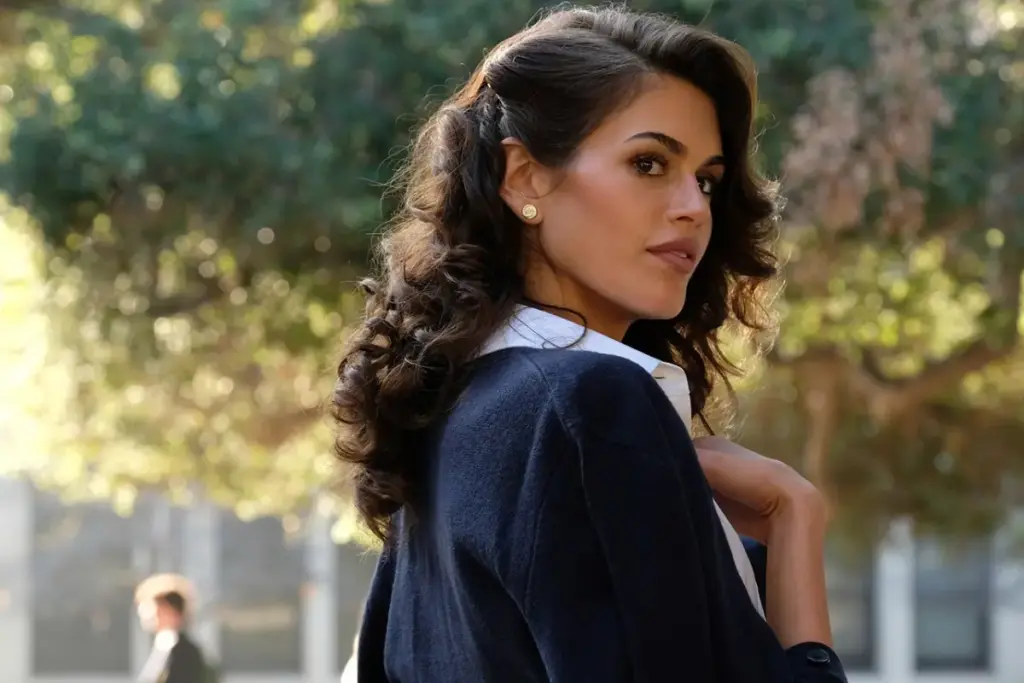
- Kaia Gerber as Susan: Building an increasingly impressive acting resume following projects like American Horror Story and Bottoms, Gerber embodies the effortless, tragic glamour of the era’s elite youth culture.
- Additional Ensemble Highlights: The broader canvas of The Shards features recognizable faces from prestige television and pop-culture hits, drawing talent from projects such as Yellowstone, Wednesday, The English Teacher, and Westworld. This interconnected web of familiar faces grounds the heightened 1981 Los Angeles setting in a rich, populated reality.
Future Outlook
As The Shards reaches its narrative terminus on September 9, the broader question facing FX and the creative team is whether this singular journey into 1980s psychological terror will remain a self-contained limited event or open the door for further adaptations of Bret Easton Ellis’s sprawling literary universe.
Given the intense critical engagement, robust streaming numbers on Hulu, and the cultural real estate occupied by the Ryan Murphy-produced brand, the appetite for high-end, auteur-driven period thrillers has never been stronger. Whether the finale provides definitive closure on the identity of the Trawler—or leaves viewers stranded in the ambiguous, shattered reality characteristic of its source material—The Shards has cemented its place as a defining television text of the 2026 summer season.