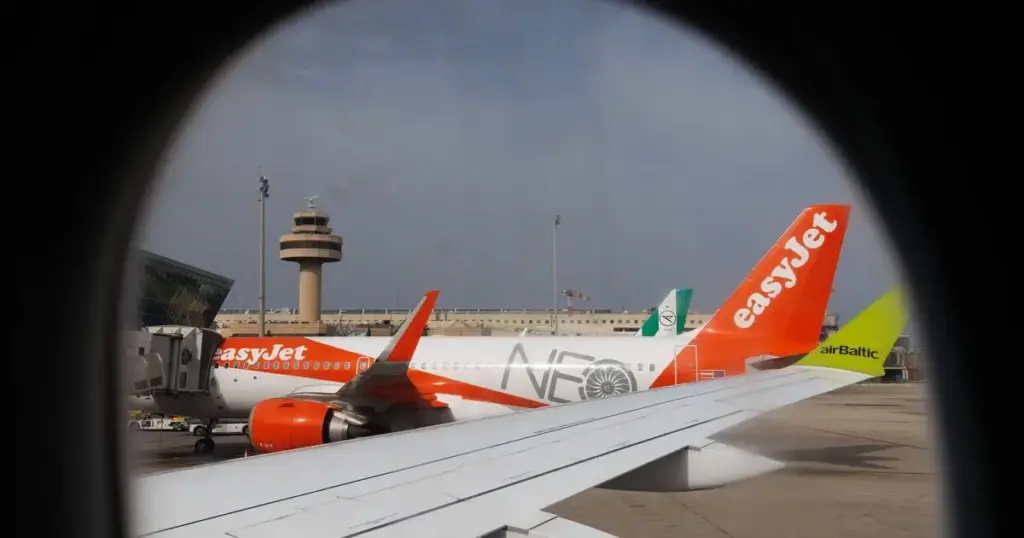
Executive Overview
Thousands of holidaymakers and business travelers face significant disruptions to their itineraries this weekend, as cabin crew members employed by low-cost carrier EasyJet across France initiate a high-stakes strike. Scheduled to take place on Saturday, August 15, and Sunday, August 16, 2026, the industrial action is the direct result of a rapidly escalating dispute between airline management and labor unions representing France-based flight attendants.
The core grievances center on deteriorating working conditions, unpredictable and exhausting rota arrangements, schedule instability, and a perceived lack of responsiveness from corporate leadership to long-standing workforce concerns. The strike action forms part of a broader, highly disruptive window lasting nearly a month—spanning from Friday, August 7, to Wednesday, September 2—during which unions retain the legal right to walk out on short notice, provided a 48-hour warning is issued.
Major French aviation hubs, including Paris Charles de Gaulle, Paris Orly, Lyon-Saint Exupéry, Nice Côte d’Azur, and Bordeaux-Mérignac, are bracing for widespread flight delays, cancellations, and terminal congestion. While EasyJet has expressed profound disappointment over the timing of the strike—noting that formal negotiations are scheduled for September—unions have firmly laid the blame at management’s door, citing months of ignored warnings and a steady erosion of staff well-being. Passengers traveling to or from France this weekend have been urgently advised to monitor flight statuses closely and prepare for contingency travel plans as the peak summer holiday season faces an unprecedented bottleneck.
Detailed Chronology of the Dispute
The roots of the current standoff stretch back nearly a year, characterized by growing frustration among France-based EasyJet cabin crew members regarding their day-to-day employment realities. According to union representatives, the operational environment has steadily worsened, transforming a once-manageable schedule into a relentless cycle of fatigue and uncertainty.
The Build-Up: Months of Warnings
For the past twelve months, labor organizations representing EasyJet’s French workforce have issued repeated warnings to corporate management. These alerts highlighted what unions describe as a systemic decline in workplace standards. Central to these complaints are chronic schedule instability, last-minute alterations to rosters, imposed trip patterns, and excessively burdensome flight rotations that leave flight attendants with insufficient recovery time between shifts.
Despite these ongoing representations, union officials state that management failed to provide serious, constructive responses or meaningful policy adjustments. This perceived intransigence ultimately forced the workforce to authorize industrial action to compel leadership to address their grievances.

The Strike Notice Window
On Friday, August 7, 2026, a sweeping strike notice was officially issued, establishing an open-ended threat period that runs through Wednesday, September 2, 2026. Under French labor regulations, this notification allows unionized staff to stage walkouts at any point during the designated window, provided a 48-hour advance notice is given to the airline and aviation authorities.
The announcement of specific strike dates for the peak weekend of August 15 and 16 has dramatically heightened tensions. This mid-August period coincides with high-volume summer holiday travel, compounding the potential impact on passengers and amplifying the pressure on EasyJet’s operational network.
Supporting Context & Metrics: The Impact on French Aviation
The timing of the August 15–16 strike could hardly be more problematic for the European travel ecosystem. Mid-August represents one of the busiest weekends of the calendar year, with millions of European citizens taking advantage of summer breaks and national holiday observances.
Affected Airports and Routes
The industrial action is expected to heavily impact EasyJet’s base operations across France. The primary airports facing operational disruptions include:
- Paris Charles de Gaulle (CDG): A major international gateway handling significant European and long-haul connections.
- Paris Orly (ORY): A bustling hub for domestic and regional European low-cost traffic.
- Nice Côte d’Azur (NCE): A critical coastal destination servicing the French Riviera during peak tourist season.
- Lyon-Saint Exupéry (LYS): A vital southeastern transit hub connecting central France to the rest of the continent.
- Bordeaux-Mérignac (BOD): A key southwestern airport managing high volumes of seasonal leisure travel.
Operational Vulnerabilities
Low-cost carriers like EasyJet operate on tight turnaround schedules designed to maximize aircraft utilization and maintain cost efficiency. When cabin crew walk out, these highly optimized schedules unravel rapidly. A single crew shortage can trigger a cascading series of delays and cancellations affecting multiple subsequent flights across the European network. Passengers stranded in French airports will likely experience severe difficulties in securing alternative transport, as competitor airlines running peak-summer schedules operate at or near full capacity.
Official Statements and Corporate Response
As the strike dates arrived, both corporate leadership and labor representatives engaged in a war of words, each pointing fingers over the breakdown in dialogue and the resulting inconvenience inflicted upon the traveling public.

EasyJet’s Position
In an official statement issued to the press, an EasyJet spokesperson expressed deep frustration over the union’s decision to proceed with the weekend walkout.
"We are extremely disappointed that unions representing our France-based cabin crew have announced plans for industrial action on 15 and 16 August, outside any formal negotiation process and despite our offer of adjustments to tackle their concerns," the spokesperson stated.
The airline emphasized that formal, scheduled negotiations regarding workforce concerns are slated for September, leading management to brand the current strike action as both unnecessary and counterproductive. Furthermore, EasyJet underscored its commitment to mitigating the fallout for affected travelers.
"We are sorry for the impact the unnecessary action will have on our customers. We are doing all we can to minimise disruption," the airline added, confirming that customers facing flight cancellations would be notified directly and offered immediate choices, including a free transfer to an alternative flight or a full financial refund.
The Unions’ Counter-Narrative
Conversely, the collective group of unions representing the cabin crew firmly rejected the notion that the strike is unjustified, placing total responsibility for the disruption on corporate leadership.
In a joint statement released ahead of the weekend, the unions argued:

"Any flight cancellations or disruptions resulting from these days of action will be solely attributable to easyJet, which has chosen not to give a serious response to the repeated warnings from trade unions over the past months."
The statement elaborated on the human cost of the current operational policies, noting:
"For nearly a year, the unions have been warning easyJet management about the continuous deterioration of cabin crew working conditions: chronic schedule instability, last-minute changes, imposed trip patterns, particularly burdensome rotations, and a total lack of protective measures."
Future Outlook: What Travelers Need to Know
Looking ahead, the immediate priority for thousands of travelers is navigating the turbulence of the August 15–16 weekend, while the broader outlook for late August remains shrouded in uncertainty.
Immediate Advice for Passengers
With the strike window remaining active until September 2, aviation experts advise all passengers with booked itineraries involving French airports to take proactive measures:
- Monitor Flight Status: Regularly check EasyJet’s official website or mobile app for real-time updates regarding specific flight departures and arrivals.
- Verify Contact Information: Ensure that current email addresses and mobile phone numbers are linked to flight bookings so that automated notifications regarding cancellations or schedule changes are received instantly.
- Understand Passenger Rights: Under European aviation regulations (EU261), passengers facing cancellations are entitled to care and assistance (such as food and accommodation vouchers) as well as the choice between a full refund or rerouting at the earliest opportunity. However, travelers should note that airlines often argue whether strikes constitute "extraordinary circumstances," though internal union strikes are frequently subject to distinct legal interpretations regarding compensation liabilities.
- Prepare for Contingencies: Have backup travel options in mind, including alternative rail networks or competing airlines, should immediate rebooking prove difficult.
The Path to Resolution
The coming weeks will prove critical in determining whether the dispute can be resolved amicably before the broader strike notice expires on September 2. With formal negotiations scheduled for September, both parties face mounting pressure. For EasyJet, the financial and reputational cost of prolonged summer disruptions is significant. For the cabin crew, maintaining solidarity during the peak travel season represents their strongest leverage in forcing structural changes to rostering and working conditions. Until a formal agreement is reached at the negotiating table, the shadow of industrial action will continue to loom over EasyJet’s French operations.