Executive Overview
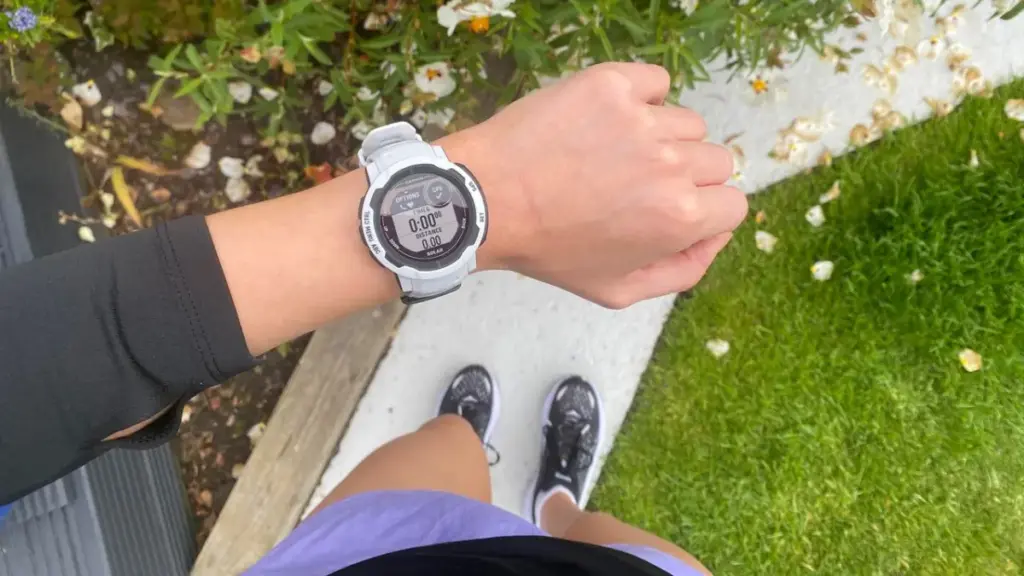
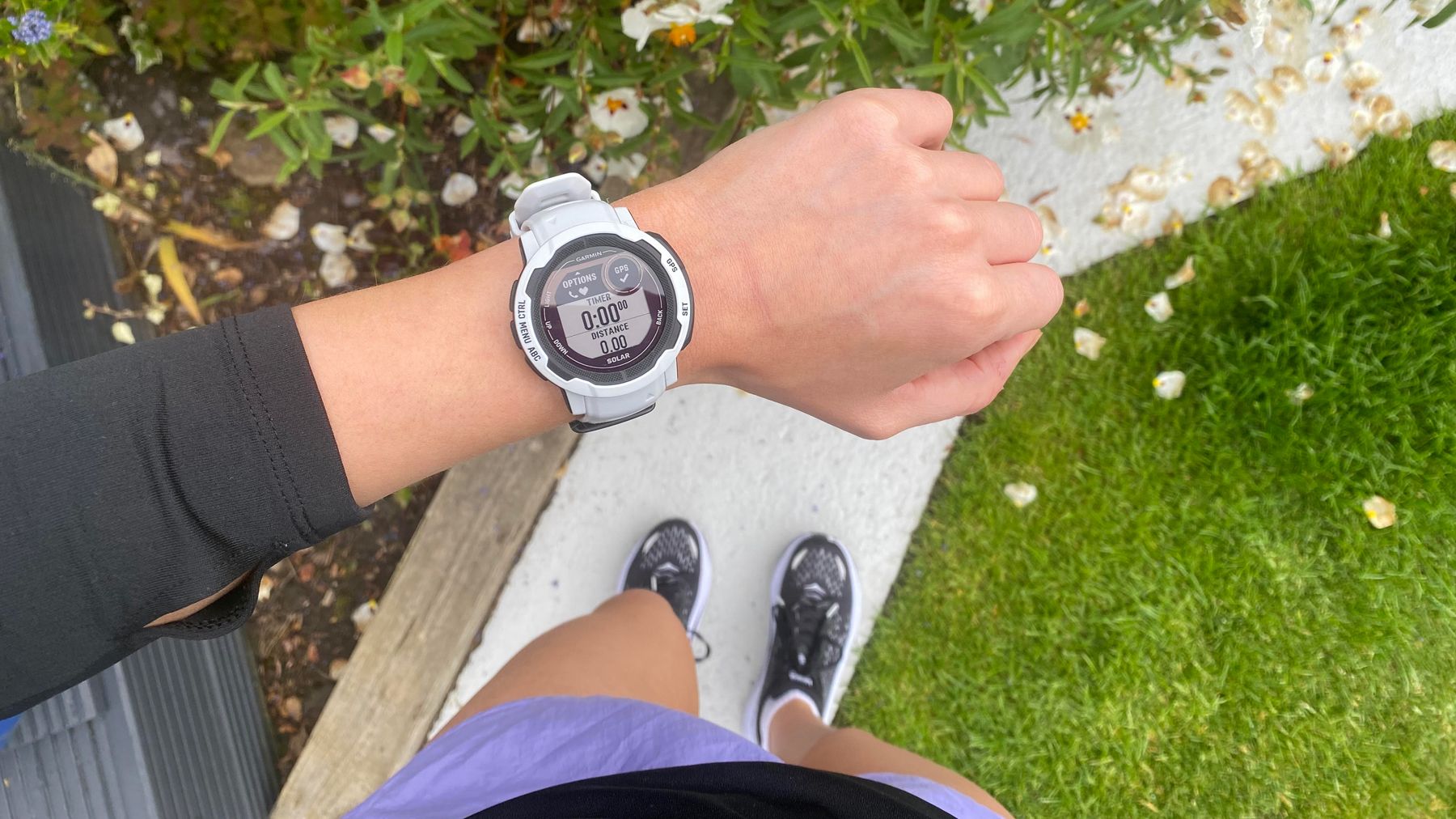
At nearly 66 years old, my mother embodies a level of physical vitality that routinely eclipses that of individuals half her age. She is a persistent triathlete, an avid cycle trekker, and an enthusiastic participant in endurance sports. Yet, the engine driving this remarkable dedication is not merely intrinsic willpower; it is a trusty Garmin Forerunner 255 strapped securely to her wrist.
For her, few things rival the daily satisfaction of hitting a step goal, closing activity rings, or boasting about an unbelievably low "fitness age"—a metric she proudly maintains in the low 30s. Her enthusiasm is far from unique. Across the globe, millions of fitness enthusiasts religiously broadcast their workout summaries, heart rate zones, and VO2 max scores onto social platforms, community leaderboards, and family chat threads.
This modern phenomenon of sharing wearable data raises a compelling psychological question: Why are we so compelled to broadcast our physical exertion to the world?
According to Philip Gable, a professor of psychology and brain sciences and director of the Interdisciplinary Neuroscience Graduate (ING) program at the University of Delaware, the urge to show off our sweat taps directly into a primal evolutionary drive. We are neurologically hardwired to connect, share milestones, and seek social validation. However, deeper investigation into the neuroscience of habit formation reveals that you do not necessarily need a high-end smartwatch or a social media audience to reap these psychological rewards. The mere act of tracking, logging, and acknowledging physical achievement—even privately in a paper diary—can trigger the same neurological pathways that keep us motivated, moving, and resilient.
Detailed Chronology: The Evolution of Fitness Tracking and Social Sharing
To understand why we feel compelled to share our biometric data today, it is helpful to examine how fitness tracking transformed from an isolated, solitary endeavor into a hyper-connected social experience.
Era 1: The Analog and Solitary Past (Pre-2000s)
For decades, physical exercise was largely an internal or localized experience. Runners wore basic digital stopwatches to record split times, while cyclists relied on rudimentary wired odometers mounted to their handlebars. Data was manually jotted down in pocket-sized paper notebooks or logged away in memory. There was no instant feedback, no algorithmic assessment of "fitness age," and certainly no global network to broadcast a morning five-mile jog. Motivation relied heavily on personal accountability, coaching, or local club camaraderie.
Era 2: The Digital Revolution and Personal Metrics (2000s–2010s)
The introduction of accessible GPS technology and early heart-rate monitors shifted the paradigm. Devices became smarter, smaller, and capable of capturing granular data about pace, distance, and cardiovascular strain. Platforms like Garmin Connect, TrainingPeaks, and early iterations of digital fitness ecosystems allowed users to review their workouts on desktop computers. Fitness tracking became a data-driven science, but it remained largely an individual pursuit—a digital diary reviewed in private.
Era 3: The Hyper-Connected, Social Fitness Era (Present Day)
The proliferation of smartphones, smartwatches, and dedicated fitness social networks (such as Strava, Nike+ Run Club, and Garmin Connect’s social feeds) revolutionized how we view our bodies in motion. Today, a workout does not just exist in the physical world; it exists as a rich digital artifact. A single run can be overlaid with route maps, elevation profiles, pace charts, and biometric scores.
With platforms designed specifically around "Kudos," comments, and segment leaderboards, tech companies intentionally integrated social mechanics into fitness tracking. Sharing a workout became frictionless, transforming personal health data into a modern currency of achievement, dedication, and social capital.
Supporting Context & Metrics: The Science of Social Fitness
Why do these digital badges and shared metrics hold such immense sway over human behavior? The answer lies at the intersection of evolutionary biology, neuroscience, and social psychology.
The Evolutionary Imperative of Cooperation
Human beings are inherently social creatures. Throughout evolutionary history, our survival as a species did not depend on solitary strength, but rather on our capacity to communicate, share information, and cooperate within a tribe.
According to Professor Philip Gable, our brains developed complex neurological reward systems to reinforce behaviors that strengthen community bonds. When we share information that highlights our competence, capability, or value to the group, our brains release neurochemicals associated with pleasure and social standing.
"We’re neurologically wired to love sharing information with other people and getting their approval," Gable explains. "If I’m proud of something and I think other people will like it, it enhances the reward value to share it."
The Psychology of Social Comparison
Beyond mere sharing, human beings possess an innate drive to evaluate their own opinions and abilities—a concept first theorized by psychologist Leon Festinger as Social Comparison Theory. When fitness trackers automatically benchmark our performance against our demographic peers (e.g., proving that your cardiovascular capacity performs better than 70% of individuals your age), it triggers an immediate psychological reward.
Seeing a superior metric provides instant gratification. It validates effort, reinforces identity ("I am an athlete"), and satisfies the ego. Gable notes that these social mechanisms significantly increase the subjective value of fitness. When exercise is validated by others, it ceases to be a solitary chore and transforms into a recognized social achievement.
The Neurological Power of the Private Log
Interestingly, while social broadcasting enhances the reward loop, the brain does not strictly require an audience to experience the motivational benefits of tracking.
Gable points out that ticking virtual boxes, watching a progress bar fill up, or seeing a calculated fitness age tick downward lights up the brain’s reward centers in much the same way as sharing that success with a friend. In essence, advanced algorithms act as a proxy for social feedback.
"If we’re getting feedback from our Garmin, even though it’s not a person, it’s as though somebody is telling us the same thing," Gable notes.
This explains why even the most introverted athletes remain deeply attached to their fitness logs. The device itself provides a mirror of affirmation. Furthermore, this phenomenon extends beyond high-tech wearables. Research and behavioral psychology indicate that even low-tech methods—such as writing down workouts in a physical diary—harness similar psychological mechanics.
"You still get the sensation of sharing with others when you log a workout," Gable says, because the act of recording formalizes the achievement, turning fleeting sweat into a permanent, quantifiable record of self-improvement.
Official Statements and Expert Insights
To gain a deeper perspective on how technology influences human motivation, we look to the research and commentary of behavioral scientists and neuroscientists specializing in motivation and reward pathways.
Dr. Philip Gable, Director of the Interdisciplinary Neuroscience Graduate (ING) Program and Professor of Psychology and Brain Sciences at the University of Delaware:
"We’re neurologically wired to love sharing information with other people and getting their approval. Most of our success as a species is due to our ability to share information and cooperate. If I’m proud of something and I think other people will like it, it enhances the reward value to share it… There are mechanisms at work that increase the value behind fitness when we share it socially."
Regarding private tracking and internal feedback loops, Gable adds:
"If we’re getting feedback from our Garmin, even though it’s not a person, it’s as though somebody is telling us the same thing. You still get the sensation of sharing with others when you log a workout."
Future Outlook: The Next Wave of Fitness Motivation
As wearable technology continues to evolve, the intersection of biometrics, artificial intelligence, and social psychology will only grow deeper.
1. Hyper-Personalized AI Coaching and Validation
Future fitness ecosystems are moving beyond simple data tracking to predictive, conversational AI coaching. Instead of merely displaying a score, future wearables will provide real-time, highly personalized verbal or textual feedback designed to mimic the encouragement of a human personal trainer. This digital companionship will likely strengthen the psychological proxy effect identified by Professor Gable, keeping users engaged even without social media integration.
2. The Rise of "Digital Detox" Fitness
Paradoxically, as hyper-connectivity grows, a counter-movement is emerging. Many fitness enthusiasts are experiencing "notification fatigue" and screen burnout from constantly broadcasting their lives. The future may see a renaissance in analog tracking—journaling, minimalist heart-rate bands without screens, and device-free outdoor training. As Gable’s research suggests, because the brain can find deep satisfaction in private logging, individuals can successfully maintain high motivation levels without exposing their personal health data to the public internet.
3. Sustainable Health Across the Lifespan
Ultimately, whether driven by the desire to top a Strava leaderboard, impress family members with a low fitness age, or simply check off a box in a worn leather diary, the fundamental human quest for self-betterment remains unchanged. As demonstrated by resilient athletes entering their seventh decade and beyond, the tools we use—whether high-tech GPS watches or simple paper notebooks—are merely catalysts for what our brains already crave: progress, connection, and proof of vitality.