Executive Overview
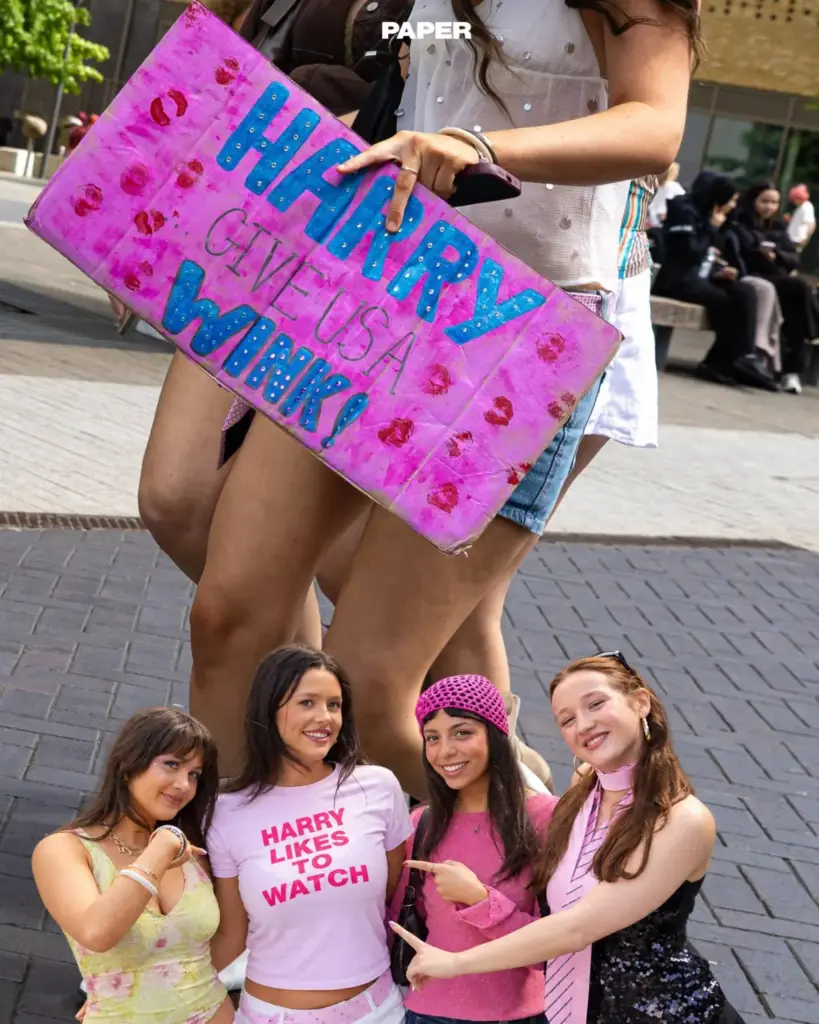
It is another suffocatingly hot summer evening in London, the capital caught firmly in the crosshairs of a continental heatwave. Beads of sweat glisten on foreheads, line necks, and pool at the backs of legs on a crowded London Underground carriage. “Thank fuck Wembley has air-con,” a young woman mutters to her companion, her tone a mixture of exhaustion and desperate anticipation. She didn’t need to announce her destination; the pink cowboy hat resting on her lap and the matching marabou feather boa draped carelessly over her shoulders made her itinerary glaringly obvious.
Predictably, it was one of the marquee nights of Harry Styles’ record-breaking world tour at Wembley Stadium. By the time the train ground to a halt, it was clear that nearly the entire carriage—and indeed, vast swaths of the Tube line at large—had dressed to a uniform stylistic specification. Standing outside the station with a friend, dressed in standard-issue concert attire of practical boots and a denim mini-skirt, the reality set in: We are severely underdressed.
Once upon a time, putting together an outfit for a live concert meant striking a delicate balance between night-out glamor and genre-appropriate casual wear—a vintage band tee, a reliable pair of jeans, or classic footwear designed to withstand hours of standing. But as the live music industry surges forward in the mid-2020s, those traditional sartorial codes have been thoroughly upended. Today, standard street clothes simply do not suffice for the Big Live Pop zeitgeist.
Across the globe, stadium concourses resemble avant-garde, highly specialized masquerade balls. From little girls and their mothers donning Elton John-style oversized sunglasses to teenage superfans turning their looks into walking art installations, concert dressing has evolved from a passive afterthought into an active, almost mandatory ritual. This is no longer merely about attending a show; it is about visual tribalism, an immersive theater where the audience is just as much a part of the performance as the artist on stage.
Detailed Chronology: The Evolution of Concert Fashion
To understand how we arrived at an era where a concert ticket is merely the admission fee to a multi-month fashion campaign, one must trace the rapid, post-pandemic evolution of fan culture.
The Pre-Pandemic Baseline
Historically, concert fashion was dictated by the subculture of the genre. Rock and metal fans wore heavy band merchandise and leather; hip-hop enthusiasts championed high-end streetwear and athletic gear; pop fans wore whatever was trending at Topshop or Zara that weekend. While fandoms certainly had aesthetics—such as the flower crowns of the early 2010s indie-pop festival scene or the neon tutus of EDM raves—the clothes were outward-facing signals directed toward the artist. The underlying fantasy, heavily fueled by decades of teen magazines and fan fiction, was one of romantic accessibility: dressing to catch the eye of the frontman, hoping against hope to be pulled on stage or noticed in the front row.
The Post-Pandemic Rebirth (2023–2024)
When the live music industry roared back to life following years of pandemic-induced isolation, a profound psychological shift occurred. Audiences were starving for connection, and artists returned to the road with unprecedented theatricality.
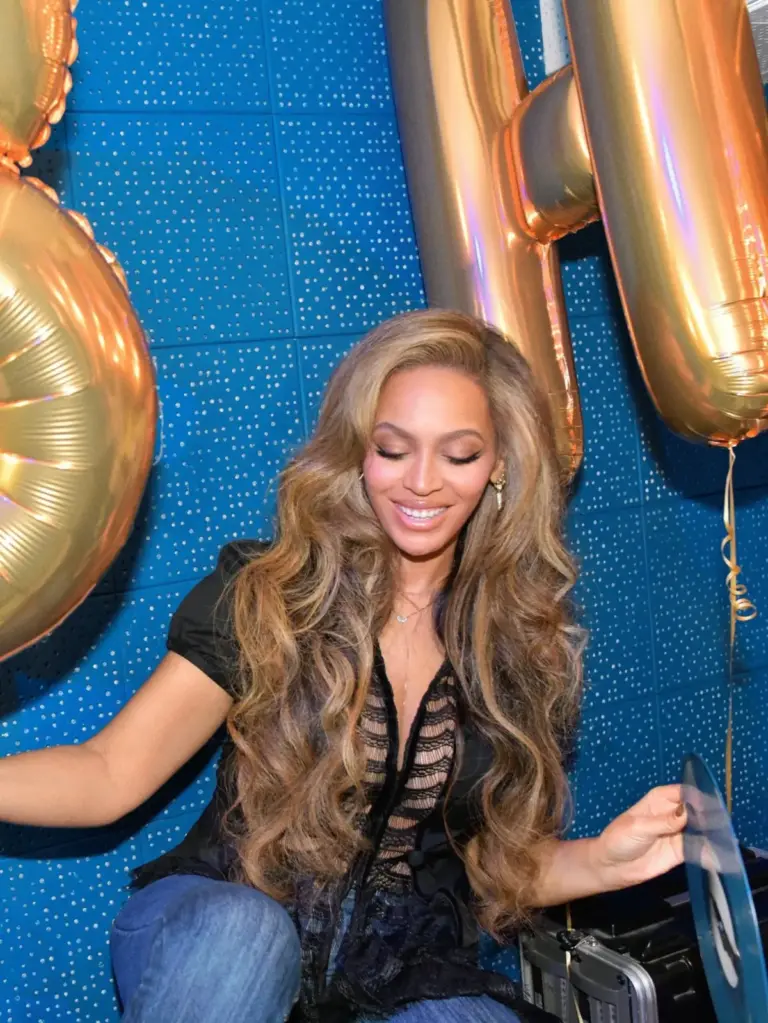
In 2023, Beyoncé’s Renaissance World Tour set a new benchmark for collective visual participation. Queen Bey herself issued a royal decree via social media, explicitly asking her global fanbase—the Beyhive—to wear silver and metallic fashions to honor Virgo season and the futuristic disco motifs of her album. Millions complied, turning stadiums into shimmering oceans of chrome and sequins.
Shortly thereafter, Taylor Swift’s juggernaut Eras Tour in 2024 took this phenomenon and supercharged it into a global sociological event. Swifties did not just attend concerts; they meticulously curated outfits representing specific albums (Eras), turning parking lots and stadium concourses into impromptu runway shows. The culture of the trade expanded further with the ritualistic creation and exchange of handmade friendship bracelets—a direct interpretation of a lyric from Swift’s Midnights track, "You’re On Your Own, Kid." What began as a cute lyrical nod transformed into a ubiquitous, cross-generational rite of passage, executed with the zealous devotion of a sacred ceremony.
The Contemporary Landscape (2026)
Today, this "cult dressing" has expanded far beyond the monolithic pop titans. It has permeated every tier of the touring ecosystem. When Charli XCX embarked on her era-defining Brat tour, she didn’t need to issue a formal dress code; the culture did the heavy lifting. Audiences organically unified under a hyper-specific aesthetic: rave shades, white ribbed tank tops, and that unmistakable, retina-burning shade of lime green. Even legacy acts and niche indie darlings find themselves playing to crowds that have adopted uniform-like dress codes—whether it’s donning bald caps and sunglasses at a Pitbull concert to honor "Mr. Worldwide," or layering vintage lace for a folk-pop residency.
Supporting Context & Metrics: The Economics of Fandom Aesthetics
The transformation of concert dressing is not merely a cultural quirk; it is a multi-million-dollar economic engine driven by shifting consumer habits, social media algorithms, and the unique psychological makeup of a generation shaped by digital isolation.
The Financial Footprint
According to retail analytics data from major fashion marketplaces, searches for items like "feather boas," "cowboy boots," "sequin corsets," and "concert-specific accessories" spike by upwards of 300% in the weeks leading up to major stadium tours. Fans are routinely spending upwards of $50 to $200 per outfit—often outspending the face value of the concert ticket itself—on specialty garments that, in many cases, are designed to be worn precisely once for an Instagram grid post or TikTok video.
| Tour / Artist | Primary Aesthetic / Dress Code | Key Economic Driver / Accessory |
|---|---|---|
| Taylor Swift (Eras Tour) | Era-specific custom outfits, sequins, maxi skirts | Friendship bracelets, themed footwear |
| Beyoncé (Renaissance Tour) | Chrome, metallics, silver cyber-cowboy gear | Virgo season mercury shades, metallic hats |
| Harry Styles (Love On Tour) | Feather boas, pastel suits, pink cowboy hats | Novelty sunglasses, glitter makeup |
| Charli XCX (Brat Tour) | Lime green minimalism, rave sunglasses, tanks | Y2K grunge aesthetics |
The Psychological Underpinnings
Sociologists and cultural psychologists point to the isolation of the COVID-19 pandemic—which robbed millions of teenagers and young adults of milestone formative years—as a primary catalyst for this behavior. Gen Z and younger millennials experienced critical socialization periods behind glowing screens.
When live music returned, the concert venue became a sanctuary for hyper-socialization. Dressing in a cult-like uniform serves a dual psychological purpose:
- Anonymity and Belonging: By dressing identically to thousands of strangers, individual anxiety melts away. You are no longer an isolated spectator; you are an essential, protected member of a tribe.
- Horizontal Validation: Unlike past generations who dressed for the vertical gaze of the artist (seeking individual validation or romantic recognition), today’s fans dress horizontally. They curate their looks for each other, constructing a peer-led community that exists independently of the pop star on stage.
Official Statements & Industry Perspectives
Cultural critics, fashion historians, and industry insiders have increasingly turned their attention to this new religion of concert dressing, recognizing it as a watershed moment in how live entertainment is consumed.
"We are witnessing the death of the passive spectator," notes Dr. Elena Vance, a professor of media and cultural studies at the University of London. "For decades, pop music was a broadcast medium—artist to audience. Today, through social media amplification and pre-planned aesthetic convergence, the audience has co-opted the production. The fans are now the medium, the message, and the set design all at once."
Merchandise executives and fast-fashion retailers have likewise had to pivot their supply chains to accommodate the hyper-responsiveness of modern fandoms.
"It used to be that tour merchandise meant a black cotton t-shirt with a tour date on the back," explains Marcus Chen, a senior retail strategist based in New York. "Now, brands have mere weeks to react to viral TikTok trends sparked by a single album release or a passing comment from an artist. If Beyoncé says ‘wear silver,’ the entire global inventory of metallic skirts vanishes in forty-eight hours. The agility required in modern pop commerce is unprecedented."
Artists themselves have largely embraced this participatory ecosystem, recognizing that cultivating a distinct visual subculture builds unshakeable, lifelong brand loyalty. By giving fans a dress code—whether explicit, like Beyoncé’s birthday decrees, or implicit, like Charli XCX’s Brat green—artists foster an environment of radical inclusivity and shared identity.
Future Outlook: Where Is Cult Concert Dressing Headed?
As we look toward the latter half of the 2020s, the phenomenon of cult concert dressing shows no signs of abating. Instead, it is evolving into an increasingly sophisticated, technology-integrated aspect of live performance.
1. Augmented Reality (AR) and Interactive Fashion
Future tours are expected to integrate digital wearables and AR filters directly into the concert-going experience. Imagine stadium crowds wearing garments embedded with smart-textiles or NFC (Near Field Communication) chips that light up, change color, or synchronize with the concert’s lighting rig based on the wearer’s location in the venue. The line between physical couture and digital augmented reality will continue to blur.
2. Sustainability Pressures and Circular Fandom
With the massive spike in fast-fashion consumption driven by single-use concert outfits—often disparagingly referred to as "landfill fashion"—fandoms are already pushing back from within. The future of concert dressing is likely to see a massive surge in circular economies: fan-led clothing swaps, specialized rental platforms for bespoke tour outfits, and grassroots DIY customization workshops designed to minimize the environmental footprint of these elaborate spectacles.
3. The Democratization of Live Performance
Ultimately, cult concert dressing has permanently rewritten the social contract of the live music experience. It has transformed sterile, multi-thousand-seat concrete bowls into living, breathing ecosystems of human connection. Whether it costs twenty dollars for a shedding marabou feather boa or hundreds for a custom-sewn replica of a pop star’s stage costume, the underlying motivation remains remarkably sincere.
In an era regularly dissected by sociological think pieces on digital alienation, loneliness, and anxiety, the collective act of dressing up, trading bracelets, and marching in unison into a stadium is nothing short of revolutionary. It is a joyful, highly visible declaration that—at least for one sweaty, unforgettable summer night—we are not alone.