Executive Overview
In an era dominated by fleeting wellness trends, high-intensity bootcamps, and viral social media challenges, Amanda Lim is charting a remarkably quiet course. As a 43-year-old mother of three and the CEO of liftCLINIC—a metabolic health center dedicated to human longevity—Lim has spent more than two decades in the trenches of the fitness industry. Yet, her prescription for a resilient, long-lasting body is devoid of gimmicks.
"I always joke that I have the most boring workout routine in the world," Lim says with a laugh. "I do a real balance of functional strength training, zone two cardio, and I get a lot of steps."
Behind this deceptively simple philosophy lies a profound understanding of physiological aging, metabolic health, and the unique physical demands placed on women navigating both postpartum recovery and the approach to perimenopause. While the modern wellness industry often pushes individuals toward exhaustion, Lim’s approach champions consistency, functional capability, and self-compassion. Her methodology bridges the gap between raw physical training and sustainable, lifelong health span—proving that the secret to aging well isn’t about doing more, but about doing what matters most, consistently.
Detailed Chronology of a Longevity-Focused Week
To understand how Lim puts her philosophy into practice, one must look closely at her weekly schedule. Rather than chasing daily personal records or participating in grueling, unstructured workouts, her calendar is meticulously balanced to stimulate muscle hypertrophy, preserve cardiovascular health, promote active recovery, and maintain core integrity.
Amanda Lim’s Weekly Workout Routine
- Monday (8:30 AM) – Leg-Focused Strength Workout
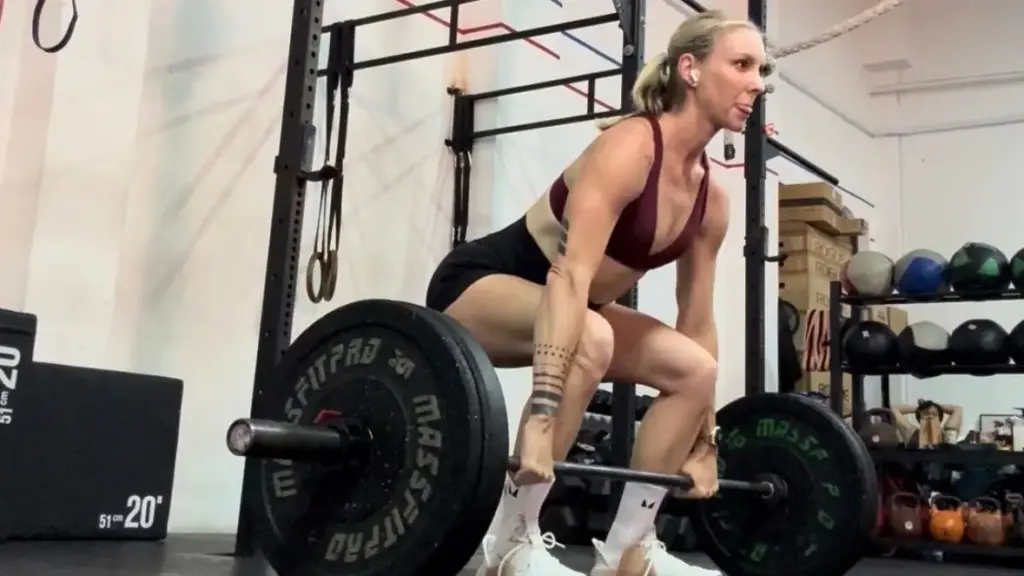
Lim kicks off the traditional workweek by prioritizing her lower body. Heavy compound movements like squats, deadlifts, and lunges build foundational strength, protect joint integrity, and stimulate the metabolic benefits associated with dense lower-limb musculature. - Tuesday (8:30 AM) – Upper-Body-Focused Strength Workout
The upper body takes center stage on Tuesday, utilizing pushing and pulling mechanics to preserve bone density in the wrists, arms, and spine, while ensuring muscular balance across the torso. - Wednesday (1:00 PM) – Postpartum Core Rehab
Mid-week brings a specialized focus that many fitness enthusiasts overlook. Lim incorporates targeted deep core, pelvic floor, and postpartum rehabilitation protocols to maintain functional integrity from the inside out. - Thursday (5:00 PM) – Active Recovery Walking
Moving away from heavy loads, Thursday evening is dedicated to low-intensity locomotion. Walking serves as an active recovery tool, clearing metabolic waste from previous workouts while keeping daily step counts high. - Friday (7:00 AM) – High-Intensity Running Intervals
To stimulate cardiovascular adaptability and push aerobic capacity, Friday morning introduces high-intensity running intervals. This challenges the heart and lungs, boosting VO2 max—a key biometric predictor of long-term health and survival. - Friday (6:00 PM) – Yoga
Balancing the high-octane energy of her morning run, Friday evening transitions into a restorative yoga practice. This promotes nervous system down-regulation, mobility, and fascial release heading into the weekend. - Saturday (10:00 AM) – Power-Focused Workout
Saturday is dedicated to explosive power development. By incorporating speed and force production into her movements, Lim trains her neuromuscular system to react quickly—a vital capability for injury prevention as we age. - Sunday (9:00 AM) – Zone Two Run
The week concludes with a steady-state, moderate-effort "Zone Two" run. This endurance-building session enhances mitochondrial function and burns fat as a primary fuel source, laying the groundwork for aerobic efficiency without overtaxing the central nervous system.
Supporting Context & Metrics: Redefining Fitness Beyond the Scale
Lim’s comprehensive routine is informed by her daily reality as a mother. With her youngest child just two and a half years old, her fitness framework accounts for the physiological shifts of both late postpartum recovery and the transition into perimenopause.
"Moms think about [core and pelvic floor health] right after they have the babies, but they don’t think about it as part of their long-term fitness strategy," Lim explains. "I’m just riding that wave into perimenopause, and this is basically when all of the things that you experienced during postpartum come back."
To help individuals build a sustainable fitness routine modeled around these realities, Lim outlines five foundational principles that shift the paradigm away from aesthetic obsession and toward functional longevity.
1. Don’t Track Your Progress on the Scales
In a culture obsessed with weight loss, Lim advocates for an immediate decoupling of body weight from health assessments.
"We have to separate the number on the scale—the weight of our bodies—from the assessment of our health, because those two things don’t typically track beautifully together," Lim notes. Instead of letting a fluctuating scale dictate self-worth, she encourages individuals to measure progress through physical capabilities, such as increasing lifting capacities or building functional muscle mass.
2. Embrace the Benefits of Being a Beginner
Perfectionism often paralyzes people before they even step foot in a gym. Lim encourages a mindset shift that welcomes the awkwardness of starting fresh.
"New beginnings are magic," she says. "Beginners actually see a greater delta in their initial muscle development than trained athletes like myself, so they get more for their money in the early days."
3. Learn a New Skill
Physical training should stimulate the mind just as much as the body. Lim emphasizes that mastering novel physical movements can profoundly alter one’s perception of aging.
"Learning something like a cartwheel or how to kick up into a handstand—mastering a new skill—especially as you age, really unlocks that next level of capability that you maybe thought was behind you," she asserts.
4. Start Walking
When coaching absolute beginners, Lim keeps her advice radically accessible.
"The first piece of advice for any beginner is to get walking because that’s a fundamental human movement that we all need to do," she explains. Rather than prescribing intimidating hours on a treadmill, she suggests starting small: "If you have no other form of exercise in your life, get outside for a five-minute walk. Start with five minutes. If you start with that, your probability of success is almost 100%."
5. Have Self-Compassion
Traditional lifestyle medicine recognizes six core pillars of health: nutrition, sleep, physical activity, stress management, social connection, and minimizing exposure to harmful substances. However, Lim argues that contemporary frameworks have left out a crucial element.
"I always say the seventh pillar of lifestyle medicine is self-compassion," Lim states. "You have to be able to forgive yourself for not rising to the level of your goals, and you need to be able to find a way to continue even in the worst of times."
Official Statements & Expert Insights
Lim’s philosophy aligns with a broader paradigm shift within the medical and wellness communities. Gerontologists, metabolic health researchers, and exercise physiologists are increasingly emphasizing "health span"—the number of years a person lives free from chronic disease and debilitating physical decline—over mere life span.
By focusing on a blend of resistance training (to combat sarcopenia, the age-related loss of muscle mass) and zone two cardio (to optimize metabolic flexibility), experts validate Lim’s seemingly "boring" routine. Furthermore, her integration of pelvic floor preservation and core stability addresses an underserved demographic: women navigating the intersection of postpartum recovery and mid-life hormonal transitions.
Medical literature increasingly supports the inclusion of self-compassion and mental resilience in chronic disease prevention protocols. As Lim points out, the psychological burden of rigid fitness standards often leads to burnout and abandonment of healthy habits altogether. Cultivating grace and adaptability acts as a psychological armor, ensuring long-term adherence.
Future Outlook: The Shift Toward Sustainable Longevity
As the wellness landscape matures, the loud, extreme fitness models of the past are beginning to give way to evidence-based, sustainable longevity practices. Amanda Lim’s trajectory at liftCLINIC mirrors this evolution.
The future of health and fitness is not found in high-risk trends or punishing extremes, but in the unglamorous, daily commitment to functional movement, metabolic resilience, and deep physical self-care. By treating exercise as a lifelong relationship with the body—rather than a short-term tool for aesthetic transformation—individuals can protect their autonomy, mobility, and vitality well into their later decades.
Ultimately, Lim’s message is an empowering one: you do not need a complicated, high-stakes fitness regime to build a resilient body. You simply need to start where you are, walk out the door, lift weights with intention, and grant yourself the grace to keep moving forward, one steady step at a time.