Executive Overview
In the fast-paced ecosystem of contemporary fashion, trends rarely disappear; rather, they hibernate, waiting for the precise cultural and aesthetic moment to reassert their dominance. The latest and perhaps most pervasive manifestation of this cyclical phenomenon is the total resurrection of the headband. Long relegated to the nostalgic margins of late-20th-century photo albums and school uniform requirements, the accessory has reclaimed its throne at the zenith of high fashion, street style, and celebrity culture.
From the front rows of Copenhagen and Berlin Fashion Weeks to the meticulously curated Instagram feeds of modern style arbiters like Hailey Bieber and Bella Hadid, headbands have transitioned from practical hair-management tools to definitive statements of luxury and personal branding. This resurgence is not merely a lazy recycling of past motifs. Instead, it represents a sophisticated synthesis of utility and high-end design, fueled by social media virality, celebrity endorsements, and a collective consumer desire for low-maintenance yet high-impact styling solutions.
This comprehensive report examines the anatomical revival of the headband trend, dissecting its historical roots, analyzing the mechanical and aesthetic variations dominating current runways, and offering professional insight into how everyday consumers and celebrity stylists alike are redefining modern hair accessorizing.

Detailed Chronology and Evolution of the Trend
The journey of the modern headband revival did not happen overnight; it has been methodically constructed through a series of micro-trends, red-carpet appearances, and streetwear moments over recent seasons.
The Groundwork: Nostalgia and the Street Style Pipeline
The initial whispers of the headband renaissance began in the digital sphere, driven by an insatiable market appetite for 1990s and Y2K nostalgia. Fashion insiders and Gen Z trendsetters alike began combing through thrift stores and vintage archives, unearthing pieces that had previously been cast aside.
The turning point arrived when modern style icons began incorporating these throwback pieces into their daily wardrobes. Hailey Bieber breathed new life into the iconic 1990s zigzag headband. Known for its distinctive, interlocking plastic teeth, the zigzag band had previously been viewed as a functional relic used primarily during face-washing routines or casual lounging. Bieber’s styling of the piece—pairing it with polished manicures, sleek updos, and effortless casualwear—transformed it instantly into a coveted accessory. By keeping bangs securely off the face while injecting a dynamic geometric shape into the hair, the zigzag band proved that vintage functionality could be married seamlessly with contemporary chic.

The Athletic-Chic Fusion
Simultaneously, the wellness and athleisure movements played a critical role in normalizing the everyday wear of hair accessories. Celebrities like Bella Hadid demonstrated how technical utility could intersect with high fashion during the transitional seasons. Spotted on the streets of fashion capitals like Paris, Hadid popularized the "sweat-proof bun" paired with a wide cotton headband.
This particular styling choice addressed a deeply relatable modern dilemma: how to transition from a high-intensity workout or a rushed morning commute to a polished public appearance without sacrificing a fresh blowout. By anchoring a low, sleek bun with a robust cotton band, trendsetters managed to protect both their skin from sweat droplets and their hairstyles from humidity and frizz, establishing a blueprint for effortless, on-the-go styling.
Runway Domination and Red-Carpet Adaptations
As the trend matured, it graduated from casual street style to the high-stakes environments of international runways and global film premieres. Designers at Berlin and Copenhagen Fashion Weeks for Spring/Summer collections integrated various iterations of the headband into their main presentations, signaling to buyers and editors that the trend had long-term commercial viability.

On the red carpet, the aesthetic evolved into ethereal territory. A prime example occurred during the Paris premiere of the film The Odyssey, where Zendaya captivated onlookers with a magnificent halo braid. This moment catalyzed a massive surge in demand for braided hairstyles. Recognizing that not all consumers possess the hair length or styling dexterity required to execute an intricate halo braid from scratch, celebrity stylists stepped in to bridge the gap. Master stylists like Stephanie Angelone of RPZL popularized accessible luxury alternatives, such as the RPZL Braided Headband, allowing everyday enthusiasts to replicate red-carpet grandeur with minimal effort.
Supporting Context, Mechanics, and Aesthetic Variations
The contemporary headband market is characterized by incredible diversity. Far from being a monolithic accessory, the modern headband spans several distinct categories, each serving a unique aesthetic and practical purpose.
1. The 90s Zigzag
- Mechanism: Interlocking plastic or flexible teeth that weave through the hair, holding back layers while creating a distinct, textured pattern across the crown.
- Appeal: Offers maximum hold with zero slip, making it ideal for active days while adding a playful, retro geometry to the silhouette.
2. The Sweat-Proof Athletic Band
- Mechanism: Wide, absorbent cotton, jersey, or performance-blend fabric bands designed to encircle the hairline.
- Appeal: Merges the worlds of fitness and fashion. It shields the face from perspiration while anchoring sleek updos, low buns, and ponytails.
3. The Halo Braid Hack
- Mechanism: Pre-braided synthetic or human-hair headbands color-matched to the wearer’s tresses, designed to slip on like a traditional band while creating the illusion of an intricate crown braid.
- Appeal: Democratizes complex red-carpet hair trends, enabling individuals with short-to-medium hair to achieve elaborate, romantic updos instantly.
4. The Classic Minimalist Headband
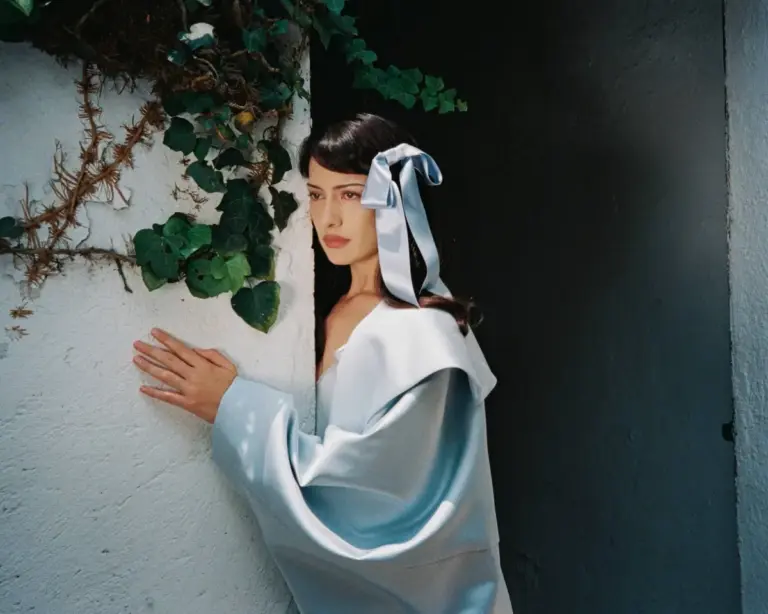
- Mechanism: Rigid or semi-flexible bands covered in silk, satin, velvet, or fine leather, often tracing back to the timeless elegance popularized by style icons like Carolyn Bessette-Kennedy.
- Appeal: Epitomizes quiet luxury. It provides a clean, sophisticated frame for the face, requiring virtually no styling skill to execute successfully.
5. The Scarf Strand Hybrid
- Mechanism: Long, narrow silk or satin scarves tied or pinned across the crown, with the excess fabric allowed to cascade down the shoulders and back.
- Appeal: Blurs the line between headwear and jewelry. As the scarf strands flutter with movement, they introduce an element of dynamic theatricality and softness to the overall look.
6. Face-Framing Tendrils
- Mechanism: A hybrid styling technique where a headband (of any variety) secures the bulk of the hair, while intentional, wispy strands are pulled out to frame the temples and jawline.
- Appeal: Softens the severity of a pulled-back hairstyle, injecting a deeply romantic, feminine, and effortlessly undone vibe reminiscent of late-90s red-carpet glamour.
Official Statements and Industry Insights
The longevity and cultural weight of the headband renaissance are corroborated by top-tier beauty and style professionals who witness the shift firsthand in salons and on-set productions.

According to Stephanie Angelone, a master celebrity stylist at RPZL, the democratization of high-end hair trends is the primary driver behind the accessory’s current market saturation:
"Braids are one of the defining hair trends in recent seasons, consistently appearing on high-fashion runways and international red carpets alike. However, achieving these looks naturally requires significant length and time. If you don’t have medium-to-long hair, you can easily fake the same look with sophisticated hair pieces like the RPZL Braided Headband, which bridges the gap between celebrity styling and everyday wearability."
Furthermore, industry analysts point to the post-pandemic craving for "low-effort, high-reward" fashion items as a catalyst for the trend. Retail destinations and specialty apothecaries—such as C.O. Bigelow, which experienced a massive surge in demand following renewed public fascination with minimalist style icons like Carolyn Bessette-Kennedy—report that consumers are increasingly investing in classic, durable accessories that elevate simple outfits instantly.

Beauty psychologists note that accessories like headbands act as psychological framing devices. By drawing attention upward toward the eyes and face, they create an immediate focal point that conveys intentionality and grooming, even when the rest of the personal care routine is kept minimal.
Future Outlook: The Evolution of Hair Accessories
As we look toward upcoming fashion cycles, the headband has firmly graduated from a fleeting viral moment to a staple category within the accessories market. Industry projections suggest several key developments for the near future:
- Smart Textiles and Functional Integration: With the growing popularity of wearable tech and wellness-focused fashion, future iterations of athletic and casual headbands may incorporate integrated audio technology, moisture-wicking smart fabrics, or aromatherapy-infused textiles.
- Sustainable and Circular Materials: As consumer consciousness shifts toward circular fashion, brands are expected to produce headbands crafted from upcycled deadstock fabrics, biodegradable acetates, and ethically sourced organic cottons.
- Bridal and Formal Customization: The "halo braid" and "scarf strand" trends are rapidly encroaching upon the bridal market. Designers are creating bespoke, heirloom-quality headbands embedded with pearls, crystals, and custom silk embroidery to replace traditional veils and complicated wedding updos.
Ultimately, the headband renaissance proves that true style is a dialogue between memory and innovation. By taking functional artifacts of the past and reinterpreting them through the lens of modern luxury, contemporary fashion has transformed a humble hair-management tool into an enduring symbol of effortless elegance.