Executive Overview
The modern cosmetic landscape is experiencing a fundamental philosophical shift. For decades, traditional foundation reigned supreme as the undisputed anchor of any makeup routine, prized for its ability to mask imperfections, unify uneven skin tones, and create a flawless canvas. However, as consumers increasingly prioritize skin health, minimalist routines, and "no-makeup" aesthetics, a new category has surged to the forefront: the skin tint.
Far more than a diluted foundation, the contemporary skin tint represents the intersection of makeup and dermatology. Packed with skincare-grade actives, featherlight textures, and sheer yet buildable pigments, these hybrid products cater to a generation of consumers who demand that their cosmetics actively work to improve their skin rather than merely cover it.
Yet, choosing between a traditional foundation and a modern skin tint involves more than a simple preference for coverage. It requires understanding formulation chemistry, skin biology, and the distinct performance metrics that separate a high-end cosmetic from a pore-clogging hazard. To demystify this beauty dilemma, beauty experts, dermatologists, and professional makeup artists are weighing in on how these products function, what ingredients to look for, and how rigorous testing methodologies ensure that consumers make informed investments in their beauty regimens.
Detailed Chronology: The Evolution of Base Makeup
To understand why skin tints have captured the market share—and why traditional foundations continue to hold their ground—it is helpful to look back at the historical trajectory of facial base cosmetics.
The Era of Heavy Coverage (Mid-to-Late 20th Century)
For generations, the primary goal of face makeup was opacity. Formulations relied heavily on waxes, heavy oils, and dense mineral powders to create a uniform, matte finish. While highly effective at concealing hyperpigmentation, blemishes, and texture, these heavy-handed formulations often came with a hidden cost: clogged pores, accelerated transepidermal water loss, and formulas that settled aggressively into fine lines and wrinkles. For individuals with mature or dry skin, finding a foundation that did not exacerbate texture was a perpetual challenge.
The BB and CC Cream Boom (Early 2010s)
The precursor to the modern skin tint arrived in the form of Blemish Balm (BB) and Color Correction (CC) creams, imported largely from Asian beauty markets into Western retail spaces. These products introduced the concept of multitasking cosmetics, combining light coverage with hydration and sun protection. While revolutionary for the time, early iterations often suffered from severely limited shade ranges and gray undertones, limiting their universal appeal.
The Skincare-Makeup Hybrid Revolution (Present Day)
Today’s skin tints bear little resemblance to the chalky BB creams of the past. Enabled by advancements in cosmetic chemistry, modern brands have learned how to suspend high-performance skincare actives—such as hyaluronic acid, squalane, niacinamide, and vitamin C—within micro-pigment matrices. The result is a category of products that delivers sheer, second-skin radiance while actively repairing the skin barrier, managing inflammation, and locking in moisture.
Concurrently, traditional foundation has not remained stagnant. Today’s luxury and indie foundation lines are increasingly infused with skincare ingredients, offering long-wear capabilities alongside hydration, bridging the gap between heavy coverage and skin-nurturing comfort.
Supporting Context & Metrics: Decoding the Science of Skin Tints vs. Foundations
Navigating the aisle between foundation and skin tint requires a granular understanding of how these formulas are constructed and how they interact with different skin types.
Pigment Levels and Skin-Care Perks
The primary differentiator between foundation and skin tint lies in the inverse relationship between pigment load and skincare infusion:
- Foundations: Engineered to deliver medium-to-full coverage. To achieve this opacity, they utilize higher concentrations of mineral and synthetic pigments, often paired with setting powders or mattifying agents. While modern foundations have evolved to include hydrating serums, the heavy pigment load and setting powders can sometimes settle into fine lines—making product selection critical, particularly for mature skin.
- Skin Tints: Designed for minimal coverage and maximum skin-nurturing benefits. Because they contain fewer heavy powders and opaque pigments, they feel virtually weightless on the face. Their fluid, highly hydrating bases make them an ideal choice for dry, textured, or mature skin types that easily feel suffocated by thick layers of traditional makeup.
The Power Duo: Tandem Application
Rather than viewing foundation and skin tint as mutually exclusive, professional makeup artists increasingly advocate for a hybrid approach.
"I can easily see myself using a tint as a priming step to even the skin, and adding coverage with foundation and concealer where needed," explains New York City-based makeup artist Tommy Napoli. By deploying a skin tint across the entire face to neutralize overall redness and boost radiance, a wearer can then spot-treat blemishes or dark circles with a higher-coverage foundation or concealer precisely where it is required.
However, Napoli notes a critical technical caveat: if you layer fuller-coverage products on top of a dewy tint, locking the complexion in place with a translucent setting powder is essential to prevent sliding and creasing throughout the day.
Official Statements & Expert Insights: What Dermatologists Recommend
When evaluating the safety and efficacy of complexion products, dermatological science provides invaluable guidance. Skin tints, in particular, are judged not just by how they look under studio lighting, but by how their active ingredients influence skin biology over time.
The Healing Power of Hyaluronic Acid
For consumers prone to dehydration, dermatologists frequently point to formulations featuring hyaluronic acid. "Hyaluronic acid is great at holding water and giving skin resilience and firmness," notes New York City-based board-certified dermatologist Dr. Doris Day. By drawing moisture from the environment into the upper layers of the epidermis, hyaluronic acid-infused tints help maintain a plump, youthful appearance throughout the day.
Squalane and the Skin Barrier
Disrupted skin barriers—characterized by flaking, irritation, and sensitivity—can make wearing makeup a painful endeavor. Palm Beach, Florida-based board-certified dermatologist Dr. Samantha Fisher highlights squalane as a hero ingredient for compromised complexions.
"Squalane aids in skin-care problems wherein the skin barrier is disrupted and transepidermal water loss is an issue," Dr. Fisher explains. Because it is naturally lightweight, non-comedogenic, and entirely odorless, even individuals with hyper-sensitive skin can reap the barrier-repairing rewards of squalane-based cosmetics.
Niacinamide and Mineral SPF Protection
Evaluating specific formulations, such as Ilia’s popular Super Serum Skin Tint, New York City-based board-certified dermatologist Dr. Hadley King breaks down the multifaceted benefits of advanced actives.
"Niacinamide brightens tone and increases the skin’s production of ceramides, which in turn can prevent moisture loss," Dr. King notes. Furthermore, she highlights the inclusion of mineral sunscreens, such as non-nano zinc oxide, as a functional skin-care bonus.
However, dermatological consensus maintains an important caveat regarding sun protection: while SPF-spiked skin tints offer an extra layer of defense, consumers should never rely on makeup alone. Applying a dedicated, standalone sunscreen with an SPF of 30 or higher remains non-negotiable for adequate UV protection.
The Editorial Testing Methodology: How Products Earn Their Reputation
In a saturated beauty market, consumers are right to be skeptical of glowing brand claims. To separate marketing hyperbole from genuine performance, top-tier beauty publications like Allure employ rigorous, multi-faceted testing protocols.
1. The Five Core Pillars of Evaluation
When vetting skin tints, foundations, and other complexion products, editorial boards evaluate performance across five primary categories:
- Ingredients & Efficacy: Assessing the quality of active skincare ingredients and verifying whether the product delivers on its core promises (e.g., hydration, brightening, blurring).
- Packaging: Ensuring that containers—whether pumps, droppers, or squeeze tubes—protect sensitive active ingredients from degradation while offering ease of use.
- Fragrance: Reviewing the presence and impact of scents, prioritizing hypoallergenic or fragrance-free options for sensitive skin users.
- Texture: Analyzing the spreadability, weight, and finish of the formula upon initial application.
- Product Wear: Conducting stress tests to observe how the product holds up against sebum production, humidity, fading, and creasing over a 12-hour period.
2. Diverse Testing Panels
A beauty product is inherently personal; a formula that performs brilliantly on oily, twenty-something skin may pill or separate on dry, mature skin. Consequently, testing methodologies rely heavily on demographic diversity.
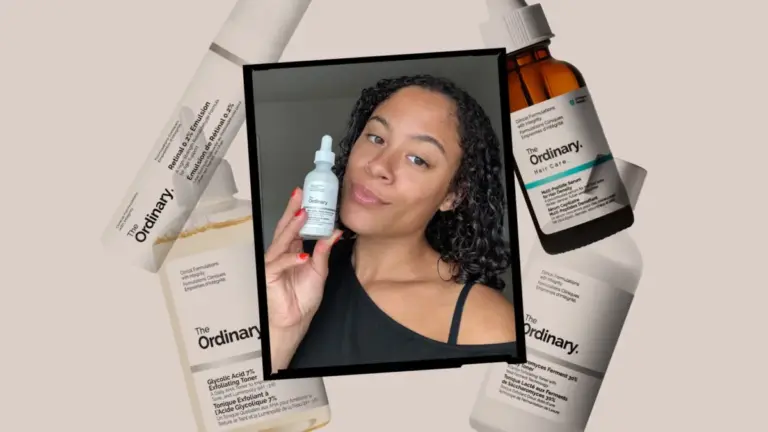
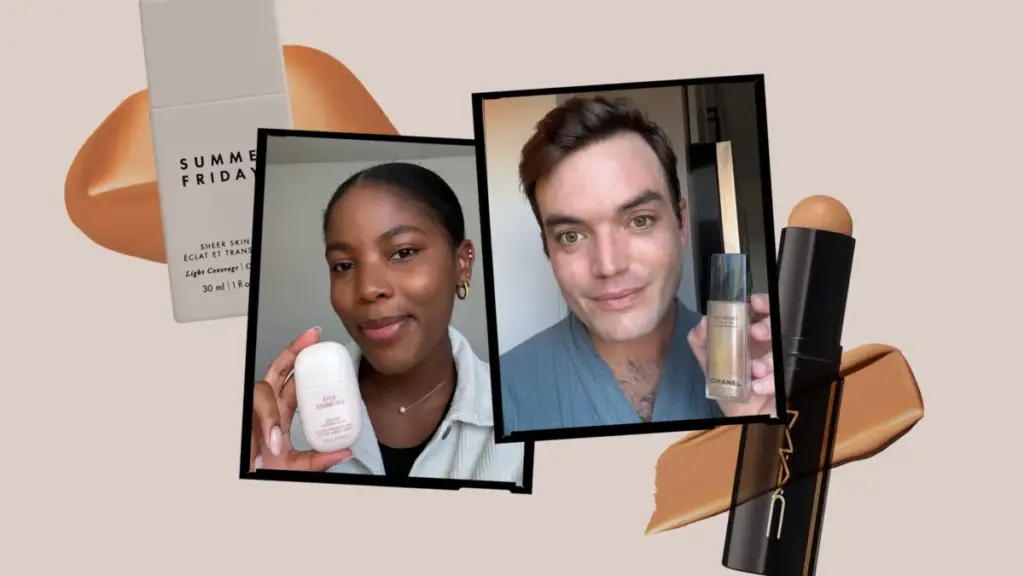
Editorial teams, in collaboration with outside testers, cosmetic chemists, and makeup artists, ensure that products are evaluated across a wide spectrum of ages, skin tones, hair textures, and skin types. A product cannot genuinely be labeled "the best for mature skin" unless it has been rigorously tested by individuals over 50, just as a luxury hair product must be evaluated across diverse curl patterns before earning a recommendation.
Future Outlook: Where the Beauty Industry Is Headed
As we look toward the future of cosmetics, the boundary between skincare and makeup will continue to dissolve entirely. The success of skin tints signals a permanent shift in consumer expectations: makeup can no longer just look good; it must actively care for the skin underneath.
We can anticipate several key developments in the coming years:
- Advanced Biomimetic Ingredients: Formulators will increasingly incorporate peptides, postbiotics, and advanced delivery systems into base makeup, allowing skin tints to function effectively as true anti-aging treatments.
- Inclusive Shade Extensions: As consumer demand for universal representation grows, brands will face mounting pressure to offer nuanced undertones in sheer formulations, ensuring that lightweight tints adapt seamlessly to deep and olive complexions without looking gray or chalky.
- Sustainable and Clean Packaging: With eco-consciousness driving purchasing decisions, the industry will pivot further toward recyclable glass, airless pump technology that reduces waste, and refillable skin tint pods.
Ultimately, whether you choose the high-opacity perfection of a classic foundation or the lightweight, skincare-infused radiance of a modern skin tint, the modern beauty consumer is empowered with more knowledge, better ingredients, and higher standards than ever before.