Executive Overview
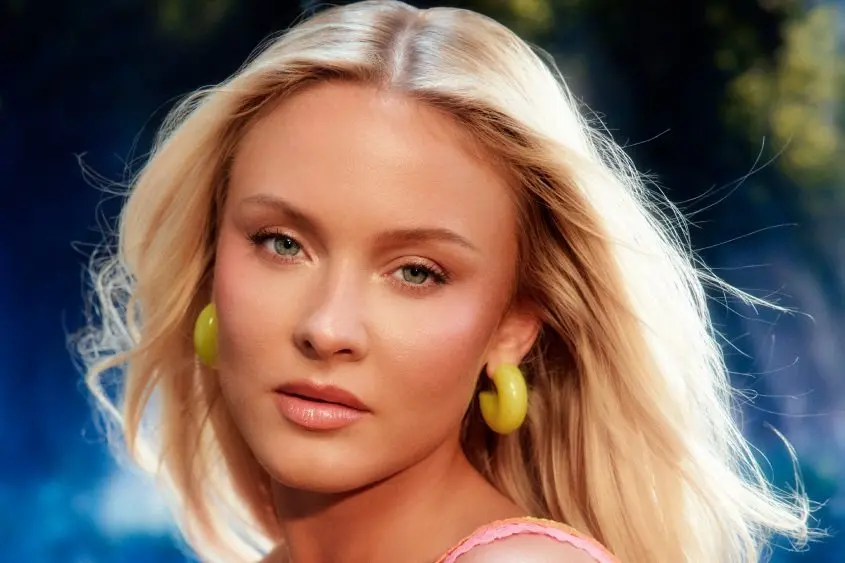
In an era where political messaging and social media culture continually collide, the intersection of pop music and state propaganda has become a primary battleground for ideological influence. Swedish pop sensation Zara Larsson has emerged as one of the most vocal critics of the current political administration following the unauthorized use of her hit song “Midnight Sun” in a controversial TikTok post produced by the White House. The video, which depicted Immigration and Customs Enforcement (ICE) agents executing raids, handcuffing individuals, and carrying out deportations under the chilling banner "Never ending deportations," has ignited a fierce public debate over copyright, artistic integrity, and the weaponization of entertainment for political agendas.
Larsson’s swift and impassioned response—delivered via her personal TikTok account—challenged not only the appropriation of her art, but also the underlying humanity of the state’s immigration policies. Pointing out the stark disparities of geographic luck, the Swedish singer argued that the individuals targeted in the viral video are ordinary workers striving for a better future, rather than faceless entities to be meme-ified for political points.
This incident is not an isolated occurrence. It is part of a broader, escalating pattern of the White House appropriating popular music without artist consent to promote hardline immigration enforcement. Earlier this year, Larsson’s smash hit “Lush Life” was similarly co-opted in a promotional video featuring President Donald Trump, drawing a fiery rejoinder from the artist. As prominent musicians like Ariana Grande join the chorus of condemnation—denouncing the "barbaric, inhumane, heinous nonsense" of ICE operations set to pop anthems—the entertainment industry finds itself at a crossroads. This comprehensive report examines the chronology of the controversy, the broader socio-political context of unauthorized campaign music use, the economic and legal dimensions of social media copyright, and the future outlook for artists navigating the treacherous waters of political polarization.
Detailed Chronology: From Viral Propaganda to Artistic Condemnation
The latest flashpoint in the ongoing cultural war between contemporary artists and the federal government unfolded on a standard weekday afternoon, moving at the lightning-fast pace characteristic of modern digital platforms.
The White House TikTok Post
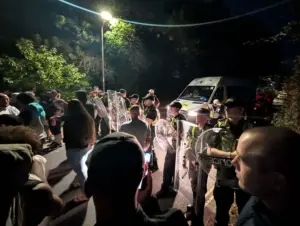
The controversy began when the official White House social media team published a short-form video on TikTok. Set to the breezy, atmospheric instrumentation of Zara Larsson’s acclaimed track “Midnight Sun,” the video showcased aggressive law enforcement tactics. It featured dramatic cuts of ICE agents wearing tactical gear, detaining suspects, placing individuals in handcuffs, and executing deportations. Superimposed text across the screen read in bold, celebratory lettering: "Never ending deportations."
For millions of users scrolling through the platform, the juxtaposition of an ethereal, nature-focused pop song with harrowing footage of human displacement was jarring. Within hours, the video had amassed hundreds of thousands of views, drawing sharp criticism from civil rights advocates before catching the attention of the song’s creator.
Zara Larsson’s Digital Retaliation
Faced with the weaponization of her creative output, Larsson took to her own TikTok profile to deliver an unfiltered, emotionally charged rebuttal. Holding a literal “L” to her forehead—a tongue-in-cheek gesture of defeat aimed squarely at the video’s creators—the singer articulated a deeply empathetic perspective.
"I’m just sad," Larsson told her followers, her voice heavy with emotion. "My heart is heavy seeing that, because I wish I could speak to whoever made that video. I wish I could talk to you, and I wish I could help you remember that you and I, we aren’t that different. And we’re not that different from the people in the video, either. The biggest difference between us is that we were dealt a different hand in life."
Reflecting on her upbringing in Sweden, Larsson emphasized the arbitrary nature of geographic privilege: "I consider myself so lucky with the life that I’ve been dealt. The fact that I’m born in Sweden, I’ve had an education and I’ve had all these opportunities just sort of laid out in front of me. I get to travel and do all these amazing things. That’s luck. There are people out there who are not that lucky, and they want to have a better life for their families."
She went on to dismantle the criminalizing rhetoric surrounding undocumented status, pointing directly to the human reality captured—yet minimized—in the government’s clip. "These people in the video are real people. There’s a fucking guy in there with construction wear. He’s working. These people who are undocumented are regular people with jobs, and they’re just trying to have a better future. It’s so crazy how everything is so meme-ified, especially ‘Midnight Sun,’ which is about feeling connected to nature, the universe and people. And this just creates this massive divide between people. It’s so fucking uncool. You guys are such fucking losers."
A History of Tensions
This confrontation follows an earlier incident earlier in the year when the White House utilized Larsson’s multi-platinum track “Lush Life” to accompany footage of President Donald Trump dancing. That video was layered with text celebrating aggressive law enforcement, prominently featuring the declaration: "WE LOVE ICE and our law enforcement!"
At that time, Larsson utilized her Instagram stories to issue a sweeping, unvarnished rebuke of the administration’s platform and tactics. Her statement read: "I love immigrants, I love criminals, I love trans people, I love abortions, I love queers, I love slutty women, I love contraception, I love welfare, I love socialism, I fucking hate ICE."
Supporting Context & Metrics: The Intersection of Music, Politics, and Copyright
To fully understand the gravity of Zara Larsson’s public stand, one must examine the broader ecosystem of political campaigns utilizing pop music on short-form video platforms like TikTok, Instagram Reels, and YouTube Shorts.
The Weaponization of Short-Form Video
In the digital age, statecraft and political communication have shifted from formal press releases to viral video formats designed for algorithmic optimization. Platforms like TikTok rely heavily on trending audio tracks to boost content visibility. By pairing official government policy messaging with chart-topping pop songs, administrative accounts attempt to humanize, normalize, and gamify state actions—including immigration enforcement, border walls, and deportations.
However, this tactic frequently collides with the personal and artistic values of the musicians who create the content. For artists like Zara Larsson, whose catalog often explores themes of unity, personal liberation, and human connection, having their work utilized to promote state-sanctioned fear and separation represents a profound violation of artistic intent.
The Broader Industry Backlash
Larsson is far from alone in her frustration. The unauthorized use of copyrighted music by political figures—regardless of party affiliation—has sparked a wave of condemnation across the global music industry.
Most recently, pop superstar Ariana Grande publicly blasted the White House after her track “bye” was featured in a nearly identical TikTok video documenting ICE arrests and detentions. Grande did not mince words in her public comment addressing the federal agency’s social media division:
"Please do not ever use my music in relation to this barbaric, inhumane, heinous nonsense," Grande wrote, concluding her statement with the blunt declaration: "Fck ice."
Other notable artists—including Neil Young, The Rolling Stones, Queen, and Rihanna—have historically fought similar legal and public battles against politicians who appropriate their anthems for rallies, campaign stops, and digital propaganda without securing proper synchronization licenses or artist permissions.
Legal and Platform Realities
Under standard copyright law, the unauthorized synchronization of a musical composition and sound recording for commercial or promotional purposes constitutes copyright infringement. However, political entities frequently exploit grey areas within platform licensing agreements. Social media platforms like TikTok maintain blanket licensing agreements with major music publishers and performance rights organizations (PROs) such as ASCAP, BMI, and SESAC.
While these umbrella licenses often allow general users to incorporate snippets of copyrighted tracks into organic, user-generated content, the application of these licenses to official government accounts used for political messaging remains legally ambiguous and fiercely contested. Music publishers and legal scholars argue that government bodies utilizing copyrighted material for explicit political propaganda cross the line from standard user engagement into commercial-style endorsement and unauthorized synchronization, opening the door to potential cease-and-desist orders, takedown requests, and copyright lawsuits.
Official Statements and Public Impact
The exchange between Zara Larsson and the White House has reverberated far beyond the confines of the entertainment industry, igniting debates across mainstream news outlets, political talk shows, and digital rights forums.
The White House Defense and Silence
Thus far, representatives for the White House press office and the administration’s digital media strategy team have declined to issue a formal, on-the-record response to Larsson’s criticisms or Grande’s recent condemnation. Historically, administration officials defend such social media posts as creative expressions of official policy or protected political speech, designed to communicate the enforcement priorities of the executive branch to younger, digital-first demographics.
However, the silence from official channels stands in stark contrast to the overwhelming public engagement generated by the artists’ rebukes. Larsson’s TikTok video addressing the controversy garnered millions of views, likes, and supportive comments within hours of posting, showcasing the immense cultural reach independent artists hold compared to institutional communications departments.
Advocacy and Humanitarian Outcry
Immigration advocacy groups and human rights organizations have praised Larsson and Grande for using their immense platforms to challenge dehumanizing depictions of undocumented immigrants. Civil rights advocates point out that framing systemic deportations as viral entertainment strips away the dignity of vulnerable populations, reducing human lives—many of whom are integral members of local economies, workforces, and communities—to political props.
"When government agencies meme-ify human suffering and forced family separation, it desensitizes the public to cruelty," noted a spokesperson for a national immigrant rights coalition. "Artists like Zara Larsson reminding the public of our shared humanity and the sheer luck of birth are performing a vital public service. They are cutting through the noise of state propaganda with a message of fundamental empathy."
Future Outlook: Navigating the New Frontier of Digital Campaigning
As the digital landscape continues to evolve, the friction between political entities and the creative community is projected to intensify. Several key trends will likely shape how this dynamic plays out in the coming years:
-
Stricter Platform Enforcement: Music publishers and artist management teams are expected to pressure social media giants like TikTok, Meta, and X to implement geofencing and account-type restrictions. These measures would prevent verified government accounts and political campaigns from accessing or utilizing copyrighted music under standard consumer licenses, forcing political entities to secure direct synchronization rights.
-
Proactive Artist Activism: Musicians are increasingly adopting pre-emptive stances regarding their catalogs. Many artists are drafting explicit riders and public policy guidelines restricting the use of their art by political actors, ensuring swift legal recourse when unauthorized content is published.
-
The Rise of Explicitly Political Art: Rather than remaining passive victims of copyright appropriation, artists are likely to double down on using their platforms to produce explicitly counter-narrative content. As demonstrated by Larsson’s direct, unvarnished video essays, pop stars are increasingly bypassing traditional PR channels to speak directly to their audiences, fusing personal branding with socio-political advocacy.
Conclusion
Zara Larsson’s fierce condemnation of the White House’s unauthorized use of “Midnight Sun” serves as a powerful reminder of the tensions defining modern cultural politics. By stripping away the bureaucratic euphemisms of immigration enforcement and reframing the debate around basic human empathy, geographic luck, and shared dignity, Larsson has challenged not only an administration’s social media strategy, but the broader cultural impulse to turn human lives into disposable memes. As artists continue to draw a hard line in the digital sand against the appropriation of their art for state propaganda, the battle lines between institutional power and creative freedom have never been clearer.