Executive Overview
The modern fragrance landscape has undergone a seismic shift, transforming from a traditional luxury accessory into an essential pillar of personal identity, emotional storytelling, and daily self-care. As we look ahead to the fall 2026 season, the impulse to refresh one’s scent rotation has never been more pronounced. Driven by an explosion of digital education on platforms like TikTok and Instagram, consumers are no longer passive buyers purchasing a single designer signature; they are active, highly literate fragrance architects building dynamic portfolios of scent.
Fueling this consumer revolution is a rapidly expanding market of independent, niche, and perfume-first houses. Mainstream heritage brands like Gucci, Prada, and Chanel now share retail dominance with experimental upstarts such as Byredo, Phlur, Le Labo, and Boy Smells. According to industry insiders, this democratization of raw materials and widespread perfumery education has unlocked a new era of ultra-personalized olfactive expression.
Fall 2026 marks a departure from loud, room-commanding power scents. Instead, the upcoming season centers on mood enhancement, tactile textures, unexpected savory-sweet gourmands, and intimate skin profiles. Industry authorities—including master perfumers and global brand founders—agree that this season is less about announcing one’s presence and more about translating inner worlds, memories, and personal wellness goals into bottled art.
Below is an authoritative, comprehensive breakdown of the 14 defining fragrance trends set to dominate beauty counters, digital feeds, and skin chemistry profiles in fall 2026.
Detailed Chronology: The Evolution of the Modern Perfume Consumer
To fully understand the trends defining 2026, one must examine the rapid cultural trajectory that brought the fragrance industry to this juncture.
The Digital Awakening (2022–2024)
The post-pandemic beauty boom saw an unprecedented influx of Gen Z consumers entering the fragrance market. Driven by viral beauty communities on TikTok, perfume transitioned from an analog luxury purchase into digital entertainment. Concepts like "scent-stacking," blind-buy reviews, and hyper-specific scent profiles (such as clean skin musks and heavy vanillas) became viral currency.
The Rise of Independent Experimentation (2025)
As mainstream formulas began to feel oversaturated, consumer appetite pivoted toward the unconventional. Independent perfumers capitalized on this fatigue. Access to high-grade raw materials allowed indie labs to experiment with unorthodox notes—ranging from industrial plastics and hot asphalt to fresh dairy and steamed rice. Fragrance became inextricably linked with fashion subcultures, functioning as the invisible final layer to a vintage leather jacket or a delicate silk slip dress.
The Era of Hyper-Personalization and Functionality (2026)
Today, the trajectory has culminated in a mature, highly intentional consumer base. Perfume is treated with the same meticulous curation as a skincare routine or capsule wardrobe. The 2026 consumer demands versatility, layering potential, and emotional resonance. Fragrances must perform multiple functions: they must smell exquisite, evoke a specific mood or wellness benefit, and interact seamlessly with adjacent body care products like lotions, oils, and hair mists.
Supporting Context & Metrics: The Shift Toward Niche and Experimental Formulations
The numbers and market shifts corroborate what is visible across social media and luxury department store floors. The market is witnessing a simultaneous boom in two distinct directions: highly concentrated, long-lasting luxury extraits, and playful, accessible body mists that facilitate daily experimentation.
According to independent perfumer Joey Rosin, who has crafted formulations for celebrity-backed lines such as Troye Sivan’s Tsu Lange Yor, the democratization of the craft has changed the competitive field:
"The proliferation of perfume education and the wide availability of materials means that there are more independent perfumers and brands… In a quest to smell like nobody else, we have more choices than ever to achieve that mission."
Mainstream heritage houses continue to command loyalty, but indie and niche houses are driving the cultural conversation. Consumers are investing in complex, multi-tiered formulations that reject linear dry-downs in favor of evolving, narrative-driven scent journeys. This appetite for novelty has directly shaped the 14 leading trends of fall 2026.
Official Statements & Expert Insights
Industry leaders are unanimous in their assessment of where the market is heading: a deeply psychological, tactile approach to perfumery.
-
Mona Kattan, Founder of Kayali:
"People today are choosing fragrances that truly connect with how they want to feel, whether that’s comfort, confidence, calmness, or simply a moment of joy in their day. We’re also seeing a new generation of fragrance lovers who are incredibly curious, experimental, and intentional. They enjoy building their own scent identities, playing with layering, and discovering blends that feel personal and authentic to them."
-
Octavia Morgan, Fragrance Expert and Founder of OCTAVIA MORGAN Los Angeles:
"In 2026, fragrance is less about announcing yourself and more about expressing your mood, your softness, and your inner world. Consumers want scents that hug them: warm, creamy, and nostalgic but with a modern, elevated twist that fits a more sophisticated lifestyle."
-
Mary Testa-Gough, Associate VP of Product + Fragrance Development at Bath & Body Works:
"Through the synergy of perfumers and flavorists, fruit notes are evolving beyond simple sweetness into visceral, textural expressions of nature. Advanced techniques and innovative captives allow us to capture the authentic burst of freshness, delivering a fragrance experience that feels juicy, pulpy, and mouthwatering—as if biting into ripe fruit."
-
Rosie Johnston, Founder and CEO of By/Rosie Jane:
"What I love about cardamom is the balance it brings. It offers a beautiful contrast of fresh and warm notes that elevate a classic profile."
The 14 Definitive Fragrance Trends of Fall 2026
1. Milky Perfumes
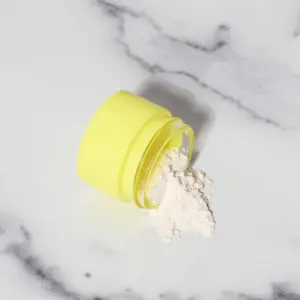
Offering a delicate profile that balances subtle sweetness with an intimate skin-like scent, milky perfumes have evolved from a viral novelty into a permanent fixture of modern perfumery. Pioneered by brands like DedCool and expanded by lines such as The Nue Co., this trend now influences not just scent profiles, but the actual physical textures and consistencies of skin-conditioning perfumes.
2. Fresh-Cut Grass
Earthy, verdant, and deeply nostalgic, fresh-cut grass notes are experiencing a major revival for fall 2026. Brands are leaning into this crisp, outdoor botanical profile—frequently pairing raw green grass notes with trending accords like matcha to create ultra-refreshing, dew-drenched formulations.
3. Absolute Perfumes
As daily perfume application becomes an integral part of personal grooming routines rather than a final touch, the market for high-concentration formulas has surged. "Absolutes" and high-potency Extraits de Parfum allow wearers to anchor single, linear notes—such as intense floral extracts or deep vanillas—making them ideal cornerstones for advanced scent-layering rituals.
4. Juicy Florals
Moving away from powdery, traditional florals, 2026 embraces bright, optimistic, and mouthwatering floral blends. According to experts, these notes combine fresh petals (such as dewy rose) with juicy orchard fruits like apricot, peach, and pear, telling a story of emotional revival and vibrant youthfulness.
5. Soft Cashmere Perfumes
Inspired by the tactile luxury of a fine knit sweater, cashmere scents provide a plush, velvety evolution of traditional skin scents. They offer a comforting, enveloping weight without feeling heavy or cloying, making them the ultimate transitional scent for crisp autumn days.
6. Spicy Cardamom & Ginger Perfumes
Warmth and comfort remain paramount, but they are sharpened with structural spice. Cardamom—with its complex echoes of ginger, mint, and cinnamon—brings a sophisticated, peppery heat to gourmands, cutting through sweetness to create an intriguing push-and-pull between fresh and cozy.
7. Matcha & Green Tea Perfumes
Serene, meditative, and effortlessly sophisticated, tea scents have secured a dominant position in contemporary collections. Matcha, in particular, delivers a creamy, vegetal green quality that blends seamlessly with musks and soft woods, offering a peaceful antidote to chaotic modern life.
8. Unconventional Fruit Perfumes
The boundaries of traditional fruity fragrances have expanded to include the entire grocery store produce aisle. Perfumers are looking beyond standard citrus and apple, experimenting with hyper-specific, realistic tropical fruits like guava, passion fruit, and even banana to craft playful, unexpected compositions.
9. Very Berry Perfumes
Raspberry, strawberry, and wild blueberry are taking center stage for fall 2026. Thanks to advanced scent-capture technology, these berry notes bypass artificial candy sweetness, delivering a pulpy, tart, and hyper-realistic burst of freshness that mimics biting into fruit freshly picked from the vine.
10. Elevated Gourmands (Coffee, Chocolate, & Toasted Nuances)
Gourmand lovers can rejoice, but with a sophisticated twist. Rather than simple cotton-candy sugar bombs, 2026 gourmands incorporate artisanal elements like roasted coffee beans, dark cacao, and toasted nuts. These additions introduce depth, smoky facets, and a sense of artisanal luxury.
11. Less Sweet, More Savory Perfumes
Pushing the boundaries of edible notes, perfumers are introducing savory profiles that would have shocked traditional consumers a decade ago. Steamed rice, coconut cream, and nutty accords are taking precedence over raw sugar, offering comforting, skin-hugging warmth with zero cloying sweetness.
12. Functional Fragrances
Bridging the gap between fine fragrance and aromatherapy, functional perfumery is designed to actively shift emotional states. Infused with notes meant to calm, uplift, or ground (such as herbal lavender and clean musks), these scents function as portable wellness rituals for stress relief and mindfulness.
13. Scent Layering & Customization
Supported by endorsements from cultural icons and predicted heavily by trend forecasters, scent-stacking is the defining application method of 2026. Consumers are building bespoke signatures by layering matching body oils, rich body creams, hair mists, and alcohol-based extraits to ensure longevity and dynamic sillage.
14. Sparkling & Fizzy Perfumes
Mimicking the effervescence of a favorite carbonated beverage, sparkling perfumes combine effervescent aldehydes and tart fruit extracts to create a physical sensation of fizz on the skin. Playful, bubbly, and radiant, these scents provide an immediate mood boost.
Future Outlook
As the fragrance industry moves beyond 2026, the boundaries separating wellness, skincare, and fine perfumery will continue to dissolve. The consumer of tomorrow is sophisticated, ingredient-conscious, and deeply expressive, utilizing scent as an invisible wardrobe that shifts fluidly with their environment, mood, and personal evolution.
Independent houses will continue to push experimental boundaries, forcing legacy heritage brands to innovate beyond traditional marketing tropes. Whether through functional formulations designed to soothe the nervous system or savory, hyper-realistic edible notes that challenge our definition of luxury, the future of scent is profoundly personal, boundary-pushing, and here to stay.