Executive Overview
In a swift and damaging diplomatic about-face, Lambeth Palace has revoked a prestigious interfaith award presented to a prominent Pakistani Muslim cleric. The decision comes in the wake of public outcry and fierce criticism from secular watchdogs after historical remarks praising al-Qaeda leader Osama bin Laden resurfaced.
Hafiz Muhammad Tahir Mehmood Ashrafi, a prominent Islamic scholar and former head of the Pakistan Ulema Council, was originally designated to receive the Hubert Walter Award for Reconciliation and Interfaith Cooperation. Presented by Dame Sarah Mullally on behalf of the Archbishop of Canterbury at Lambeth Palace in London, the honor was intended to recognize Ashrafi’s contributions to interfaith harmony in Pakistan. However, the timing of the ceremony—coinciding with the 25th-anniversary commemoration of the September 11 terrorist attacks—drew immediate and intense scrutiny.
Within hours of the ceremony, archival evidence emerged highlighting comments Ashrafi made in 2007, in which he suggested that bin Laden deserved the honorary title Saifullah (meaning "Sword of God") for "serving Muslims by waging jihad against infidels." The revelation sparked widespread condemnation, most notably from the National Secular Society (NSS), which branded the honor "obscene" and symptomatic of severe institutional negligence.
Facing mounting public pressure and reputational risk, Lambeth Palace reversed its decision, withdrawing the award and conceding that a failure of due diligence had occurred. The controversy has ignited a broader national debate concerning the vetting processes of the Church of England, the parameters of interfaith dialogue, and longstanding calls for the disestablishment of the state church.
Detailed Chronology: From Celebration to Condemnation
The sequence of events leading to the withdrawal of the Hubert Walter Award underscores the rapid velocity of modern digital accountability and the vulnerabilities inherent in institutional vetting.
The Ceremony and the 9/11 Coincidence
On Friday, September 17, 2026, Lambeth Palace hosted the annual Lambeth Awards ceremony. Among 27 individuals recognized for extraordinary contributions to the Church of England, the Anglican Communion, and wider society was Hafiz Muhammad Tahir Mehmood Ashrafi. Pictured alongside his wife—who wore traditional religious attire—Ashrafi accepted the Hubert Walter Award from Dame Sarah Mullally.
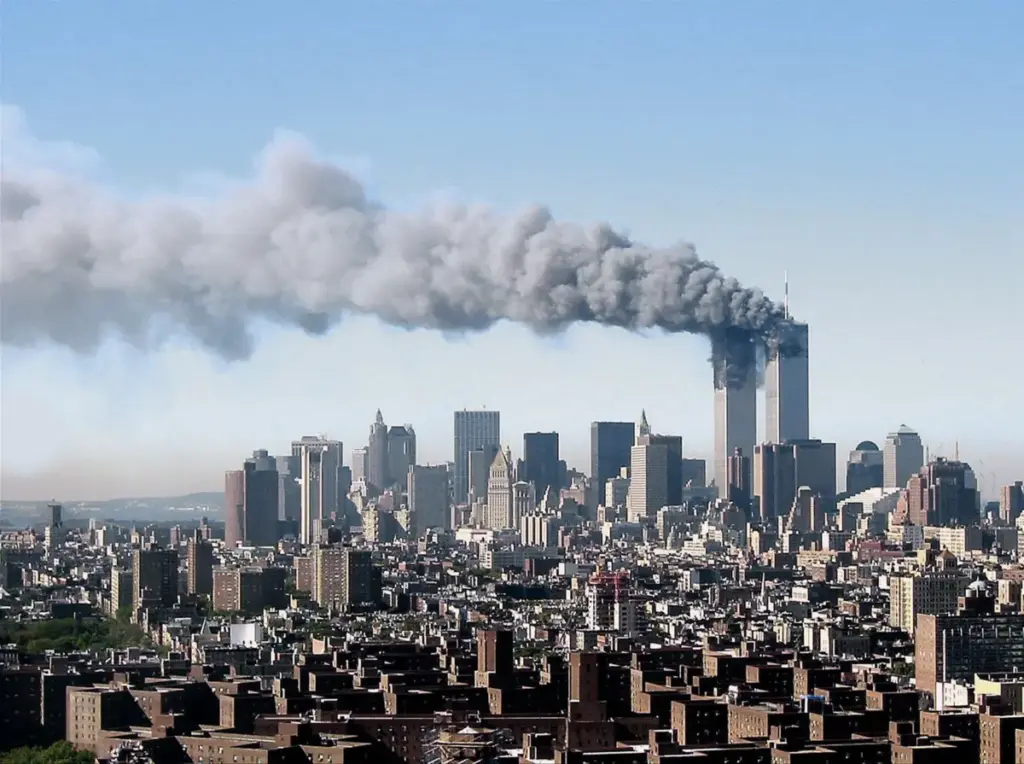
The selection committee intended to honor Ashrafi’s decades-long engagement as an ambassador of interfaith dialogue in Pakistan, a nation marked by severe religious polarization and sectarian violence. However, holding the ceremony on the 25th anniversary of the 9/11 attacks placed the award under intense public microscope. The Al-Qaeda attacks in New York City and Washington D.C. in 2001 claimed the lives of nearly 3,000 people, including 87 British citizens, leaving an indelible trauma across the Western world.
Resurfacing of the 2007 Remarks
Shortly after photographs of the ceremony were published, archival statements made by Ashrafi nearly two decades prior were brought to light by secular activists and investigative researchers.
In 2007, while operating in his capacity as the head of the Pakistan Ulema Council—an influential umbrella body of Islamic clerics and scholars—Ashrafi publicly addressed the geopolitical landscape and the actions of Osama bin Laden. During these remarks, he argued that the architect of the World Trade Center attacks should be accorded the historic honorific Saifullah, asserting it was a fitting title for someone he claimed was waging a religious campaign against Western nations.

The Immediate Backlash and Reversal
The revelation triggered an immediate wave of outrage. The National Secular Society led the charge, releasing blistering statements condemning the Church of England’s decision to platform a figure associated with such rhetoric on the solemn anniversary of 9/11.
Faced with a rapidly escalating public relations crisis, Lambeth Palace initiated an urgent internal review. By the end of the day, church officials capitulated to public demand. In a brief and direct statement, Lambeth Palace announced:
"Previous comments made by Imam Ashrafi have come to light that have led Lambeth Palace to reconsider this award and we can now confirm today that the award has been withdrawn."
This abrupt cancellation marked a stark departure from the palace’s initial defense, which had asserted that engaging in interfaith dialogue requires conversing with individuals across deeply held ideological divides.
Supporting Context & Metrics: The Weight of History and Controversy
To fully understand the gravity of the controversy, one must examine the historical context of the statements, the nature of the award, and the statistical footprint of the tragedy that shadowed the event.
The Significance of the Hubert Walter Award
Named after Hubert Walter, the 12th-century Archbishop of Canterbury, the Hubert Walter Award for Reconciliation and Interfaith Cooperation is one of the highest accolades bestowed by the Archbishop of Canterbury. It is traditionally reserved for individuals who have demonstrated exceptional courage, bridge-building capabilities, and leadership in fostering peace between disparate religious communities globally.
To bestow such an award upon an individual with a documented history of praising the world’s most notorious terrorist fundamentally undermined the award’s stated criteria, transforming a symbol of reconciliation into an emblem of diplomatic oversight.
The 9/11 Anniversary and Global Trauma
The psychological and geopolitical weight of the 25th anniversary of 9/11 cannot be overstated. The coordinated attacks orchestrated by Al-Qaeda resulted in:
- Fatalities: 2,977 victims killed at the World Trade Center, the Pentagon, and in Shanksville, Pennsylvania.
- British Casualties: 87 UK citizens lost their lives in the New York towers, making it the largest peacetime loss of British civilian life due to terrorism in modern history.
- Geopolitical Aftermath: Two decades of protracted military conflict across the Middle East and Central Asia, fundamentally altering global security paradigms, intelligence-gathering operations, and domestic surveillance laws.
Given these metrics, associating a representative of the Church of England with a cleric who once lauded the mastermind of those atrocities was viewed by critics as an intolerable insult to the victims and their families.

Official Statements and Defense Strategies
As the controversy intensified, representatives for both Lambeth Palace and Hafiz Muhammad Tahir Mehmood Ashrafi scrambled to articulate their positions, offering diverging interpretations of the historical remarks and institutional responsibilities.
Ashrafi’s Defense: Context and Allegations of Smear
In interviews with the Press Association and through formal statements issued by his representatives, Ashrafi pushed back against the characterization of his 2007 remarks, arguing they were stripped of vital context.
According to Ashrafi’s spokesperson, the comments regarding Osama bin Laden were not an endorsement of terrorism or Al-Qaeda’s violent methodology. Instead, they were delivered during a heated political demonstration organized to protest the British government’s decision to award a knighthood to author Salman Rushdie, whose book The Satanic Verses had caused widespread fury across the Muslim world.
The spokesperson explained:
"Regarding Osama bin Laden, Ashrafi’s remarks have been presented without their proper context. His comparison was not an endorsement of bin Laden; it was made in the context of explaining the hurt felt by many Muslims over the British honour given to Salman Rushdie. His longstanding record against terrorism and violent extremism should be considered when assessing such remarks."
Furthermore, Ashrafi’s team emphasized that no formal title was ever conferred upon bin Laden by any legitimate body, and that the Al-Qaeda leader was ultimately hunted down and killed during a targeted U.S. military operation in Abbottabad, Pakistan, on May 2, 2011.
Ashrafi’s representatives also drew attention to personal attacks directed at his family following the controversy. They noted that the decision of Ashrafi’s wife and daughter to observe the hijab is a personal and religious right, expressing dismay that domestic elements had been dragged into the political crossfire. Notably, Ashrafi had originally dedicated his Hubert Walter Award to his wife, acknowledging her unwavering support throughout his career.
The National Secular Society’s Counter-Offensive
The defense mounted by Ashrafi’s camp did little to appease secular organizations, who used the incident to launch a wider systemic critique of the Church of England’s institutional privileges.
Stephen Evans, Chief Executive of the National Secular Society, delivered a scathing assessment of the entire episode:

"We welcome the withdrawal of this award, but it is astonishing that it was given in the first place — on the anniversary of 9/11, no less. This episode reveals not only appallingly poor judgement and inadequate due diligence, but a dangerous naivety about the religious figures legitimised through interfaith engagement."
Evans went further, linking the administrative failure directly to the constitutional status of the Anglican Church in the United Kingdom:
"A Church capable of such a serious failure of judgement should not enjoy constitutional privilege, including 26 bishops making our laws. It is time the Church of England was disestablished."
Future Outlook: Institutional Repercussions and the Debate on Disestablishment
The fallout from the Ashrafi award revocation extends far beyond a momentary public relations blunder, touching upon core structural questions regarding the relationship between the British state and its established church.
Reassessing Interfaith Vetting Protocols
Lambeth Palace and the wider Archbishop of Canterbury’s office are expected to face rigorous internal reviews regarding their vetting procedures. Critics argue that basic open-source intelligence checks or consultation with geopolitical analysts specializing in South Asian religious politics would have immediately flagged Ashrafi’s 2007 remarks, preventing the embarrassment of a public retraction.
Moving forward, interfaith bodies within the Anglican Communion will likely face heightened demands for transparency and rigorous background screening to ensure that bridge-building initiatives do not inadvertently grant moral legitimacy to figures with histories of extremist rhetoric.
The Growing Momentum for Disestablishment
Perhaps the most significant long-term consequence of the scandal is its injection into the ongoing political debate surrounding the disestablishment of the Church of England.
As the UK population becomes increasingly secular and religiously diverse, the constitutional arrangements granting the Church of England a privileged status—including the automatic presence of 26 senior bishops in the House of Lords—face growing skepticism. Incidents like the Ashrafi fiasco provide vocal secular organizations with tangible ammunition to argue that an institution prone to such administrative and moral lapses is ill-suited to retain legislative and constitutional privileges.
Whether this single diplomatic misstep will accelerate legislative moves toward disestablishment remains to be seen. However, it has undeniably damaged the moral authority of the church’s outreach programs and underscored the treacherous complexities of navigating global religious diplomacy in the modern media age.