Executive Overview
Rain or shine, the music-hungry masses of Chicago descend upon Grant Park year after year to show out, turn heads, and immerse themselves in the cultural phenomenon that is Lollapalooza. For the 2026 iteration, the stakes for festival fashion reached a fever pitch. As the festival season crests its midpoint, industry insiders, style critics, and dedicated fans alike found themselves evaluating not just the setlists, surprise guest appearances, and booming basslines, but the meticulously curated wardrobes worn by the weekend’s top-billing headliners and emerging indie darlings.
This year, Grant Park served as an open-air runway where high fashion seamlessly collided with gritty, sweat-drenched festival culture. While music festivals are historically associated with bohemian fringe, denim cut-offs, and fleeting fast-fashion trends, 2026 marked a sophisticated paradigm shift toward archival design, structured silhouettes, and avant-garde tailoring.
Most notably, a singular design house emerged as the undisputed favorite of the weekend: the dark, romantic, and structurally precise world of Ann Demeulemeester. Throughout the four-day event, a distinct monochromatic palette of stark blacks and crisp whites dominated the stages, punctured occasionally by defiant bursts of neon, glitter, and playful counter-culture pastiches. From K-pop royalty to indie-pop icons, artists utilized their stage presence to make definitive fashion statements, cementing Lollapalooza 2026 not merely as a music festival, but as a defining moment in contemporary style history.
Detailed Chronology: The Top 10 On-Stage Looks Ranked
As festival-goers navigated the expansive grounds of Grant Park, catching everything from intimate side-stage performances to massive main-stage spectacles, the fashion narrative evolved hour by hour. Here is the definitive ranking of the ten most compelling style moments that defined Lollapalooza 2026.
10. Ellie Rowsell of Wolf Alice
Wolf Alice is certainly no stranger to the grueling festival circuit, yet the British alternative rock outfit continues to capture new legions of fans across the globe as they tour their critically acclaimed latest studio album, The Clearing. Frontwoman Ellie Rowsell cemented her status as a modern rock icon with a deceivingly simple yet undeniably effective ensemble. Clad in a signature matching black-leather look accented by a heavy studded belt and finished with a sharp, vibrant orange-red lip, Rowsell proved that true stage presence requires little fuss. The minimalist leather aesthetic provided a sleek contrast to her raw, powerhouse vocals, establishing an effortless, unapologetic cool that resonated deeply with the Chicago crowd.
9. Slayyyter
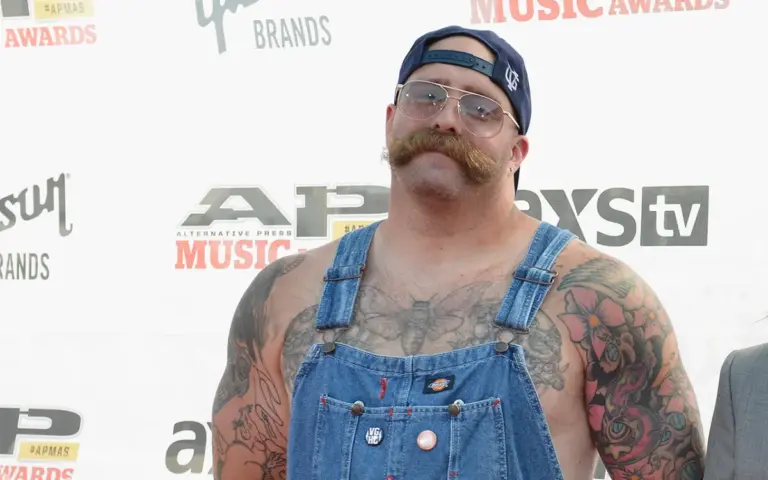
Transitioning effortlessly from "Slayyyterchella" to the high-octane energy of the Slayyyter Ball, America’s reigning pop provocateur drew massive, rowdy crowds to her riotous festival set. For her Chicago detour, Slayyyter leaned heavily into an elevated, tongue-in-cheek subversion of Americana aesthetics, offering a masterclass in "truck-driver couture." Her outfit featured a functional tackle belt, a weathered vintage trucker hat, and a corseted plaid shirt that elevated roadside gas-station wear into high-concept pop fashion. It was campy, high-energy, and entirely authentic to her hyper-online, hyper-polished aesthetic.
8. Sombr
Representing the emotive vanguard of sad-boy pop, Sombr made a striking entrance onto the main stage dressed in a feather-trimmed band jacket—custom-built by designer Yarden Dachut—paired with dramatic flare-leg pants. Nodding to legendary style icons like Mick Jagger and Prince, Sombr utilized his lanky frame and hyper-kinetic stage presence to bring a theatrical, romantic flair to the afternoon lineup. The feathered detailing caught the late-afternoon Chicago breeze, creating a kinetic visual spectacle that matched the soaring emotional peaks of his performance.
7. Jennie
Bringing the immense cultural gravity of K-pop to the forefront of the American festival landscape, Jennie delivered the weekend’s second major homage to the late Ann Demeulemeester. Stepping onto the main stage in a full runway look straight from the storied Belgian fashion house, the K-pop princess delivered a masterclass in modern punk-romance. The architectural lines of the garment moved seamlessly with her choreography while offering a subtle glimpse of her meticulously toned midriff. It was an elite-tier styling choice that merged avant-garde European design with the precision of contemporary pop performance.
6. María Zardoya of Not For Radio
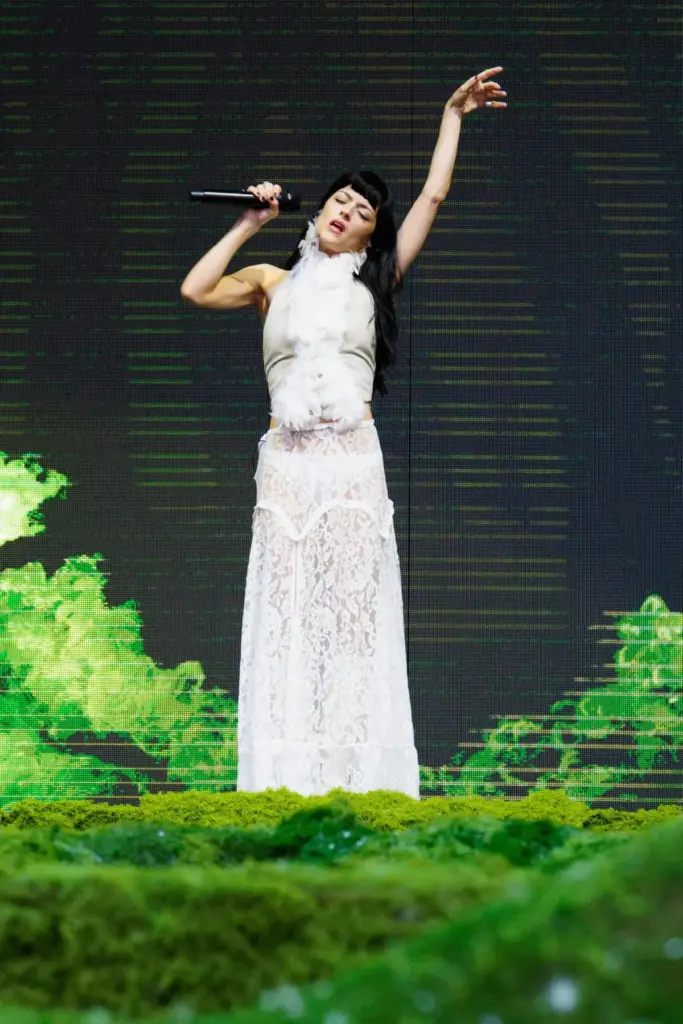
The intersection of music and subterranean natural aesthetics reached its zenith during María Zardoya’s set with Not For Radio. Following a year where runways have increasingly embraced moss-covered and earthy motifs, Zardoya brought high-concept gothic romance directly to the festival stage. Adorned in a breathtaking feathered top and a delicate lace skirt—once again courtesy of Ann Demeulemeester—she cut a striking silhouette against the natural greenery of Grant Park. The interplay between delicate feathers, heavy lace, and Zardoya’s hauntingly ethereal vocals created an unforgettable sensory experience.
5. Olivia Dean
Playing to a staggering sea of 91,000 passionate fans on a balmy Saturday night, British soul sensation Olivia Dean made literal and figurative waves. Dean stepped out in a custom Versace creation that struck a rare, timeless chord. The dress felt simultaneously tailored for a modern Gen Z songstress and reminiscent of classic 1970s icons like Diana Ross. The fluid draping and shimmering metallic finish caught the stage lights brilliantly, proving that timeless elegance still holds immense power within a youth-dominated festival environment.
4. Adéla
Channeling a futuristic, high-octane "Primadonna" energy, Adéla brought a vibrant explosion of neon pink to her afternoon set. Her ensemble was a daring mix of references: a sexy, structured matching bra-and-panty set topped with a military-style band vest, periwinkle stay-up stockings, and her signature pointed-toe Louboutin boots. The intricate beadwork on her bottoms shimmered dynamically with every step of her choreography. By fusing retro club kid aesthetics with luxury footwear, Adéla carved out a fresh, hyper-modern blueprint for festival pop styling.
3. Zara Larsson
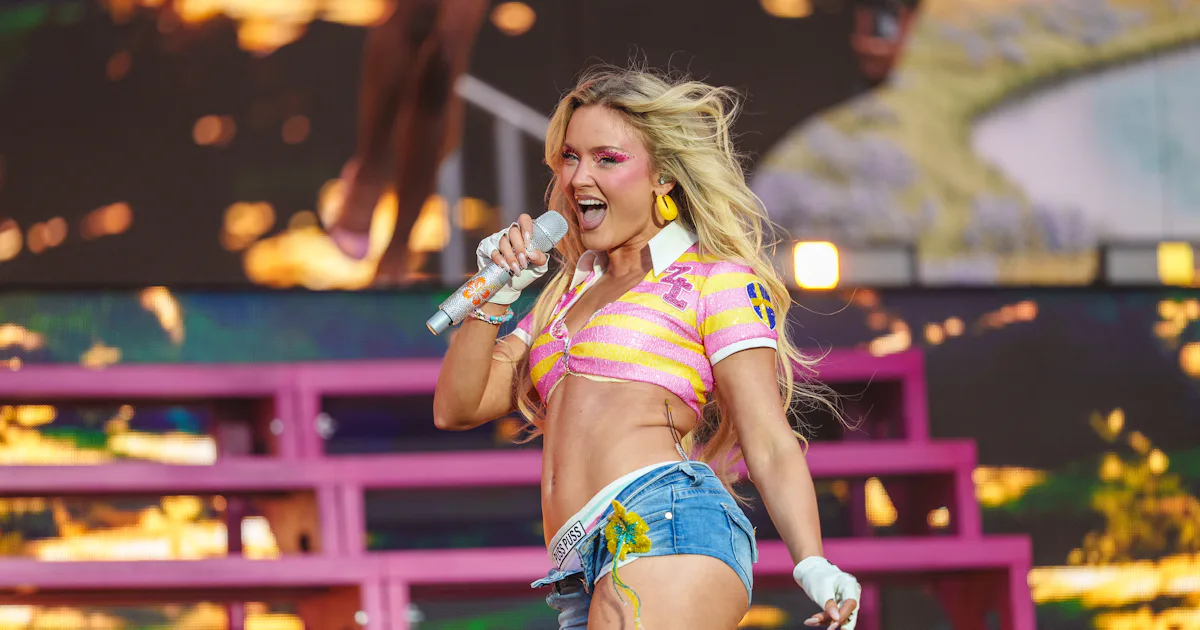
Swedish pop powerhouse Zara Larsson brought an infectious, vibrant energy that injected the otherwise monochromatic weekend with a rainbow of color, glitter, and unbridled joy. You could practically hear her performance through her style alone, punctuated by the sharp click of her boots against the stageboards. Larsson wore folded-over sequined denim shorts with playful "Puss Puss" branded underwear intentionally peeking through the waistband. Sassy, unapologetically girly, and optimized for high-impact dance choreography during hits like "Midnight Sun," Larsson’s look was a masterclass in pop-star panache.
2. Lorde
Lorde has long possessed a sixth sense for cultural shifts in fashion, and her Lollapalooza appearance all but guaranteed a major resurgence for Issey Miyake-inspired pleating. The visionary artist paired a highlighter-fuchsia pleated top with understated black trousers, eventually peeling back the outer layer to reveal a striking neon bra beneath. Accented with an eclectic mix of chunky silver jewelry, sharp highlighter, and an intentionally off-putting coin belt, Lorde struck the precise, idiosyncratic balance between high fashion and artistic eccentricity that has defined her entire festival season run.
1. Charli xcx
In the end, there was never any real competition. The undisputed queen of the intersection between music, fashion, and film proved her absolute cultural dominance during her monumental headlining set. Rather than relying on a single stagnant look, Charli underwent a series of calculated wardrobe changes. While her opening look—featuring a structured trench coat paired with teetering vintage Saint Laurent heels—drew immediate gasps from the front row, it was her final ensemble that truly captured the zeitgeist. Consisting of a tattered white T-shirt, edgy fingerless gloves, and an oversized statement belt, the look celebrated the gritty, unflinching reality of live performance. It was a wardrobe proudly unafraid to look messy, sweaty, and doused in festival elements. After all, what is the point of being meticulously buttoned-up when your anthems demand absolute, head-banging abandon?
Supporting Context & Metrics: The Business of Festival Fashion
While the visual spectacle on stage captivated the live audience and millions of social media users streaming from home, the economic and cultural impact of festival fashion continues to drive multi-million-dollar partnerships across the global retail and luxury markets.
Industry analysts tracking Lollapalooza 2026 noted a significant departure from previous years’ fast-fashion dominance. Data compiled from major digital resale and luxury curation platforms indicated a staggering 140% year-over-year increase in searches for archival designer pieces—specifically referencing houses like Ann Demeulemeester, Issey Miyake, and Jean Paul Gaultier—in the weeks leading up to the Chicago festival. This pivot reflects a broader consumer trend toward sustainable luxury and heritage investment dressing, even within high-energy, outdoor entertainment environments.
Furthermore, digital engagement metrics revealed that on-stage fashion moments directly translated into unprecedented digital visibility for participating designers. Social media impressions spiked by upwards of 300% for luxury brands whose archival pieces were worn by headliners such as Jennie and María Zardoya within the first two hours of their respective sets. Brand partnerships between major music acts and luxury houses are no longer supplementary marketing angles; they have evolved into the primary vehicle through which high-end design reaches culturally hyper-aware Gen Z and Millennial demographics.
Official Statements and Industry Commentary
The profound synergy between high-end fashion and live music performance at Lollapalooza 2026 drew praise from leading figures across the entertainment and design sectors.
In a post-festival press briefing, high-fashion curator and costume historian Elena Vance remarked on the stylistic maturity of this year’s lineup:
"What we witnessed in Grant Park this weekend was not merely costuming; it was a deliberate curation of cultural identity. Artists are increasingly viewing the festival stage as an extension of the runway. The embrace of structured tailoring, dark romanticism, and archival pieces by headliners signals that festival-goers and pop stars alike are craving substance, permanence, and intellectual rigor in their style choices."
Similarly, lead stylists working behind the scenes with top-tier talent emphasized the technical demands of outfitting performers for high-intensity physical sets while maintaining uncompromising aesthetic standards. Production wardrobe director Marcus Thorne noted:
"When you are designing for a festival stage like Lollapalooza, the clothes must endure extreme elements—high humidity, sudden rainstorms, and rigorous choreography—without ever sacrificing the narrative integrity of the artist. The successful looks this year were those that merged technical durability with uncompromising high fashion."
Future Outlook: What Lollapalooza 2026 Means for Upcoming Tours
As the dust settles on Grant Park and the 2026 festival season marches toward its autumn conclusion in cities like Austin and New York, the sartorial precedents established in Chicago offer a clear preview of upcoming fashion trends.
1. The Death of Disposable Festival Fashion
The overwhelming preference for archival pieces, bespoke tailoring, and luxury heritage houses over disposable, mass-produced festival wear marks a permanent turning point in pop culture. Consumers are increasingly rejecting ultra-fast-fashion micro-trends in favor of timeless, investment-grade garments that tell a story.
2. The Rise of Dark Romance and Structured Outerwear
The dominance of Ann Demeulemeester-inspired military jackets, structured blazers, and gothic-romantic lace elements suggests that autumn and winter tours will lean heavily away from hyper-color maximalism and toward moody, tactile, and architectural silhouettes.
3. Functional Subversion
As demonstrated by artists like Slayyyter and Charli xcx, the future of stage fashion lies in the playful subversion of everyday functional workwear—transforming tackle belts, trucker hats, and tattered basics into high-concept couture.
Ultimately, Lollapalooza 2026 proved that music and fashion are more inextricably linked than ever before. As artists continue to push the boundaries of visual storytelling, the festival stage remains the ultimate proving ground where style meets sound, leaving an indelible imprint on the cultural landscape for seasons to come.