Executive Overview
In the rapidly evolving landscape of cross-media intellectual property, few titles have achieved the stratospheric, cross-demographic resonance of Netflix’s Academy Award-winning animated musical feature, KPop Demon Hunters. What began as an inventive concept blending high-energy K-pop choreography with supernatural action has swiftly metastasized into a global commercial juggernaut. From streaming chart domination to a historic Oscar win for the anthem “Golden,” the franchise has continuously redefined modern pop-culture consumption.
Now, the enterprise is deepening its footprint in the physical retail sector. In collaboration with lifestyle merchandise powerhouse CultureFly, the property has announced its latest venture: a dedicated blind-box series featuring silicone "phone huggers." Designed to grip the edges of mobile devices, tablets, and computer monitors, this collection expands upon an already robust merchandising ecosystem that includes instant noodle-themed plushies, coveted Funko Pops!, collectible keychains, and official global tour light sticks.
As the fictional musical powerhouse HUNTR/X prepares to bring its sonic universe to life through an extensive international concert tour, these new collectible accessories offer fans a tangible connection to their favorite heroes and rivals. This report examines the strategic expansion of the KPop Demon Hunters merchandise empire, the design mechanics of the new CultureFly release, and the broader economic implications of a transmedia property that refuses to slow down.
Detailed Chronology: From Streaming Screen to Global Phenomenon
The trajectory of KPop Demon Hunters from an ambitious Netflix animated release to a household name is a masterclass in modern franchise building. Understanding the release of physical accessories like CultureFly’s phone huggers requires mapping the precise timeline of victories that built the property’s cultural equity.
Phase One: The Digital Explosion and Chart Domination
When Netflix initially dropped KPop Demon Hunters, industry analysts anticipated a successful run within the platform’s animated vertical. However, the film immediately over-indexed across demographics, driven largely by its intoxicating musical numbers and the unprecedented cultural impact of its fictional girl group, HUNTR/X. The group’s tracks quickly saturated global streaming charts, proving that fictional K-pop acts could rival real-world streaming giants in terms of engagement, virality, and repeat-listen metrics.

Phase Two: Critical Validation and Awards Season Triumph
The cultural legitimacy of the film was cemented during awards season. In a landmark moment for streaming-origin animation, KPop Demon Hunters claimed the Academy Award for Best Animated Feature Film. The triumph was further magnified by the viral success of its signature track, “Golden,” which secured its own historic Oscar win—despite an unforgettable, chaotic acceptance speech interruption that only added to the internet lore surrounding the franchise. This critical validation transitioned the film from a beloved streaming secret to an undisputed cinematic milestone.
Phase Three: Diversification of the Merchandising Ecosystem
Capitalizing on this momentum, brand management and licensing partners quickly moved to satisfy an insatiable consumer base. The market was swiftly flooded with curated goods. Early releases included stylized Funko Pops! capturing the likenesses of HUNTR/X, followed by whimsical keychain charms. Perhaps most notably, lifestyle brands leaned into eccentric, culturally resonant items, such as ramen-themed blind-box plushies that played directly into internet meme culture and fan-favorite moments from the film.
Phase Four: The Physical Retail Frontier and Live Tour Integration
With the introduction of CultureFly’s blind-box phone huggers at major retailers like Amazon and Walmart, the merchandise strategy enters a micro-accessory phase. Fans can now adorn their personal electronics with physical manifestations of the film’s cast. Simultaneously, the real-world operational arm of the property is launching a massive global concert tour, supported by official tour light sticks that allow audiences to participate in live performances as though they were attending a genuine stadium concert for a real-world K-pop group.
Supporting Context & Metrics: The Anatomy of a Collectibles Craze
The release of the CultureFly phone huggers is not merely a random licensing agreement; it is a calculated response to the psychology of modern fandom and the mechanics of blind-box retail culture.
The Blind-Box Economy
Blind-box marketing thrives on the intersection of anticipation, gamification, and social media sharing. By concealing the identity of the figurine within opaque packaging, manufacturers transform a routine retail transaction into a high-stakes collecting experience.
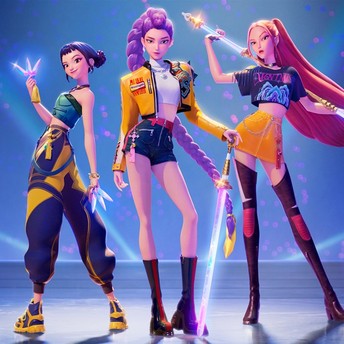
- The Assortment Strategy: The new KPop Demon Hunters series comprises nine distinct silicone minifigures. The checklist is carefully curated to encompass every major faction within the film’s universe:
- HUNTR/X: Rumi, Zoey, and Mira (the core heroic trio).
- The Saja Boys: Jinu, Romance, Mystery, Abby, and Baby (the charismatic rival boy band).
- Derpy: The beloved, eccentric blue tiger that has emerged as a breakout meme and fan-favorite mascot.
Material Science and Utility
Unlike traditional hard-plastic collectibles destined for static display shelves, the CultureFly phone huggers utilize a flexible silicone formulation. This engineering choice serves two functional purposes:
- Surface Compatibility: The pliable material allows the figures to securely "hug" the bezels of smartphones, tablets, and computer monitors without scratching high-end glass or aluminum housings.
- Residue-Free Mobility: Designed purely as decorative accent pieces rather than structural phone grips or MagSafe wallets, the silicone figures can be repositioned infinitely across various devices without leaving behind adhesive glues or chemical residues.
Retail Partnerships and Cross-Pollination
Distribution plays a critical role in accessibility. By securing placement across high-traffic digital storefronts like Amazon alongside mass-market physical giants like Walmart, the merchandise reaches both casual streaming viewers and hardcore collectors. Furthermore, Walmart’s concurrent stocking of CultureFly’s hugger lines for parallel properties—such as The Powerpuff Girls, SpongeBob SquarePants, and Universal’s seasonal Halloween Horror Nights—places KPop Demon Hunters directly alongside legacy entertainment titans, signaling its transition into tier-one intellectual property status.
Official Statements & Industry Analysis
While executive commentary from CultureFly and Netflix remains closely guarded regarding exact production run volumes, industry insiders have been vocal about the paradigm shift represented by transmedia properties like KPop Demon Hunters.
Retail analysts point out that the success of the franchise relies heavily on blurring the lines between fiction and reality. By treating HUNTR/X as a legitimate musical act complete with chart metrics, awards, and touring schedules, the production team has successfully cultivated a parasocial bond between the consumer and animated characters.
"When fans buy a blind box containing a figure of Jinu or Derpy, they aren’t just purchasing a piece of plastic," notes retail trend forecaster Marcus Vance. "They are purchasing identity signaling. In the K-pop ecosystem, showing allegiance to a specific member or faction is a core tenet of community participation. CultureFly’s blind boxes tap directly into that psychological framework."

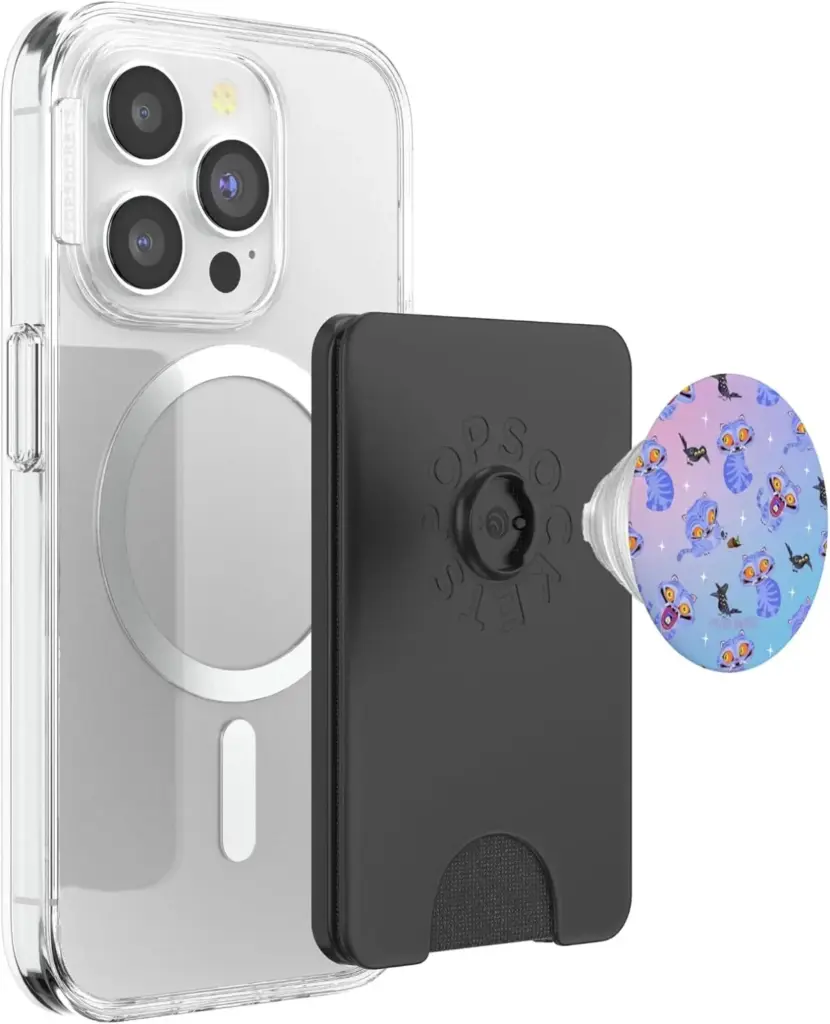
Furthermore, companion accessories—such as the concurrently released MagSafe-compatible PopSockets and PopWallets featuring Derpy the Tiger and Sussie the Magpie—demonstrate a sophisticated understanding of contemporary mobile device ergonomics. These items offer a blend of utility and fandom, allowing users to secure a better grip on their phones for content creation and media consumption while proudly displaying their allegiance to the cinematic universe.
Future Outlook: Sustaining the Momentum
As KPop Demon Hunters looks toward the future, the primary challenge for rights holders will be sustaining consumer interest between major audiovisual releases. However, the multifaceted nature of the current merchandise strategy provides a robust roadmap for longevity.
- The Global Tour Catalyst: The upcoming international concert tour acts as a living marketing engine. As light sticks wave in concert arenas worldwide, consumer demand for portable, everyday accessories—such as phone huggers and keychain charms—is projected to experience secondary spikes.
- Expansion of Blind-Box Series: Given that Series 1 covers nine core characters, industry watchers anticipate subsequent waves introducing secondary characters, alternate stage outfits, and limited-edition chase variants.
- Cross-Platform Synergy: With Netflix heavily invested in the long-term viability of the IP, subsequent narrative expansions, sequels, or television spin-offs will continuously refresh the character roster, ensuring that lifestyle accessories remain relevant to incoming generations of fans.
Ultimately, CultureFly’s phone huggers are much more than stocking stuffers or novelty toys. They represent the physical manifestation of a cultural phenomenon that has permanently altered the intersection of animation, music, and consumer products. For fans eager to take a piece of the KPop Demon Hunters universe with them wherever they go, the hunt for the complete set has only just begun.