VENICE, ITALY — As the late-summer haze settles over the historic canals of the Lido, the global intersection of high fashion and elite cinematic arts has officially commenced. The 83rd Venice Film Festival is more than a showcase of upcoming cinematic masterpieces; it has transformed into a high-stakes runway where luxury houses, brand ambassadors, and auteurs collide.
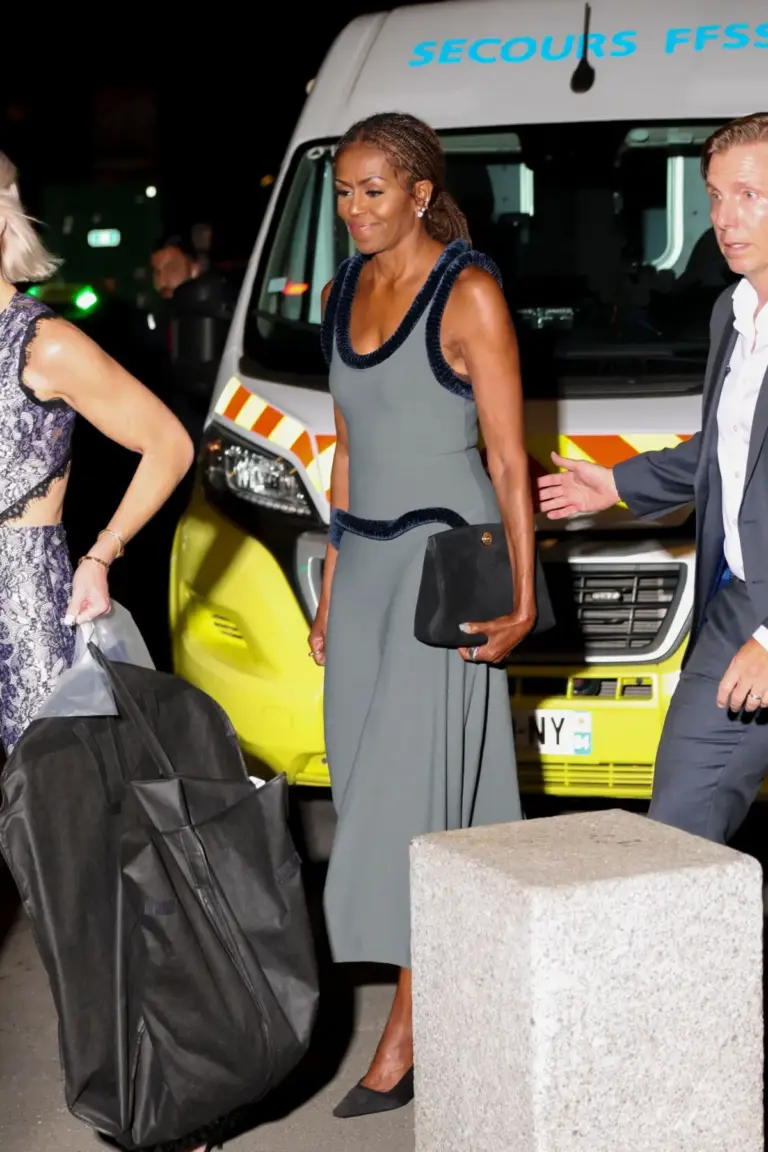
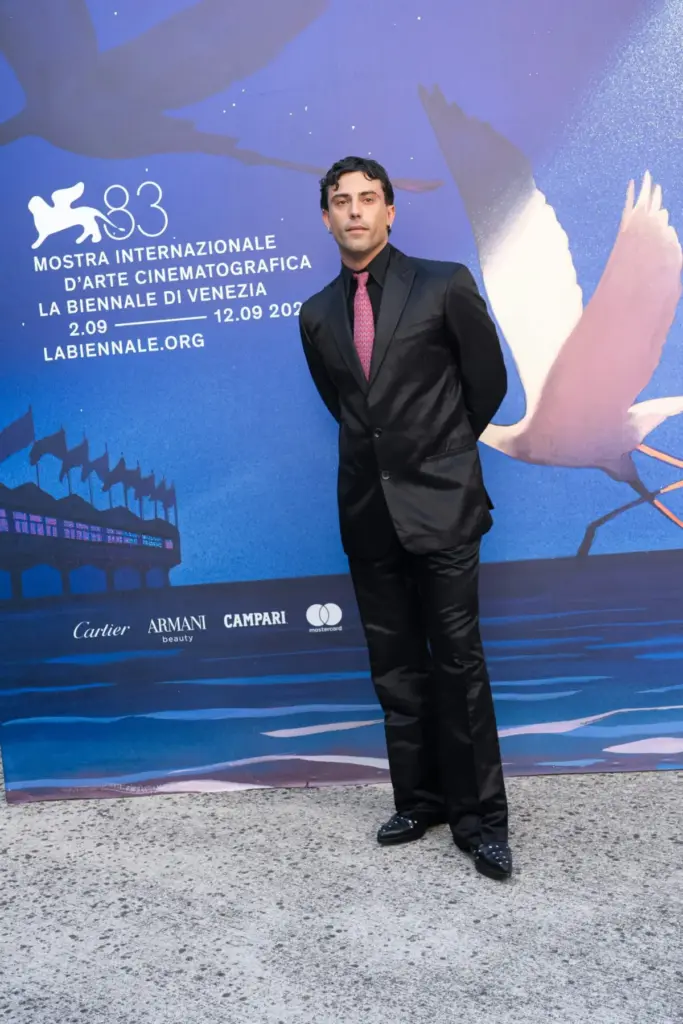
From the architectural precision of airport arrivals at Marco Polo to the blinding flashbulbs of the Sala Grande red carpet, the 2026 edition has delivered a masterclass in modern sartorial diplomacy. Blending archival vintage, fresh-off-the-runway statements, and bespoke creations, the festival’s attendees have established a benchmark for the upcoming autumn fashion circuit.
Executive Overview: The Convergence of Film and Fashion on the Lido
The timing of the Venice Film Festival places it at a unique psychological and cultural crossroads. Arriving just as the global "back-to-school" and "new-year-new-me" energy permeates the collective consciousness, the event acts as the ultimate runway prelude to Fashion Month. Movie stars, pop icons, and supermodels descend upon the aquatic city not merely to promote their latest art, but to project brand narratives crafted by the world’s most formidable luxury conglomerates.
This year’s cinematic slate is as formidable as the wardrobes supporting it. A24’s Primetime brings Robert Pattinson to the forefront as Chris Hansen under intense psychological scrutiny; Werner Herzog’s Bucking Fastard features the historic first-ever cinematic pairing of siblings Kate and Rooney Mara; and Casey Affleck’s directorial venture, Company, highlights a cast that includes Emily Alyn Lind alongside Affleck’s children, Indiana and Atticus.
Yet, the collateral events, private dinners, and high-profile galas—such as the glamorous amfAR Gala Venezia and exclusive Armani Beauty gatherings—have elevated the Lido into an immersive media circus. Every step from water taxi to red carpet is scrutinized, dissected, and instantly codified by millions across digital platforms.
Detailed Chronology: Sartorial Highlights Across the Festival Days
The trajectory of the festival’s style narrative unfolded through distinct phases, capturing everything from effortless transit wear to theatrical red carpet opulence.
Phase I: Arrivals and Early Screenings
The tone of the festival was established the moment talent touched down at Marco Polo Airport and boarded water taxis to the Lido.
- Claire Foy offered an immediate masterclass in understated luxury, stepping off her transport in impeccably tailored Bottega Veneta.
- Kendall Jenner signaled the beginning of her style dominance early, arriving at the airport carrying an archival Chanel bag before shifting into high-octane eveningwear.
- The opening night red carpet for the screening of Ink brought out an army of brand loyalists. Clara Galle, Nicholas Galitzine, Jonathan Bailey, and Zazie Beetz cut striking figures in Giorgio Armani and Emporio Armani.
- Nina Dobrev commanded attention in a luminous, structural creation from Armani Privé, accented by high-jewelry from Chopard.
- Meanwhile, Bianca Balti stunned in Ilya Migmoon, and Stella Maxwell leaned into romanticism via Intimissimi.
Phase II: Mid-Festival Premieres and Milestone Collaborations
As the festival progressed into its heavy-hitting premieres, the fashion stakes escalated correspondingly.
- The premiere of Bucking Fastard showcased the undeniable style synergy of the Mara sisters. Rooney Mara appeared in a custom Louis Vuitton masterpiece paired with Swarovski jewelry, while Kate Mara offered a classic foil in Armani Privé paired with Cartier.
- For the Wild Horse Nine events, Parker Posey championed Valentino with characteristic theatricality, while Phoebe Waller-Bridge opted for the razor-sharp minimalism of Celine. Mariana Di Girolamo paid homage to French heritage in custom Chanel, and Vittoria Ceretti reinforced her supermodel status in Armani Privé.
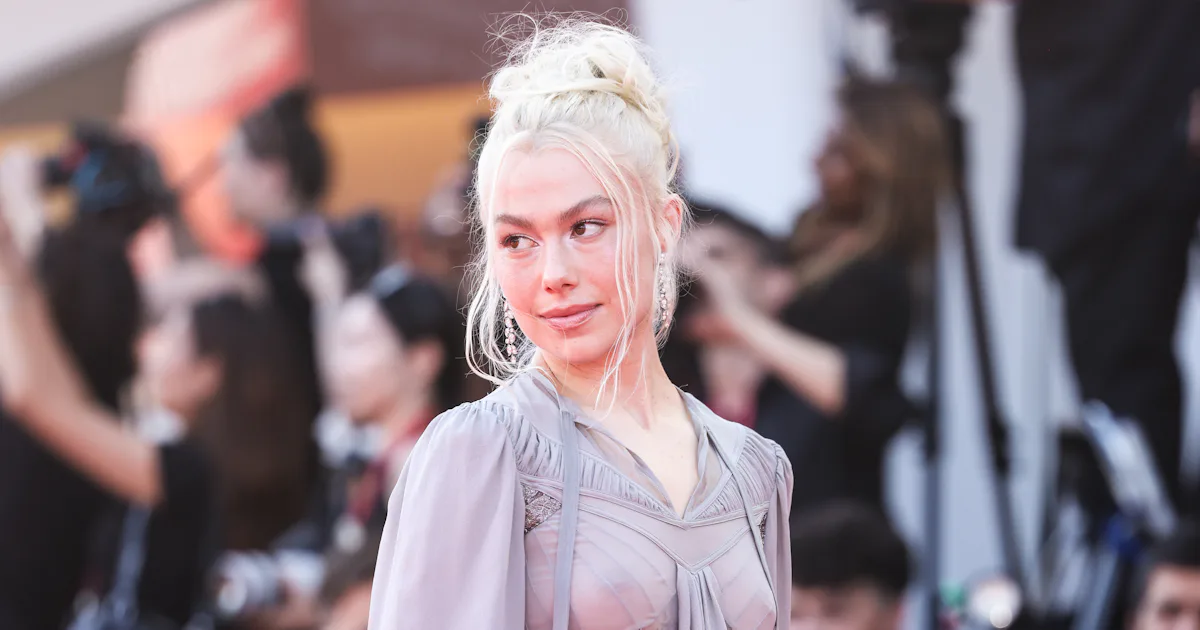
- The Primetime photocall and premiere proved to be a major cultural moment. Phoebe Bridgers charmed critics and fans alike in Gucci during the day before transitioning into a custom Alexander McQueen creation for the evening premiere. Robert Pattinson sustained his reputation as a modern style icon in classic Dior, while Suki Waterhouse embodied effortless rock-and-roll elegance in Saint Laurent.
Phase III: Gala Nights and Closing Statements
The latter half of the festival shifted toward philanthropic galas and intimate brand celebrations, where avant-garde and custom creations took center stage.
- At the prestigious amfAR Gala Venezia, Pamela Anderson captivated audiences in a breathtaking custom Calvin Klein Collection gown, proving that simplicity and sincerity remain potent red-carpet tools.
- Amanda Seyfried and Emma Corrin represented the whimsical, intellectual universe of Miu Miu during the Miu Miu Women’s Tales presentation.
- Additional standout appearances included Benedetta Porcaroli in pristine Prada for the Oasis: Don’t Look Back in Anger premiere, and Malcolm McRae embodying modern tailoring in Saint Laurent at The Echo Chamber premiere.
Supporting Context & Metrics: The Economic and Cultural Engine
To understand the sartorial spectacle of Venice 2026, one must examine the mechanics of contemporary fashion marketing. Film festivals have effectively surpassed traditional runway shows in terms of global earned media value (EMV).
- Brand Dominance: The Giorgio Armani empire exerted a visible footprint across the 2026 festival, outfitting a vast roster of talent for the opening night gala and hosting one of the most exclusive beauty dinners of the week with Armani Beauty, attended by cultural heavyweights like Sydney Sweeney and Owen Thiele.
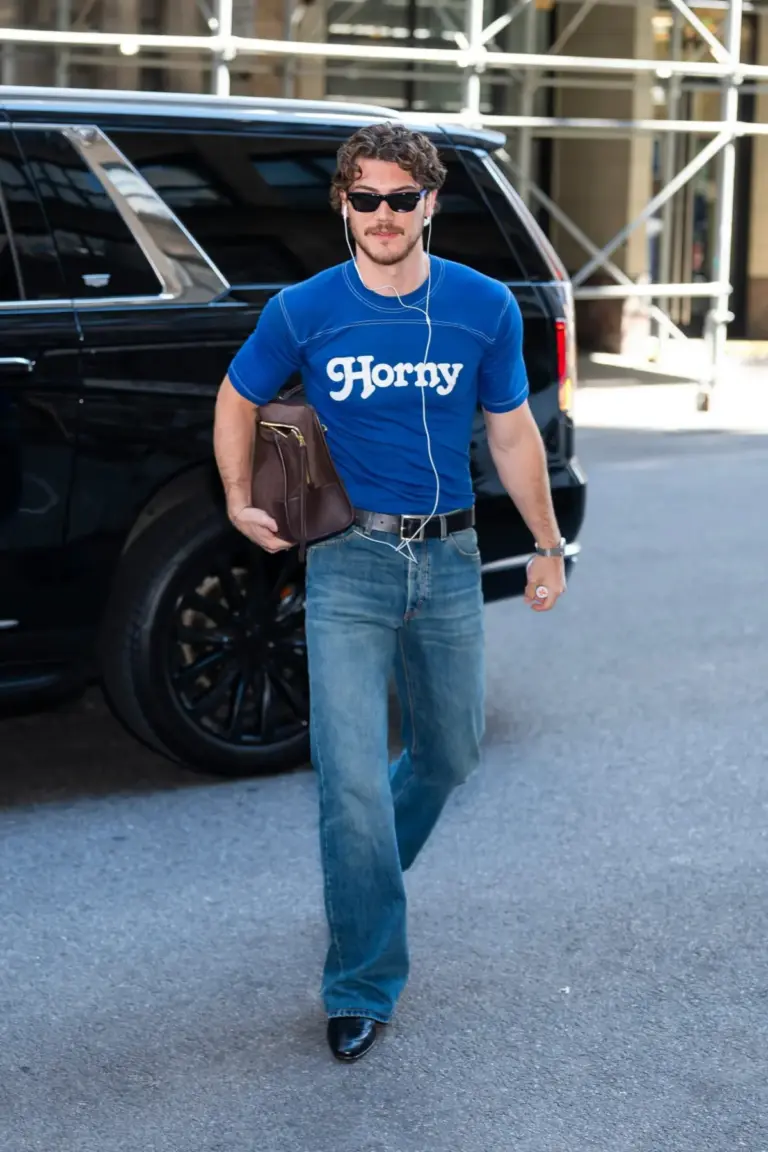
- Digital Engagement: Real-time social media metrics indicate that airport arrival looks—traditionally viewed as casual transit moments—now generate up to 40% of a celebrity’s total festival EMV. The blurring of lines between off-duty streetwear and red-carpet glamour has made icons out of stylists and tastemakers alike.
- Sustainability and Archival Fashion: A notable macro-trend at the 83rd edition was the conscious lean toward archival pieces and slow fashion. Stylists increasingly pulled from vintage vaults, reducing the carbon footprint of red-carpet styling while feeding the public’s appetite for nostalgia.
Official Statements and Industry Insights
The intersection of high fashion and cinema continues to evolve, drawing commentary from leading figures across both industries.
"The Lido during the first week of September is no longer just a meeting ground for filmmakers; it is a global barometer for how stories are told through silhouette and texture. When an actor steps onto the water taxi in bespoke tailoring, they are already performing a character before the cameras even roll on set." — Anonymous Luxury Conglomerate Executive
Industry analysts note that the strategic placement of brand ambassadors at high-profile premieres correlates directly with immediate quarterly stock performance and digital search spikes for luxury houses.
"We are seeing a permanent structural shift in how films are marketed. The red carpet is the primary cinematic trailer of the modern age. If the look fails to capture the cultural zeitgeist, the film loses a vital layer of narrative context." — Global Fashion Editor & Critic
Future Outlook: What Venice 2026 Signals for Fashion Month
As the curtains close on the 83rd Venice Film Festival, the fashion world packs its trunks and prepares for the grueling marathon of Fashion Month—spanning New York, London, Milan, and Paris.
The aesthetic threads established on the Lido—ranging from hyper-minimalist tailoring and sculptural archival revivals to romantic, gothic-tinged eveningwear—will directly inform the trends set to dominate the Spring/Summer 2027 collections. Stars like Phoebe Bridgers, Robert Pattinson, and Rooney Mara have proven that personal style and cinematic gravity are inextricably linked, setting a high standard that the upcoming runway shows must not only meet, but exceed.
Ultimately, Venice 2026 has reaffirmed that cinema and fashion are two halves of the same cultural engine—one that continues to drive global imagination, economic power, and aesthetic evolution into the future.