Executive Overview
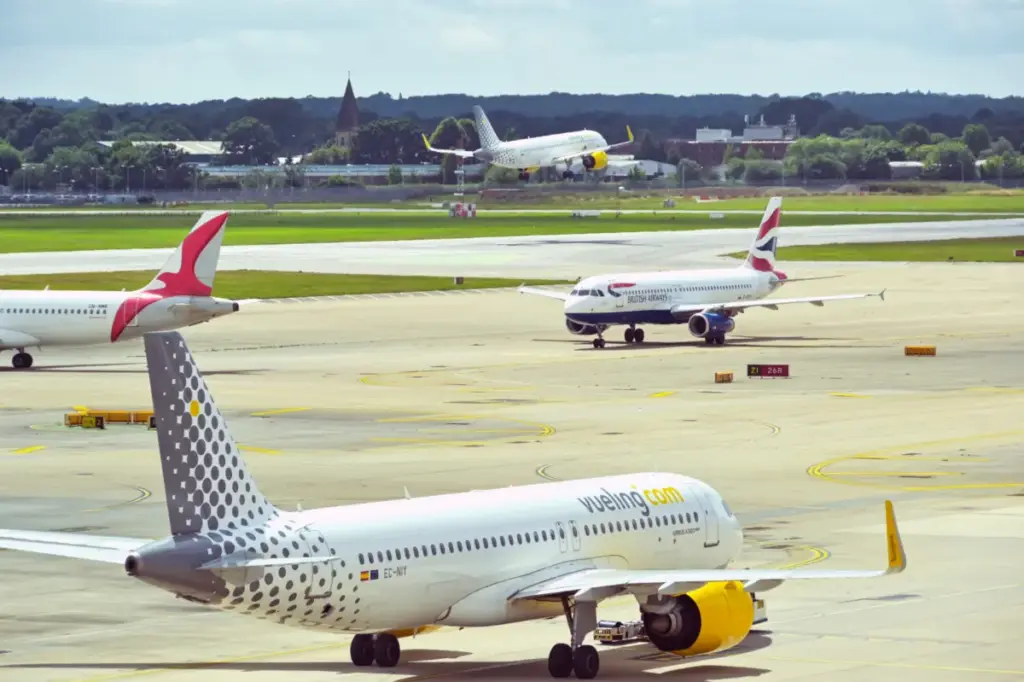
A critical technical malfunction within the National Air Traffic Services (NATS) flight processing system has triggered widespread travel chaos across the United Kingdom and the Republic of Ireland. The sweeping software disruption, centered at the NATS facility in Swanwick, has forced major aviation hubs—including London Heathrow and Gatwick—to implement strict halts on all outbound departures.
As peak summer travel comes to a close, tens of thousands of holidaymakers, business travelers, and transit passengers find themselves stranded on grounded aircraft and congested terminal concourses. Airports such as Stansted, London City, Manchester, Birmingham, and East Midlands are also reporting cascading delays and cancellations.
While engineers race to resolve the core system fault, airlines, consumer rights groups, and industry regulators are scrambling to manage the fallout. This comprehensive report breaks down the timeline of the disruption, the technical realities behind the NATS system failure, and a definitive guide to passenger rights, compensation eligibility, and alternative travel logistics during this unprecedented airspace crisis.
Detailed Chronology: How the Crisis Unfolded
The disruption began during a busy operating window when air traffic controllers at the Swanwick control center noted intermittent anomalies within their primary flight processing architecture. Within minutes, automated safety thresholds prompted a mandatory slowdown of traffic entering and departing UK airspace to prevent saturation and maintain absolute safety margins.
- Early Morning: Minor data-processing lags are flagged by engineering teams at the Swanwick control facility. Controllers revert to manual and semi-automated fail-safes, immediately reducing the hourly aircraft handling capacity.
- Mid-Morning: Major London hubs, led by Gatwick and Heathrow, report that departure queues are stretching indefinitely. Airport operators confirm that all outbound flights have been temporarily suspended to clear existing taxiways and manage holding patterns.
- Late Morning: Regional airports—including Manchester, Birmingham, and East Midlands—begin reporting knock-on delays. Aircraft scheduled to rotate into these regional airports from London are trapped on remote stands or at departure gates across Europe.
- Afternoon: Passenger frustration peaks. Reports emerge of travelers stuck on tarmac-bound aircraft for upwards of three hours. Airlines activate emergency response protocols, distributing basic refreshment vouchers while awaiting concrete restoration timelines from NATS engineers.
The Technical Breakdown: Inside the Swanwick Flight Processing System
At the heart of the crisis is the intricate network responsible for parsing, displaying, and managing flight plans across UK skies. The NATS Swanwick center, located in Hampshire, handles some of the busiest and most complex airspace in the world.
Modern air traffic management relies heavily on real-time data feeds—combining radar telemetry, transponder broadcasts, and pre-filed flight plans—to track aircraft positions and project potential conflicts. When the core "flight processing system" experiences a software glitch or data corruption event, controllers lose their automated decision-support tools.

Why Safety Mandates Grounded Flights
To the layperson, an invisible software bug in an office environment might cause minor inconvenience; in air traffic control, safety is binary. Without the automated system reconciling flight trajectories and altitudes, controllers must rely entirely on verbal clearances and manual radar monitoring. To prevent any risk of mid-air proximity infringements, NATS implemented immediate flow-control restrictions, reducing traffic acceptance rates to a fraction of their normal capacity.
A NATS spokesperson addressed the technical failure in an official statement:
"We are investigating a technical issue which is causing some disruption to flight departures. Our engineers are on site, and we will provide an update as soon as we can."
Passenger Impact and Human Stories
The human cost of the technical failure is visible across every major terminal in the UK. Thousands of passengers seeking final summer sun or returning to work face agonizing hours of waiting with little to no initial clarity.
A Ryanair passenger booked on a service to Spain described the atmosphere aboard his aircraft stranded on the tarmac at Stansted Airport as "sombre," noting that passengers had been confined to their seats for nearly three hours without a definitive departure time.
Similar scenes played out at Heathrow and Gatwick, where travelers crowded around departure boards that flickered with cascading red cancellation notices. Families with young children and elderly passengers found themselves navigating crowded baggage reclaim areas as airlines scrambled to offload checked luggage for passengers opting to abandon their journeys.

Passenger Rights, Refunds, and Entitlements
When airspace management failures ground flights, navigating consumer rights can be complex. According to the Civil Aviation Authority (CAA), airlines operating within the UK and EU have strict legal obligations to care for stranded passengers, regardless of whether the airline itself caused the underlying fault.
1. The Right to Care
If your flight is delayed significantly or cancelled outright, your airline must provide:
- Food and Drink: Vouchers or direct provisions proportionate to the waiting time.
- Communication Access: Means to make phone calls and send emails.
- Accommodation: Hotel rooms for overnight delays, including organized transport between the airport and the hotel.
Expert Tip: If the airline’s customer service desk is overwhelmed and cannot issue vouchers immediately, pay for reasonable expenses yourself (such as meals or budget hotel accommodation) and retain all itemized receipts. Note: Extravagant expenses, such as luxury hotel upgrades or minibar items, will not be reimbursed.
2. Refunds and Alternative Routing
For cancelled flights covered by UK or EU jurisdiction, passengers are legally entitled to their choice of:
- A full refund for the unused portion of the ticket (processed typically within seven business days).
- An alternative flight to their final destination at the earliest opportunity, even if that means booking the passenger onto a competing airline’s service at no extra cost.
3. Package Holidays and ABTA Protections
Travelers who booked their getaways through a tour operator as a package holiday enjoy additional layers of security. ABTA (the Association of British Travel Agents) mandates that tour operators are responsible for ensuring your entire holiday package is fulfilled or properly refunded if transport legs fail. Contact your specific tour operator immediately to coordinate alternative arrangements.
Eligibility for Financial Compensation: The "Extraordinary Circumstances" Debate
A common point of confusion for delayed passengers is whether they are owed statutory financial compensation in addition to care and refunds.

Under current consumer protection laws, airlines are not required to pay fixed statutory compensation (ranging from £220 to £520 depending on flight distance) if the delay or cancellation is caused by "extraordinary circumstances." These are events that are inherently outside the airline’s operational control.
- What counts as extraordinary? Severe adverse weather, security alerts, bird strikes, medical emergencies onboard, and—crucially—air traffic management restrictions mandated by external bodies like NATS.
- What does NOT count as extraordinary? Internal technical failures of airline-owned equipment, staff strikes within a specific airline, or scheduling mismanagement.
Because the current crisis stems from a NATS infrastructure failure rather than an airline-specific fault, most legal analysts agree that standard statutory compensation claims against airlines will likely be rejected under the extraordinary circumstances exemption. However, passengers maintain an absolute right to reimbursement for expenses incurred due to the lack of "care" (e.g., unpaid hotel stays or food costs if the airline failed to provide vouchers).
Financial Protection: Travel Insurance and Unused Accommodation
Beyond the immediate airport chaos, many travelers face financial losses from prepaid, non-refundable accommodation, car rentals, or excursions at their destinations.
- Travel Insurance Realities: According to insurance analysts at Defaqto, while roughly 94% of travel insurance policies cover travel abandonment under specific conditions, only about 30% include comprehensive wider travel disruption riders. Policyholders must review their specific policy wording regarding air traffic control strikes or systemic failures.
- Credit Card Protection: Section 75 of the Consumer Credit Act (in the UK) offers robust protection for purchases made via credit card. If you booked flights or accommodation costing between £100 and £30,000 using a credit card and the service is not provided, your credit card issuer shares joint liability with the merchant, often making refunds easier to secure.
Future Outlook and Industry Implications
As NATS engineers work around the clock to purge corrupted data and stabilize the Swanwick flight processing system, aviation experts are already raising questions about the resilience of Europe’s critical transport infrastructure.
This incident underscores the vulnerability of centralized digital architectures in modern air traffic management. With European airspace experiencing record-breaking traffic densities, industry bodies are expected to face renewed pressure to accelerate modernization programs, introduce redundant backup processing centers, and review compensation frameworks for passengers caught in systemic infrastructure failures.
For now, passengers planning to travel over the coming days are strongly advised to check the status of their flights directly with their airlines before setting out for the airport, allow extra time for security and check-in procedures, and keep all documentation ready in the event that claims or rerouting assistance become necessary.