Executive Overview
Minimalism has long reigned supreme in the realm of high-end beauty. From the clean girl aesthetic to the perennial popularity of sheer "ballet slipper" pinks and bare-faced finishes, the modern consumer has consistently gravitated toward understated elegance. Yet, every summer brings a demand for reinvention—a way to inject personality and playfulness into a streamlined routine without sacrificing sophistication. Enter the "jelly bean" or "jelly" manicure: a vibrant, hyper-glossy, translucent nail art phenomenon taking over social media feeds, high-fashion editorials, and salon chairs worldwide.
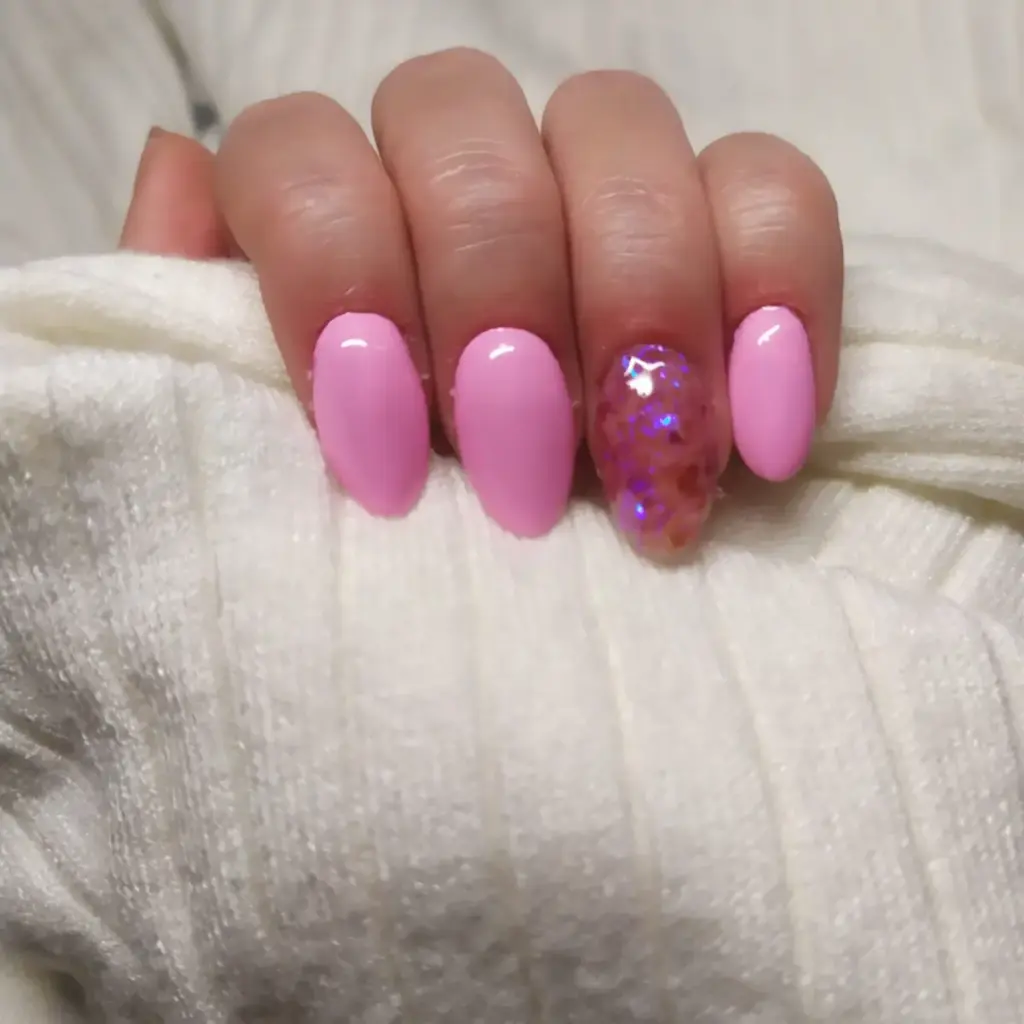
Characterized by its unmistakable high-shine finish and semi-transparent color payoff, the jelly nail trend achieves a look reminiscent of stained glass, hard candy, or—as the name suggests—fruity gelatin. Far from being a fleeting novelty, this movement represents a significant shift in nail chemistry and consumer aesthetics. It is a direct export of South Korea’s hyper-innovative beauty culture, a market renowned for pioneering techniques that blur the line between cosmetics and art.
As brands reformulate classic lacquers to mimic professional gel systems, and as nail artists experiment with 3D textures, aura gradients, and encapsulated charms, the jelly manicure has solidified its status as the ultimate summer statement. This comprehensive report explores the origins of the trend, the scientific formulation behind the translucent illusion, the key iterations dominating salons this season, and the future outlook of the translucent nail movement.
Detailed Chronology: From Seoul’s Underground Salons to Global Dominance
To understand the meteoric rise of the jelly manicure, one must trace its roots back to the epicenter of global beauty innovation: South Korea.
The K-Beauty Foundation
For decades, South Korea has dictated the global conversation surrounding skincare and cosmetic finishes. The birth of "glass skin"—a complexion so luminous, hydrated, and translucent that it resembles panes of clear glass—set a cultural benchmark. This obsession with light-reflective, healthy, and multidimensional finishes naturally bled into other beauty categories, most notably nail art.
Korean nail artists, celebrated for their avant-garde designs, meticulous craftsmanship, and penchant for coquettish aesthetics, began experimenting with custom-mixed polishes in the late 2010s. By diluting traditional pigmented lacquers with clear top coats or utilizing specialized resin-based gels, these technicians created colors that held vibrant hues while retaining a see-through quality.
The Digital Acceleration
While the technique originated in the intimate, highly specialized salons of Seoul and Gangnam, its global explosion was catalyzed by short-form video platforms like TikTok and Instagram. As international travelers and K-pop idols showcased these ultra-glossy, otherworldly manicures, Western consumers clamored to replicate the look.
Initially, the trend was locked behind the doors of professional gel-only salons, requiring UV/LED curing and specialized importing. However, the true turning point arrived when independent and mainstream Western beauty brands recognized the commercial viability of the trend. By adapting the formula for non-gel, at-home lacquers, brands democratized the look, allowing consumers everywhere to achieve the glassy Korean aesthetic without a professional salon visit.
Supporting Context & Metrics: The Science of Translucency
What separates a jelly manicure from a standard sheer pink or a glossy topcoat? The answer lies entirely in the formulation chemistry.
The Pigment Paradox
Traditional nail polish relies on a high concentration of opaque pigments to achieve a solid, saturated color in one to two coats. In contrast, jelly polishes are purposefully engineered with a significantly lower pigment load.
"It contains fewer pigments than a traditional nail polish, allowing the natural nail to remain visible through the color and creating a sheer, luminous finish," explains Gaëlle Lebrat-Personnaz, founder of Manucurist, a leading clean beauty brand that has developed its own dedicated range of Jelly nail polishes. "The color can be built up with additional coats while maintaining the signature translucent jelly effect."
This structural difference creates a stained-glass effect on the nail bed. The first coat provides a faint wash of color, while subsequent layers deepen the hue without muddying its clarity. The result is a multidimensional depth that opaque polishes simply cannot replicate.
Professional Salons vs. At-Home Innovation
In professional settings, jelly nails are frequently executed using soft builder gels or Japanese and Korean gel pots. These professional-grade formulations allow artists to sculpt 3D elements—such as dewdrops, fruit slices, or quilted patterns—directly onto the translucent base, amplifying the hyper-real, tactile nature of the design.
Simultaneously, the at-home market has experienced a surge in non-gel jelly polishes. Utilizing advanced polymer technologies, beauty brands have successfully replicated the wet-look shine and buildable translucency of salon gels in standard air-dry formulas, making the trend accessible to the everyday consumer.
Official Statements & Aesthetic Variations: Navigating the Jelly Spectrum
The beauty of the jelly manicure lies in its versatility. Whether a consumer prefers understated minimalism or maximalist 3D nail art, the trend bends to fit every aesthetic. Here is a breakdown of the key iterations dominating the nail landscape this season:
1. Rose Jelly
For those transitioning from classic neutrals, the rose jelly is the ultimate entry point. Keeping it understated and grown-up, this blush-pink hue imparts a healthy, flushed look to the hands. It serves as a modern update to the traditional French manicure or bare nail, offering a clean, polished finish that is appropriate for any professional or casual setting.
2. Lavender Jelly
If pastels and soft neutrals are your go-to tones, the lavender jelly offers a fresh, summery update. Delicate yet distinct, soft lilac delivers a gentle hint of cool color that catches the light beautifully without overwhelming the hand.
3. Fruity Jelly
For the maximalist, fruity jelly designs elevate the manicure into miniature works of art. By combining 3D textures—such as raised, glossy droplets that mimic citrus slices or berries—with a glassy base, these statement-making manicures blur the line between cosmetics and sculpture.
4. Cobalt Jelly and Aqua Jelly
Blue is having a monumental moment in fashion and beauty, and the nail sector is no exception.
- Aqua Jelly: Takes a cue from sirens and the sparkling sea, utilizing a glimmering blue-green hue that shifts in the light.
- Cobalt Jelly: Combines multiple major trends into one. By pairing a bright blue jelly base with an "aura" airbrushed design (a glowing gradient effect centered on the nail), this look delivers maximum visual impact.
5. Glass Jelly & Jelly Beans
- Glass Jelly: Inspired by colorful, translucent tiles, this style uses geometric blocking and varied jelly tones to create a stained-glass window effect on the fingertips.
- Jelly Beans: An unexpected, high-energy array of bright, multi-colored pastel and jewel tones worn across different fingers, creating a playful, nostalgic nod to childhood sweets.
6. Magic Jelly
For an ethereal touch, magic jelly incorporates fine holographic glitters or shimmering pearlescent pigments suspended within the translucent base, resulting in a cosmic, otherworldly finish.
Future Outlook: Where the Translucent Trend Goes Next
As the beauty industry continues to evolve past rigid categorizations, the jelly manicure stands out as a prime example of the intersection between technology, art, and self-expression.
Industry analysts predict that the translucent trend will not fade with the conclusion of the summer season. Instead, the formula chemistry that birthed the jelly nail is expected to influence upcoming autumn and winter palettes. Deeper, moody iterations—such as translucent plum, oxblood, and forest green "stained glass" nails—are already slated to transition the trend into cooler weather.
Furthermore, advancements in clean beauty formulations mean that consumers can expect longer-wear, non-toxic, and breathable jelly polishes that prioritize nail health without sacrificing performance. As brands continue to innovate with pigment dispersion and high-gloss resins, the transparent finish has cemented its place not as a fleeting internet fad, but as a permanent staple in the modern nail art lexicon.
Whether worn as a subtle, single-coat wash of mochi pink or as a complex, 3D-embellished cobalt masterpiece, the jelly manicure invites wearers to look at their fingertips through a vibrant, crystal-clear lens.