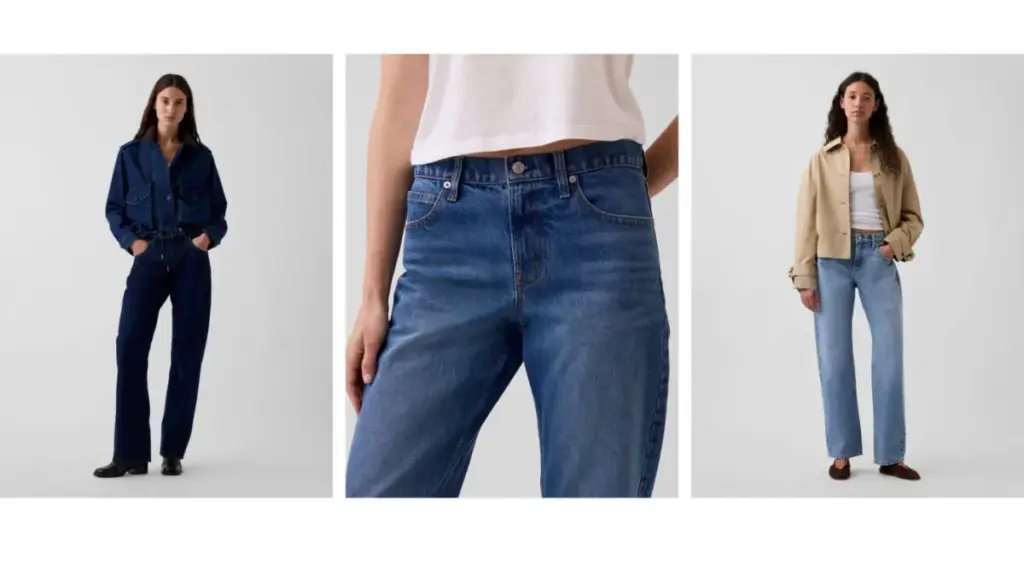
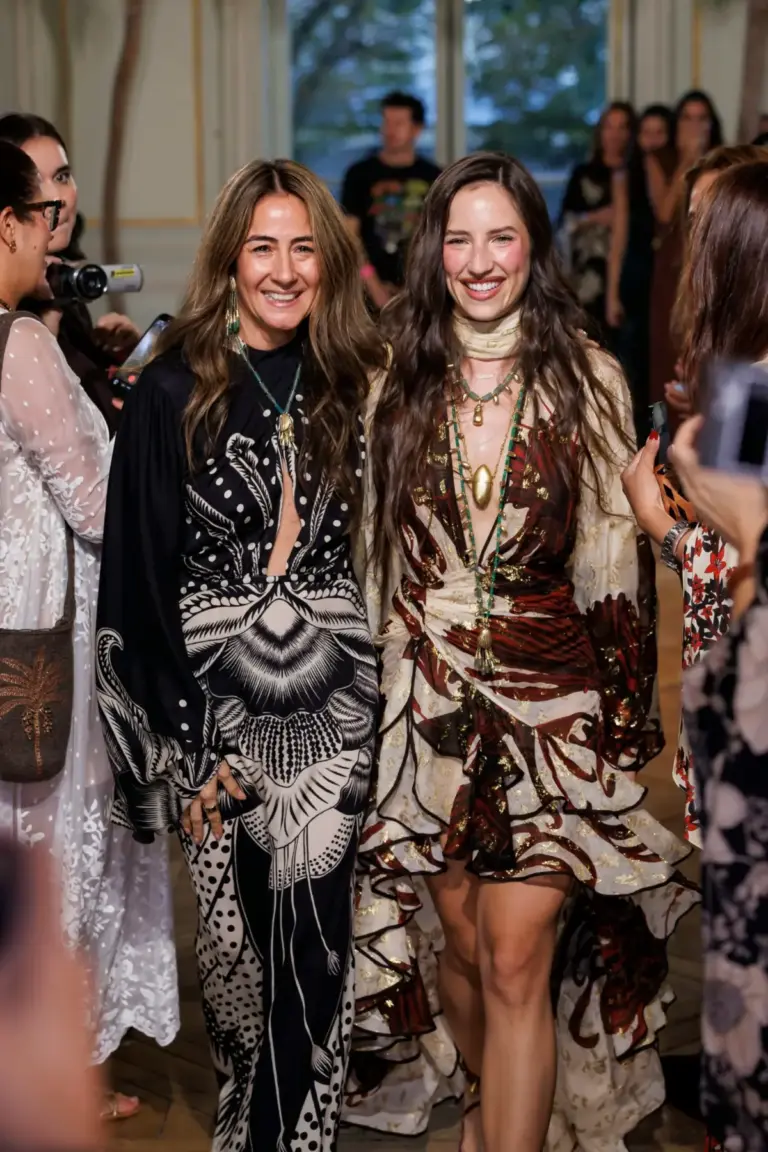
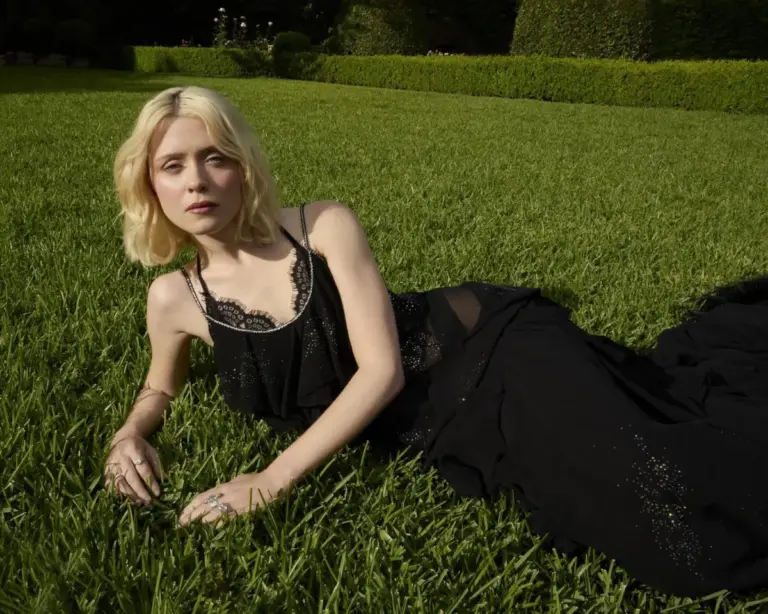
The cyclical nature of fashion has officially landed back in the 1990s, with denim reigning supreme as the ultimate canvas for retro revival. Across the major global fashion weeks—from the slouchy silhouettes at Tom Ford and high-waisted statements at Gucci to utility-driven designs at Stella McCartney and the sharp, straight-tapered tailoring championed by Khaite—the runway has spoken: hyper-skinny cuts have officially stepped aside to make room for relaxed, structured silhouettes.
Yet, for the average consumer, translating high-end runway trends into a functional, long-lasting wardrobe investment is an annual obstacle course. Trends come and go with dizzying velocity, leaving shoppers hesitant to sink money into ephemeral fads that risk looking dated by next season. The holy grail of denim shopping remains a pair of jeans that captures the current zeitgeist while retaining enough timeless utility to remain wearable five years down the line.
Enter the straight taper jean.
Occupying the sartorial sweet spot between a classic straight leg and a heavily relaxed profile, the subtle taper provides a polished, intentional architecture without crossing into overly gimmicky territory. Best of all, breaking into this trend no longer requires a four-figure luxury budget. Building on the runaway success of its viral Hailey Jean, Gap has introduced the Straight Taper Jean—a runway-inspired silhouette engineered for everyday life, retailing at an accessible $90 (currently marked down to $62).
Bridging the gap between high fashion and practical consumer demand, this release offers an authoritative case study in how mass-market heritage brands are successfully democratizing elite runway aesthetics for the modern wardrobe.
Detailed Chronology of the 1990s Denim Revival
To understand how the straight taper jean ascended to its current status as the defining silhouette of 2026, one must trace the recent history of denim evolutions across global design houses.
The Shift Away from Skinny Cuts (2020–2023)
For well over a decade, the global denim market was dominated by ultra-formfitting silhouettes. However, pandemic-era lifestyle shifts catalyzed a rapid cultural pivot toward comfort, utility, and ease. Loose-fitting dad jeans, boyfriend cuts, and wide-leg trousers quickly dominated street style. While liberating, these hyper-relaxed styles often posed styling challenges for everyday wearers, occasionally lacking the structure required for office environments or polished evening looks.
The Runway Re-centering (Fall/Winter 2024–2025)
As designers sought to reconcile the desire for comfort with a renewed demand for refinement, attention shifted toward the architectural silhouettes of the late 1990s and early 2000s. Luxury labels began experimenting with precision tailoring in denim. Tom Ford introduced slouchy, fluid lines, while Gucci championed high-waisted variations that elongated the frame. Stella McCartney leaned heavily into industrial utility aesthetics, creating multi-pocketed denim that merged workwear with luxury styling.
The Khaite Effect and the Rise of the Straight Taper (2025–2026)
The definitive turning point for the current trend arrived courtesy of Khaite, whose straight-tapered silhouettes captured the critical eye of fashion editors and buyers alike. By narrowing the leg ever so slightly at the ankle, these designs eliminated the excessive pooling of wide-leg styles while retaining an effortless, relaxed fit through the thigh and hip. It was an instant masterclass in proportion.
The Mass-Market Translation (Early 2026)
Recognizing the widening gulf between runway pricing and consumer purchasing power, heritage high-street mainstays stepped in to bridge the gap. Following the immense commercial validation of its Hailey Jean, Gap seized upon the momentum of the straight taper. By translating the aesthetic codes of high-end houses—rigid 100 percent cotton structures, rich dark washes, and measured tapering—into an approachable, sub-$100 package, the brand democratized the silhouette just as it hit peak cultural saturation.
Supporting Context & Metrics: Decoding the Denim Consumer
The commercial viability of the straight taper jean is underscored by changing consumer preferences, shifting retail economics, and a growing weariness toward fast-fashion micro-trends.
The Longevity Factor
According to recent retail data compiled by fashion intelligence platforms, modern consumers are increasingly prioritizing "cost-per-wear" metrics over impulsive trend-buying. Inflationary pressures and sustainability concerns have driven shoppers to seek out durable, high-integrity fabrics—most notably 100 percent rigid cotton—that develop character over time rather than synthetic-blend stretch denim that degrades within seasons.
The Versatility Equation
Market research consistently highlights versatility as the number-one driving factor in denim purchasing decisions. Consumers demand garments that seamlessly transition across multiple environments:
Daytime Casual: Paired with a relaxed-fit cotton T-shirt and flat sandals for running errands.
Smart Casual: Styled with an oversized blazer and loafers for creative office spaces.
Evening Sophistication: Elevated with a delicate silk camisole and low kitten heels for dinner or evening events.
The straight taper jean checks every box. Its balanced proportions prevent it from overpowering petite frames, while its architectural cut provides enough visual weight to anchor statement outerwear like faux fur coats or tailored wool trenches.
Official Statements and Industry Insights
The design philosophy behind Gap’s latest denim iteration sheds light on how legacy brands are engineering products to meet contemporary demands without sacrificing style credentials.
"Across the board, we’ve seen a growing appetite for ease and comfort, but also for silhouettes that feel intentional and polished," explains Jane Pattinson, Gap’s Head of Design. "The slight taper silhouette gives this style structure without feeling restrictive, for a look that’s modern but still very wearable."
Pattinson’s insight highlights a critical engineering challenge in denim manufacturing: balancing vintage-inspired rigidity with everyday wearability. Traditional 100 percent cotton denim often demands a grueling break-in period, frequently deterring shoppers who prioritize immediate comfort. By refining the pattern-making process—adding calculated ease through the thigh while tapering cleanly below the knee—Gap’s design team achieved a vintage aesthetic without the associated stiffness.
Industry analysts note that this approach represents a broader shift in retail strategy: moving away from hyper-specific niche trends and toward "elevated staples" that serve as foundational blocks for a capsule wardrobe.
Future Outlook: Is the Straight Taper Here to Stay?
As the fashion calendar looks toward upcoming seasons, the existential question facing any new denim silhouette is simple: Will it survive the inevitable cycle of trend obsolescence?
Fashion historians and trend forecasters suggest that the straight taper jean is uniquely positioned to escape the graveyard of fleeting fads. Unlike extreme low-rise cuts or exaggerated barrel-leg trousers—both of which demand a very specific styling context—the straight taper is, at its core, a direct evolutionary descendant of the classic straight leg.
By taking a time-tested staple and introducing a subtle, modern refinement, brands have created a silhouette that feels contemporary without being prisoners of the current year. It is a design that respects the past, addresses the functional needs of the present, and possesses the sartorial durability required for the future.
For consumers looking to refresh their wardrobes without engaging in disposable fashion cycles, investing in a well-constructed straight taper jean isn’t just a nod to the ’90s revival—it is a calculated, timeless addition to the modern closet.