Executive Overview
In a sweeping public health advisory issued in September 2026, health authorities and manufacturers have initiated an urgent, nationwide product recall for one of the world’s most recognizable over-the-counter pain management solutions. Mentholatum Australasia Pty Ltd, operating in coordination with regulatory bodies, has officially flagged specific batches of Deep Heat Extra Strength 100g cream due to the dangerous presence of bacterial contamination.
Subsequent laboratory testing revealed that the affected tubes harbor "higher than acceptable" concentrations of a rare opportunistic bacterium known as Pluralibacter gergoviae. While the topical analgesic is a staple in households, gym bags, and medicine cabinets across Australia—frequently relied upon by athletes, the elderly, and individuals managing chronic musculoskeletal discomfort—these specific compromised batches pose hidden, severe clinical risks.
Consumers currently in possession of the recalled items have been issued an immediate directive: stop use entirely, isolate the product, and return it to the point of purchase or contact the manufacturer for a full remedy. This comprehensive report explores the background of the recall, the nature of the bacterial contaminant, the precise affected batches, potential health repercussions for vulnerable populations, and the broader implications for consumer safety and pharmaceutical manufacturing standards.
Detailed Chronology of the Recall Event
The discovery and subsequent containment of the contaminated Deep Heat products followed a strict protocol governed by national therapeutic goods regulations.
Phase 1: Routine Quality Assurance and Detection
The issue came to light during routine post-market surveillance and microbiological testing phases conducted on manufacturing lines distributed within the region. Quality control laboratories identified anomalous microbial growth within specific production runs of the widely utilized 100g Deep Heat Extra Strength formulation. Further identification tests confirmed the presence of Pluralibacter gergoviae, a microorganism that fails to meet stringent sterility and safety thresholds required for topical pharmaceutical formulations applied to the human body.
Phase 2: Regulatory Escalation and Risk Assessment
Upon confirming the elevated bacterial loads, Mentholatum Australasia Pty Ltd immediately alerted regulatory authorities, most notably the Therapeutic Goods Administration (TGA). An expedited risk assessment was initiated to evaluate the potential hazard posed to the general public. Because topical creams are frequently applied to areas of physical stress, post-exercise inflammation, and occasional minor skin abrasions or micro-tears, regulatory officials determined that the risk profile warranted an immediate, mandatory public recall rather than a quiet inventory withdrawal.
Phase 3: Public Notification and Enforcement
On September 8, 2026, formal recall notices were broadcast across mainstream media channels and regulatory bulletins. Consumers were urged to check their medicine cabinets immediately. Retailers, pharmacies, and online distributors were instructed to quarantine remaining stock from the flagged batches, removing them from shelves to prevent further consumer exposure.
Technical Profile: Understanding Pluralibacter gergoviae
To fully grasp the gravity of the recall, it is essential to examine the nature of the contaminant. Pluralibacter gergoviae (formerly classified under the genus Enterobacter) is a Gram-negative, rod-shaped, facultatively anaerobic bacterium. While not typically recognized as a primary pathogen in healthy populations with robust immune systems, it is classified as an opportunistic pathogen.

What is an Opportunistic Pathogen?
An opportunistic pathogen is a microorganism that does not normally cause disease in a healthy host with a fully functioning immune system. However, it can take rapid advantage of a host whose immune system has been compromised, weakened, or suppressed. Furthermore, these bacteria can transition from harmless commensals or environmental contaminants to active infectious agents when introduced past the body’s primary mechanical defense barrier—the skin.
Clinical Vulnerabilities Associated with the Bacterium
When a product contaminated with Pluralibacter gergoviae is applied topically, several risk vectors emerge:
- Compromised Skin Barriers: Individuals utilizing Deep Heat for post-workout soreness or joint pain may have micro-abrasions, skin chafing, minor cuts, or dermatitis. Introduction of Gram-negative bacteria directly into broken skin can lead to localized dermal infections, cellulitis, or systemic complications.
- Immunocompromised Individuals: Patients undergoing chemotherapy, individuals with autoimmune disorders, those on immunosuppressive therapies, or elderly populations face a drastically heightened risk. For these groups, an exposure that might cause a healthy individual zero symptoms can escalate into invasive infections, bacteremia, or severe inflammatory responses.
- Respiratory and Mucosal Risks: If contaminated cream accidentally comes into contact with mucous membranes (such as the eyes or respiratory tract via unwashed hands), secondary infections or irritations can occur.
Product Specifications & Identification Guide
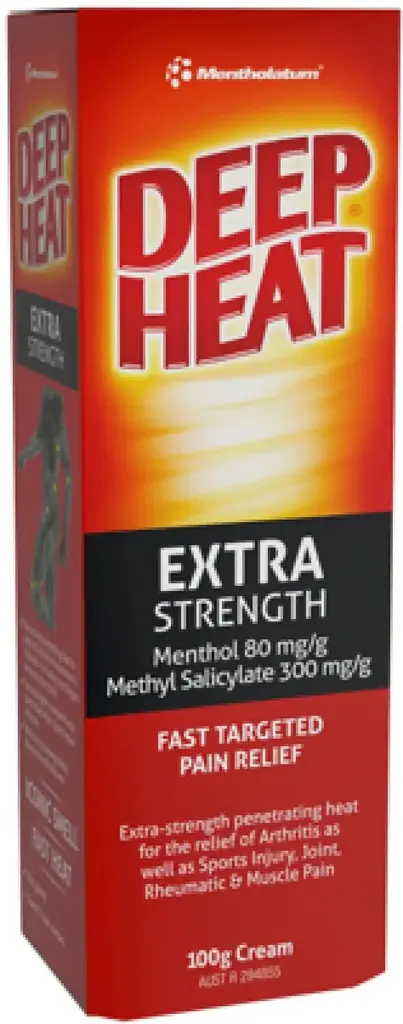
Consumers and healthcare providers must verify whether the pain relief creams in their possession are part of the compromised inventory. Below are the exact technical specifications of the recalled merchandise:
- Product Name: Deep Heat Extra Strength Cream
- Pack Size: 100g tube
- Manufacturer: Mentholatum Australasia Pty Ltd
- Affected Batch Numbers:
- V772
- V773
- Stated Expiry Date: June 2029
How to Locate Your Batch Number
To check if a tube of Deep Heat is impacted, users should inspect the crimped end of the metal or plastic tube, or examine the outer cardboard packaging. Batch numbers and expiration dates are typically embossed directly into the physical seal of the tube. If the numbers read V772 or V773 with a June 2029 expiry date, the product must be set aside immediately. Tubes bearing any other batch numbers are not currently subject to this recall and remain safe for standard use.
Official Statements and Regulatory Guidance
The Therapeutic Goods Administration (TGA), alongside Mentholatum Australasia, has released comprehensive guidelines outlining the steps consumers and retailers must take.
"Mentholatum Australasia Pty Ltd is conducting an urgent recall of two batches of Deep Heat Extra Strength 100g cream due to contamination. If you have purchased any affected batches of the product, do not use it under any circumstances. Return the item to your place of purchase for a full refund or contact our consumer support hotline for assistance."
Key Safety Directives Issued to the Public:
- Cease Application Immediately: Stop rubbing the cream onto sore muscles, joints, backs, or limbs if it belongs to batch V772 or V773.
- Inspect and Quarantine: Check all tubes of Deep Heat currently stored in homes, sports lockers, first-aid kits, and travel bags.
- Safe Disposal or Return: Do not simply throw the product into general waste where pets or wildlife might encounter it; instead, return it directly to the retail pharmacy or supermarket where it was purchased.
- Monitor Health Symptoms: Individuals who have recently applied the cream from these specific batches should monitor their skin for signs of unusual redness, swelling, warmth, pus, or localized infection, consulting a general practitioner immediately if symptoms arise.
Supporting Context & The Broader Pharmaceutical Landscape
The occurrence of microbial contamination in topical non-sterile cosmetics and over-the-counter (OTC) pain relief balms highlights a persistent vulnerability within global supply chains and manufacturing hygiene protocols.
Manufacturing Challenges in Topical Analgesics
Topical formulations such as creams, ointments, and gels contain water, emollients, emulsifiers, and active pharmaceutical ingredients (such as menthol, methyl salicylate, and eucalyptus oil). While these formulations generally incorporate chemical preservatives to inhibit microbial proliferation, failures in preservative efficacy, breaches in manufacturing facility sanitation, or raw material contamination can allow resilient bacteria like Pluralibacter gergoviae to survive and multiply.

Over the past decade, regulatory agencies worldwide have intensified scrutiny on non-sterile manufacturing environments. Pluralibacter gergoviae in particular has earned a reputation within the cosmetic and pharmaceutical industries as a notoriously hardy contaminant capable of developing resistance to certain standard preservatives used in water-based emulsions.
Economic and Brand Impact
For Mentholatum Australasia, prompt action is critical not only for public safety but also for brand preservation. Swift, transparent communication helps mitigate consumer panic and demonstrates corporate accountability. However, large-scale recalls inevitably result in significant logistical costs, product write-offs, and temporary disruptions in retail supply chains as shelves are cleared and restocked with verified, uncontaminated stock.
Future Outlook and Preventative Measures
As the investigation into the root cause of the contamination at the manufacturing facility continues, industry analysts and regulatory experts are looking toward long-term preventative measures to ensure this incident remains isolated.
Enhanced Quality Control Protocols
Moving forward, manufacturers of topical OTC products are expected to implement even more rigorous bio-burden testing regimes throughout the production cycle. This includes:
- Stricter water-system validation checks within manufacturing plants.
- Advanced preservative efficacy testing (PET) across varied environmental conditions.
- Enhanced batch-release testing to intercept microbial anomalies before goods clear customs or distribution hubs.
Consumer Awareness and Vigilance
This incident serves as a vital reminder to consumers regarding the importance of paying close attention to product recalls and safety advisories. Over-the-counter remedies are often viewed as entirely benign because they do not require a doctor’s prescription; however, they remain chemical and biological formulations that interact directly with the human body.
Conclusion
The recall of Deep Heat Extra Strength 100g cream batches V772 and V773 underscores the critical importance of stringent quality assurance in consumer healthcare products. By acting quickly, checking their medicine cabinets, and adhering strictly to the directives issued by Mentholatum Australasia and the TGA, consumers can effectively neutralize any health risks associated with this bacterial contamination event. Anyone in possession of the affected batches is strongly advised to prioritize safety by discontinuing use and returning the product immediately.