Executive Overview
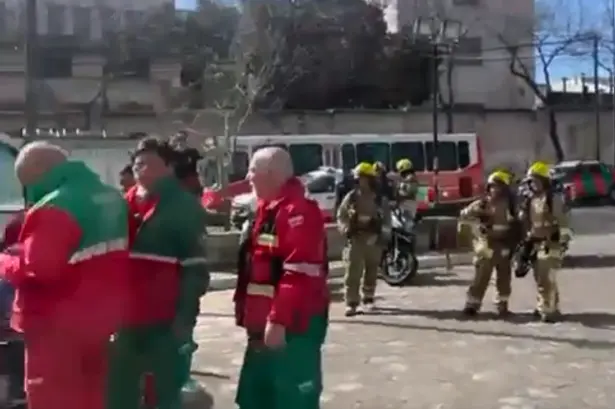
BUENOS AIRES, ARGENTINA — Emergency medical personnel, municipal firefighters, and specialized rescue units rushed to the sprawling campus of the Braulio Aurelio Moyano Neuropsychiatric Hospital on the afternoon of Monday, September 7, 2026. A sudden and unexpected fire broke out within the historic facility, located in the densely populated Barracas neighborhood of Argentina’s capital city, triggering a massive multi-agency response.
The incident immediately put local emergency services on high alert. City firefighters battled the blaze across the sprawling 17-hectare property, while the Emergency Medical Care System (SAME) mobilized an unprecedented fleet of 16 mobile units to triage, treat, and secure vulnerable patients and staff members.
According to preliminary official reports, 50 patients were successfully treated for smoke inhalation and shock on-site by specialized psychiatric and emergency medical teams. Two individuals required immediate transfer to external medical facilities for a higher level of specialized care. As investigators comb through the charred remains of the affected area, the exact cause of the blaze remains undetermined, leaving officials and community advocates searching for answers.
The crisis at the Moyano Neuropsychiatric Hospital—a cornerstone of Argentina’s public mental health infrastructure with a capacity of nearly 1,500 beds—has once again thrust the institution into the national spotlight. Coming just over two years after a similarly disruptive fire in May 2024, this latest emergency has reignited intense public scrutiny regarding the safety, structural integrity, long-term maintenance, and budgetary prioritization of historical healthcare facilities in Buenos Aires.
Detailed Chronology of the Incident
The Initial Alarm and Emergency Mobilization
The peace of the Monday afternoon was shattered at the Braulio Aurelio Moyano Neuropsychiatric Hospital when thick plumes of smoke were spotted rising from one of the compound’s structures. Staff members immediately initiated internal emergency protocols, alerting municipal authorities at approximately mid-afternoon.
The response was swift and comprehensive. Given the specialized nature of the facility—which houses vulnerable psychiatric patients requiring targeted care during evacuations—dispatchers elevated the priority level of the emergency. City firefighters were deployed from multiple surrounding stations, arriving at the Barracas campus with heavy apparatus to combat the flames and prevent them from spreading to adjacent wards.
On-Site Triage and Medical Intervention
Concurrently, the Emergency Medical Care System (SAME) activated a massive logistical response, deploying 16 mobile units, including advanced life support ambulances and specialized psychological triage vans. Medical personnel established a secure perimeter and triage zone on the expansive 17-hectare grounds to evaluate patients and personnel evacuated from the affected zones.
Emergency medical workers treated 50 patients directly on-site, providing oxygen therapy for smoke inhalation, managing acute anxiety and panic responses, and ensuring that individuals with pre-existing physical conditions remained stable. Out of the dozens evaluated, two patients presented with complications that necessitated urgent transport to external general hospitals for advanced medical observation and treatment. By late evening, emergency crews had successfully contained the fire, secured the premises, and begun the painstaking process of ventilation and structural safety checks.
Supporting Context & Metrics: Inside the Moyano Facility
A Century-Old Healthcare Institution
To understand the logistical and structural challenges of managing an emergency at the Braulio Aurelio Moyano Neuropsychiatric Hospital, one must examine the sheer scale and historical footprint of the institution. Spanning a massive 17-hectare (approximately 42-acre) property in Barracas, the hospital is not merely a single building, but a vast complex featuring numerous pavilions, administrative offices, and specialized treatment wards.
The facility maintains nearly 1,500 beds, making it one of the largest psychiatric hospitals in Latin America. It incorporates 37 distinct assistance services, ranging from acute psychiatric care and occupational therapy to geriatric mental health and long-term residential support. Because of its sprawling layout and high patient occupancy, any localized emergency poses a complex operational puzzle for both hospital administrators and municipal first responders.
A Troubling History of Fire Incidents
Monday’s fire is not an isolated event in the modern history of the Moyano Neuropsychiatric Hospital, raising profound safety concerns among unions, civil rights advocates, and patient families.

In May 2024, a major fire broke out at the exact same institution, exposing similar vulnerabilities in the facility’s infrastructure. During that incident, flames rapidly spread through a second-floor attic space, generating intense heat and thick smoke that ultimately caused a portion of the historical structure’s roof and interior framing to collapse.
First responders in 2024 were forced to urgently evacuate 66 patients from the path of the destruction. While that operation was executed without any reported fatalities, it left deep psychological scars on the patient population and initiated a wave of public outcry regarding the safety standards of the aging campus. The recurrence of a dangerous fire just over two years later suggests that systemic vulnerabilities—ranging from outdated electrical grids to deferred maintenance—may not have been fully resolved.
Official Statements and Institutional Accountability
As the smoke cleared on Monday evening, local authorities, hospital administrators, and municipal agencies faced mounting questions regarding how the fire was allowed to occur and whether sufficient safeguards were in place following the 2024 disaster.
Emergency Services and Municipal Response
Representatives from the Buenos Aires City Government and SAME issued interim updates praising the rapid coordination between firefighters, medical personnel, and hospital staff. Officials emphasized that the quick deployment of 16 mobile units prevented what could have been a catastrophic loss of life, given the high density of vulnerable individuals residing within the facility.
However, statements regarding the cause of the fire remained cautious. Fire department investigators, working alongside forensic teams, stated that technical evaluations were ongoing. Because the campus features many older structures, investigators must rule out electrical faults, structural decay, and other hazards typical of heritage properties before issuing a definitive conclusion.
Raising Questions on Infrastructure and Budget
The incident has instantly reignited a fierce political and social debate in Argentina surrounding the allocation of public funds to mental health institutions. Following the May 2024 fire, civil society organizations, labor unions representing healthcare workers, and psychiatric patient advocacy groups repeatedly petitioned municipal and national governments to increase the budgetary allocation dedicated to facility modernization and structural fire safety.
Critics argue that historic institutions like the Moyano Neuropsychiatric Hospital suffer from chronic underfunding, resulting in outdated wiring, inadequate fire suppression systems (such as modern sprinkler networks), and insufficient staffing levels to safely manage rapid evacuations.
In the wake of the September 7 blaze, labor representatives renewed their calls for a comprehensive, transparent audit of all public healthcare infrastructure in Buenos Aires. Advocates argue that patient safety cannot rely solely on the heroic efforts of first responders after a disaster strikes; rather, proactive capital investments in fireproofing, electrical retrofitting, and facility maintenance are urgently required to prevent such crises from recurring.
Future Outlook and Ongoing Investigations
As the recovery phase begins at the Braulio Aurelio Moyano Neuropsychiatric Hospital, several critical developments are anticipated in the coming days and weeks:
- Forensic and Cause Investigations: Specialized fire investigators are expected to release a preliminary technical report detailing the origin point of the September 7 fire. This report will determine whether the blaze was accidental, electrical, or related to the structural vulnerabilities of the aging pavilions.
- Structural Integrity Assessments: Municipal engineers will conduct rigorous safety inspections of the affected areas on the 17-hectare campus. Buildings deemed structurally compromised will remain sealed until extensive repairs can be authorized and executed.
- Patient Welfare and Psychological Support: Hospital administrators have confirmed that specialized psychological support teams are being deployed to assist patients traumatized by the event. Ensuring continuity of care for the 50 individuals treated on-site and monitoring the two transferred patients remain top institutional priorities.
- Legislative and Budgetary Pressure: Lawmakers and municipal council members are expected to face renewed pressure to convene hearings on public hospital maintenance budgets. Advocacy groups are pushing for emergency appropriations to upgrade fire suppression systems across all aging psychiatric and general medical facilities in the capital.
The incident at the Braulio Aurelio Moyano Neuropsychiatric Hospital serves as a stark reminder of the fragile state of historical public infrastructure. While the swift actions of firefighters and SAME medics averted tragedy on this occasion, the broader structural questions surrounding the safety and modernization of Argentina’s mental health facilities demand immediate, sustained, and well-funded attention from policymakers.