For decades, the beauty industry treated curly, coily, and textured hair as a monolith—a singular hair type requiring a heavy-handed, one-size-fits-all "hero product" to beat submission into submission. Yet, as consumers increasingly lean into their natural textures and embrace intuitive, multi-step care regimens, the approach to curl management is undergoing a quiet, transformative revolution.
Enter moisture layering: a bespoke, scientific philosophy borrowed directly from the world of advanced skin care. Just as beauty enthusiasts have long understood the art of layering lighter essences and humectants before sealing them in with heavier creams and facial oils, the modern hair community is applying this exact methodology to spiraled and wavy tresses.
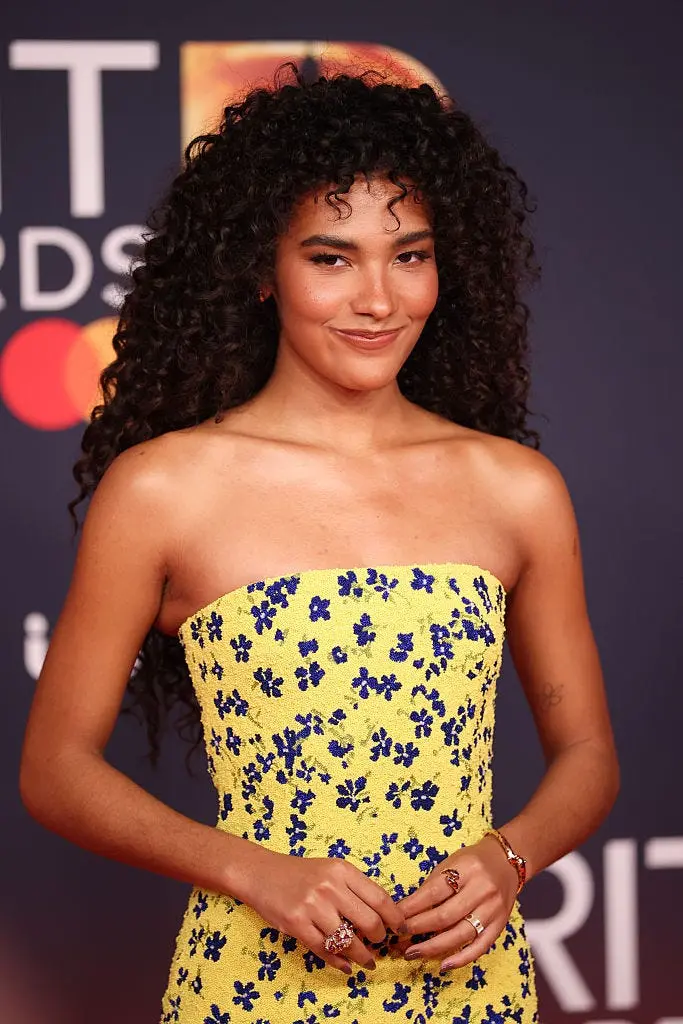
From the glossy, undone textures gracing the Oscars red carpet on stars like Odessa A’zion to the flawless, touchable definition sported by Olivia Dean at the 2026 Brit Awards, today’s most coveted red-carpet manes are not the result of a single miracle product. Rather, they are built on a meticulous architecture of hydration. By orchestrating how different ingredients interact sequentially with the hair fiber, moisture layering bridges the gap between science and styling. It replaces guesswork with a strategic framework that honors the structural realities of textured hair—proving that when it comes to curls, the secret lies not in what you use, but precisely how and when you layer it.
Detailed Chronology: The Evolution of Curl Care
To understand why moisture layering has emerged as the definitive hair trend, one must trace the historical missteps of conventional curl maintenance.
Era One: The Heavy-Handed Masking (Pre-2015)
Historically, curly hair routines were defined by restriction and concealment. Consumers with textured hair were often nudged toward thick, greasy butters or stiff, alcohol-laden gels designed to "tame" or "control" volume. The objective was reduction, not health. Curls were frequently weighed down, resulting in greasy roots paired with brittle, under-hydrated ends. The science of hair porosity was largely ignored by mainstream brands, leading to widespread cycle of product buildup, dryness, and breakage.
Era Two: The "Hero Product" Phenomenon (2015–2022)
As the natural hair movement gained momentum, the market shifted toward specialized curl lines. However, the prevailing marketing narrative relied heavily on the concept of the "holy grail" product—a single multi-tasking cream or a one-step custard promising to define coils instantly. While this era brought much-needed visibility to diverse textures, it fell short for many consumers whose hair required nuanced, localized hydration. A single cream could not simultaneously draw moisture into a high-porosity crown while safeguarding fine, low-porosity ends from becoming limp.
Era Three: The Skincare-ification of Hair (2023–Present)
Today, we are witnessing the convergence of dermatological science and trichology. Consumers began applying skincare-grade active ingredients—such as hyaluronic acid, ceramides, glycerin, and peptides—to their scalps and strands. This philosophical shift dismantled the boundary between skin and hair. The realization that hair fibers require sequential hydration (hydration attraction, structural softening, and moisture sealing) birthed the modern era of moisture layering. It is a methodical, highly customizable choreography that treats individual curl patterns with the same precision once reserved for complex skin barriers.
Supporting Context & Metrics: The Science of Textured Tresses
At its core, moisture layering is not merely a cosmetic trend; it is a structural necessity dictated by the anatomy of curly and coily hair.
The Porosity and Geometry Puzzle
Unlike straight hair, which allows natural sebum produced at the scalp to travel effortlessly down the length of the fiber, curly and coily hair features geometric bends and twists. These structural kinks act as physical roadblocks, making it exceedingly difficult for natural oils to coat the mid-lengths and ends. Consequently, textured hair is structurally drier and inherently more porous.
Furthermore, environmental aggressors—ranging from high humidity and hard water to UV exposure, thermal styling, and urban pollution—actively compromise the hair cuticle. When the cuticle is raised or damaged, moisture escapes as quickly as it enters, leading to chronic frizz, loss of elasticity, and eventual breakage.
The Breakdown of Layering Components
To counteract this structural vulnerability, moisture layering relies on a tripartite biochemical system:
Humectants (The Draw): Ingredients like glycerin, panthenol, and hyaluronic acid act as moisture magnets. Applied on wet hair, they actively draw ambient moisture and water molecules into the hair shaft, swelling the fiber just enough to accept deeper nourishment.
Emollients and Proteins (The Softener/Builder): Ceramides, lightweight milks, and amino acids fill microscopic gaps in the cuticle. They smooth the outer layer of the hair fiber, restoring elasticity and structural integrity without imparting heaviness.
Occlusives and Polymers (The Seal): Lightweight oils, silicones, or natural lipids form a breathable, protective matrix over the hair strand. This final step traps the preceding layers of hydration inside, preventing moisture evaporation and shielding the hair from external humidity shifts.
Market research underscores this behavioral shift. Consumer data indicates a 42% year-on-year increase in searches for "customized curl routines" and a significant drop in single-product purchases. Shoppers are increasingly investing in multi-step regimens that prioritize long-term hair health over temporary aesthetic fixes.
Official Statements & Expert Insights
Industry leaders, session stylists, and trichology specialists agree that moisture layering represents a maturation in how we approach personal grooming.
"At a scientific level, it’s about how different ingredients interact with the hair fiber," explains Emma Simmons, salon owner, session stylist, and leading specialist in curly and textured hair at Salon 54. "You’ve got humectants like glycerin or panthenol that draw moisture in, emollients that soften the cuticle, and then lightweight oils or polymers that help seal everything in. If you skip a step, you don’t get the same result."
Simmons emphasizes that curly hair’s natural predisposition toward dryness means that standard conditioning simply isn’t enough. By building a routine that mimics what the hair strand cannot achieve on its own—namely, distributing and sealing hydration—wearers can fundamentally alter the health and appearance of their coils.
Echoing this sentiment, Dani Caldeira, a hair and color specialist at The Six, Mayfair, highlights the individuality required within the practice:
"Caring for curls is incredibly nuanced. There are multiple patterns, techniques, and product options to consider. Moisture layering simplifies this by breaking the routine into intentional steps. It allows you to better understand your individual curl pattern, its specific needs, and your preferred finish, helping you build a routine that works with your hair, rather than against it."
Caldeira notes a common misconception among clients: "Curly hair is naturally drier and often mistaken for simply being ‘frizzy.’ Like dry skin, it needs the right balance of hydration to perform at its best."
Meanwhile, Annabelle Taurua, beauty expert at Fresha, underscores the importance of preservation between formal wash days:
"Curly hair thrives when it’s not overwashed. Between washes, spritz your curls with water or a curl-refreshing mist and gently scrunch to bring back bounce. A small amount of leave-in conditioner will help maintain moisture and keep frizz at bay. Sleeping on a silk pillowcase and using a hair wrap at night will further protect your curl pattern."
The Master Class: The Ultimate Wash Day Moisture-Layering Routine
Achieving frizz-free, high-definition curls without stiffness requires precise timing. According to leading stylists, the transformation begins inside the shower, where moisture retention is maximized before the hair ever encounters a towel.
Step 1: Hydrate (The Foundation)
The Goal: Open the hair architecture and flood the cortex with internal moisture.
The Technique: On freshly washed, dripping-wet hair, begin with a lightweight, water-based product. A hydrating mist or a fluid leave-in conditioner works perfectly.
Expert Pick:The Gisou Honey Milk Active Repair Leave-In Conditioner Mist. Rich in restructuring ceramides, this lightweight mist reinforces the internal hair structure while smoothing and locking in foundational hydration. Apply generously to mid-lengths and ends where structural dryness is most prominent.
Step 2: Define Your Curls (The Shape)
The Goal: Sculpt the curl pattern and set definition without creating an unyielding, crunchy cast.
The Technique: Layer a curl cream or a fluid styling gel over your leave-in treatment while the hair remains thoroughly saturated. Creams impart soft, touchable bounce, while gels offer extended hold and high-definition spirals.
Expert Pick:The Eternal Curls range by Oribe offers a versatile spectrum of styling solutions tailored to varying curl architectures, allowing you to lock in your natural pattern with absolute precision.
Step 3: Seal and Shine (The Shield)
The Goal: Lock down the cumulative moisture layers and protect the cuticle against atmospheric humidity.
The Technique: Diffuse your hair using a wandering motion—hovering the diffuser around the head rather than aggressively scrunching wet hair directly into the bowl—to drastically minimize frizz. Once your hair is 80 to 90 percent dry, the core curl pattern is set. Finish by applying a few drops of a lightweight oil to break any residual styling cast and impart glass-like gloss.
Expert Pick:Moroccanoil Treatment. This classic formula smooths the outer cuticle, tames stray flyaways, and keeps your carefully layered moisture intact, leaving curls remarkably soft, glossy, and touchable.
Over-Night Preservation Strategies
To maintain your moisture-layered masterpiece through the night:
For Tight Coils & Spirals: Protect your pattern by sleeping on a pure silk pillowcase and securing hair in a loose pineapple ponytail or satin bonnet.
For Loose Waves: Try light plaiting before bed combined with a silk bonnet; this creates effortless, uniform bends by morning while keeping friction-induced frizz at bay.
Future Outlook: Where Curl Care Is Heading
As the beauty landscape moves further into hyper-personalization, the future of curl care points away from generic styling products and toward modular, treatment-led regimens.
We can anticipate a surge in scalp-and-strand hybrid formulations, intelligent delivery systems that release humectants in response to ambient humidity, and diagnostics tools designed to map out individual porosity zones across a single head of hair. Just as skincare routines are seasonally adjusted—shifting from rich lipid creams in winter to lightweight hyaluronic serums in summer—the modern curly-haired consumer will increasingly adapt their moisture-layering cocktail to match shifting climates, travel schedules, and lifestyle demands.
Ultimately, moisture layering reframes textured hair not as a problem to be corrected or a rebellious texture to be "tamed," but as a dynamic asset to be celebrated. By treating every coil and wave with scientific intentionality, beauty enthusiasts are discovering a liberating truth: when nourished correctly from the inside out, natural texture performs at its absolute finest.