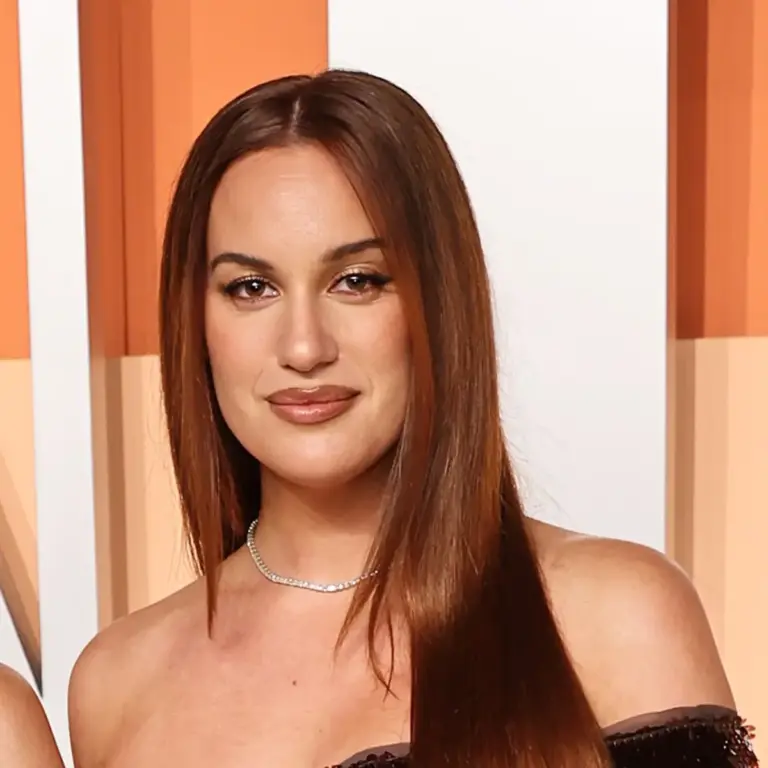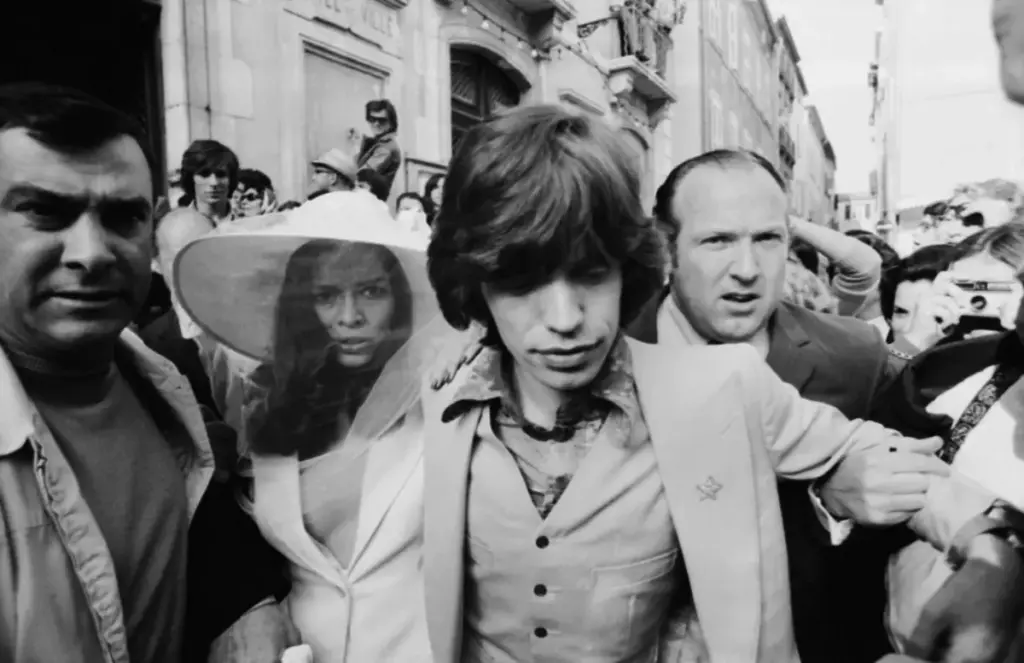
In an era defined by hyper-curated digital identities and colossal multi-day wedding productions, a striking cultural counter-movement has taken root at the municipal level. When pop powerhouses Dua Lipa and Callum Turner descended the steps of Old Marylebone Town Hall following a civil ceremony—Lipa clad in a Bianca Jagger-esque custom Schiaparelli couture pencil skirt, blazer, and a dramatic wide-brimmed hat—it signaled more than just a celebrity nuptial. It codified a definitive modern aesthetic: the romantic city hall fling.
This high-profile civil union mirrors a growing cultural blueprint established just a summer prior, when Charli xcx married The 1975’s George Daniel in a Vivienne Westwood creation at London’s Hackney Town Hall, followed by a sun-drenched, cigarette-strewn after-party in Palermo. Far from mere budget-conscious elopements, these high-fashion municipal weddings have redefined what modern luxury looks like. They act as a direct ideological rejection of the multi-million-dollar, six-hundred-guest estate productions popularized by previous generations.
As Gen Z and younger millennials begin to saturate the marriage market, accounting for roughly 40 percent of domestic weddings in the United States, the traditional wedding industry is facing an existential reckoning. Totaling over a trillion dollars globally, the wedding machine has long demanded that couples function as high-end event planners, orchestrating everything from engagement shoots and color-coded bachelorette trips to welcome dinners and farewell brunches. In stark contrast, the city hall wedding strips away the oppressive logistics of performative hosting. It returns the focus to its core elements: a legal union, an exceptional outfit, and the person you are marrying—even if a private, hedonistic Mediterranean after-party awaits on the other side.
Detailed Chronology: From Marilyn to Modern Pop Royalty
To understand the weight of the contemporary city hall renaissance, one must trace its lineage. Courthouse weddings are not entirely new; they carry a storied, rebellious history in pop culture. Marilyn Monroe and Joe DiMaggio famously tied the knot at San Francisco City Hall in 1954 in a modest, press-swarmed civil service. A decade later, George Harrison and Pattie Boyd wed at the Epsom register office in Surrey, while Mick and Bianca Jagger’s legendary 1971 civil ceremony at St. Tropez Town Hall cemented the register office as the ultimate canvas for effortless, counter-culture style.
However, the post-pandemic landscape altered this trajectory in unexpected ways. The COVID-19 era forced couples to either postpone celebrations indefinitely, scale back entirely, or embrace digital and micro-ceremonies out of necessity. When restrictions lifted, the industry bounced back with a vengeance, driving up costs and expectations. By 2025, over two million couples were marrying in the United States alone, with average costs soaring to approximately $34,000 per event, according to data from The Knot.
Against this backdrop of inflation and ballooning expectations, today’s pop icons have re-engineered the civil ceremony for the digital age.
- Summer 2024: Charli xcx and George Daniel marry at Hackney Town Hall in London. Clad in custom Vivienne Westwood, the couple walks eight minutes down the street to an Italian restaurant, casually bumming cigarettes outside. The moment goes viral, instantly democratizing high-fashion romance.
- Late Spring 2025: Dua Lipa and Callum Turner exchange vows at Old Marylebone Town Hall. Lipa pays homage to Bianca Jagger in Schiaparelli couture before jetting off to a sun-kissed, low-key coastal celebration in Sicily.
- Early 2026: Influencers and digital creators like Halley Kate and Hannah Chody publicly pivot away from large-scale productions, utilizing platforms like TikTok to advocate for courthouse elopements. Kate’s viral February declaration—“You are just as legally married if you spend zero dollars on a courthouse wedding or $1 million on a 500-person wedding”—resonates with millions, sparking a flood of user-generated courthouse photos and real-time cost breakdowns in comment sections worldwide.
Supporting Context & Metrics: The Death of the Million-Dollar Production
The pivot toward city hall is supported by clear shifts in consumer behavior, economics, and search analytics. While ultra-wealthy spectacles—such as Nicola Peltz and Brooklyn Beckham’s reported $4 million, 600-guest Palm Beach estate gathering, or rumors of $50 million stadium-scale productions—still dominate tabloid headlines, they feel increasingly disconnected from the financial and psychological reality of everyday couples.
Data underscores this widening chasm:
- Market Demographics: Gen Z now represents roughly 40 percent of the US wedding market, a demographic characterized by a strong desire for personal authenticity, financial pragmatism, and a skepticism toward legacy institutions.
- Global Industry Scale: The worldwide wedding services market eclipses $1 trillion, driven largely by cascading ancillary events that inflate the price of participation. Being a bridesmaid or a guest can easily set an individual back $1,500 to $5,000 once travel, attire, and gifts are tallied.
- Search Intent: According to Google Trends, worldwide search queries for "city hall wedding," "courthouse wedding," and "town hall wedding" have reached historic highs. The internet is now saturated with city-specific guides, Reddit threads debating the architectural superiority of Manhattan versus Brooklyn civil spaces, and vintage boutiques curating dedicated "courthouse capsule collections."
This movement is driven by a desire to reclaim autonomy. The traditional wedding has transformed into a high-stakes hosting gig where the couple often feels like performers playing to an audience of extended family members and social media followers. By choosing a municipal building where ceremonies can cost as little as $25—as is the case at the New York City Clerk’s Office—couples are systematically cutting away the logistical fat. As one recent bride noted online, the sentiment is overwhelmingly practical: "Buy a home instead of a wedding!"
Official Statements and Cultural Commentary
Industry experts, digital creators, and cultural commentators have increasingly weighed in on the cultural shift away from massive, multi-part productions. The conversation has evolved from hushed whispers about budgeting to loud declarations of structural exhaustion.
Content creator Halley Kate captured the zeitgeist in her viral TikTok commentary, noting that contemporary wedding culture has "lost the plot" of what a marriage actually represents.
"You are just as legally married if you spend zero dollars on a courthouse wedding or $1 million on a 500-person wedding," Kate stated, highlighting the growing weariness surrounding the pressure to perform for social media approval.
Similarly, everyday couples who have embraced the municipal route frequently cite the profound psychological relief of shedding event-planning stress. A recent groom who opted for an elopement shared his perspective:
"We didn’t have to deal with the headache and logistics of planning a party for 200 people, so we could just focus on enjoying the weekend how we wanted to."
Even within luxury circles, the messaging has shifted. When global superstars like Dua Lipa and Charli xcx marry at city hall, they are not practicing asceticism; rather, they are splitting the atom of the modern wedding. They separate the public-facing, buttoned-up legality of the union—which satisfies both traditional media outlets like the BBC and lifestyle publications like The Knot—from the private, hedonistic celebration that follows behind closed doors. It is the celebrity equivalent of honoring family traditions before turning the speakers up for a raucous, uninhibited after-party.
Future Outlook: The New Normal for Modern Matrimony
As we look toward the future of matrimony, the city hall renaissance appears to be far more than a fleeting aesthetic trend. It represents a fundamental recalibration of how younger generations value institutional milestones.
The Millennial barn wedding and rustic vintage receptions of the 2010s have effectively given way to the Gen Z city hall to-do. This shift aligns with a broader cultural movement toward hyper-personalization over assimilation. When culture teaches young people that they can customize every facet of their lives through digital tools, the rigid, one-size-fits-all script of a traditional wedding feels increasingly obsolete.
If weddings can truly be anything, society is finally asking the overdue question: Why do we keep pretending they have to be the same thing?
The enduring appeal of the city hall fling lies in its inherent subversion. It is an act of taking a heavy, expectation-laden institution, passing a fine-tooth comb through its accumulated baggage, and keeping only what truly matters. Armed with little more than a government official, a thoughtfully curated outfit, and the person they intend to spend their life with, modern couples are proving that true luxury isn’t measured by guest counts or catering budgets. Sometimes, it’s just an eight-minute walk down a London street to bum a cigarette outside an Italian bistro, knowing you’ve successfully beaten the system at its own game.