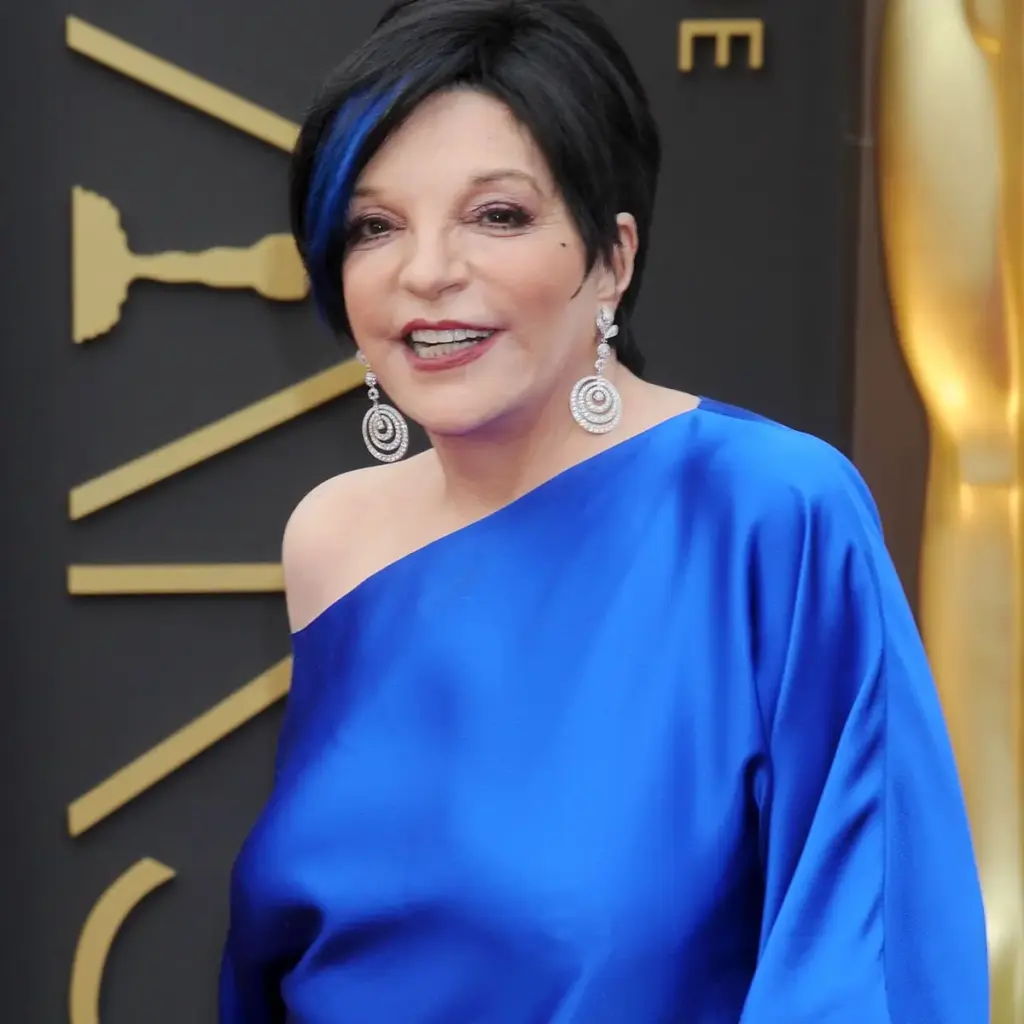
In observance of National Recovery Month, legendary EGOT winner Liza Minnelli opened up about her lifelong battle with substance use disorder (SUD) and her ongoing journey toward sustained sobriety. Marking a significant chapter in her advocacy, the 80-year-old icon reflected on the generational weight of addiction, her near-fatal encounters with the disease, and the profound importance of community support. Minnelli’s public disclosure coincides with the promotional rollout of her landmark memoir, Kids, Wait Till You Hear This!, which chronicles her decades-long struggle with prescription medication dependency.
Beyond sharing her personal narrative, Minnelli is channeling her experiences into systemic action. She announced a collaborative initiative alongside Dr. Richard LeBeau, Director of the UCLA Psychology Clinic, aimed at developing a comprehensive recovery curriculum. This program seeks to translate a lifetime of hard-won lessons into actionable guidance not only for those navigating substance use disorders, but also for the family members, partners, and caregivers who form the crucial architecture of a successful support system. Minnelli’s advocacy underscores a broader cultural shift within the entertainment industry, where high-profile figures increasingly leverage their platforms to destigmatize addiction, challenge enabling behaviors, and emphasize that recovery is an ongoing, collective endeavor.
Detailed Chronology
The roots of Minnelli’s struggle with substance use trace back to a deeply vulnerable moment in her early adulthood, a timeline detailed extensively in her memoirs and public statements.
The Origin: 1969–1970
At the age of 23, following the sudden and tragic death of her mother, legendary entertainer Judy Garland—who herself suffered from a lifelong battle with addiction culminating in a fatal accidental overdose in 1969—Minnelli was prescribed Valium by a medical professional. What was initially intended as a short-term coping mechanism for grief swiftly morphed into a chemical dependency. Minnelli has described this period as the moment a genetic inheritance was unlocked, setting off a multi-decade battle with substance use disorder.
The Escalation and Intermittent Stints: 1970s–2010s
Throughout her glittering career on stage and screen, including her Oscar-winning turn in Cabaret, Minnelli navigated the highs of professional acclaim alongside the debilitating lows of active addiction. Over the decades, she entered rehabilitation facilities multiple times as the disease periodically threatened to overwhelm her life.
The Turning Point: 2015
Minnelli’s most recent and pivotal stay in a rehabilitation facility occurred in 2015. It was during this period that the Arrested Development star confronted the absolute severity of her condition, remarking that she realized her "nine lives were up." This profound reckoning laid the psychological groundwork for her eventual formal diagnosis of Substance Use Disorder (SUD), reframing her struggles not as moral failings or a lack of willpower, but as a medically recognized brain disorder rooted in physical and mental wiring.
The Memoir and Public Advocacy: 2026
With the publication of Kids, Wait Till You Hear This! in March 2026, Minnelli laid bare the mechanics of her lifelong war with addiction. By September 2026, timed directly with National Recovery Month, she translated her literary vulnerability into active public health advocacy, launching her partnership with UCLA to build accessible support frameworks for patients and families alike.
Supporting Context & Metrics
Substance use disorder remains one of the most pervasive public health crises, affecting millions of individuals across all demographics, including the creative and performing arts communities. Medical experts and neuroscientists categorize SUD as a chronic, relapsing brain disease characterized by compulsive drug seeking and use, despite adverse consequences.
According to data compiled by public health agencies:
- Generational Vulnerability: Research consistently supports Minnelli’s observation regarding genetic predisposition. Individuals with a first-degree relative—such as a parent—who has a history of substance abuse face a significantly elevated risk of developing a similar dependency.
- Prescription Medication Risks: Minnelli’s introduction to dependency via medically prescribed Valium underscores a major public health challenge. Prescription sedatives, opioids, and stimulants frequently serve as gateways to long-term addiction when prescribed during periods of acute psychological trauma or physical injury.
- The Role of the Support Ecosystem: Clinical studies emphasize that patient outcomes improve exponentially when treatment models incorporate family systems education. Differentiating between supportive care and enabling behaviors—a core tenet of Minnelli’s current advocacy—remains a primary indicator of long-term sobriety success.
Official Statements
Minnelli’s candid disclosures on Instagram and in her memoir have resonated deeply across the recovery community. Reflecting on her milestone birthday and her daily navigation of the disease, she wrote:
“Hey Kids, am grateful to be alive and able to honor National Recovery Month. Yes, even at 80 … we can still be kids. I feel damn childlike on days that make me vulnerable to my disease … Substance Use Disorder. Thank God I have so much support. I’m helped by my darling sister Lorna Luft, who saved my life, my dearest friend Michael Feinstein, and the incredible Dr. Lawrence Piro.”
Addressing the foundational nature of her diagnosis, Minnelli articulated the psychological relief that accompanied her medical understanding of SUD:
“I finally understand. I’ve been waging a war my whole adult [life] with what we now call SUD, substance abuse disorder. It’s a disease, a condition caused by physical and mental wiring that can trigger abuse of drugs and alcohol. I got it from Mama.”
Emphasizing the necessity of shifting the burden of education from the afflicted individual to the collective support unit, Minnelli stressed the fine line between support and enabling:
“Family, friends, husbands, wives, children, colleagues … must know how to help us. Not enable us. I’ve lost too many people I love. I know this: without sobriety, we will die. I’m excited to start spreadin’ the news, and help as many people as we can. I love you.”
Future Outlook
Looking ahead, Minnelli’s commitment to advocacy marks a transformative chapter in her storied legacy. Rather than retreating into quiet retirement, the EGOT winner is actively deploying her resources and public visibility to reshape how society approaches recovery care.
Through her ongoing partnership with Dr. Richard LeBeau and the UCLA Psychology Clinic, the upcoming recovery curriculum aims to bridge a critical gap in modern treatment methodologies. By focusing equally on the patient and the support network—spouses, children, colleagues, and friends—the initiative promises to provide actionable tools for identifying enabling behaviors, managing relapse triggers, and fostering environments where sustained sobriety can thrive.
As Minnelli continues to share her story alongside other prominent cultural figures breaking the silence on addiction, her message serves as both an urgent warning and a profound testament to resilience: with proper medical understanding, robust community care, and unyielding personal resolve, healing remains possible at any stage of life.