Executive Overview
For millions of consumers worldwide, the pursuit of youthful, resilient skin often feels like a high-stakes balancing act. On one side of the equation lies the multi-billion-dollar anti-aging market, driven by potent actives like retinoids, aggressive alpha-hydroxy acids, and concentrated Vitamin C formulas engineered to boost collagen, accelerate cellular turnover, and erase fine lines. On the other side sits sensitive, reactive skin—a delicate ecosystem prone to chronic dryness, inflammation, stinging, and compromised barrier function. Historically, these two worlds have operated in direct opposition. Introduce an active anti-aging compound, and the sensitive complexion retaliates with a flush of angry redness or microscopic irritation. Prioritize soothing comfort and barrier repair, and you often have to sacrifice the firming, bouncing, and glowing benefits associated with advanced age-defying formulations.
At age 48, this clinical paradox transforms from a theoretical beauty dilemma into a daily reality. Reactive skin naturally evolves over time, becoming progressively drier, duller, and more prone to structural shifts in texture and firmness. The underlying matrix begins to degrade, yet the skin’s tolerance for traditional corrective interventions plummets. The modern consumer is left in a frustrating stalemate, searching for formulas that deliver comprehensive rejuvenation without triggering adverse inflammatory responses.
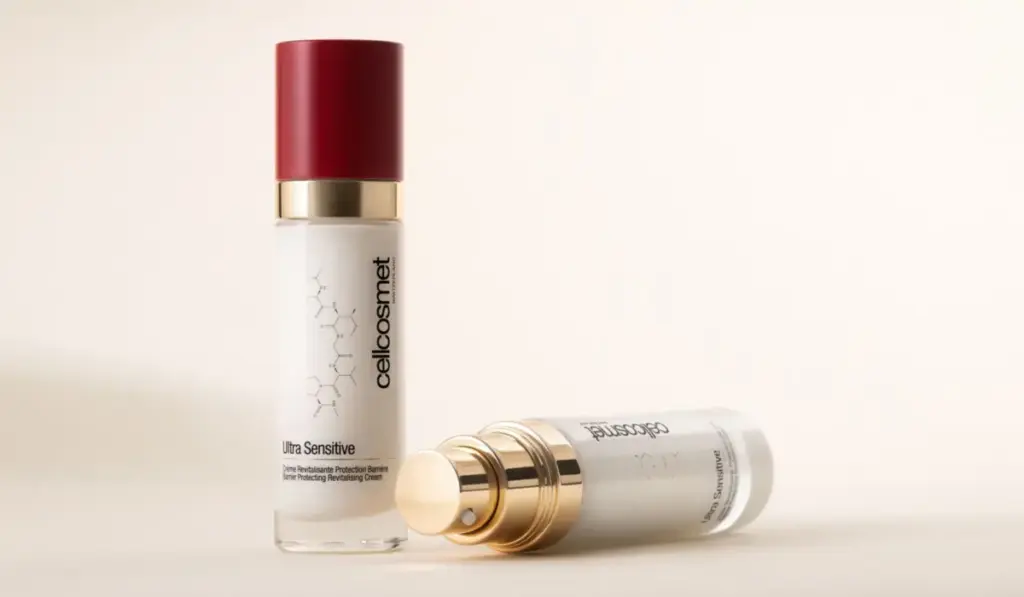
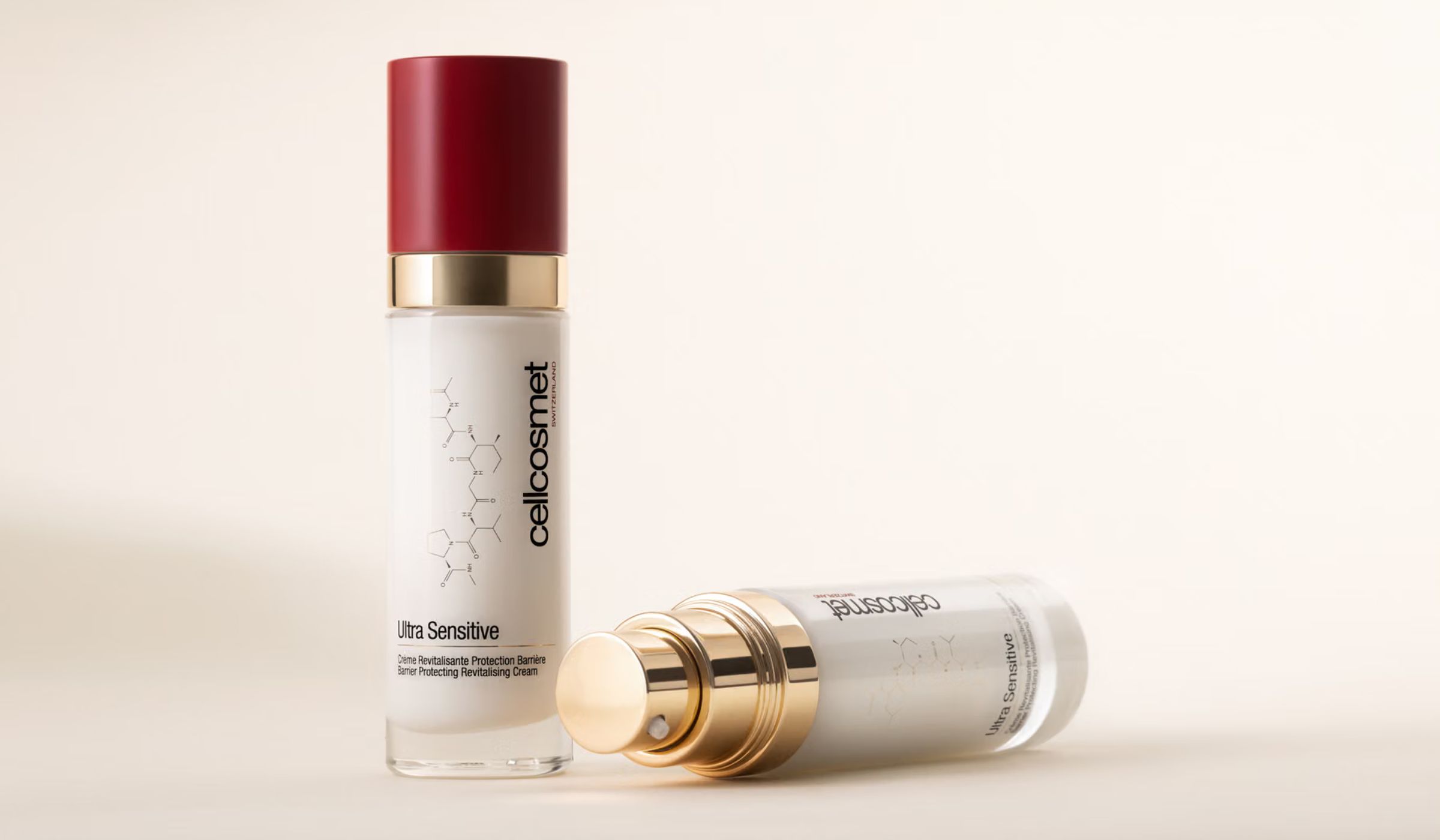
Enter the next generation of specialized cosmeceuticals, spearheaded by launches like Cellcosmet’s newly debuted Ultra Sensitive Cream ($265). Entering the market as a direct answer to this physiological compromise, the Swiss luxury brand’s latest formulation attempts to bridge the gap between high-performance cellular anti-aging and hypersensitive skin management. Following a rigorous three-month real-world trial, this review explores the scientific architecture, clinical metrics, and practical efficacy of a cream designed for a demographic that has traditionally been forced to choose between skin comfort and aesthetic vitality.
Detailed Chronology: A Three-Month Real-World Trial
To truly understand how a high-end, science-backed moisturizer performs on a reactive, aging complexion, anecdotal snap-judgments are insufficient. Skincare products—particularly those formulated to interact with cellular pathways and lipid matrices—require an adaptation period, typically mirroring the skin’s natural 28-day regenerative cycle, if not longer.
Month One: The Adaptation and Barrier Assessment
The initial introduction of any novel skincare formulation into a reactive routine is fraught with apprehension. At 48 years old, the test subject’s skin exhibits hallmark signs of maturity paired with hyper-reactivity: a thinner lipid barrier, diminished natural moisture factors, and a tendency to flush or sting upon contact with unfamiliar ingredients.
Upon opening the jar, the first notable characteristic of Cellcosmet’s Ultra Sensitive Cream was its texture. Traditional luxury creams marketed for dry or sensitive skin often overcompensate by leaning heavily into ultra-dense, occlusive, balm-like consistencies that can sit heavily on the surface, occasionally clogging pores or causing a suffocating sensation. In contrast, this Swiss formulation presented as surprisingly lightweight.
Applied morning and night in place of the standard daily moisturizer, the fragrance-free formula absorbed rapidly. Crucially, the introduction passed the primary hurdle for reactive skin: zero stinging, zero immediate flush, and no localized irritation. Over the first four weeks, the primary sensation was one of quiet relief. The skin stopped feeling chronically depleted by midday. While dramatic anti-aging transformations do not occur overnight, the foundational moisture barrier began to stabilize, laying the groundwork for deeper aesthetic improvements.
Month Two: Texture Shifts and Luminous Recovery
As the trial entered its second month, cumulative changes began to manifest. The chronic, subtle dullness that had plagued the complexion over the preceding year began to recede, replaced by a consistent, healthy-looking glow.
At this stage, the mechanical behavior of the skin shifted. Dry patches around the nose and cheeks—common trouble zones during seasonal transitions—were entirely absent. Furthermore, the skin’s tactile quality evolved; it felt measurably softer and more supple to the touch. While fine lines around the eyes and mouth remained present, the overall canvas appeared more uniform. The absence of irritation meant that the skin was no longer wasting metabolic energy fighting off micro-inflammatory stress, allowing it to direct resources toward repair and surface reflection.
Month Three: Long-Term Resilience and the Verdict
By the conclusion of the three-month evaluation period, the true test of any skincare product is simple: Does the user feel tempted to revert to their previous routine?
In this instance, the answer was a definitive no. Despite the myriad of alternative moisturizers available for testing, the Ultra Sensitive Cream remained the undisputed daily staple. The skin demonstrated a newfound resilience against environmental stressors, wind, and indoor heating—factors that previously triggered immediate tightness and discomfort. Although no single cream can completely reverse chronological aging or replace clinical procedures, the sustained improvements in hydration, comfort, and surface luminosity proved that high-performance anti-aging and extreme sensitivity are not mutually exclusive.
Supporting Context & Metrics: The Science of Cellular Skincare
To appreciate why the formulation behaves the way it does on reactive skin, one must examine the underlying science and the clinical data provided by the manufacturer.
Clinical Data Breakdown
According to clinical studies conducted over a 28-day period, the Ultra Sensitive Cream delivered quantifiable improvements across multiple dermatological metrics:
- Hydration Increase: A 11.2-percent increase in overall skin hydration, confirming the formula’s ability to boost moisture retention within the stratum corneum.
- Transepidermal Water Loss (TEWL) Reduction: A 17.1-percent reduction in TEWL, indicating that the skin was significantly more adept at sealing in moisture and preventing environmental evaporation.
- Redness Mitigation: A 6.5-percent decrease in visible redness, highlighting the soothing, anti-inflammatory capacity of the ingredients.
- Elasticity Enhancement: A 4.9-percent increase in skin elasticity, offering objective validation of the cream’s anti-aging capabilities.
- Firmness Improvement: A 4.2-percent enhancement in structural firmness.
While percentages in the single digits may sound modest to the uninitiated, in the context of sensitive, reactive skin—where many anti-aging products actually increase redness and TEWL through irritation—achieving simultaneous improvements in barrier strength, hydration, and firmness is a notable clinical achievement.
Official Formulations & Ingredient Architecture
Cellcosmet is well-known within the luxury skincare sphere for its classic Ultra Vital cream—a rich, decadent formulation engineered for dry skin requiring intensive moisture. The new Ultra Sensitive iteration builds directly upon that heritage while pivoting to address the specific needs of hyper-reactive complexions.
The Cellular Foundation: CytoPep™
The "cell" in Cellcosmet refers to its proprietary cellular approach. At the heart of both the classic and new formulations is CytoPep™, a specialized, proprietary blend of peptides, proteins, and amino acids. According to the brand, this complex is designed to support cellular communication, optimize skin hydration, improve elasticity, and reinforce the structural integrity of the skin barrier.
The Barrier-Repair Matrix
What sets the Ultra Sensitive variant apart, however, is the sophisticated cocktail of lipids and soothing agents surrounding that cellular core:
- Ceramides, Cholesterol, and Phytosphingosine: This trio mirrors the skin’s natural intercellular lipids. By replenishing these essential components, the cream actively repairs compromised barrier function and halts moisture escape.
- Hyaluronic Acid: A premier humectant capable of drawing up to 1,000 times its weight in water into the skin, plumping fine lines and infusing the deeper layers of the epidermis with sustained hydration.
- Oat Oil: Renowned for its rich lipid profile and avenanthramides, oat oil physically softens dry, coarse skin while providing immediate anti-inflammatory comfort.
- Allantoin: A classic, dermatologist-approved soothing agent that accelerates skin healing and calms irritation.
- Ophiopogon Japonicus Root Extract: A botanical active utilized to support skin hydration while actively nurturing the skin’s delicate microbiome—an increasingly vital area of focus in modern dermatological science.
By synthesizing these barrier-first, soothing ingredients with advanced cellular peptides, the formula successfully targets the dual presentation of sensitive skin (dryness, stinging, irritation) and aging skin (loss of elasticity, thinning texture, dullness).
Future Outlook: The Evolution of Gentle Anti-Aging
The launch of formulations like Cellcosmet’s Ultra Sensitive Cream signals a broader, much-needed paradigm shift in the global beauty and cosmeceutical industry. For decades, the dominant marketing narrative in anti-aging skincare was aggressive: no pain, no gain. Consumers were conditioned to believe that peeling, redness, tingling, and discomfort were proof that a product was actively working.
Dermatological science, however, has firmly debunked this myth. Chronic low-grade inflammation—often referred to in scientific circles as "inflammaging"—is now recognized as a primary accelerator of skin aging, breaking down collagen and elastin fibers while compromising barrier defense. Consequently, the future of anti-aging belongs not to harsh, stripping acids and blistering retinoid concentrations, but to biocompatible, barrier-supportive, and microbiome-friendly engineering.
As populations age and environmental stressors—such as urban pollution, blue light, and climate volatility—continue to compromise skin health worldwide, the prevalence of sensitive, reactive skin types will only increase. Brands that successfully merge cutting-edge cellular science with profound dermatological gentleness will define the next era of luxury skincare.
Conclusion: Is It Worth the Investment?
At $265, the Ultra Sensitive Cream occupies a firmly luxury price point, placing it out of reach for casual beauty consumers. Furthermore, because skin biology is intensely individualistic, no single formulation can be universally declared the "ultimate" solution for every reactive complexion.
However, for mature consumers caught in the frustrating crosshairs of aging skin and extreme sensitivity—those who have repeatedly abandoned potent anti-aging serums due to stinging, flushing, and barrier breakdown—this formulation offers a compelling alternative. After rigorous, real-world testing over three months, its ability to deliver tangible anti-aging metrics while preserving absolute skin comfort represents a rare and valuable achievement in modern cosmetic chemistry. For a reactive complexion, that level of peace of mind is priceless.