Executive Overview
The beauty landscape of 2026 is undergoing a quiet, sophisticated revolution. After years of high-contrast, edgy, and sometimes aggressively structured haircuts dominating the mainstream—from the sharp angles of the wolf cut to the heavy framing of the classic C-cut—the pendulum is swinging back toward softness. Enter the "love-layers" cut: a meticulously engineered, highly romantic hair trend that trades stark geometry for fluid movement, seamless blending, and a distinctively tender silhouette.
Championed by elite Hollywood stylists like Dimitris Giannetos and already worn by A-list trendsetters including Gigi Hadid, Penélope Cruz, and Ciara, the love-layers cut is rapidly solidifying its status as the defining hairstyle of the transitional autumn season. While reminiscent of the viral C-cut that defined previous years, the love-layers iteration is significantly softer, more precise, and fundamentally contemporary. It is not designed to alter a client’s length drastically; instead, it is a masterclass in weight distribution, texture enhancement, and face-framing precision.
However, as with any high-end aesthetic movement, this effortless look belies a sophisticated technical framework and a dedicated maintenance schedule. From hair-density considerations to specialized blowout techniques, adopting the love-layers trend requires an understanding of structural cosmetology, daily styling investments, and salon upkeep. This comprehensive report explores the anatomy of the love-layers haircut, analyzes its technical distinctions, provides expert-backed styling regimens, and evaluates its long-term viability in the modern hair-care economy.
Detailed Chronology: The Evolution from Edgy Geometry to Soft-Sculpting
The Shift Away from Harsh Angles
To understand the cultural and aesthetic weight of the 2026 love-layers trend, one must trace the trajectory of layered haircuts over the preceding half-decade. The post-pandemic era ushered in a wave of rebellious, highly textured hair trends. Consumers, spending more time at home and experimenting with DIY aesthetics or localized salon visits, gravitated toward high-impact, edgy styles. The shaggy wolf cut, butterfly cuts with heavy disconnection, and the structured C-cut dominated social media feeds.
These cuts relied heavily on visible lines, stark graduation, and radical shifts in weight. While visually arresting, they often required significant styling to prevent them from looking unkempt, and for those with fine or delicate hair types, the heavy disconnection frequently resulted in compromised ends and diminished volume.
The Birth of the Love-Layers Movement
By early 2026, consumer fatigue surrounding high-maintenance, edgy styles reached a tipping point. Clients began seeking versatility, luxury, and—above all—hair that felt touchable and healthy. Stylists responded by conceptualizing cuts that minimized visible ledges while maximizing dynamic movement.
Dimitris Giannetos, a vanguard in celebrity hair styling, crystallized this philosophy into the love-layers trend. By introducing long, heart-shaped framing to high-profile figures during the summer months, Giannetos successfully bridged the gap between breezy warm-weather styling and structured autumn elegance. The transition from summer to fall did not see the trend fade; rather, it intensified as consumers sought a polished, comforting silhouette to match heavier seasonal wardrobes.
The Anatomy of Love Layers: Supporting Context & Technical Metrics
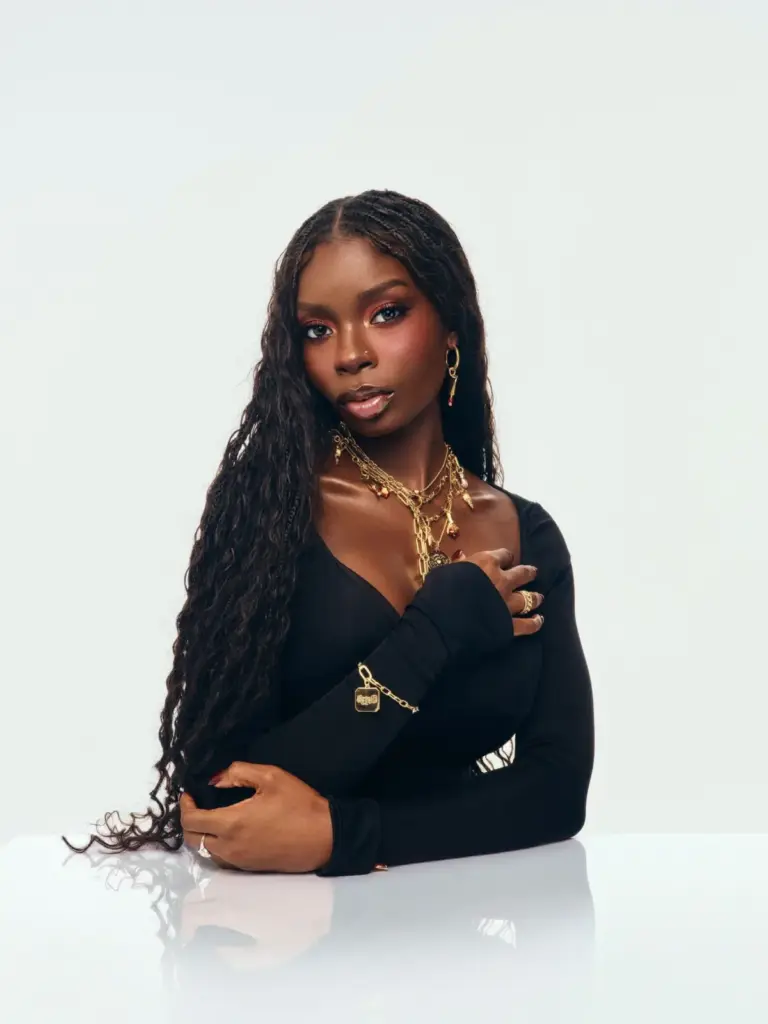
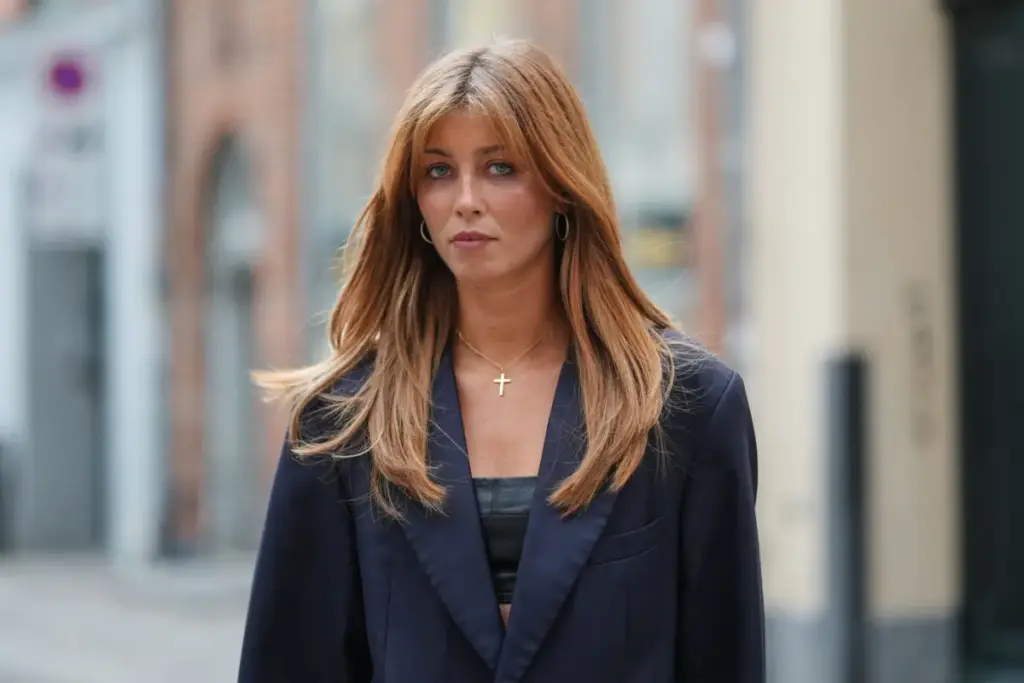
The nomenclature of the love-layers cut is derived directly from its physical geometry. When viewed from the front, the layers create a soft, sweeping silhouette that literally wraps around the face like a heart.
Technical Distinctions: Love Layers vs. The Classic C-Cut
While laypersons may confuse love layers with the ubiquitous C-cut, professional cosmetologists recognize distinct technical divergences between the two:
- The Starting Point: In a traditional C-cut, layers often begin higher up or curve inward abruptly toward the ends to mimic the letter "C." Love layers feature significantly longer, softly blending layers that initiate safely below the chin, creating a more gradual descent toward the perimeter.
- Cutting Techniques: The classic C-cut often relies on precision sectioning and blunt or structured layering lines. Conversely, love layers utilize advanced textural techniques, including slide cutting, point cutting, and subtle shaving. These methods remove internal bulk and encourage natural movement without creating harsh, visible shelves or making the hair look overworked.
- Volume Distribution: Volume in a love-layers cut is concentrated intentionally at the crown and upper crown area, while the contours gently taper toward the ends. This architectural approach elongates the neck and highlights facial bone structure without sacrificing the overall integrity of the hair’s length.
Hair Texture Compatibility Analysis
Not all hair types are engineered equally for every cut. A critical component of the love-layers consultation involves evaluating individual hair density, curl patterns, and strand diameter:
- Medium to Thick Hair (Shoulder-to-Mid-Back Length): This is the ideal canvas for love layers. Thick or medium-density hair possesses the inherent structural weight required to support the heart-shaped silhouette. The layers can effectively debulk heavy areas while maintaining a lush, cascading appearance.
- Fine Hair: Fine or thin hair requires a delicate, highly nuanced approach. If too many layers are introduced into fine hair, the strands can lose their structural integrity, resulting in a flat, stringy appearance rather than the desired voluminous movement. Stylists working with fine hair must execute fewer, longer layers and rely on strategic internal texturizing rather than surface cutting. While fine-haired clients may not achieve the exact ultra-dense look of a thick-haired celebrity, a customized variant yields a bespoke, airy finish.
Official Statements and Expert Styling Insights
Achieving the effortless, flowing aesthetic of love layers requires a calculated, multi-step styling regimen. Top-tier stylists emphasize that this is not a "wash-and-go" cut for most hair textures; it demands intention, the right tools, and an understanding of directional blow-drying.
The Giannetos Regimen: How to Blow-Dry for Maximum Impact
Dimitris Giannetos has repeatedly stressed that clients inclined toward purely air-dried routines should carefully evaluate their commitment levels before opting for love layers. The cut’s signature face-framing movement is activated primarily through heat styling and thermal memory.
- The Round Brush Technique: Stylists recommend blow-drying the hair using a large round brush to impart smoothness and structural memory.
- The Pin-Up Method: Once a section is dried and wrapped around the round brush, clip the warm section up against the scalp to let it cool completely. This thermal setting phase locks in the bounce and longevity of the layers.
- Directional Blow-Drying: The front sections must always be blow-dried away from the face. This creates the characteristic outward sweep and roundness that showcases the individual layers, preventing the hair from collapsing uncomfortably around the cheekbones.
- Parting Preferences: While a clean center part accentuates the symmetry of the heart-shaped framing most dramatically, a soft side part can be utilized to temper the drama for a more understated, everyday look.
Product Selection and Maintenance Economics
To maintain the illusion of weightless movement, product management is paramount.
- Prep Products: Applying a lightweight volumizing mousse or a targeted thickening spray to damp hair provides foundational hold without weighing down the fine ends. Tools such as the IGK Big Time Volume & Thickening Mousse are frequently cited by professionals for adding body at the roots while maintaining softness throughout the mid-lengths.
- Thermal Styling Tools: For clients who find juggling a separate hair dryer and round brush cumbersome, hybrid devices—such as the BondiBoost Infrared Thermal Bounce Brush—offer an efficient alternative for achieving the required polish and bounce with reduced heat stress.
- Second-Day Refreshes: On day two, the style can be rapidly revitalized using large velcro rollers or a quick pass with a thermal brush, sparing the client from executing a full wash-and-blowout cycle.
Future Outlook: Salon Upkeep and the Longevity of the Trend
As the beauty industry looks toward the remainder of 2026 and beyond, the love-layers cut represents a broader cultural shift toward "quiet luxury" in personal grooming. Consumers are investing in cuts that require professional expertise to execute, signaling a return to appreciation for master craftspersonship in hairdressing.
However, prospective clients must account for the logistical realities of maintaining a precision cut. Because the heart-shaped framing relies heavily on precise weight distribution and graduation, salon visits every six to eight weeks are non-negotiable. If neglected, the layers will rapidly grow out of alignment, causing the deliberate heart shape to lose its symmetry and structural integrity.
Despite the necessary upkeep, the payoff remains extraordinarily high. By successfully marrying length retention with dynamic, touchable texture, the love-layers haircut offers a masterclass in modern hair design—proving that softness, romance, and structural precision can coexist harmoniously in contemporary fashion.