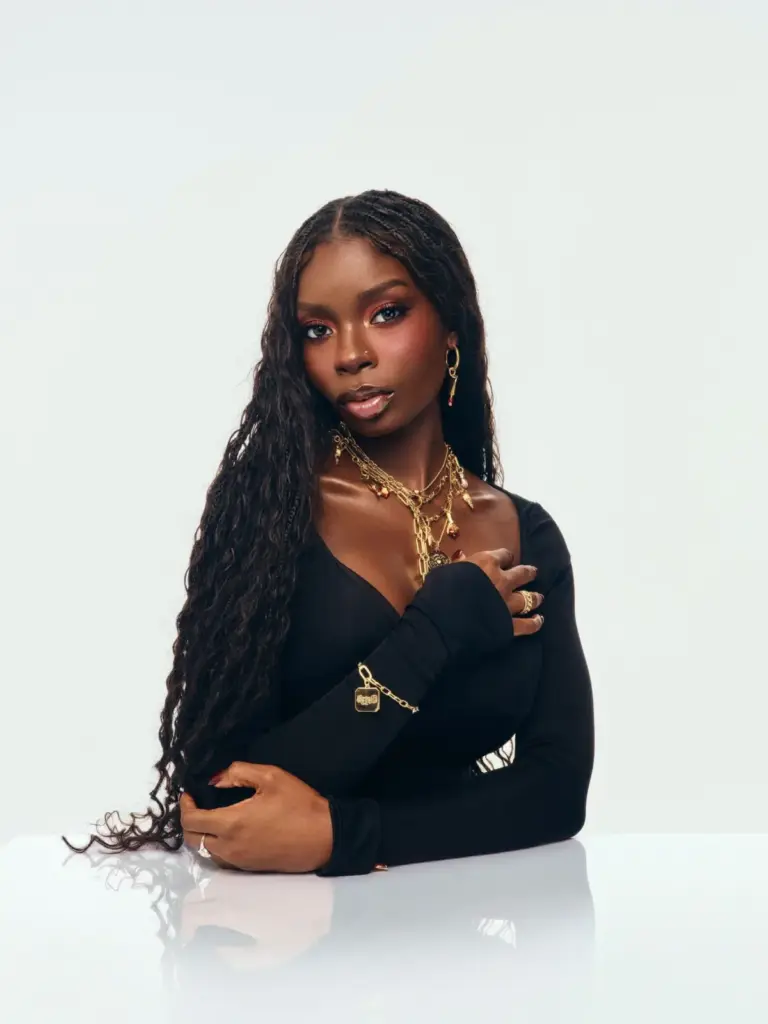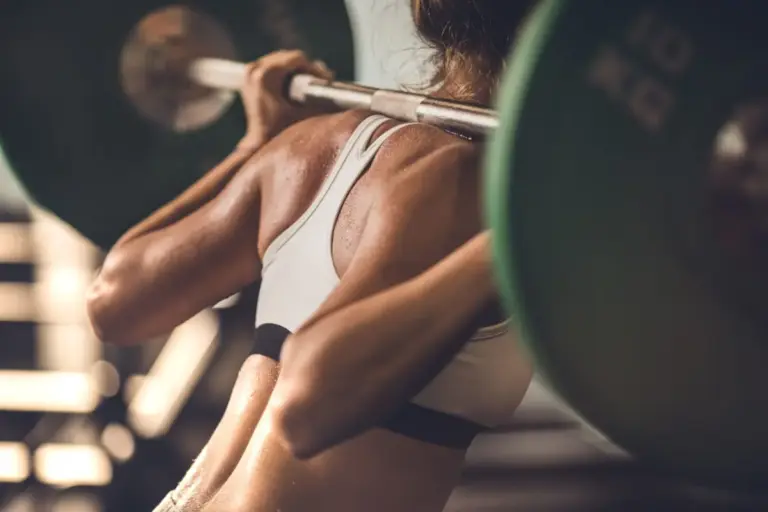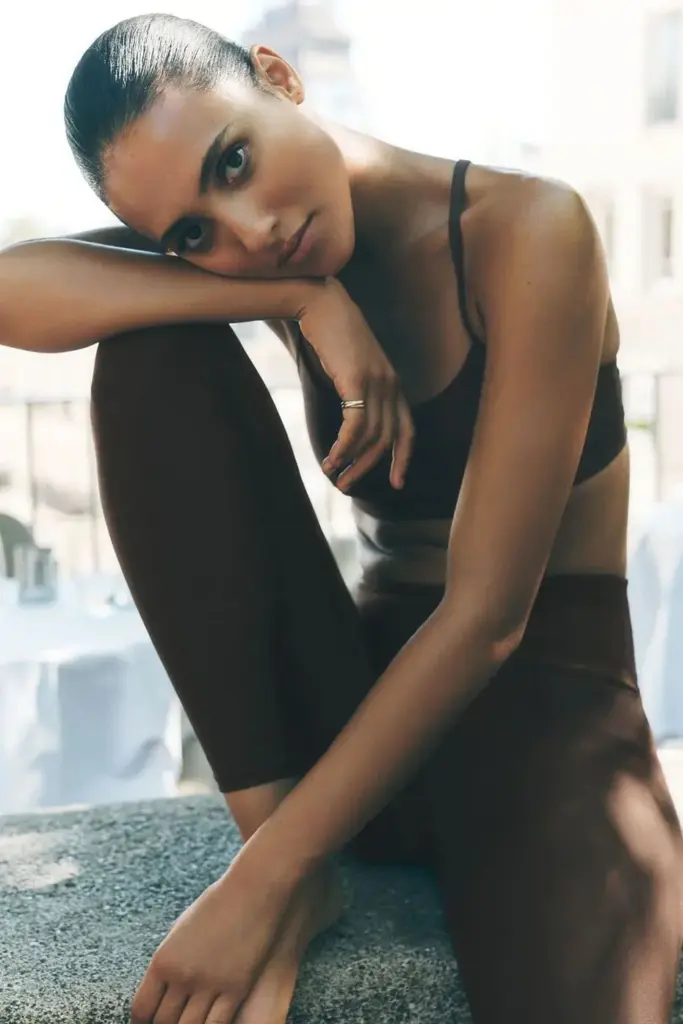
Despite periodic declarations of its demise from trend-forecasting influencers and high-profile celebrities alike, Pilates remains an indomitable force in the global wellness landscape. Few physical disciplines have successfully amassed such a fiercely loyal, cross-demographic fanbase. From professional athletes and celebrity "It" girls to suburban stay-at-home parents and ambitious urbanites chasing the elusive aesthetic of "Pilates arms," the practice continues to dominate both boutique studio calendars and digital feeds.
Emphasizing core stability, precise posture, flexibility, structural form, and heightened body awareness, Pilates is universally adaptable across fitness tiers. Yet, this accessibility belies its intense physical challenge—as anyone who has experienced the characteristic full-body tremors popularized on TikTok by creators like Jake Shane can attest. Operating on slow, controlled, and low-impact mechanical principles, the discipline yields deceptively high-impact transformations, steering practitioners toward a long, lean, and intensely sculpted physique.
This comprehensive report explores the enduring cultural and physiological resonance of Pilates, examining its historical roots, its modern-day retail and studio ecosystems, expert-backed wardrobe and equipment requirements, and its scientifically proven efficacy for lifelong health and rehabilitation.
Detailed Chronology: From Early 20th-Century Rehabilitation to Modern Cultural Phenomenon
To understand the current ubiquity of Pilates, one must trace its evolution from a niche rehabilitation method into an international fitness empire.
- The Early 20th Century (Inception): The practice was originally conceptualized by Joseph Pilates in the early 1900s. Driven by his own childhood struggles with asthma, rickets, and rheumatic fever, Pilates developed a system of physical conditioning he initially called "Contrology." His methodology was heavily rooted in breath control, core stabilization (the "powerhouse"), and mental focus.
- Mid-Century Integration (The Golden Era of Dance): During the mid-1900s, Joseph and Clara Pilates established their studio in New York City, which rapidly became a sanctuary for the city’s elite dance community. Legendary choreographers and dancers—including George Balanchine and Martha Graham—utilized the reformer and mat exercises to rehabilitate injuries and build functional strength without bulk.
- The Late 20th-Century Expansion (Commercialization): Following Joseph Pilates’s passing, his disciples (often referred to as the "Elders") propagated the method globally. Fitness entrepreneurs began standardizing the curricula, leading to the birth of contemporary Pilates schools that blended classical techniques with modern biomechanical science.
- The 2020s Renaissance (Digital Boom and Studio Cults): While Pilates has retained a steady baseline of practitioners for decades, its popularity underwent an explosive revival in recent years. Propelled by digital platforms during global lockdowns and championed by modern celebrity advocates like Lori Harvey and Hailey Bieber, the practice transitioned from a quiet discipline into a high-visibility status symbol. Today, elite studios boast months-long waitlists, and major activewear houses design entire seasonal collections specifically tailored to the unique aesthetic and functional demands of the reformer and mat.
Supporting Context & Metrics: The Anatomy of a Wellness Movement
The modern Pilates boom is not merely anecdotal; it is underpinned by shifting consumer health priorities, moving away from punishing, high-impact routines (such as extreme high-intensity interval training or heavy impact running) toward sustainable, joint-friendly, longevity-focused movement.
Mat Versus Reformer: Understanding the Mechanics
While both mat-based and reformer-based Pilates share the same fundamental DNA—focusing on core activation, spinal articulation, and eccentric muscle contractions—they offer distinct physical challenges.
- Mat Pilates: Relies entirely on bodyweight resistance, gravity, and occasional small props (such as magic circles, soft balls, and resistance bands). It demands profound intrinsic stabilization, as there is no mechanical apparatus to assist or resist the movement.
- Reformer Pilates: Utilizes a sliding carriage, spring systems, and pulleys. As Liana Levi, founder of the referral-only Los Angeles studio Forma Pilates, notes, "Performing the movements on a reformer can require more stability, and you also have access to the machine itself that introduces more resistance than doing a mat workout." However, Levi emphasizes that practitioners can successfully mimic reformer movement patterns at home by integrating strategic resistance bands and light weights.
The Retail and Activewear Economy
The explosive growth of Pilates has birthed a lucrative ancillary market centered around "studio-to-street" fashion. Because Pilates lacks the abrasive, high-friction movements of kickboxing or distance running, participants have unprecedented stylistic freedom.
Activewear brands have responded by engineering collections that prioritize aesthetic versatility, intricate cuts, and luxurious, buttery-soft tactile fabrics over heavy compression. From specialized long-sleeve crops by Splits59 and layered sports bras by Vuori to sculpting leggings by Free People and high-end technical onesies from 437 and Left on Friday, the modern Pilates wardrobe is designed to transition seamlessly from morning reformer class to midday matcha runs. Furthermore, technical footwear and accessories—such as grippy performance socks by Bombas and Lululemon, alongside versatile transit sneakers like the Salomon XT-Pathway 2—have become mandatory staples of the uniform.
Official Statements and Expert Insights
To gain a comprehensive understanding of how to optimize a Pilates practice, top-tier instructors and studio founders weigh in on technique, wardrobe, and frequency.
On Wardrobe and Comfort
"Pilates fashion can be fun as you have more versatility in wearing different styles, since the workout is not as high-impact as a high-intensity class," explains Liana Levi, founder of Forma Pilates. Without the need for heavy-duty impact support, practitioners are free to experiment with asymmetrical cuts, wrap tops, and delicate silhouettes.
However, functionality must not be entirely sacrificed for fashion. Jacqui Kingswell, founder of the digital platform The Pilates Class, emphasizes the importance of fit when selecting bottoms. "You don’t want anything too tight or low-waisted," Kingswell advises. "It’s all about feeling comfortable." High-waisted, lightweight, and breathable leggings or shorts that stay securely in place during deep spinal articulation are essential.
On At-Home Routines and Equipment
For those unable to secure a coveted studio spot, experts confirm that an effective routine can easily be cultivated at home. Physical therapist and fitness expert Heather Carruthers stresses the foundation of any home setup: "First, invest in a good mat. Ideally, it should be non-slip and thicker than a traditional yoga mat."
Taylor Phillips, a yoga and Pilates instructor who helped design the Equinox Pilates Rise class, advocates for strategic prop usage to elevate home training. "Props like the magic circle, light weights, and resistance bands enhance your workout," Phillips says. "These tools mimic the feeling of studio equipment and effectively build strength and improve mobility around major joints." Nevertheless, Phillips reassures beginners that bodyweight alone is more than sufficient when starting out.
Future Outlook: The Lifelong Discipline
As the fitness industry matures, consumer awareness is shifting from quick-fix transformations to lifelong physical autonomy. Pilates is uniquely positioned to lead this paradigm shift.
Rather than viewing the discipline as a fleeting aesthetic trend, leading practitioners champion it as a foundational physical literacy. "It’s a mind-body exercise practice," notes Carruthers. "When you think ‘practice,’ you understand that it’s something you should be able to do for a lifetime." Beyond physical conditioning, the discipline’s clinically recognized benefits in post-operative rehabilitation, pre- and post-natal care, and postural correction ensure its enduring relevance.
Recommended Frequency and Expectations
How often should one practice to see tangible results?
- For Beginners: Incorporating Pilates two to three times per week establishes a solid foundation in core awareness and neuromuscular connection.
- For Intensive Conditioning: Kingswell recommends practicing four to five times per week to accelerate muscle definition and core stability.
Regarding timelines for transformation, consistency yields rapid feedback. According to Kingswell, practitioners often begin identifying and engaging unfamiliar deep core muscles within their very first week. Over a sustained period—such as completing a dedicated series of 30 sessions—practitioners report profound structural shifts in mobility, flexibility, and overall postural alignment.
Ultimately, whether performed on a high-end reformer in a sleek Los Angeles studio or on a cushioned mat in a living room, Pilates proves that slow, intentional movement remains the most powerful catalyst for lasting physical strength.