Executive Overview
For decades, Jennifer Aniston has remained one of Hollywood’s most enduringly recognizable icons, celebrated not just for her legendary on-screen presence, but for her unwavering commitment to health and physical vitality. Yet, the narrative surrounding Aniston’s wellness journey has undergone a profound transformation. Gone are the days of punishing, high-impact routines driven by the grueling ethos of "no pain, no gain." In their place is a modern, science-backed philosophy centered on functional fitness, intentional movement, and—above all—sustainable consistency.
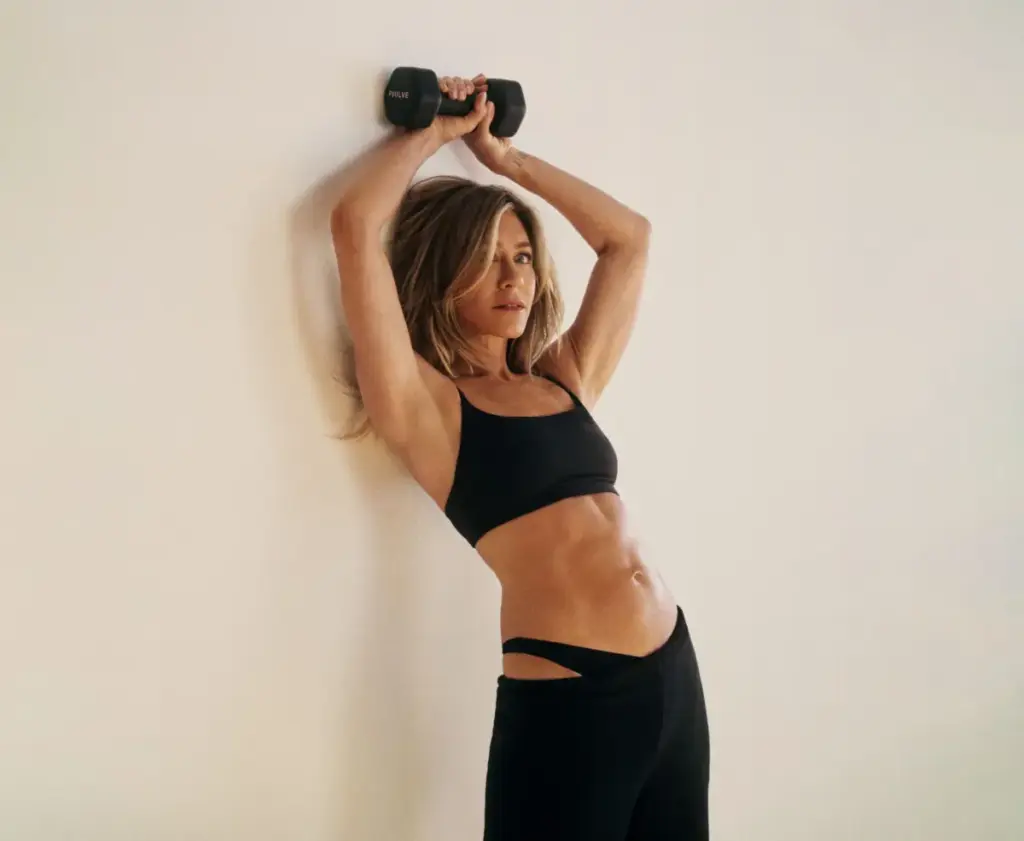
In recent discussions, the beloved actress pulled back the curtain on her current fitness regimen, highlighting her dedication to Pvolve, an innovative functional fitness program she has practiced for years. Partnering with her personal trainer and Pvolve’s Vice President of Training, Dani Coleman, Aniston is championing a methodology that moves away from mindless repetition and momentum. Instead, her routine prioritizes controlled resistance, multidirectional movement, and deep core stability designed to support the demands of everyday life.
This comprehensive report explores the paradigm shift in Aniston’s fitness philosophy, details the biomechanics of her favorite arms-and-abs routine, examines the broader cultural movement toward functional longevity, and outlines how busy individuals can integrate these sustainable practices into their daily lives.
Detailed Chronology: From High-Intensity Burnout to Functional Longevity
To truly understand Jennifer Aniston’s current approach to physical wellness, one must examine the evolution of the fitness industry alongside her personal journey through decades of high-profile media scrutiny and rigorous physical preparation for diverse film and television roles.
The Era of Exhaustion (The 1990s–2010s)
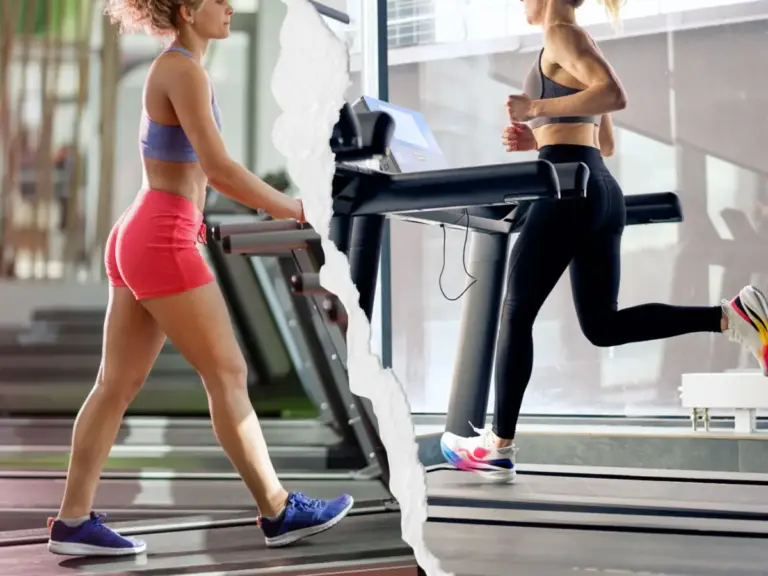
During the height of Friends and her subsequent box-office career, Aniston, like many elite performers of her generation, subscribed to the prevailing fitness dogma of the era. This paradigm was heavily influenced by high-intensity interval training, long hours on traditional cardio machines (such as treadmills and stair climbers), and heavy boot-camp-style classes.
The underlying psychological framework of this period was punitive. Workouts were frequently viewed as a penance for dietary indulgences or a desperate measure to meet impossible aesthetic standards dictated by tabloid culture. The "no pain, no gain" mantra reigned supreme. Joint stress, chronic fatigue, and burnout were often accepted as standard collateral damage in the pursuit of physical fitness.
The Awakening and Cultural Shift (The Late 2010s)
As sports science advanced, a broader cultural awakening began to challenge the sustainability of high-impact, low-recovery exercise models. Researchers, physical therapists, and progressive trainers started emphasizing the difference between simply "working out" and truly "training for life."
For Aniston, this realization arrived organically as she began to notice the cumulative wear and tear of high-intensity regimens. Joint discomfort, declining energy reserves on over-trained days, and the sheer mental exhaustion of maintaining a punishing schedule prompted a period of introspection. She realized that her fitness regimen needed to serve her long-term vitality rather than depleting it.
The Pvolve Era and Modern Mastery (Present Day)
Aniston’s introduction to Pvolve marked a definitive turning point in her physical journey. The functional fitness system—which utilizes resistance bands, gliders, stability balls, and precise bodyweight mechanics—offered an entirely new paradigm. Rather than forcing the body into rigid, linear patterns under heavy loads, Pvolve focuses on functional movement patterns across all three planes of motion.
Today, Aniston’s routine is characterized by mindfulness, anatomical precision, and time-efficiency. By redefining success not by how utterly exhausted she feels post-workout, but by how energized, stable, and strong she feels throughout her day, she has established a sustainable blueprint for lifelong wellness.
Supporting Context & Metrics: The Science of Functional Fitness
To appreciate why Aniston’s transition to functional training has been so successful, it is essential to examine the physiological mechanics of the discipline. Traditional weightlifting often isolates muscles in a single plane of motion (typically sagittal, involving forward and backward movements), which does little to prepare the human body for the complex, multidirectional demands of daily existence.
The Three Planes of Motion
Functional fitness, as championed by programs like Pvolve, trains the body across all three spatial dimensions:
- Sagittal Plane: Forward and backward movements (e.g., walking, lunging, squatting).
- Frontal Plane: Side-to-side movements (e.g., lateral lunges, side shuffles).
- Transverse Plane: Rotational movements (e.g., twisting, swinging a golf club, turning to look behind you).
By incorporating resistance and dynamic movement across all three planes, practitioners build comprehensive joint stability, enhance neuromuscular coordination, and significantly reduce the risk of injury.
The Core as the Center of Gravity
Aniston frequently emphasizes that for her, "core is everything." From a biomechanical perspective, this is spot-on. The core musculature—encompassing not just the rectus abdominis ("six-pack" muscles), but the transverse abdominis, obliques, erector spinae, and pelvic floor—acts as the body’s ultimate power transfer center.
A strong, stable core protects the lumbar spine, improves posture, enhances balance, and optimizes force generation for every upper- and lower-body movement. When Aniston focuses on her signature arms-and-abs routines, she is not merely chasing an aesthetic goal; she is fortifying her body’s central stabilization system.
Sustainable Consistency vs. Periodic Intensity
Behavioral health metrics consistently demonstrate that moderate, sustainable exercise routines yield vastly superior long-term adherence rates compared to extreme, sporadic programs. When a workout regimen feels punishing, psychological resistance increases, leading to chronic inconsistency. By lowering the psychological barrier to entry—such as Aniston’s advice to "wake up 15 minutes earlier and get it in"—individuals cultivate a lifelong habit of movement that supports both physical health and psychological well-being.
Official Statements and Expert Insights
The philosophy behind Jennifer Aniston’s physical vitality is best articulated by those who guide her training and by the star herself, who has been remarkably transparent about her mental and physical evolution.
Dani Coleman on Intentional Strength
Dani Coleman, Aniston’s personal trainer and Vice President of Training at Pvolve, emphasizes that the magic of their training sessions lies in mindful execution rather than brute force.
"We build upper body and core strength through progressive overload, resistance, and dynamic movement in all three planes of motion," Coleman tells SELF.
Rather than allowing momentum to carry the body through repetitions—a common pitfall in fast-paced group fitness classes—Coleman’s programming forces the practitioner to maintain total muscular control.
"By focusing on the muscles doing the work, you can develop intentional strength that not only improves performance in your workouts, but also helps you look and feel your best in daily life," Coleman explains.
Jennifer Aniston on Mental Shifts and Mind-Body Connection
Reflecting on her decades in the public eye and her evolving relationship with fitness, Aniston is candid about the mistakes of her past and the wisdom gained through experience.
"I used to look at workouts where it had to be this intense, ‘no pain, no gain’ situation," Aniston shares with SELF. "लेकिन (But) the main takeaway over all the years of everything I’ve tried is just consistency. Don’t push it and listen to your body."
Aniston notes that her primary motivator for maintaining her routine is no longer external pressure, but the immediate, tangible feedback loop between movement and her daily quality of life.
"When I don’t work out, I feel such a difference," she admits. "My mood dips, I don’t have as much endurance during the day, my clothes fit differently. You just don’t feel good because you’re not being good to yourself."
When asked how she maintains her discipline amidst a notoriously demanding Hollywood schedule, Aniston advocates for radical simplification:
"Wake up 15 minutes earlier and get it in. When you simplify it for yourself, it makes it more digestible."
Deep Dive: Jennifer Aniston’s Signature Arms-and-Abs Routine
To provide a practical blueprint for readers seeking to emulate her success, Aniston and trainer Dani Coleman have detailed specific movements from their preferred arms-and-abs repertoire. These exercises require minimal equipment—typically a yoga mat, a stability ball, and a resistance band—and focus heavily on core stability, upper-body mobility, and postural alignment.
1. Curl Over Ball
- Equipment Needed: Stability ball, yoga mat.
- Execution & Purpose: The practitioner lies back over a stability ball while performing controlled abdominal curls.
- Trainer Insight: According to Dani Coleman, "This move strengthens the abs through a fuller range of motion while the ball supports the lower back." By utilizing the curvature of the ball, the abdominal wall is forced to contract dynamically past a neutral spine position without compromising lumbar integrity.
2. Elevated Deadbug
- Equipment Needed: Yoga mat (optional elevation prop).
- Execution & Purpose: A variation of the classic Pilates and physical therapy staple, the deadbug requires the individual to lie supine, engaging the core to press the lower back into the mat while slowly extending opposite arms and legs.
- Trainer Insight: Coleman describes this as "a powerful core stability move that improves coordination and teaches the body to stay steady while the arms and legs move in tandem." It is exceptionally effective at preventing unwanted arching of the lower back during dynamic limb movement.
3. Golf Swing
- Equipment Needed: Resistance band or light cable system.
- Execution & Purpose: Mimicking the rotational mechanics of a golf swing, this movement requires controlled torso rotation against resistance.
- Trainer Insight: "This is a dynamic core exercise that strengthens the obliques while activating the outer hips for improved balance and stability," notes Coleman. Because daily life involves countless twisting motions, training the body rotationally is vital for injury prevention.
4. Stability Ball Plank
- Equipment Needed: Stability ball.
- Execution & Purpose: The traditional forearm plank is performed with forearms or feet placed atop an unstable stability ball.
- Trainer Insight: Coleman explains that "this exercise takes the classic plank up a notch by adding instability, forcing the core to work harder to stay controlled." The constant micro-adjustments required to maintain equilibrium recruit deep stabilizer muscles that standard floor planks often miss.
5. Prone Back Extension With Lat Pull
- Equipment Needed: Yoga mat, light resistance band.
- Execution & Purpose: Lying face down (prone), the practitioner lifts the chest slightly while pulling a resistance band downward toward the torso, engaging the upper back and lats.
- Trainer Insight: This movement directly targets the posterior chain. Coleman notes that it "targets the muscles along the spine to build back strength, support better posture, and counteract the effects of long hours of sitting."
Future Outlook: The Evolution of Celebrity Wellness Culture
Jennifer Aniston’s embrace of sustainable, functional fitness signals a broader, highly encouraging shift in celebrity wellness culture. For generations, the media promoted extreme dietary restriction and punishing exercise regimes that were neither biologically sustainable nor psychologically healthy for the average consumer.
As prominent figures like Aniston step forward to champion longevity, mental clarity, balance, and anatomical health over rapid aesthetic transformations, public expectations are shifting. The future of fitness is intelligent, personalized, and accessible. It values the preservation of joint health over joint destruction, celebrates consistency over burnout, and recognizes that the ultimate goal of physical exercise is not merely how one looks in a mirror, but how powerfully, pain-free, and joyfully one navigates the world.
By stripping away the intimidation factor and advocating for micro-commitments—such as waking up fifteen minutes early to move with intention—Aniston provides a timeless masterclass in self-care. As wellness science continues to validate the principles of functional movement, her journey stands as a powerful testament to the fact that true strength is built not through punishment, but through lifelong, compassionate consistency.