Executive Overview
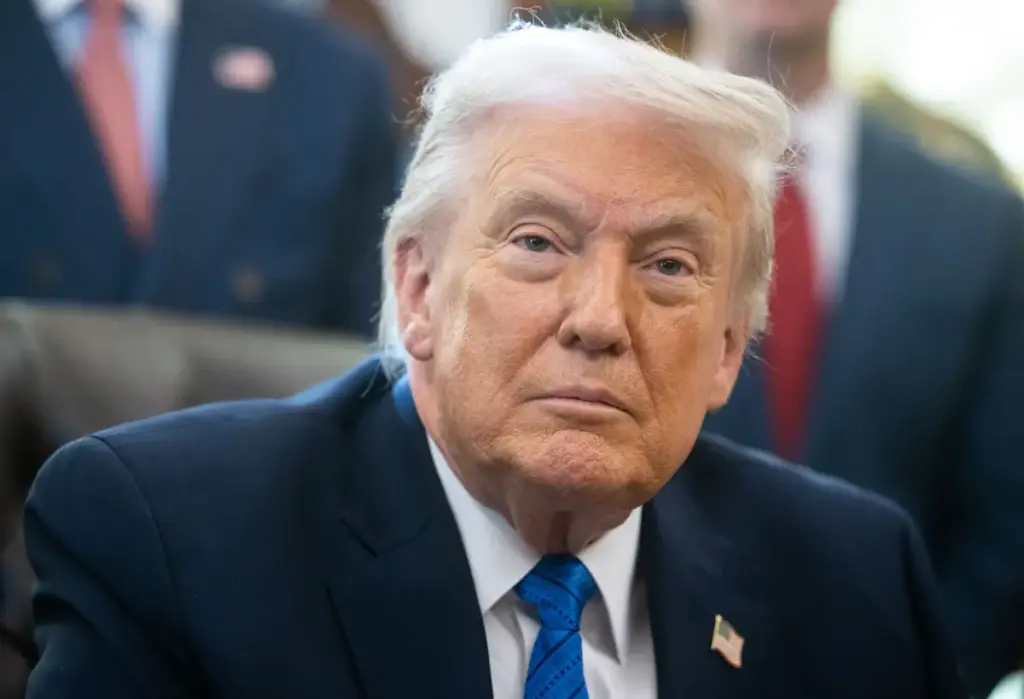
As the United States prepares to mark the quarter-century milestone of the September 11, 2001 terrorist attacks, a high-profile protocol dispute has reshaped the schedule of the national commemoration. President Donald Trump will not attend the flagship ceremony at the National September 11 Memorial & Museum in Lower Manhattan. According to institutional sources familiar with event planning, the decision follows the memorial board’s refusal to grant a White House request for the President to deliver formal remarks at the Ground Zero plaza.
The decision underscores a long-standing, non-partisan mandate established in 2012 by the memorial’s organizing foundation, which expressly prohibits active political figures and elected officials from speaking during the annual New York ceremony. Designed to preserve the solemnity of the event and focus entirely on the reading of the 2,977 victims’ names by their surviving family members, the policy has been consistently enforced across multiple presidential administrations.
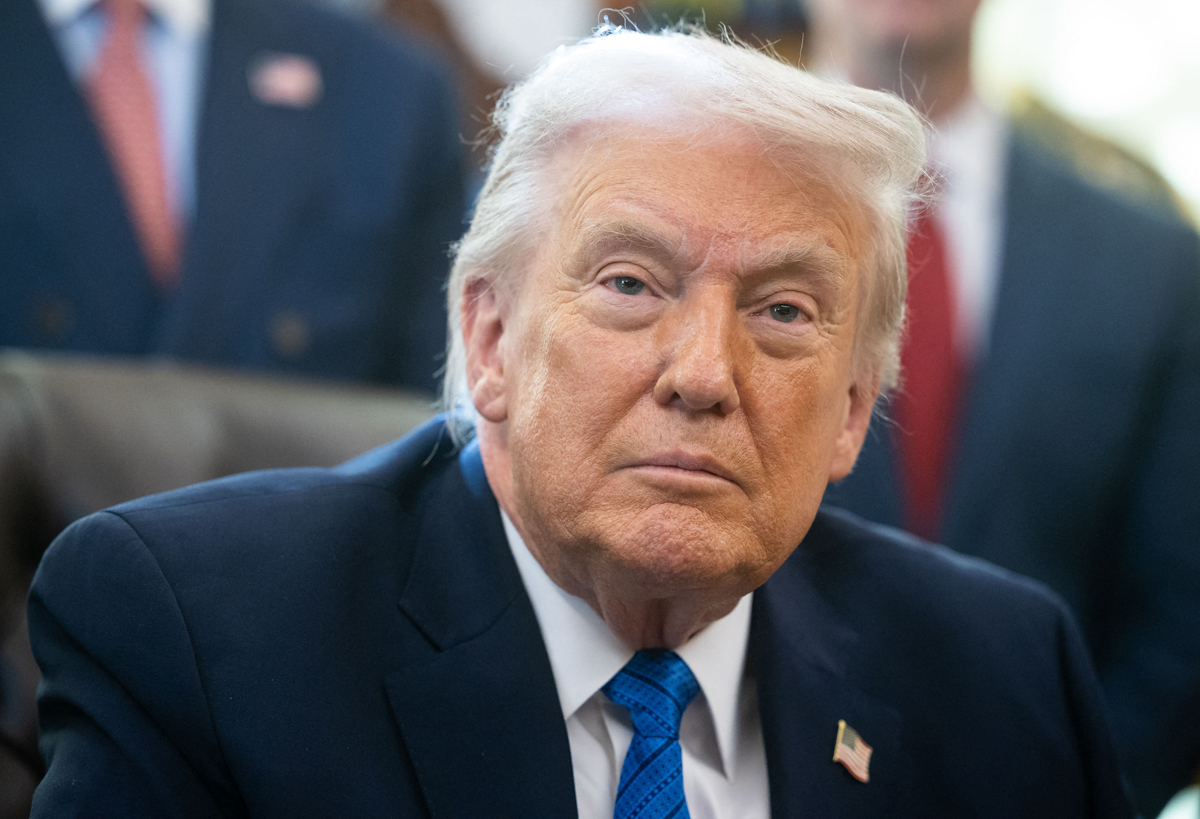
Rather than joining the bipartisan gathering of living former presidents, former first ladies, and civic leaders in New York City, President Trump is slated to participate in a commemoration ceremony at the Pentagon in Arlington, Virginia, before embarking on an international itinerary that includes attending a professional golf tournament at his resort in Doonbeg, Ireland. The split highlights broader questions regarding executive protocol, political messaging, and the evolving institutional norms governing national days of remembrance.
Detailed Chronology: The Evolution of Ground Zero Protocol
+-----------------------------------------------------------------------------------+
|                        TIMELINE OF 9/11 COMMEMORATION PROTOCOL                     |
+-----------------------------------------------------------------------------------+
| 2001 - Terrorist attacks destroy World Trade Center; emergency response begins.   |
| 2002 - 1st Anniversary: NYC Mayor Bloomberg, NY Gov. Pataki deliver speeches.      |
| 2011 - 10th Anniversary: Pres. Obama reads Psalm 46; Pres. Bush reads Lincoln letter. |
| 2012 - 11th Anniversary: Policy change enacted—politicians barred from speaking.   |
| 2026 - 25th Anniversary: WH speech request declined; President selects Pentagon.  |
+-----------------------------------------------------------------------------------+
The Early Years of Commemoration (2002–2011)
In the immediate aftermath of the 2001 attacks, the annual commemorations at Ground Zero featured prominent roles for elected officials. During the first anniversary in 2002, then-New York City Mayor Michael Bloomberg, former Mayor Rudy Giuliani, New York Governor George Pataki, and New Jersey Governor James McGreevey actively participated in the program, reading historical passages, recited poetry, and delivering brief reflections.
For the 10th anniversary in 2011, President Barack Obama and former President George W. Bush both stood on stage at the newly opened memorial plaza. While their appearances were curated to avoid partisan campaign rhetoric—President Obama recited Psalm 46, and President Bush read Abraham Lincoln’s famous letter to Mrs. Bixby—the presence of political figures at the microphone generated public debate regarding the boundary between national unity and political optics.
The 2012 Institutional Pivot
Following the 10th anniversary, the Board of Directors of the National September 11 Memorial & Museum, chaired by Mayor Bloomberg, enacted a permanent structural change to the annual program. Citing feedback from victims’ advocacy groups and a desire to insulate the ceremony from election-year posturing, the board established a firm rule: elected officials would no longer be permitted to deliver speeches, read texts, or address the audience during the central Manhattan ceremony.
Since September 11, 2012, the Manhattan ceremony has maintained a strict structure:
- Silent Pauses: Observed at six precise moments corresponding to when each Twin Tower was struck, when each tower fell, when the Pentagon was hit, and when Flight 93 crashed in Shanksville, Pennsylvania.
- Family Name-Reading: The complete recitation of the names of the victims killed at Ground Zero, the Pentagon, and Shanksville, as well as those killed in the 1993 World Trade Center bombing, performed exclusively by family members.
- Non-Partisan Attendance: Elected officials, foreign dignitaries, and political candidates are welcome to attend as silent observers within the audience, adhering strictly to the non-speaking protocol.
The 2026 Milestone Request
Preparations for the 25th anniversary brought renewed scrutiny to this institutional rule. Representatives for the White House submitted a request to the memorial’s leadership asking that President Trump be granted a designated speaking slot during the Ground Zero proceedings, reflecting the milestone nature of the quarter-century anniversary.
Upon review, the memorial board reaffirmed its 2012 policy, maintaining that the platform must remain reserved solely for surviving families. Following the board’s confirmation that the policy would not be modified for executive remarks, the White House finalized an alternative itinerary that shifted the President’s attendance from New York City to federal observances in Northern Virginia.
Supporting Context & Metric Breakdown
Expected Attendance at Key Commemoration Sites
The distinction between the Ground Zero event and alternative observances highlights notable differences in presidential and civic presence for the 25th anniversary:
| Attendance & Location Breakdown | Ground Zero Plaza (NYC) | The Pentagon (Arlington, VA) | Flight 93 Memorial (Shanksville, PA) |
|---|---|---|---|
| Key Executive Attendance | Vice President JD Vance | President Donald Trump | Congressional Delegation & Local Officials |
| Former Presidents Expected | Bill Clinton, George W. Bush, Barack Obama | N/A | To Be Confirmed |
| Former First Ladies / Officials | Hillary Clinton, Laura Bush, Rudy Giuliani | Defense Department Officials | National Park Service Leadership |
| Program Format | Family-led name reading; strictly no speeches | Formal military honors & Executive Address | Wreath-laying & family remarks |
| Institutional Policy | Strict 2012 anti-speech policy enforced | Executive protocol permits presidential speech | Mixed civic/family protocol |
Comparative Analysis: Historical Presidential 9/11 Observances
Presidential choices regarding 9/11 commemorations have varied across administrations, balancing attendance between Lower Manhattan, the Pentagon, and Shanksville:
 presidential-attendance-index (2001-2026 sample)

 2002 (1st)  : Bush [Ground Zero / White House]
 2011 (10th) : Obama & Bush [Ground Zero Joint Appearance]
 2017 (16th) : Trump [Pentagon Speech]
 2020 (19th) : Trump [Shanksville] / Biden & Pence [Ground Zero - Silent]
 2021 (20th) : Biden & Obama & Clinton [Ground Zero] / Bush [Shanksville]
 2026 (25th) : Trump [Pentagon] / Vance, Clinton, Bush, Obama [Ground Zero]
Executive Travel Schedule Surrounding the Anniversary
The decision to attend the Pentagon ceremony coincides with a broader domestic and international itinerary:
- Pre-Anniversary (September 10): Scheduled appearance in Texas for political events and fundraising engagements associated with the upcoming midterm election cycle.
- Anniversary Morning (September 11): Attendance at the annual Department of Defense memorial service at the Pentagon in Arlington, Virginia, featuring formal remarks, a wreath-laying ceremony, and a military pass-through.
- Post-Anniversary (September 12): Transatlantic flight to Ireland to visit the Trump International Golf Links in Doonbeg and attend stages of the Irish Open.
Official Statements & Stakeholder Reactions
Executive Office of the President
The White House declined to address the specifics of the speech request negotiated with the National September 11 Memorial & Museum board. White House spokesperson Anna Kelly released an official statement emphasizing the President’s personal connection to New York City and outlining his focus for the 25th anniversary observances:
"As a proud New Yorker, President Trump has spoken about his own experiences watching the horrific events of September 11, 2001. On the 25th anniversary of this tragic day, the President will remember those who were killed at the hands of evil terrorists, honor their loved ones, and pay tribute to the brave first responders who put their lives on the line to rescue their fellow Americans."
Administration officials reiterated that the President’s decision to lead the Pentagon ceremony reflects a commitment to honoring the fallen military and civilian defense personnel who died during the attack on the nation’s defense headquarters.
       +----------------------------------------------------------------+
       |                  STAKEHOLDER PERSPECTIVES                      |
       +----------------------------------------------------------------+
       |                                                                |
       |  WHITE HOUSE:                                                  |
       |  Emphasizes presidential tribute at the Pentagon; highlights   |
       |  Trump's New York roots and focus on honoring first responders.|
       |                                                                |
       |  MEMORIAL FOUNDATION:                                          |
       |  Upholds 2012 policy; maintains that Ground Zero must remain   |
       |  a non-political sanctuary focused on victim families.          |
       |                                                                |
       |  VICTIMS' FAMILIES GROUPS:                                     |
       |  Divided on executive presence vs. strict adherence to keeping |
       |  political speeches off the memorial plaza.                    |
       |                                                                |
       +----------------------------------------------------------------+
Memorial Organizers and Family Advocacy Groups
Leadership at the National September 11 Memorial & Museum reaffirmed the institutional stance that the core Ground Zero ceremony must remain insulated from political rhetoric of any kind.
Spokespersons for several 9/11 victims’ family associations expressed support for maintaining the 2012 standard, noting that the quarter-century milestone amplifies the need for solemnity.
"The sanctity of Ground Zero on September 11 relies on one fundamental principle: the day belongs to the families and the lost souls, not to political officeholders," stated a representative for a prominent coalition of 9/11 families. "Whether it is a mayor, a governor, or the President of the United States, keeping the microphone reserved for the reading of the names is the only way to preserve the non-partisan integrity of the memorial."
Conversely, some civic commentators and military veterans’ advocates expressed regret that a unified national front—featuring all living presidents alongside the sitting chief executive—could not be achieved on the plaza for such a significant quarter-century mark.
Strategic Implications & Future Outlook
Political Optics in an Election Year
The absence of the sitting chief executive from Ground Zero on a landmark anniversary carries clear strategic and media implications. In an election season marked by political friction, the contrast between a bipartisan gathering of former leaders in New York and the President’s distinct itinerary at the Pentagon and abroad highlights the challenge of navigating national civic rituals.
While critics may interpret the decision as a response to procedural constraints, supporters argue that attending the Pentagon ceremony allows the chief executive to serve as Commander-in-Chief in a controlled environment suited for presidential addresses.
The Evolution of 9/11 Institutional Memory
As the September 11 attacks transition from recent memory into historical canon—marked by a generation of citizens born after 2001—the debate over ceremony protocols reflects broader questions about national remembrance:
- Institutional Independence vs. Executive Authority: The memorial board’s adherence to its 2012 mandate demonstrates the independence of civic foundations overseeing national monuments. It establishes that formal presidential protocol does not automatically supersede institutional guidelines established by survivor communities.
- Standardization of Presidential Roles: The clear division of sites—Ground Zero reserved for family name-readings, the Pentagon for military/executive addresses, and Shanksville for quiet civic reflection—provides a template for future milestone anniversaries (such as the 30th or 50th observances).
- The Balance of Civic Rituals: As living memory fades over the coming decades, the reliance on family readers will inevitably adapt. Institutional planners face the ongoing task of maintaining solemnity while allowing national leaders appropriate avenues to pay respect without intruding upon the non-partisan nature of the site.
Ultimately, the 25th anniversary of September 11 will be observed across multiple venues, reflecting both the enduring grief of the families involved and the complex political realities of modern presidential commemorations.