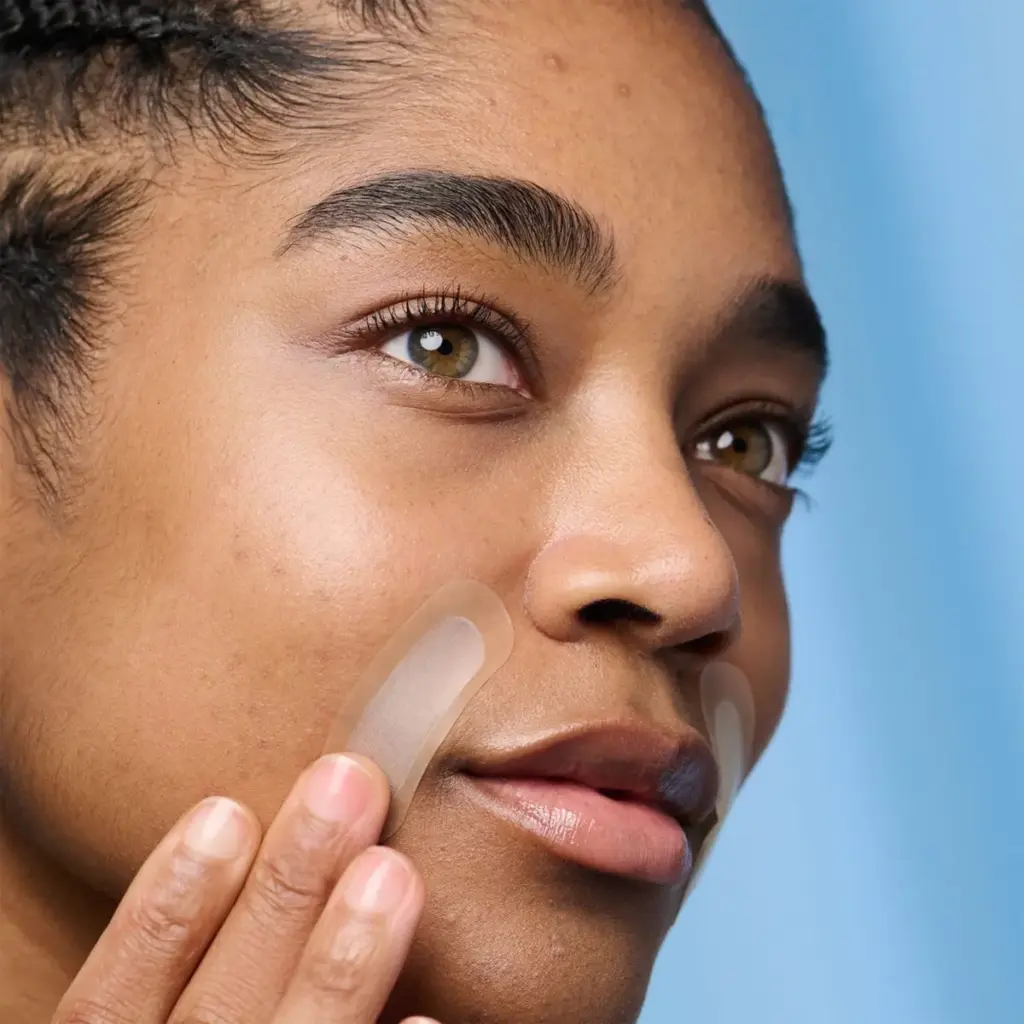
In the perpetual quest for smoother, youth-retaining skin, the beauty industry continually resurfaces old-school remedies with modern, high-tech twists. Among the latest viral sensations sweeping social media feeds and vanity tables alike are smile line patches—often grouped under the broader umbrellas of wrinkle patches, face tape, and microdart infusions. Promising overnight transformations, temporary "face-lifts," and a non-invasive alternative to clinical interventions like Botox or dermal fillers, these adhesive strips have quickly become a staple for beauty editors and skincare enthusiasts.
Yet, as with many viral cosmetic trends, a chasm often exists between marketing hyperbole and physiological reality. Do these occlusion-heavy strips and microneedling patches genuinely alter the architecture of aging skin, or are they merely offering a fleeting optical illusion born of hydration and restricted movement?
To separate science from sensationalism, ELLE consulted top dermatologists and celebrity estheticians. We investigated the mechanics of nasolabial folds, evaluated the leading patch formulations on the market—ranging from medical-grade silicone to advanced microdart retinol infusions—and weighed the benefits against potential risks for sensitive skin barriers.
Detailed Chronology & Evolution of Facial Patches
The concept of mechanical wrinkle prevention is far from a modern invention. To understand how today’s sophisticated microdart patches came to dominate the skincare landscape, it is helpful to trace the trajectory of facial taping and barrier occlusion.
The Mid-20th Century: The Birth of Mechanical Restraint
Decades before chemical peels and laser resurfacing became mainstream, the earliest iterations of wrinkle patches entered the market. Brands like Frownies—utilizing unbleached kraft paper and vegetable-based adhesives—pioneered the idea that physical restraint could prevent the deepening of expression lines. Users would wet the paper strips, apply them tightly across the forehead or around the mouth, and allow them to dry into a rigid cast overnight. The core philosophy was simple: if the skin cannot fold during sleep, dynamic wrinkles cannot set into static creases. For generations, this low-tech approach remained a quiet secret among backstage performers and dedicated skincare traditionalists.
The 2000s–2010s: The Silicone Revolution and Medical-Grade Adoption
As medical science advanced its understanding of wound healing and scar management, dermatological innovation crossed over into the anti-aging sector. Medical-grade silicone sheeting, long used to flatten and hydrate hypertrophic scars, was repurposed for cosmetic facial use. Brands like SiO Beauty introduced reusable silicone patches designed to seal in transepidermal moisture, temporarily plump the stratum corneum, and smooth superficial creasing without relying on harsh adhesives. This era marked a shift toward skin-nourishing occlusion rather than purely mechanical immobilization.
The Modern Era: Microdarts and Active Infusions
Today, the category has evolved into a high-performance delivery system. The integration of microneedling technology—adapted into dissolvable "microdarts" or "microcones"—allows brands to physically pierce the outermost layer of the stratum corneum. Instead of sitting strictly on top of the skin, patches from lines like PCA Skin, 111Skin, Peace Out, and Hero Cosmetics now actively drive high-potency ingredients such as hyaluronic acid, encapsulated retinol, peptides, and vitamin C deep into the epidermal layers. What began as a simple piece of tape has transformed into a targeted, transdermal treatment modality.
Navigating the crowded market of smile line patches requires understanding the distinct mechanisms behind each formulation. Below is a comprehensive breakdown of the leading products evaluated by beauty experts and editors, categorized by their active technologies.
1. The Pure Occlusive & Silicone Standard: SiO Beauty Beauty FaceLift
Count: 4 patches (two smile line, one forehead, one neck)
The Lowdown: Highly recommended by dermatologists for sensitive skin, these medical-grade silicone patches create a micro-climate that seals in moisture. Formulated with softening stearic acid, they peel away cleanly without tugging at delicate facial contours. Dr. Ife Rodney notes that they are exceptional for sealing in hydration to temporarily plump and smooth the skin.
2. The Traditional Paper Cast: Frownies Corners of Eyes & Mouth Wrinkle Patches
The Lowdown: A cult-favorite staple utilized by celebrity esthetician Natasha Glasgow for over 25 years. These paper strips are water-activated and dry into a firm cast overnight to physically hold the skin in place and restrict repetitive folding. Because of their firm hold, experts advise caution if your skin barrier is compromised or if you are concurrently using potent retinoids.
3. The Travel-Friendly Option: Skin Gym Face Tape
Price: ~$25
Key Ingredients: Heat-sensitive adhesive
Count: 128 patches
The Lowdown: Conveniently pre-cut for travel, Skin Gym’s face tape gently limits movement overnight. Activated by gently rubbing the patch after application to trigger the heat-sensitive adhesive, these work well on healthy, non-sensitive skin around the eyes, forehead, cheeks, and neck.
The Lowdown: While officially formulated for the under-eye area, ELLE beauty commerce editor Nerisha Penrose famously repurposes these for stubborn smile lines and forehead creases. Each patch features 1,000 hyaluronic-acid-infused microneedles that dissolve to deliver deep hydration and softening amino acids, serving as a compelling alternative to clinical procedures.
5. The Advanced Clinical Set: 111Skin Wrinkle Erasing Retinol Patch
The Lowdown: Developed by plastic surgeons, these patches utilize proprietary microcone technology to deliver retinol, peptides, and brightening ascorbyl glucoside directly into expression lines. Clinical studies cited by the brand showed a 17 percent reduction in smile lines after just one use, making them a favorite for editors managing expressive facial movements.
6. The Targeted Retinol Delivery: Peace Out Microneedling Anti-Wrinkle Retinol Patches
The Lowdown: Combining microdart technology with encapsulated retinol and vitamin C, these patches release active ingredients gradually to minimize irritation while firming and toning the nasolabial area. Consumer reviews frequently highlight their efficacy as an overnight "magic fix" for deepening expression lines.
7. The Barrier-Friendly Microdart: Hero Cosmetics Mighty Patch for Fine Lines
The Lowdown: Expanding beyond blemish care, Hero Cosmetics utilizes over 1,300 microdarts infused with retinol, hyaluronic acid, and collagen-boosting adenosine. Formulated with calming niacinamide and centella asiatica, these are a favorite for pre-event skin "snatching."
Official Statements & Dermatological Reality Checks
To understand the true clinical efficacy of these products, ELLE turned to leading medical experts to unpack the science of nasolabial folds and skin barrier safety.
Do Smile Line Patches Actually Work?
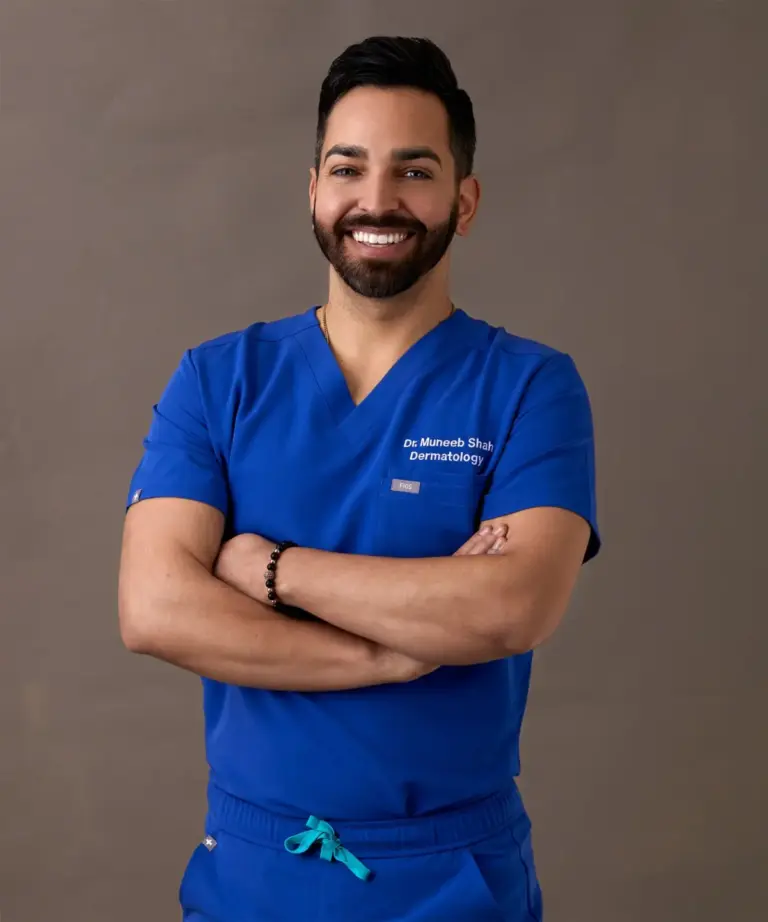
According to double board-certified dermatologist Dr. Aegean Chan, consumers must manage their expectations regarding what topical patches can achieve.
"I would categorize smile line patches as a temporary cosmetic smoothing product rather than a treatment that can meaningfully change the underlying nasolabial fold," explains Dr. Chan. "The theory is that placing a patch over the smile lines limits repetitive folding of the skin, which could potentially help prevent the progression of superficial creasing. However, nasolabial folds are not primarily caused by movement of the skin in that area. Much of their appearance comes from deeper changes in facial anatomy [such as fat pad shifting and bone resorption], which a patch cannot address."
Dr. Chan notes that while users often witness a temporary smoothing effect, this is primarily the result of the patch’s occlusive action and added hydration plumping the stratum corneum during sleep. For long-term collagen remodeling and defense against UV-induced skin thinning, she emphasizes that consistent sunscreen and retinoid application remain far more evidence-backed.
Echoing this sentiment, celebrity esthetician Natasha Glasgow summarizes their practical utility: "Used simply and intentionally, they are a low-effort way to keep the area looking and feeling softer." Results typically endure anywhere from several hours up to a full day.
Are Smile Line Patches Safe for Sensitive Skin?
Skin barrier health is paramount when introducing adhesive products or active microdarts into a nighttime routine.
"Medical-grade silicone is my top recommendation across the board—it’s gentle to remove and far less likely to pull or irritate the skin," advises Glasgow. "Traditional adhesives, including paper-style patches, can sometimes lift the very first layer of skin, causing redness or extra sensitivity, especially if you are using retinols, vitamin C, or have recently had a peel, microneedling, or laser treatment."
Dr. Ife Rodney advises caution for individuals with pre-existing skin conditions: "They can work for most skin types, but if you have eczema, sensitive skin, or a history of adhesive allergies, patch test first and discontinue use if you develop redness, itching, or irritation."
Future Outlook
As the beauty and wellness sector continues to intersect with dermatological science, the future of anti-aging patches points toward hyper-customization and enhanced transdermal delivery. We are likely to see the integration of smart-biomaterials that respond dynamically to skin temperature, pH levels, and moisture fluctuations throughout the night.
Furthermore, as consumer awareness regarding skin barrier integrity grows, brands are expected to lean heavily away from aggressive, stripping adhesives in favor of biocompatible hydrocolloids and medical-grade silicones paired with slow-release, non-irritating peptide complexes.
Ultimately, while smile line patches will not replace clinical procedures like volumizing fillers or neuromodulators for deep structural aging, they have carved out a legitimate, highly accessible niche in preventative maintenance. When utilized with realistic expectations and a respectful awareness of skin sensitivity, these adhesive innovations offer an effective, low-stakes ritual for anyone looking to soften expression lines and enhance their daily skincare routine.