Executive Overview
In an era dominated by high-intensity hustle culture, punishing weight-loss regimens, and unrealistic physical transformations, the fitness industry is undergoing a necessary and profound paradigm shift. At the vanguard of this movement is Holly Fivian, a distinguished personal trainer and the founder of Holsm, an innovative strength-training platform specifically tailored for midlife women.
Rather than anchoring client success to arbitrary weight-loss targets, aesthetic modifications, or aggressive strength increments, Fivian advocates for a radically sustainable approach. Her philosophy is built upon three foundational pillars: movement that is genuinely enjoyable, ergonomically suited to the individual’s changing physiology, and designed for lifelong longevity.
At the core of her training methodology is a simple, highly effective, 10-minute fundamental beginner’s workout. This routine—utilized universally across her private coaching practice—departs from conventional quick-fix routines. Instead of prioritizing speed or heavy loads, Fivian’s methodology emphasizes foundational movement literacy, postural alignment, diaphragmatic breathing, and deep-core engagement. This article provides a comprehensive examination of Fivian’s philosophy, a detailed breakdown of her signature 10-minute routine, expert execution tips, and an exploration of how redefining "progress" can transform physical health during midlife and beyond.
Detailed Chronology & Evolution of the Holsm Methodology
The Crisis of Modern Fitness for Midlife Women
For decades, the fitness narrative directed at women navigating perimenopause and menopause has been plagued by counterproductive messaging. Traditional advice frequently prescribed chronic high-intensity cardio, caloric restriction, and punishing high-impact exercises that routinely led to burnout, joint inflammation, and injury.
Recognizing a systemic void in the wellness market, Holly Fivian established Holsm to challenge these antiquated paradigms. The platform was born out of a clinical and empirical observation: midlife women do not need more punishment; they need intelligent, empowering strength training that respects their physiological reality.
Moving Away from Outcome-Driven Metrics
Fivian’s coaching model represents a structural departure from traditional outcome-driven models. When onboarding new clients, she deliberately shifts the psychological framework away from traditional metrics of success.
- The Problem with Weight Goals: Tying self-worth and progress strictly to numerical weight loss creates a volatile emotional cycle that discourages consistency.
- The Holsm Alternative: Fivian encourages clients to decouple exercise from body-shaming aesthetics. Instead, she refocuses their attention on how movement makes them feel, how it supports their musculoskeletal health, and whether the routine can be sustained comfortably for decades to come.
The Philosophy of "Owning the Movement"
Central to Fivian’s training chronology is the concept of mastery through repetition. Rather than rushing clients through a revolving door of complex exercises, Fivian programs a minimalist selection of fundamental movements.
Clients are expected to repeat these same basic patterns over an extended duration, integrating crucial stabilizing elements such as postural awareness, diaphragmatic breathing, and deep-core work.
"They repeat these same fundamental movements alongside their posture, diaphragmatic breathing and deep-core work until they really own them," Fivian explains.
This meticulous approach ensures that neuromuscular pathways are firmly established, protecting joints and optimizing muscular recruitment before any external resistance is ever introduced.
Supporting Context, Metrics, & The 10-Minute Fundamental Routine
To demystify strength training for beginners, Fivian has distilled her programming into a precise, highly accessible 10-minute routine. Designed to be performed consistently over a six-to-eight-week window, this regimen establishes the bedrock required for long-term physical competence.
Programming Guidelines
- Duration per Exercise: 30 seconds of continuous, controlled execution.
- Rest Period: 15 seconds of recovery between exercises to regulate heart rate and maintain pristine form.
- Total Sets: 3 complete rounds of the five-move circuit.
- Timeline for Progression: Fivian strongly advises sticking with this exact routine for 6 to 8 weeks—or until absolute physical and mental confidence is achieved—before considering the addition of external weights or advanced variations.
The 5 Fundamental Movements Broken Down
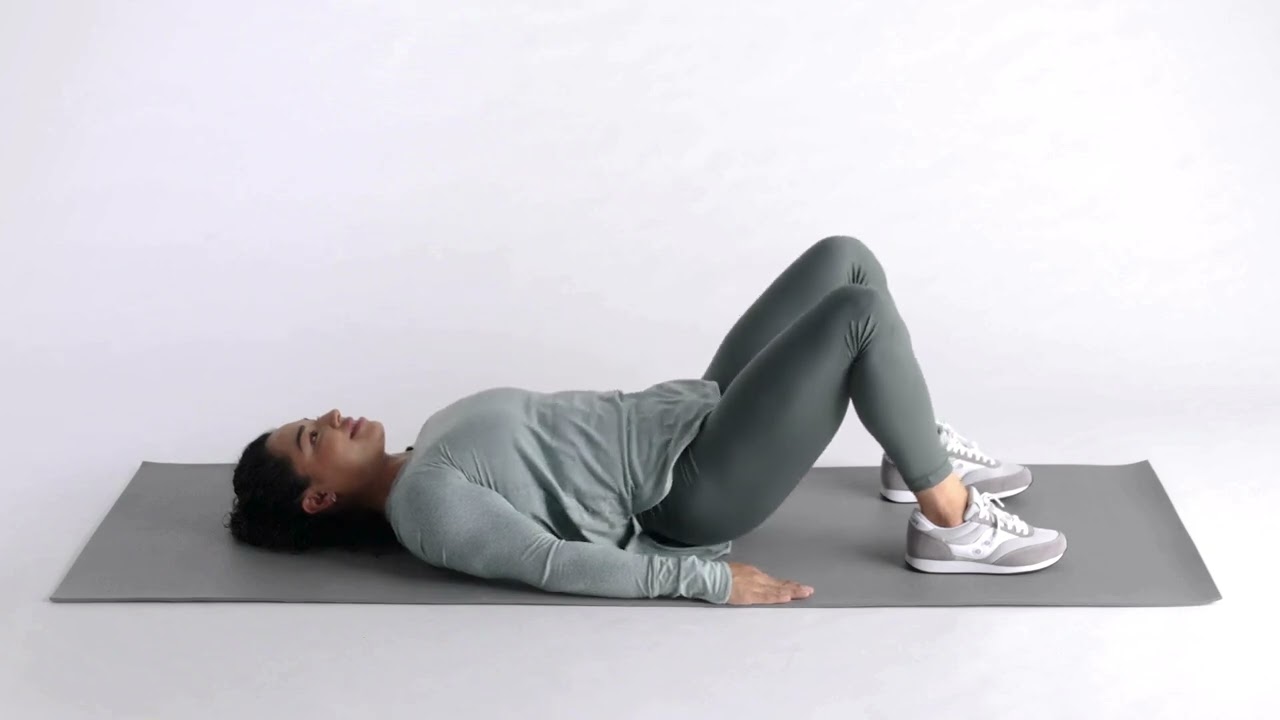
1. The Glute Bridge
- Prescription: 3 sets | 30 seconds work | 15 seconds rest
- Target Muscles: Gluteus maximus, hamstrings, core stabilizers, and pelvic floor.
- Execution Overview: Lying flat on the back with knees bent and feet flat on the floor hip-width apart, the practitioner drives through the heels to lift the hips toward the ceiling, creating a straight line from shoulders to knees.
- Trainer Tip: "If you predominantly feel the movement in your lower back rather than your glutes, reduce the height of your bridge and re-establish your core connection." This ensures that the primary hip extensors are doing the heavy lifting without imposing undue shear stress on the lumbar spine.
2. The Squat
- Prescription: 3 sets | 30 seconds work | 15 seconds rest
- Target Muscles: Quadriceps, glutes, adductors, and core.
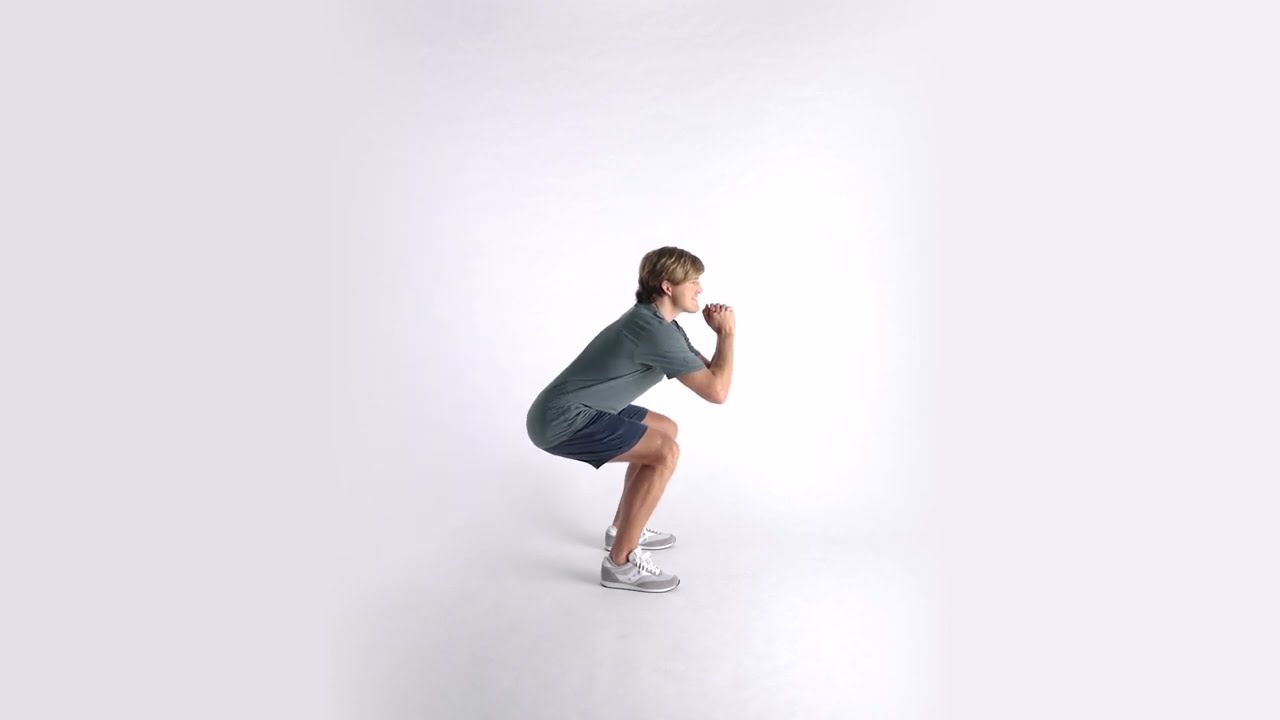
- Execution Overview: Standing with feet shoulder-width apart, initiate the movement by hinging at the hips and bending the knees as if sitting back into an imaginary chair, keeping the chest proud and torso upright.
- Trainer Tip: "Keep your weight through your heels and, as you lower, think about gently pushing your knees outwards so they track in the same direction as your toes. Keep your chest open and maintain your core connection."
3. The Press-Up (Push-Up)
- Prescription: 3 sets | 30 seconds work | 15 seconds rest
- Target Muscles: Pectorals, anterior deltoids, triceps, and core stabilizers.
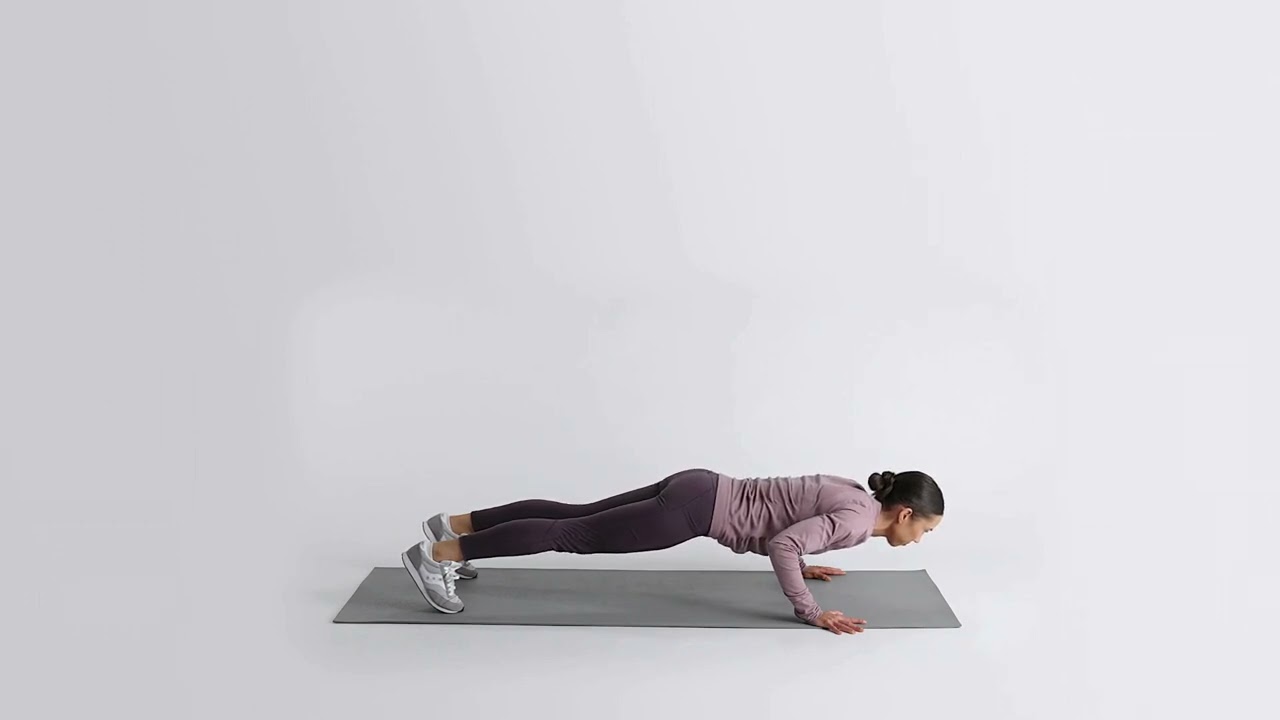
- Execution Overview: Beginning in a plank position with hands slightly wider than shoulder-width, lower the body uniformly toward the floor by bending the elbows at a 45-degree angle before pressing powerfully back to the starting position.
- Trainer Tip: "Don’t sacrifice your body position simply to get lower. A beautifully controlled wall or incline press-up is far more valuable than a floor press-up where you’ve lost your form."
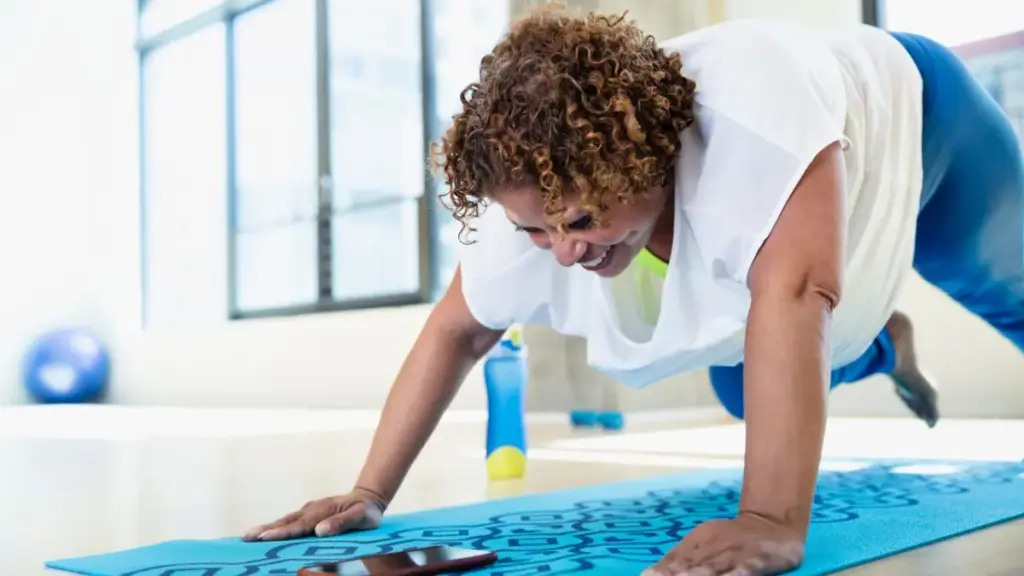
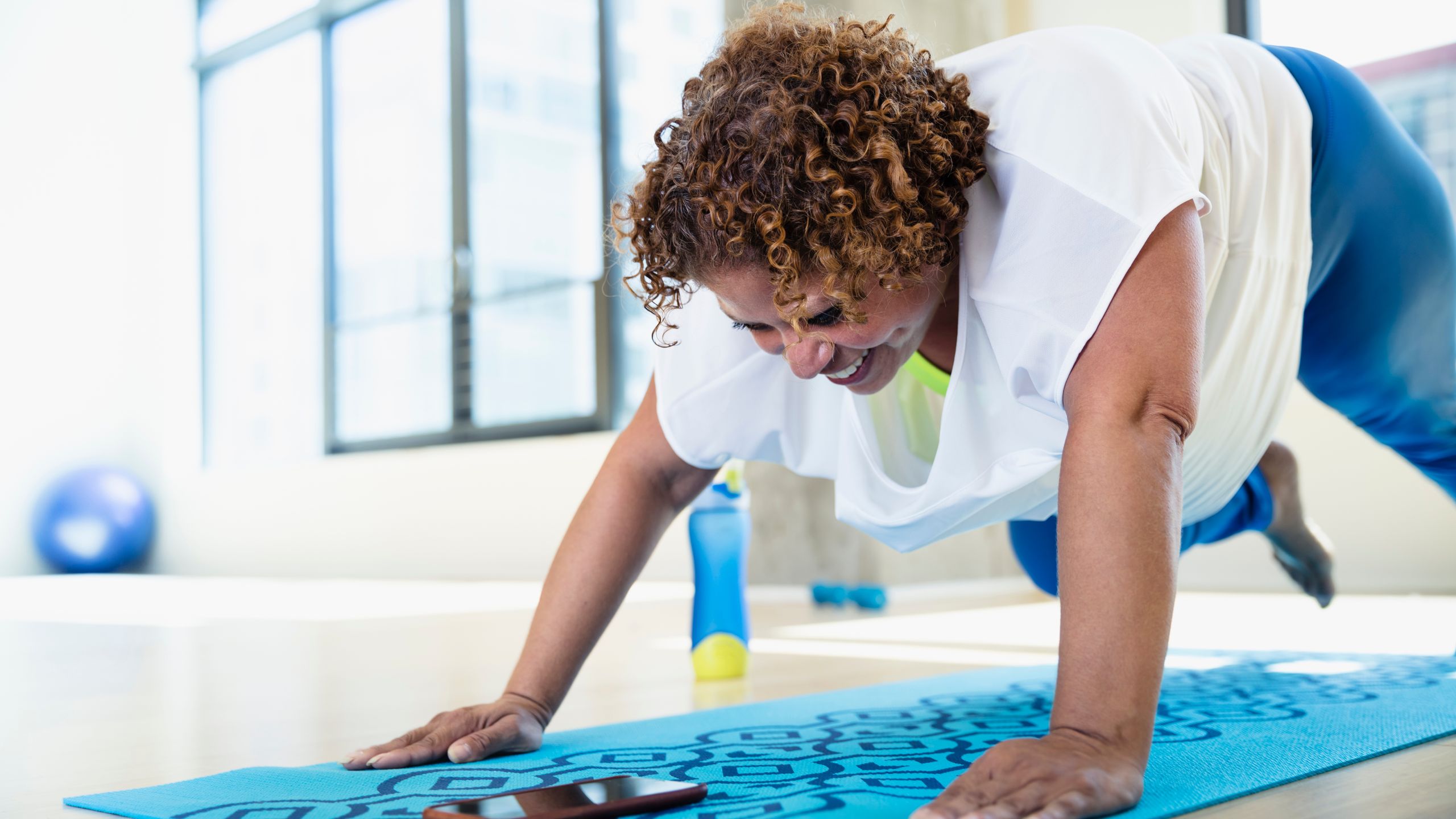
4. Mountain Climbers
- Prescription: 3 sets | 30 seconds work | 15 seconds rest
- Target Muscles: Deep core, hip flexors, shoulders, and cardiovascular system.
- Execution Overview: Starting in a high plank position, alternatingly drive the knees toward the chest in a rhythmic, controlled fashion while maintaining absolute rigidity through the upper body.
- Trainer Tip: "Your legs are moving, but your trunk should remain strong and controlled. If you start losing that position, slow down or move onto an incline. Quality over quantity, every time."
5. Plank Shoulder Taps
- Prescription: 3 sets | 30 seconds work | 15 seconds rest
- Target Muscles: Transverse abdominis, obliques, shoulders, and anti-rotational core stabilizers.
- Execution Overview: Maintaining a rigid high plank position with feet slightly wider for a broader base of support, lift one hand to touch the opposite shoulder while actively resisting any lateral shifting of the hips.
- Trainer Tip: Choose an elevated variation (such as against a wall or sturdy elevated surface) if floor-level execution compromises form. As Fivian notes: "The challenge is to keep your hips and torso as still as possible rather than rocking from side to side."
Official Insights & The Philosophy of Progressive Overload Redefined
In contemporary fitness culture, "progressive overload" is frequently misinterpreted as the relentless, linear addition of heavier dumbbells or barbells week after week. Fivian’s pedagogical framework disrupts this narrow interpretation, offering a more holistic view of physical advancement.
Redefining Progress
According to Fivian, progress is not exclusively quantified by the amount of iron lifted or the speed at which a circuit is completed. For beginners—particularly women navigating the biomechanical shifts of midlife—progress manifests in neuromuscular efficiency, postural integrity, and somatic awareness.
"Progress doesn’t always mean progressing the exercise. Progress might mean performing exactly the same squat with better posture," Fivian emphasizes.
By redefining progress around movement quality rather than external load, practitioners cultivate a profound sense of body literacy. This approach drastically minimizes injury rates, fosters psychological safety, and builds a sustainable psychological relationship with physical exertion.
Future Outlook: The Shift Toward Lifelong Movement Literacy
As the wellness industry matures, the methodologies championed by Holly Fivian and Holsm point toward a much-needed evolution in how physical fitness is packaged, consumed, and practiced.
Key Takeaways for the Future of Fitness:
- Democratization of Strength Training: By breaking down complex movements into accessible, 10-minute micro-workouts, trainers can successfully lower the barrier to entry for deconditioned or intimidated populations.
- Prioritizing Longevity Over Aesthetics: The cultural obsession with rapid, aesthetic-driven transformation is steadily giving way to functional longevity—ensuring that individuals maintain their physical autonomy, bone density, and metabolic health well into their later decades.
- The Integration of Breath and Core: The future of functional training acknowledges that superficial muscle building is inadequate without deep-core stabilization and diaphragmatic breathing mechanisms supporting internal pressure management.
Conclusion
Holly Fivian’s 10-minute fundamental workout is much more than a beginner’s routine; it is a manifesto for mindful, sustainable physical culture. By stripping away the noise of extreme fitness trends and focusing relentlessly on foundational mechanics, breath, and posture, Fivian empowers midlife women to reclaim their physical agency. Through this thoughtful approach, movement ceases to be a punishment for what the body isn’t, and instead becomes an empowering celebration of what the body can achieve when treated with intelligence, respect, and care.