Executive Overview
A routine family holiday to the picturesque landscapes of Switzerland transformed into an unimaginable nightmare this week following the tragic death of a British teenager. The young man, whose identity has not yet been formally released by authorities, lost his life after getting into deep water while swimming in the crystal-clear waters of Lake Cauma, nestled within the dense alpine forests near the municipality of Flims in the canton of Graubünden.
The incident, which unfolded on the afternoon of Tuesday, August 27, 2026, has sent shockwaves through both the local Swiss community and the international travel circuit. What was meant to be a tranquil summer afternoon of swimming and leisure quickly escalated into a desperate, high-stakes rescue operation. Despite the heroic efforts of fellow beachgoers who rushed to his aid on paddleboards and by swimming into the freezing alpine waters, and the immediate deployment of advanced emergency medical response teams, the teenager succumbed to his injuries later that same evening at a regional hospital.
As local authorities—including the cantonal police of Graubünden and the public prosecutor’s office—launch a comprehensive formal investigation to establish the exact chain of events leading up to the drowning, questions are once again being raised about water safety awareness, the deceptive nature of alpine swimming conditions, and the inherent risks associated with recreational swimming in deep, cold mountain lakes. Meanwhile, diplomatic channels have been activated, with the UK Foreign, Commonwealth & Development Office (FCDO) extending consular assistance to the grieving family during this profoundly difficult time.
This report provides a thorough, multi-faceted examination of the incident, analyzing the chronology of the emergency response, the unique environmental hazards presented by Lake Cauma, standard safety protocols for open-water swimming in Switzerland, and the broader context of consular support for British nationals traveling abroad.
Detailed Chronology of Events
The Setting: An Alpine Paradise
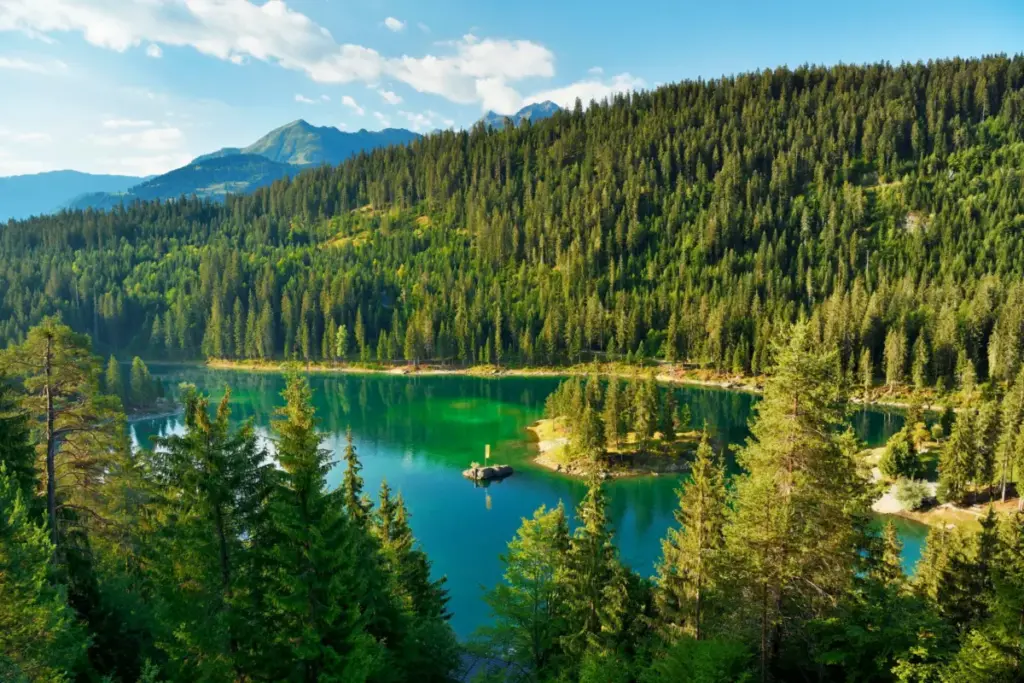
Lake Cauma—locally known as Caumasee—is widely celebrated as one of the most breathtaking natural attractions in eastern Switzerland. Renowned for its striking, Caribbean-like turquoise-green waters and its secluded forest setting within the Flims mountain range, the lake is a major draw for tourists and locals alike during the peak summer months. Visitors frequently swim out to a small, wooded island located roughly in the center of the lake or utilize the dedicated sunbathing areas and lidos lining the shore.
On the afternoon of August 27, conditions initially appeared idyllic. The weather was warm, and the shoreline was populated by families, sunseekers, and holidaymakers enjoying the waning weeks of the European summer season. The British teenager and his family were among those visiting the beauty spot, taking advantage of the recreational facilities.
The Emergency Unfolds
According to reports compiled by Swiss regional media, including the Tages-Anzeiger, the critical incident began at approximately 5:45 PM local time. The teenager had reportedly entered the water to swim the distance between the central island and the main sunbathing shore—a common recreational route for confident swimmers, but one that demands sustained physical exertion.
Midway through his swim, between the island and the bank, the young man experienced acute physical distress and began to struggle against the water. Witnesses observed him slipping beneath the surface, prompting immediate alarm among nearby beachgoers who realized he was in critical danger.
Bystander Intervention and Water Rescue
Demonstrating remarkable presence of mind and extraordinary courage, several members of the public who were relaxing on the shore or the lake’s perimeter sprang into action. Without hesitation, multiple bystanders plunged into the lake, while others grabbed stand-up paddleboards (SUPs) to accelerate their transit to the area where the teenager had gone under.

The rescuers successfully located the submerged teenager and managed to pull him from the water onto the surface of a paddleboard and subsequently onto the shore. Upon reaching the land, it became immediately apparent that the young man was unresponsive and in critical condition.
Medical Intervention and Airlift
By sheer coincidence, qualified medical professionals happened to be present among the beachgoers at Lake Cauma at the time of the incident. Recognizing the life-or-death urgency of the situation, these off-duty or visiting clinicians immediately initiated advanced cardiopulmonary resuscitation (Cardiopulmonary Resuscitation – CPR) on the shore, working frantically to restore spontaneous circulation and oxygenation.
Emergency services were summoned, triggering a swift and coordinated multi-agency response. Given the remote alpine geography of the Flims forest, ground transport alone would have proven too slow to ensure timely delivery to a high-level trauma center. Consequently, a Rega air rescue helicopter was dispatched to the scene.
Emergency flight paramedics and doctors took over advanced life support measures upon landing. The teenager was stabilized just enough for emergency transport and was subsequently airlifted directly to the Cantonal Hospital (Kantonsspital Graubünden) in Chur, located approximately 13 miles (21 kilometers) northeast of the lake.
Despite the exhaustive efforts of the initial rescuers, the on-scene medical personnel, and the elite trauma team at the Chur hospital, the young man tragically failed to regain critical neurological function and passed away later that same evening.
Supporting Context, Environmental Factors, and Safety Metrics
The Deceptive Dangers of Alpine Lakes
While alpine lakes such as Lake Cauma offer unmatched aesthetic appeal, aquatic safety experts frequently warn that swimming in mountain environments carries risks that differ significantly from swimming in controlled pools, calm coastal bays, or tropical waters. Understanding these environmental factors is crucial to contextualizing the tragedy.
-
Thermal Shock and Water Temperature:
Even during the height of summer, alpine lakes are fed by snowmelt, glacier run-off, or underground cold-water springs. Consequently, water temperatures can remain deceptively low. Sudden immersion in cold water (typically below 15°C or 59°F) can trigger "cold shock response," characterized by involuntary gasping, hyperventilation, massive spikes in blood pressure, and a rapid surge in heart rate. For an untrained swimmer, this can quickly lead to panic, aspiration of water, and sudden incapacitation. -
Fatigue and Distance Miscalculation:
Swimming from a shoreline to an island and back requires sustained aerobic endurance. Open water lacks lane markers, resting walls, or shallow edges where a swimmer can easily pause. Miscalculating one’s stamina, encountering sudden exhaustion, or experiencing a cramp in the middle of a deep lake can rapidly escalate into a drowning emergency. -
Lack of Lifeguard Infrastructure:
Many natural alpine swimming spots, while heavily visited, operate without continuous, professional lifeguard patrols covering every square meter of the water. While designated lidos may have personnel on site, secluded stretches of shoreline or open swimming lanes between islands often rely entirely on peer rescue and self-regulation.
Swiss Open-Water Statistics
Switzerland boasts thousands of lakes and rivers, making water sports and swimming a central pillar of national recreation. However, water safety organizations within the country—such as the Swiss Lifesaving Society (SLRG)—continually emphasize prevention and education.
According to annual safety reports issued by the SLRG, dozens of accidental drownings occur across Swiss waterways each year. While a significant portion of these incidents involve rivers or unmonitored swimming zones, lakes continue to account for a high proportion of fatal accidents, frequently driven by overestimation of swimming ability, unexpected health events in the water, or failure to account for cold-water fatigue.
Official Statements, Investigations, and Diplomatic Response
Law Enforcement and Judicial Inquiries
In accordance with standard Swiss legal procedure involving sudden or non-natural deaths, an official investigation has been formally initiated. The inquiry is being led jointly by the cantonal police of Graubünden (Kantonspolizei Graubünden) and the local public prosecutor’s office (Staatsanwaltschaft Graubünden).
Police investigators have cordoned off relevant areas for forensic assessment, gathered testimony from eyewitnesses who participated in the rescue, and reviewed the precise timeline of events. Authorities have stated that, at this preliminary stage of the investigation, there is no suspicion of third-party involvement, foul play, or criminal negligence. The inquiry is primarily aimed at establishing the exact medical and environmental sequence that caused the drowning, ensuring a complete and transparent public record.
Consular and Diplomatic Support
The British government, through the Foreign, Commonwealth & Development Office (FCDO), has been notified of the tragedy. While individual consular privacy regulations restrict the public release of specific personal details without family authorization, standard FCDO protocol in such cases involves:
- Providing direct, specialized consular assistance to the bereaved family.
- Liaising closely with local Swiss authorities, emergency services, and hospital personnel to facilitate the necessary administrative procedures.
- Assisting the family with the complex, emotionally taxing process of repatriation—returning the deceased teenager’s remains to the United Kingdom for a proper funeral and burial.
A spokesperson for the FCDO typically reiterates condolences in such circumstances, emphasizing that support teams remain available around the clock for British nationals facing crises abroad.
Future Outlook, Prevention, and Advisory Measures
Lessons for International Travelers
The heartbreaking incident at Lake Cauma serves as a sobering reminder of the vital importance of water safety awareness for families embarking on overseas holidays. Travel industry analysts and safety advocates stress that travelers visiting foreign lakes, rivers, and coastal areas should adhere to core safety guidelines:
- Assess Water Temperatures: Always check local signage regarding water temperatures and currents before embarking on long-distance swims in alpine environments.
- Know Your Limits: Avoid swimming long distances across deep open water (such as between shores and islands) unless accompanied by a watercraft escort or possessing proven endurance in cold-water conditions.
- Supervise Minors and Young Adults: While teenagers possess greater independence than younger children, sudden exhaustion or medical emergencies can strike swimmers of any age. Swimming with a buddy is strongly advised.
- Respect Local Warnings: Pay close attention to lido regulations, warning flags, and advice issued by local Swiss authorities or park rangers.
Moving Forward
As the investigation in Graubünden continues toward its formal conclusion, the primary focus remains on supporting the grieving family as they navigate the devastating aftermath of their loss. Communities in both the United Kingdom and Switzerland have expressed an outpouring of sympathy for the relatives, highlighting the universal sorrow associated with a young life cut tragically short in the midst of a family holiday.