Executive Overview
In an era defined by endless digital noise, social media algorithms saturated with wellness trends, and an overwhelming marketplace of products promising miraculous transformations, it has become increasingly difficult to separate fleeting fads from genuinely beneficial self-care practices. Consumers are constantly bombarded with advice on what to ingest, apply, and inject, often leaving them fatigued, skeptical, and out of pocket.
Amidst this crowded landscape, two traditional, hands-on wellness rituals have broken through the clutter to claim a permanent place in modern routines: dry brushing and lymphatic drainage. Far from being mere internet aesthetics, these practices offer tangible, physiological benefits that bridge the gap between physical health and mindful self-care.
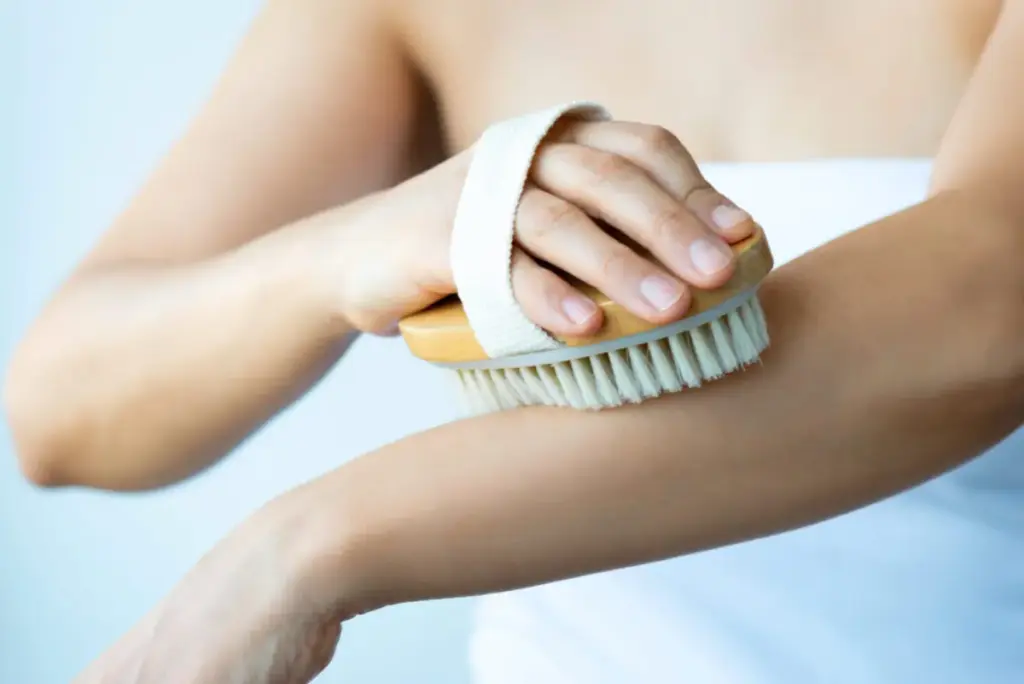
Dry brushing—the simple act of exfoliating dry skin with a natural-bristle brush—is frequently misunderstood as just another mechanical scrub. However, industry experts and holistic health practitioners argue that its true value lies far beneath the surface. When executed correctly, dry brushing acts as a gateway to lymphatic drainage, stimulating the body’s natural filtration network, waking up dormant tissues, and fostering a profound mind-body connection.
Simultaneously, lymphatic drainage—whether performed via at-home dry brushing or through specialized professional treatments at premier wellness destinations like The Tox or ORA—has surged in popularity. Moving away from the buzzy, often misleading concept of "detoxification," experts frame lymphatic drainage as a vital tool for improving fluid flow, reducing localized puffiness, alleviating physical heaviness, and soothing the nervous system.
This comprehensive report explores the physiological mechanics of dry brushing and lymphatic drainage, examines expert insights from leading voices in the wellness space, details proper techniques for maximum efficacy, and evaluates the realistic outcomes you can expect from integrating these rituals into your daily life.
Detailed Chronology: The Evolution of Lymphatic Care and Dry Brushing
To truly understand why dry brushing and lymphatic drainage have captured the collective imagination of today’s wellness enthusiasts, it helps to trace their journeys from ancient healing traditions to modern clinical and aesthetic practices.
Ancient Roots and Historical Context
While the term "lymphatic drainage" sounds thoroughly contemporary, the underlying principle of manipulating the body’s soft tissues to encourage fluid movement has ancient roots. Traditional medicine systems across various cultures have long recognized that physical touch, massage, and skin stimulation play critical roles in overall vitality.
Dry brushing, specifically, has historical ties to several traditions, including Ayurvedic medicine in India, where it is known as Garshana. Traditionally performed with raw silk gloves or natural-bristle brushes, Garshana was designed to stimulate circulation, encourage the shedding of dead skin cells, and awaken the body’s internal channels of energy and elimination before bathing.
The Medical Foundation of Lymphatic Drainage
The formal understanding of the lymphatic system’s anatomy and physiology emerged much later in Western medicine. In the 1930s, the Danish biologist Dr. Emil Vodder and his wife, Estrid Vodder, developed "Manual Lymph Drainage" (MLD) in Paris. Originally designed to treat chronic sinus infections and swollen lymph nodes in patients, Vodder’s technique relied on gentle, rhythmic, and directional stretching of the skin to encourage the movement of lymph fluid.
For decades, MLD remained strictly within the realm of clinical medicine. It was utilized primarily by physical therapists and oncologists to manage lymphedema—a debilitating type of swelling often experienced by cancer survivors following lymph node removal or radiation therapy.
The Aesthetic and Wellness Pivot
As the wellness industry expanded rapidly in the late 20th and early 21st centuries, aesthetic practitioners recognized the profound cosmetic and sensory benefits of lymphatic stimulation. Therapists observed that encouraging the movement of stagnant lymphatic fluid not only reduced medical edema but also temporarily minimized facial puffiness, smoothed localized fluid retention, and enhanced skin radiance.
Over the past decade, this clinical technique crossed over into mainstream beauty culture. High-end spas, holistic acupuncture clinics, and specialized body-sculpting studios began integrating lymphatic drainage into their core offerings. Concurrently, digital platforms democratized access to wellness education, transforming historical practices like dry brushing from obscure spa secrets into accessible, at-home daily rituals. Today, consumers no longer view lymphatic care as an occasional luxury reserved for post-surgical recovery or pre-red-carpet preparations, but as an essential pillar of holistic preventative health.
Supporting Context & Metrics: Decoding the Lymphatic System
To appreciate the physiological impact of dry brushing and lymphatic drainage, one must first understand the complex internal network they target: the human lymphatic system.
Anatomy and Function of the Lymphatic System
The lymphatic system is an intricate network of tissues, vessels, and organs that work in tandem to maintain fluid balance, absorb fats from the digestive tract, and defend the body against infections. It is composed of lymph fluid, lymph vessels, lymph nodes, the spleen, the thymus, and tonsils.
Throughout the day, fluid continuously leaks out of the microscopic blood capillaries into the interstitial spaces surrounding your body’s cells. This fluid delivers oxygen and nutrients while gathering cellular waste products, metabolic byproducts, and toxins. While the vast majority of this fluid is reabsorbed directly into the bloodstream via the venous system, a significant portion—roughly 10 percent—remains in the tissues. This residual fluid becomes lymph, which must be collected and filtered by the lymphatic system before being safely returned to the bloodstream near the heart.
The Missing Pump: Why External Stimulation Matters
Unlike the cardiovascular system, which features a powerful central muscular pump (the heart) to actively drive blood through miles of blood vessels, the lymphatic system has no central pump.
Instead, lymph fluid relies almost entirely on external forces to circulate. These forces include:
- Skeletal Muscle Contractions: The physical flexing and movement of your muscles compress nearby lymphatic vessels, pushing fluid upward and onward.
- Respiratory Motion: The rhythmic pressure changes in the chest cavity caused by deep diaphragmatic breathing act as a natural bellows, drawing lymph upward through the thoracic duct.
- Manual Stimulation and Massage: External tactile inputs—such as specialized massage techniques or the gentle, sweeping motion of a dry brush—physically urge stagnant fluid along its designated pathways.
When individuals lead sedentary lifestyles, sit at desks for prolonged periods, travel extensively, or experience high stress levels, skeletal muscle contraction drops significantly. This stagnation can lead to an accumulation of interstitial fluid, manifesting physically as a sensation of heaviness, sluggishness, water retention, and localized puffiness.
Official Statements and Expert Perspectives
To gain an authoritative perspective on how these practices translate from theory to daily practice, we turned to two leading voices in the contemporary wellness space: Courtney Yeager, founder of The Tox and The Shade, and Kim Ross, founder and CEO of ORA.
Courtney Yeager on the Mechanics of Dry Brushing
Courtney Yeager has built a reputation as a pioneer in lymphatic body sculpting through her studio spaces. For Yeager, dry brushing is an intuitive, highly effective bridge between professional body work and daily self-care.
"Dry brushing is exactly what it sounds like," Yeager explains. "You are brushing the skin while using a natural-bristle brush, always sweeping upward toward the heart."
However, Yeager emphasizes that reducing dry brushing to a mere mechanical exfoliator misses the broader physiological picture. Because the lymphatic system lacks a pump, Yeager views dry brushing as a vital mechanical intervention:
"The lymphatic system is your body’s natural filtration network, moving fluid and waste out of the tissues. But unlike your circulatory system, it has no pump, so it relies on movement and manual stimulation to keep flowing. Dry brushing is essentially a form of lymphatic stimulation you can do yourself at home."
By adhering to the body’s anatomical pathways and moving fluid toward the major lymph collection points, Yeager notes that individuals can easily transform an everyday touch into a targeted practice that de-puffs, sculpts, and supports internal flow.
Kim Ross on the Nervous System and Gentle Stimulation
Kim Ross, who oversees ORA—a renowned holistic wellness and acupuncture destination in New York City—urges practitioners to look past the surface-level cosmetic benefits of skin brushing and lymphatic work.
"Dry brushing has become trendy because people think of it as exfoliation, but that’s actually the least interesting part," Ross states. "What it actually does is wake up the tissue. The goal isn’t to scrub the skin; it’s to create gentle stimulation."
Ross draws a critical distinction between aggressive physical scrubbing—which can compromise the skin barrier and cause micro-tears—and the mindful, light touch required for effective lymphatic engagement. Furthermore, Ross highlights the profound neurological impact of these rituals:
"I often think of [dry brushing] as a conversation with the nervous system as much as the lymphatic system. It’s a simple ritual that asks you to slow down and reconnect with your body."
Addressing the common cultural obsession with the term "detox," Ross advocates for a more grounded, realistic framing of what lymphatic work achieves:
"I think we’ve become conditioned to equate lymphatic drainage with ‘detox,’ but I prefer to think about it as creating better flow. When we improve that movement, clients often notice they’re less puffy, their features appear more defined, and they feel lighter overall."
Crucially, Ross points out an unexpected benefit reported by clients undergoing lymphatic treatments: a profound sense of calm.
"Beyond the physical changes, many leave saying they feel calmer. That’s something people don’t always expect. Lymphatic work is incredibly gentle, and that gentleness has a way of signaling to the body that it’s safe to downshift."
Practical Application: How to Incorporate Dry Brushing and Lymphatic Drainage
If you are looking to integrate these practices into your daily life, technique, timing, and intention are paramount. Here is a step-by-step guide based on expert recommendations.
Mastering the Art of Dry Brushing
- Select the Right Tool: Invest in a brush featuring natural bristles (plant-based fibers like sisal or cactus bristles are common) rather than synthetic plastics, which can be overly abrasive on the skin. A long handle can help you easily reach your back.
- Timing is Everything: Perform dry brushing immediately before your morning shower. This ensures that you can conveniently rinse away any dislodged dead skin cells.
- The Golden Rule of Direction: Always brush in long, sweeping upward strokes toward the heart. Start at your feet and work your way up your legs, move to your hands and arms, and gently sweep across your torso and back in accordance with your internal circulation and lymphatic drainage pathways.
- Embrace Gentleness: Remember Kim Ross’s warning: the goal is not to scrub the skin. You are not attempting to scour away layers until your skin is bright red. Apply light, intentional pressure. A few minutes of gentle stimulation is vastly superior to harsh, aggressive abrasion.
- Post-Shower Care: After stepping out of the shower and gently patting your skin dry, apply a nourishing moisturizer, body oil, or lotion. Because dry brushing removes the outermost layer of dead skin cells, your skin will be exceptionally receptive to hydration.
When and How to Seek Professional Lymphatic Drainage
While at-home dry brushing is a fantastic daily maintenance ritual, professional treatments offer a deeper level of therapeutic support.
- Facial and Body Treatments: Specialized lymphatic drainage massages (offered at studios like The Tox) and targeted facial treatments (available at destinations like ORA in New York City) utilize expert hands or specialized tools to meticulously follow the lymphatic pathways.
- Frequency: While booking a session on the morning of a major event is a popular strategy to achieve temporary de-puffing and a sculpted appearance, experts agree that the greatest cumulative benefits occur when lymphatic work is woven into an ongoing wellness routine.
- Medical Contraindications: Lymphatic drainage is a powerful physiological technique. Because altering fluid distribution can impact certain underlying health conditions—such as congestive heart failure, acute infections, blood clots, or certain active cancers—anyone with a pre-existing medical condition must consult a qualified healthcare provider before booking professional treatments or attempting intensive techniques at home.
Future Outlook
As the wellness industry matures, the pendulum is swinging away from extreme, unsustainable interventions and toward sustainable, body-literate rituals. Dry brushing and lymphatic drainage perfectly encapsulate this paradigm shift.
Rather than promising impossible biological transformations or requiring expensive, complex machinery, these practices invite individuals to engage in a direct, tactile dialogue with their own physiology. They require minimal financial investment—merely a natural-bristle brush and a few dedicated minutes each morning—and offer immediate sensory rewards: smoother skin, reduced morning puffiness, a localized sense of lightness, and a much-needed neurological pause button in a hyper-connected world.
Ultimately, as both Courtney Yeager and Kim Ross emphasize, the single most effective wellness routine is not the most complex or expensive one—it is the one that you will consistently and joyfully perform. By honoring the body’s natural fluid-transport networks with gentle, intentional movement, dry brushing and lymphatic drainage have rightfully earned their enduring place in the modern self-care canon.