As the beauty industry continues to cycle through decades of retrospective inspiration, a new color trend is quietly dominating high-end salons and dominating editorial mood boards: Vintage Blonde. Reminiscent of the golden age of cinema, this sophisticated, muted hue moves far away from the stark, high-maintenance icy platinums and harsh bleach-and-tone regimens that defined the late 2010s and early 2020s. Instead, vintage blonde champions a softer, more grounded aesthetic. Inspired by the silver screen icons of the 1950s—such as Grace Kelly, Doris Day, and Brigitte Bardot—this modern iteration of a classic color blends sun-kissed golden lengths with natural roots and multi-tonal ribbons of beige, oat, and honey.
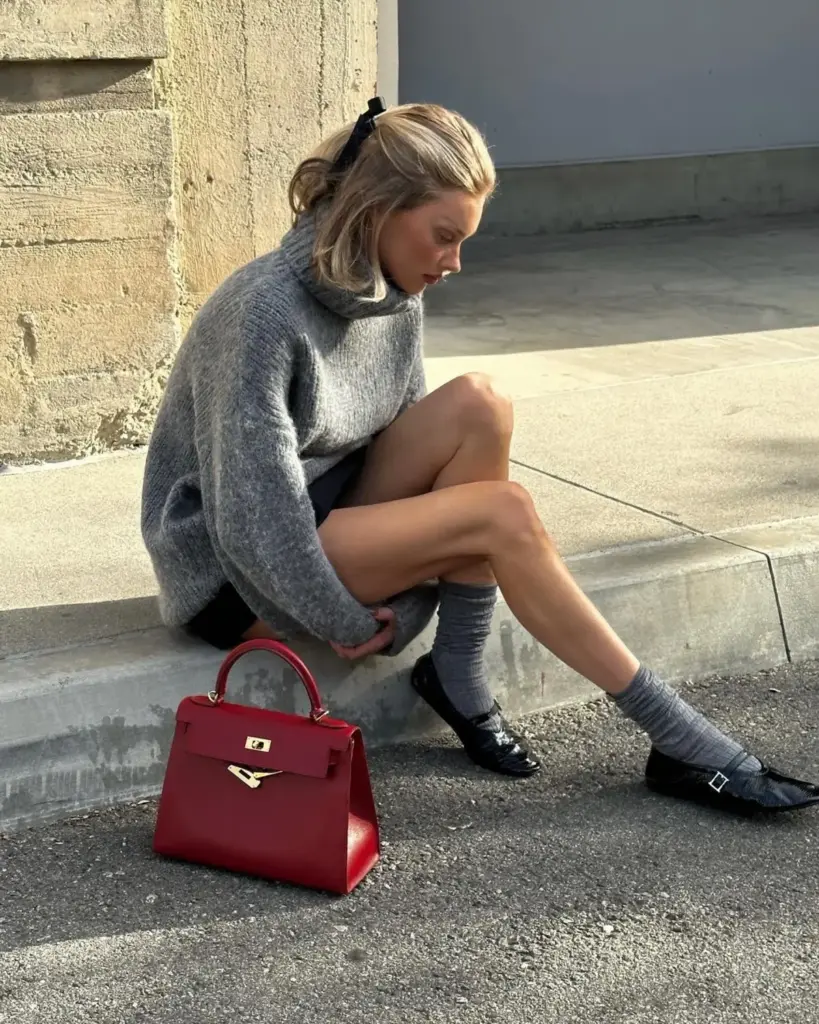
Heading into 2026, the cultural appetite has shifted toward quiet luxury, low-maintenance routines, and a harmonious balance between polished elegance and off-duty ease. Vintage blonde bridges this gap effortlessly. It offers the wearer a touch of undeniable glamour while remaining grounded enough to pair with the preppier, cozier wardrobe staples dominating contemporary fashion forecasts—think chunky funnel necks, tailored loafers, and textured knits.
This comprehensive report explores the origins of vintage blonde, the psychological and stylistic shifts driving its resurgence, professional technical execution, maintenance requirements, and how this iconic hair color is poised to shape the beauty landscape throughout 2026 and beyond.
Detailed Chronology: The Evolution of Hollywood Blonde
To understand why vintage blonde is experiencing a massive revival today, it is essential to trace the historical lineage of blonde hair in popular culture, tracking how a simple cosmetic choice became an enduring symbol of luxury and cultural power.
The Golden Age Genesis (1950s)
In the 1950s, blonde hair underwent a radical transformation. Driven by the explosive growth of Hollywood cinema and the widespread availability of commercial hair-lightening agents, the screen icons of the era established the blueprint for modern glamour.
Grace Kelly: Representing regal, understated sophistication, Kelly’s blonde locks were impeccably styled yet retained a natural warmth that projected grace and intelligence.
Brigitte Bardot: Championing a wilder, more bohemian sex appeal, Bardot introduced tousled, sun-bleached golden tones paired with dark, natural-looking roots—a precursor to the modern root-smudge technique.
Marilyn Monroe: While Monroe eventually leaned into ultra-platinum territory, her mid-century predecessors established a softer, multi-tonal golden palette that felt rich, dimensional, and inherently luxurious.
During this era, hair color was meticulously managed. Whether swept up into elaborate chignons for high-society galas or tucked beneath silk headscarves paired with cat-eye sunglasses and drop-top convertibles, the blonde of the 1950s was synonymous with an aspirational lifestyle.
The Swings and Extremes (1970s–2010s)
In the decades that followed, blonde hair swung wildly across the stylistic spectrum. The 1970s favored sun-drenched, bohemian California highlights (exemplified by Farrah Fawcett), while the 1980s and 1990s introduced high-contrast foil highlights and chunky streaks. By the late 2000s and 2010s, chemical innovation allowed for the creation of ultra-icy, platinum-white shades. While striking, these cooler tones often required aggressive bleaching processes, extensive salon maintenance, and frequent structural repair treatments to combat breakage.
The Modern Renaissance (2025–2026)
As consumers grow increasingly fatigued by the high maintenance and hair-health compromises associated with ultra-processed color, the pendulum has swung back toward the warmth and dimension of the 1950s. The contemporary iteration of vintage blonde strips away the theatricality of mid-century styling while retaining the core visual philosophy: hair that looks as though it has been naturally kissed by the sun rather than heavily engineered in a salon chair.
Supporting Context & Metrics: The Shift Toward Low-Maintenance Luxury
The resurgence of vintage blonde is not happening in a vacuum; it aligns directly with broader economic, cultural, and aesthetic shifts in consumer behavior.
The Rise of "Quiet Luxury" and Hair Health
Market analyses within the beauty sector indicate a clear pivot away from flash-in-the-pan, high-effort aesthetic trends. Consumers are increasingly investing in "skinification" and scalp care, prioritizing the long-term integrity of their hair over temporary, high-impact transformations.
Reduced Chemical Fatigue: Vintage blonde utilizes multi-tonal weaving, root-shadowing, and gradual lifting techniques. This minimizes the frequency and intensity of full-head bleach applications, preserving the lipid barrier and protein structure of the hair fiber.
Extended Salon Cadence: Because vintage blonde incorporates natural roots and seamless, hand-painted transitions, grow-out lines are significantly softened. Industry data suggests that consumers are actively seeking styles that require fewer emergency touch-ups, reducing overall maintenance expenditure while maximizing aesthetic longevity.
Hair trends do not exist independently of wardrobes. As the fashion cycle pivots toward preppier, tactile autumn and winter collections, hair color must complement heavier textures.
Stylists and forecasters note that vintage blonde acts as an ideal bridge between seasons. Its warm, muted undertones prevent washed-out complexions during the colder months when natural tans fade. Furthermore, the golden, oat, and beige ribbons woven through a vintage blonde crown provide a rich contrast against the heavy fabrics projected for 2026—acting as the ultimate companion to chunky funnel-neck sweaters, tailored wool coats, and classic loafers.
Official Industry Insights & Expert Commentary
To gain a deeper understanding of the technical mechanics and universal appeal of vintage blonde, we turn to leading voices in professional hair care and celebrity styling.
The Expert Perspective: Jason Collier
Jason Collier, a renowned celebrity hairstylist and key opinion leader for Jerome Russell Bblonde (whose high-profile clientele includes Sienna Miller), offers critical insight into the philosophy driving the trend.
"Right now, we’re seeing a shift from icy white tones towards softer, sun-worn shades that look as though they’ve naturally lightened over time," explains Collier.
He emphasizes that the ultimate goal of the modern colorist should be authenticity: "Your hair colour should look like you’ve spent weeks in the sunshine, not hours in the salon."
Why Vintage Blonde Wins on Wearability
According to Collier, the universal appeal of vintage blonde lies in its precise chromatic balance.
"It’s bright without being platinum and warm without looking brassy, making it one of the most wearable blonde shades of the year," he notes.
Addressing concerns over skin tone compatibility—a common hurdle in blonde formulations—Collier highlights the inherent adaptability of the look:
"The combination of neutral and warm tones makes it flattering on light to medium skin tones, but it can be tailored to complement deeper complexions by introducing slightly richer golden or caramel pieces."
Breaking the Bleach Cycle
For clients trapped in the exhausting cycle of high-level platinum maintenance, vintage blonde offers a welcome exit strategy.
"It’s an ideal option for anyone wanting to soften a harsh blonde or grow out a brighter colour, as the finish is more forgiving and doesn’t demand constant maintenance," Collier confirms. "The overall effect is healthy, natural-looking hair with plenty of depth and movement."
Technical Guide: How to Achieve and Maintain Vintage Blonde
Achieving an authentic mid-century golden hue requires a specialized technical approach that avoids flat, one-dimensional coloring.
The Salon Prescription
Multi-Tonal Weaving: Rather than applying a single, uniform flat shade, colorists must weave thin, delicate ribbons of beige, sandy blonde, and soft golden tones throughout the crown and lengths. This creates optical dimension and movement.
Avoiding Ash and Brassy Extremes: The color profile must successfully sidestep the trap of looking overly ashy (which reads flat and aging) or aggressively yellow (which reads brassy). The secret lies in a neutral-warm baseline.
Gradual Lifting: For clients transitioning from dark or heavily processed hair, the journey to vintage blonde should be approached patiently. Stylists must lift the hair gradually, prioritizing structural integrity over an immediate, maximum-lightness result.
At-Home Maintenance Protocol
To keep vintage blonde looking salon-fresh between appointments, expert maintenance is non-negotiable. Because warm and golden tones can occasionally shift over time due to mineral deposits, UV exposure, and heat styling, targeted at-home care is essential.
Color-Depositing Treatments: Stylists recommend incorporating specialized home-care formulas into your weekly routine. Products such as the Jerome Russell Colorbomb Colour Depositing Mask in Warm Blonde provide a surge of conditioning nutrients while seamlessly depositing micro-pigments to revive golden dimensions without chemical processing.
Regular Toning Regimens: Routine toning sessions at the salon every 6 to 8 weeks ensure that the delicate balance between oat, beige, and gold remains pristine.
Thermal Protection: Given that vintage blonde relies heavily on light-reflecting shine to mimic the polished glamour of the 1950s, investing in high-quality heat protectants and glossing serums is vital to preserve the reflective quality of the cuticle.
Curated Styling Inspirations for 2026
To translate the vintage blonde aesthetic into everyday wear, consider these five modern adaptations tailored for contemporary lengths and textures:
Collarbone-Length Vintage Blonde: A sharp, blunt cut sitting gracefully at the collarbone, featuring subtle internal layering to let the multi-tonal ribbons catch the light.
Side-Swept Vintage Blonde: A deep, dramatic side part reminiscent of 1950s silver screen sirens, giving an instant boost of asymmetrical volume and dramatic framing around the cheekbones.
Bouncy Vintage Blonde: Styled with large-barrel Velcro rollers or a professional blowout, this look prioritizes root lift and velvety, touchable ends that move with effortless grace.
Softly Curled Vintage Blonde: Loose, brushed-out waves that eliminate stiffness, offering a relaxed take on classic retro curls that transitions seamlessly from boardroom to evening dining.
Modern Vintage Bob: A sleek, chin-grazing French or Italian bob infused with oat and honey blonde undertones, proving that vintage color palettes look exceptionally chic on short, graphic cuts.
Future Outlook
As the beauty and fashion landscapes look firmly toward the latter half of the decade, Vintage Blonde is positioned to transition from an emerging trend to a permanent staple in the modern colorist’s repertoire. By rejecting the punishing upkeep of past decades in favor of multi-dimensional, health-conscious, and deeply flattering warm tones, this aesthetic honors the timeless allure of the past while answering the modern demand for ease and sophistication. Whether you are looking to step away from the bleach chair, soften an aggressive platinum, or simply infuse your wardrobe with a touch of quiet Hollywood luxury, vintage blonde stands out as the defining hair color choice for 2026.