Executive Overview
Re-entering the dating landscape after a multi-decade hiatus is a profound psychological and emotional transition, particularly for individuals navigating mid-life divorce. While societal conversations frequently center on the logistical challenges of modern courtship—such as digital dating algorithms, safety protocols, and time management—a deeply significant, yet under-discussed barrier persists: body confidence and vulnerability during physical intimacy.
This article examines the complex interplay between aging, body image, and the pursuit of romance for individuals in their forties and beyond. Drawing from expert advice, psychological insights, and the relatable experiences of individuals facing post-divorce dating, we explore the universal anxieties surrounding mid-life physical exposure. Furthermore, this piece unpacks actionable strategies to reframe self-perception, dismantle unrealistic physical standards shaped by youth, and embrace the transformative potential of authentic, mature relationships.
By analyzing the broader sociological context of mid-life singlehood, this comprehensive report aims to provide both empathy and authoritative guidance for those standing at the threshold of a new romantic chapter.
Detailed Chronology: The Evolution of Mid-Life Dating Anxieties
To fully understand the hesitation felt by many individuals returning to the dating scene in their forties, it is essential to trace the chronological and experiential evolution that leads to this juncture.
Phase One: The Long-Term Union and Formative Years
For many individuals currently facing mid-life dating, their previous long-term relationships began in their late teens or twenties. During this formative period, physical confidence is often intrinsically linked to youth, metabolic resilience, and a lack of comparative experience. Bodies are unmarred by the physiological milestones of later decades—such as childbearing, surgical procedures, or the natural structural shifts associated with aging.
During a marriage or partnership spanning nearly two decades, the body changes gradually. Because these shifts occur incrementally within the safe, familiar confines of a long-term commitment, partners frequently witness and adapt to each other’s changing physical forms without acute self-consciousness. The body is rarely viewed through the hyper-critical lens of an external observer.
Phase Two: The Disruption of Divorce
The dissolution of a long-term marriage represents a profound life disruption. Beyond the emotional trauma of separation and the legal and logistical reorganization of domestic life, divorce shatters the established framework of self-identity. For individuals who married young, their entire adult identity was forged in partnership.
When the relationship ends, particularly after twenty years, the individual must rediscover their autonomy. Statistics from demographic research indicate that mid-life divorce rates have steadily evolved over the last several decades, creating an expanding cohort of single adults in their forties and fifties. These individuals suddenly find themselves thrust back into a dating culture that bears little resemblance to the one they left behind, characterized now by smartphone applications, rapid-fire communication, and an amplified exposure to idealized physical imagery via social media.
Phase Three: The Realization of Physical Transformation
As the initial dust of divorce settles and the individual begins to contemplate dating, a stark realization often occurs regarding physical transformation. Over twenty years, the human body tells a story. For many, this includes:
- The physiological impacts of pregnancy and childbirth.
- Fluctuations in weight driven by metabolic changes, stress, and lifestyle adaptations.
- Naturally occurring stretch marks, sagging, and cellulite.
- Surgical scars, injuries, and other medical interventions.
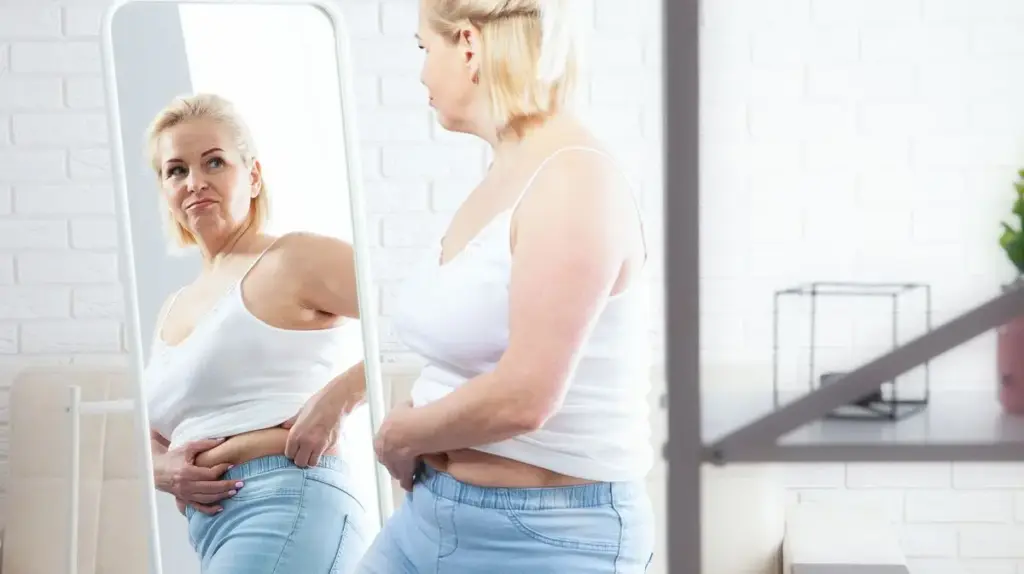
For individuals who have spent the past decade avoiding mirrors, changing in the dark, or refusing to wear beachwear like bikinis due to mounting self-doubt, the prospect of exposing these "battle scars" to a new romantic partner can trigger acute anxiety. The internal narrative often sounds like this: “I was young and had a great body when last I was single; how can I possibly present this altered version of myself to someone new?”
Phase Four: Re-Engagement and the Psychology of Intimacy
The final phase in this chronological journey involves the decision to step forward. Despite external social confidence—such as professional success, active social lives, and robust conversational skills—the internal barrier of intimate vulnerability remains high. Overcoming this hurdle requires recognizing that the anxiety of physical exposure is a universal human experience, shared by people of all genders and backgrounds who find themselves single in mid-life.
Supporting Context & Metrics: The Sociological Landscape of Modern Romance
To contextualize the personal struggle of body confidence in mid-life dating, it is helpful to examine broader demographic trends, psychological studies, and societal pressures surrounding aging and beauty.
The Rise of Mid-Life Singlehood
Sociological data consistently demonstrates that the demographic profile of the modern romantic market is shifting. With higher divorce rates among adults aged 40 to 60—often referred to as "silver divorces" or mid-life uncoupling—a significant portion of the dating pool is composed of mature adults.
Unlike younger daters who may be prioritizing exploration, career establishment, or family building, mid-life daters often bring a distinct set of emotional assets:
- Emotional Intelligence: Greater self-awareness developed through years of navigating life’s complexities.
- Clear Boundaries: A more refined understanding of personal needs, deal-breakers, and compatibility.
- Communication Skills: Enhanced abilities to articulate desires, resolve conflicts, and engage in meaningful dialogue.
Despite these distinct advantages, cultural messaging heavily favors youth, creating a persistent paradox where mature adults possess greater emotional readiness for love yet suffer from diminished physical self-esteem.
The Psychology of Body Shame and Intimacy
Psychological research into body image indicates that self-criticism is rarely static; it evolves in response to life transitions. Media saturation, advertising, and digital filters constantly reinforce unrealistic aesthetic benchmarks. When an individual undergoes significant physiological changes—such as those associated with aging and parenting—the gap between their internal self-image and external cultural ideals can widen, fostering body shame.
However, clinical observations of human behavior during moments of genuine romantic connection reveal a striking disconnect between perceived flaws and actual partner reactions. In the heat of genuine mutual attraction, human neurochemistry prioritizes sensory engagement, emotional safety, and tactile connection over visual scrutiny. The anxiety of being judged is almost exclusively an internal monologue; the external partner is typically focused entirely on the shared experience of intimacy.
Expert Perspectives and Professional Guidance
Navigating the emotional minefield of post-divorce dating requires compassionate, realistic guidance. Renowned agony aunt and relationship advisor Coleen Nolan offers profound wisdom for individuals grappling with these exact vulnerabilities.
Deconstructing the Myth of the "Naked Audit"
One of the most common fears preventing mid-life singles from pursuing intimacy is the anticipation of a formal, clinical transition from clothed to unclothed. Individuals often imagine a scenario where they must stand under bright lights for visual inspection.
Coleen addresses this misconception directly, pointing out how intimacy actually unfolds in real-world scenarios:
"When that next stage comes, it’s never a case of: ‘OK, let’s get naked now and have sex.’ What usually happens is, you’re having a great time, you start to kiss and it just happens, and no one cares what anyone looks like."
This perspective reframes physical intimacy not as a performance review, but as a natural, organic progression of shared affection. When two adults have spent time together, established rapport, and built mutual respect, the physical aspect of the relationship flows naturally from emotional closeness. In those heightened moments of genuine connection, superficial concerns regarding stretch marks or scars dissolve into the background.
Recognizing Shared Vulnerabilities Across Genders
A pervasive myth in dating culture is that men are impervious to body insecurities and view potential partners through an unforgiving, hyper-critical lens. However, experienced relationship counselors note that men in their forties and fifties harbor parallel anxieties regarding aging, weight gain, hair loss, and physical performance.
Realizing that vulnerability is a universal human trait can be immensely liberating. Men seeking relationships in mid-life are frequently just as relieved to find an intelligent, engaging, and warm partner as women are. The mutual acknowledgment of shared human imperfections fosters a deeper, more authentic foundation for romance.
Reframing the Narrative: Resilience Over Regret
Choosing to re-enter the dating world after a long-term marriage is, in itself, an act of profound courage. It signifies a refusal to let past heartbreak or the natural passage of time close the door on future happiness.
As Coleen highlights, individuals who take this step are already "ahead of the game":
- Life Experience: They understand the value of emotional resilience because they have survived the dissolution of a long marriage.
- Clarity: They know what they want and, crucially, what they do not want.
- Capacity for Joy: They recognize that the fundamental human need for companionship, affection, and love does not expire at a specific age.
Strategic Framework: How to Build Body Confidence and Embrace Mid-Life Dating
For those ready to embrace romance but struggling to overcome deep-seated insecurities, personal transformation requires intentional steps. Below is a strategic framework designed to cultivate self-belief and ease the transition back into the dating landscape.
1. Shift the Focus from Appearance to Presence
Body confidence is rarely achieved by changing the physical form to match an external standard; rather, it is cultivated by shifting internal focus. When preparing for a date or entering an intimate space, consciously redirect your attention away from self-scrutiny and toward sensory presence:
- Focus on the sound of your partner’s voice.
- Engage with the warmth of the interaction and the humor in the conversation.
- Appreciate the feeling of being desired and appreciated for your whole self—your wit, your warmth, and your intelligence.
2. Practice Self-Compassion Regarding Physical Evolution
Acknowledge that every mark, scar, and change in your physique represents lived experience. Stretch marks are often the physical remnants of bringing children into the world; surgical scars are evidence of surviving medical challenges; weight fluctuations reflect the body’s adaptation to stress, joy, and the passage of time. Viewing these features as a roadmap of survival and resilience rather than flaws can fundamentally alter your self-image.
3. Break Old Behavioral Patterns
Growth cannot occur within the confines of repetitive, fear-based patterns. As emphasized in professional relationship coaching:
"Stop returning to the same situations, same people, and same patterns of behaviour expecting a different result. Go in another direction, try something you haven’t tried before and give other people a chance."
In the context of dating, this means stepping outside your comfort zone. If you have spent a decade avoiding social settings where your body is visible—such as swimming pools, beaches, or intimate gatherings—challenge yourself to take small, incremental steps toward exposure. Wear clothing that makes you feel powerful, elegant, and comfortable, and permit yourself to be seen.
4. Pace Yourself
There is no rush in modern dating. Give yourself permission to take things at a speed that feels emotionally and physically safe. Building trust with a new partner is a gradual process of self-disclosure. By communicating openly—or simply taking the time required to build emotional rapport before introducing physical intimacy—you create an environment where anxiety naturally gives way to trust.
Future Outlook: The Empowered Second Chapter
As societal attitudes toward aging continue to evolve, the narrative surrounding mid-life romance is undergoing a much-needed revolution. No longer viewed as an era of quiet retreat, the decades following forty and fifty are increasingly recognized as a vibrant time of reinvention, personal agency, and emotional liberation.
The future of mid-life dating belongs to those willing to embrace vulnerability as a strength rather than a weakness. Physical changes are an inescapable component of a well-lived life, and sharing those changes with a partner is an act of profound courage.
For the millions of individuals navigating post-divorce singlehood, the message is clear: your worth is not defined by static youth, but by your capacity to love, laugh, and live fully. By shedding unrealistic self-judgments, leaning into shared human vulnerabilities, and stepping boldly into new experiences, the second chapter of life can prove to be the most deeply fulfilling and authentic romantic adventure yet.