There is a timeworn adage that echoes through the corridors of psychology: "every therapist needs a therapist." Even in the infancy of psychoanalysis, Sigmund Freud asserted that all practitioners should "submit" themselves to being analyzed, acknowledging that the human psyche is a labyrinth too complex to navigate entirely alone. Today, modern cinema is embracing this painfully unbreakable cycle with unprecedented intensity.
From Mary Bronstein’s hallucinatory drama If I Had Legs I’d Kick You—starring Rose Byrne as an unraveling therapist and overwhelmed mother—to Parker Finn’s 2022 horror breakout Smile, in which a psychiatrist is relentlessly pursued by a malignant manifestation of her own failing mental health, contemporary filmmakers are reminding audiences that healers are just as vulnerable to trauma as anyone else.
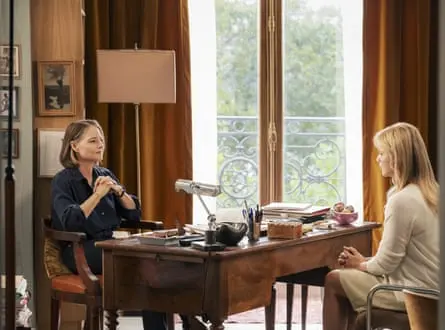
No longer relegated to the sidelines as they were in late-20th-century mainstays like Good Will Hunting (1997) or prestige television landmarks like The Sopranos, mental health professionals are finally taking center stage. Within the span of a single month in UK cinemas, a fresh wave of psychological thrillers has thrust therapists into lead roles. In Backrooms, Renate Reinsve transforms from a composed self-help author into a nervous wreck navigating the uncanny corridors of her own mind. Simultaneously, Rebecca Zlotowski’s A Private Life features a Francophone Jodie Foster as a therapist turned amateur sleuth, unconsciously investigating the death of a former client to mask her own failures as a spouse and parent.
This cinematic trend is more than a fleeting creative whim. It mirrors a profound cultural shift in how society views mental health, therapy, and the inherent fragilities of those tasked with fixing us.
Detailed Chronology: The Evolution of the Screen "Shrink"
To understand the current cinematic obsession with broken therapists, one must trace how the archetype has evolved across decades of storytelling.
The Golden Age of the Omniscient Mentor (Late 20th Century)
For decades, the therapist in mainstream film and television served a singular structural purpose: to act as a sounding board, a narrative device designed to extract exposition or catalyze a breakthrough for the protagonist. Think of Robin Williams’ Sean Maguire in Good Will Hunting—a self-sacrificing, deeply wise, and almost morally infallible mentor who exists solely to unlock Matt Damon’s genius. These characters were monoliths of stability. They had personal tragedies, certainly, but these elements were neatly compartmentalized to ensure they never compromised their professional authority.

The Era of the Malevolent Mind-Worker (2010–2023)
As public trust in institutional authority eroded, Hollywood began to pivot. The benevolent mentor was frequently replaced by the villainous or compromised practitioner.
- 2010 (Shutter Island): Martin Scorsese populated an isolated island asylum with menacing staff whose therapeutic methods blurred dangerously into psychological torture, keeping audiences guessing whether the doctors were healers or jailers.
- 2021 (Nightmare Alley): Guillermo del Toro introduced Dr. Lilith Ritter (Cate Blanchett), a brilliant, ice-cold psychiatrist who weaponized her position, extorting her wealthy, vulnerable clientele and recording confidential sessions for blackmail.
- 2023 (Beau Is Afraid): Ari Aster delivered a surreal subversion when a fragile, anxiety-ridden protagonist discovers his long-time therapist is actually part of an elaborate, hostile network orchestrated against him.
The Contemporary Reckoning (2025–2026)
Today, cinema has graduated from the "evil shrink" caricature to a far more nuanced, terrifying reality. The modern cinematic therapist is neither an infallible sage nor a mustache-twirling villain; instead, they are deeply flawed, overextended human beings trapped under the crushing weight of their own unaddressed trauma. Films like Backrooms, A Private Life, and If I Had Legs I’d Kick You dismantle the boundary between practitioner and patient, plunging the healers directly into the chaos of psychological breakdown.
Supporting Context & Metrics: The Cultural Boom of Therapy Culture
The trigger behind this cinematic parade of ailing therapist protagonists is rooted in a broader societal transformation. Therapy has broken out of the clinical consulting room and embedded itself into the fabric of everyday life.
Statistics and Public Perception
According to a landmark 2026 survey conducted by the British Association for Counselling and Psychotherapy (BACP), 37% of adults in the UK actively sought out therapeutic services—marking a significant 2-percentage-point increase from the previous year. What was once whispered about behind closed doors or shrouded in heavy social stigma has undergone a radical rebranding. Therapy is now frequently discussed as an essential lifestyle component, entering mainstream lexicon with unprecedented speed.
The Rise of "TherapyTok" and Digital Culture
The democratization of psychological concepts has been accelerated by digital platforms. "TherapyTok"—the vibrant, highly engaged mental health corner of TikTok—has allowed licensed professionals and self-styled influencers alike to disseminate clinical jargon to millions. Terms like gaslighting, trauma bonding, boundaries, and co-dependency have migrated seamlessly from textbooks into casual conversation.
This cultural saturation extends across media:

- Podcasts: Pop-psychotherapist Esther Perel’s Where Should We Begin? invites listeners into raw, unfiltered simulated sessions, while true-crime crossover podcasts like The Shrink Next Door expose the dark underbelly of boundary violations in elite psychiatric practices.
- Reality Television: Shows like Showtime’s Couples Therapy have peeled back the curtain on the actual, ungllamorous, and often exhausting labor of psychological healing, blurring the lines of client confidentiality for public consumption.
Critic Billie Walker notes that this lingo has even permeated genre filmmaking, pointing to franchise spinoffs like the vampire comedy Renfield (2023), where the titular henchman experiences a therapy-inspired epiphany regarding his unhealthily co-dependent relationship with Dracula. While used for comedic effect in some spaces, this linguistic shift underscores how deeply the public consciousness is saturated with therapeutic frameworks.
Official Statements & Critical Perspectives
Industry insiders, directors, and cultural critics have increasingly weighed in on why the narrative focus has shifted toward the psychological collapse of the healer.
Mary Bronstein, speaking on her creative vision for If I Had Legs I’d Kick You, emphasized the impossibility of the modern caregiving model:
"Therapists are not perfect, impossibly self-sacrificing individuals. They are flawed human beings whose career choice of holistic adviser makes them all the more interesting when everything starts to unravel."
In the film, Byrne’s character, Linda, is a therapist and mother stretched past her breaking point, entirely incapable of tending to her own basic needs, let alone the psychological crises of her patients. In a brilliant narrative twist, Linda’s own analyst—played by a vexed Conan O’Brien—is similarly encumbered by his own glaring personal defects and professional anxieties, rendering him utterly incapable of providing the profound anchor Linda desperately seeks. This establishes what critics have dubbed an "infinite chain of frustrated therapists."
Furthermore, cultural analysts point out that these cinematic portrayals tap into a deeply rooted, existential dread. If professionals trained specifically in emotional regulation and cognitive restructuring are falling apart, what hope is there for the rest of us? The true terror in these modern narratives does not stem from a monster lurking in the shadows, but from the terrifying moment a previously self-possessed healer loses their cool, revealing that the safety net was an illusion all along.

Future Outlook: Where Cinematic Horror and Psychology Collide
As we look toward the future of storytelling, it is clear that the intersection of mental healthcare and psychological horror will remain a fertile breeding ground for cinematic exploration.
What unites this new wave of erring, unstable onscreen therapists is their habitation within the realm of horror and heightened psychological thrillers. The supernatural or surreal landscapes crafted by filmmakers—whether it is the augmented-memory labyrinth of Backrooms, the magical, asbestos-choked ceiling hole in If I Had Legs I’d Kick You, the trauma-consuming entity in Smile, or the disorienting hypnotic investigations in A Private Life—are not arbitrary genre tropes. They function as externalized metaphors for the spiraling, intrusive thought patterns of the characters.
While television has occasionally explored this territory through comedy—such as the hit Apple TV+ series Shrinking, starring Harrison Ford—feature films have leaned heavily into terror. This divergence suggests a collective cultural anxiety. Skepticism regarding therapy as an infallible, quick-fix cure for modern alienation continues to linger beneath the surface of wellness culture.
As long as society places an unrealistic burden on mental health professionals to act as secular saints and emotional saviors, cinema will continue to do what it does best: strip away the professional veneer to expose the raw, trembling human being underneath the couch. The age of the infallible shrink is officially over; in its place, a more honest, chaotic, and terrifyingly relatable cinematic landscape has taken root.