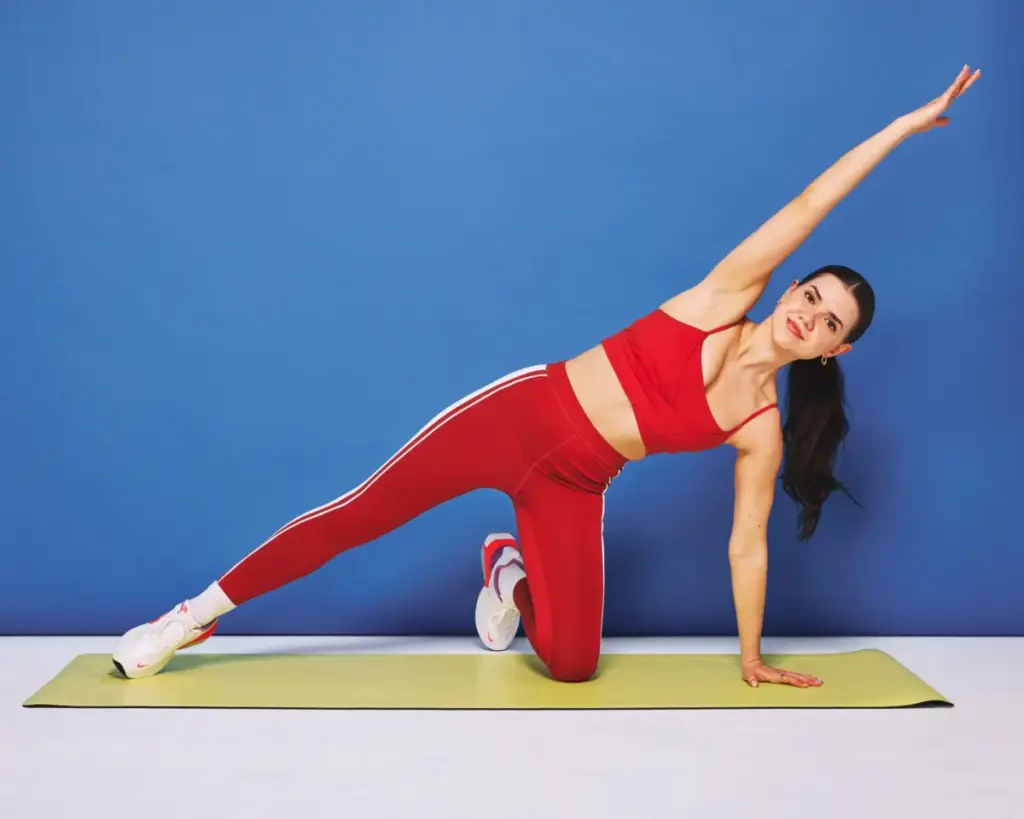
Executive Overview
For decades, the fitness industry has operated under a strict and punishing assumption: if you aren’t jumping, sprinting, or slamming your body against the pavement, you aren’t truly doing cardio. High-intensity interval training (HIIT), plyometrics, and running have long reigned supreme as the gold standards for cardiovascular health. Yet, for millions of individuals—ranging from fitness beginners and older adults to runners managing chronic injuries and people with sensitive joints—this high-impact dogma creates an invisible barrier to entry. Every explosive bound or heavy landing comes with an unwelcome tax paid in joint pain, inflammation, and an elevated risk of sidelined injuries.
Enter the paradigm shift of low-impact cardio. Far from being a watered-down alternative for those unable to keep up, low-impact cardio is a scientifically validated, highly effective training modality that raises the heart rate, torches calories, and builds cardiovascular endurance without subjecting the ankles, knees, hips, and lower back to punishing forces.

According to fitness authorities and certified strength specialists, the modern approach to low-impact bodyweight conditioning leverages biomechanical principles—such as compound muscle recruitment, dynamic plank variations, and tempo manipulation—to deliver the same physiological benefits as traditional cardio. Furthermore, unlike zero-impact modalities like swimming or cycling, low-impact weight-bearing movements offer the hidden perk of stimulating bone mineral density.
This comprehensive report explores the mechanics of low-impact cardio, breaks down expert strategies for scaling intensity without jumping, and provides an authoritative roadmap for integrating joint-safe routines into a sustainable, lifelong fitness practice.

Detailed Chronology: The Evolution of Cardiovascular Training
To understand how low-impact cardio achieved its current status as a respected, science-backed training method, it is helpful to examine how cardiovascular exercise recommendations have evolved over time.
The High-Impact Era and the "No Pain, No Gain" Paradox
In the late 20th century, the fitness boom popularized aerobics, step aerobics, and long-distance running. While these activities democratized physical fitness and proved immensely effective for cardiovascular health, they were built on an ideology of high impact. The prevailing cultural sentiment—encapsulated by phrases like "no pain, no gain"—implied that a workout was only legitimate if it left the participant breathless and battered.

During this era, individuals experiencing joint stiffness, postpartum pelvic floor issues, or chronic osteoarthritis were frequently told to simply rest or abandon cardiovascular training altogether. The concept of working out the heart without stressing the skeletal system was largely dismissed by mainstream fitness culture.
The Functional Fitness Movement and Injury Prevention
As sports science advanced into the 2000s and 2010s, researchers began taking a closer look at cumulative microtrauma caused by high-impact repetitive loading. Physical therapists and strength coaches recognized a troubling trend: eager exercisers adopting aggressive HIIT programs were suffering from preventable overuse injuries in the patellar tendon, Achilles tendon, and lumbar spine.

This realization sparked a shift toward functional fitness and longevity-focused training. Exercise scientists began researching how to manipulate movement variables—such as range of motion, muscle mass recruitment, and time under tension—to stimulate the cardiovascular system while minimizing joint shear forces.
The Digital Fitness Boom and Accessible Movement
The widespread availability of home fitness resources in the late 2010s and early 2020s accelerated the demand for bodyweight-based, equipment-free workouts that could be performed in small spaces. Living room exercisers needed routines that wouldn’t rattle the downstairs neighbors or trigger joint flare-ups.

Today, low-impact cardio stands at the forefront of modern program design. Certified trainers and physical therapists now routinely prescribe low-impact circuits not just as rehabilitation tools, but as primary training modalities for advanced athletes looking to manage systemic fatigue while maintaining aerobic conditioning.
Supporting Context & Metrics: Why Low-Impact Cardio Works
To skeptics who wonder how a workout without jumping can genuinely count as "cardio," exercise physiology provides a clear answer. Cardiovascular fitness is determined not by how high your feet leave the floor, but by how efficiently your heart, lungs, and circulatory system deliver oxygen to working muscles.

The Biomechanics of Low-Impact Heart Rate Elevation
Cardiovascular demand is dictated primarily by the amount of active muscle mass and the metabolic cost of moving that mass. When you perform traditional high-impact moves like jumping jacks or burpees, your heart rate spikes because you are rapidly moving your entire body weight against gravity while engaging both upper and lower extremities.
However, according to Cara Bonney, CSCS, CPT, a certified strength and conditioning specialist and Club Pilates Master Trainer in Melbourne, Florida, you can replicate this exact physiological response without the impact. The secret lies in compound movements and full-body integration.

- Compound Multi-Joint Movements: By incorporating sweeping arm movements alongside lower-body exercises—such as adding an overhead reach to a squat or performing large arm swings during high-knee marches—you force blood to circulate throughout the entire body rather than pooling in the lower half. This sudden, widespread demand for oxygen forces the heart to pump harder and faster.
- Eliminating Dead Space: Traditional weightlifting often includes pauses between repetitions. Low-impact cardio protocols string together continuous, flowing movements with minimal rest, keeping the cardiovascular system under a sustained state of stress.
Joint Forces and Injury Reduction Metrics
The physical toll of high-impact exercise is substantial. Biomechanical studies indicate that when running, the ground reaction force experienced by the joints can equal up to three to four times a person’s body weight with every single stride. For individuals carrying excess weight, recovering from injury, or managing joint degeneration, this repetitive pounding can accelerate cartilage wear and tear.
In contrast, low-impact exercises ensure that at least one foot (or hand) maintains contact with the ground at all times. This simple physics principle dramatically dampens ground reaction forces, protecting the ankles, knees, hips, and lower back from acute shock.

The Bone Density Advantage
One of the most compelling arguments for low-impact cardio over zero-impact alternatives (such as cycling or swimming) lies in bone health.
Osteoporosis and osteopenia are major public health concerns, particularly for aging populations. Bone tissue responds to mechanical loading by laying down new mineral matrix, a process governed by Wolff’s Law. High-impact exercises are undeniably effective at stimulating bone formation, but they are not the only option.

"Impact exercises are good for bone health, like preventing or improving osteoporosis, but it doesn’t always have to be high-impact," Bonney explains. As long as there is physical contact with the ground—even without jumping—the skeletal system experiences mechanical stress. This makes low-impact, weight-bearing cardio an ideal middle ground: it delivers crucial bone-boosting benefits while sparing sensitive joints from destructive shear forces.
Official Expert Perspectives & Strategies
Implementing an effective low-impact cardio routine requires a strategic shift in how you design your workouts. Industry experts outline three primary pathways to level up bodyweight movements into genuine cardiovascular challenges without sacrificing joint health.

1. Scaling High-Impact Classics
You do not need to invent entirely new exercises to get a sweat on. Instead, you can intelligently regress high-impact staples to strip away the jarring landings while preserving the muscular and cardiovascular demand.
- Modified Burpees: Instead of jumping your feet back into a plank and exploding up into the air, step your feet back one at a time into a plank position, and stand back up with a powerful squeeze of the glutes. You still engage the core, shoulders, and legs, but your knees and lower back are spared the impact.
- Low-Impact Jumping Jacks: Rather than hopping your feet out and clapping overhead with a bounce, tap one foot out to the side at a time while driving your arms through a full range of motion. Speeding up this rhythmic tapping motion will quickly elevate your heart rate.
2. Elevating Planks with Dynamic Movement
Planks are universally recognized as premier core-strengthening exercises. However, by introducing dynamic variations, static holds transform into cardiovascular powerhouses.

- Shoulder Taps: Holding a strong plank position while alternately lifting one hand to tap the opposite shoulder forces the core and upper body to work overtime to prevent rotational twisting.
- Twisting Knee Drives: Weaving a slow, controlled knee drive toward the opposite elbow fires up the obliques and increases total-body energy expenditure.
- Lateral Plank Walks: Walking your hands and feet sideways while maintaining a rigid plank challenges stability and engages multiple muscle groups simultaneously, taxing both the heart and lungs.
3. Manipulating Tempo and Programming
Intensity is not solely determined by how high you jump; it is also a function of speed and density.
- Tempo Control: By increasing the speed at which you perform a bodyweight movement (while strictly maintaining pristine form), you keep continuous blood flow moving to the muscles and keep your cardiovascular system under constant demand.
- Work-to-Rest Ratios: To turn a low-impact circuit into a true cardio workout, structure your routine with longer work intervals (e.g., 45 to 50 seconds of continuous movement) paired with shorter, active rest periods (e.g., 15 seconds).
Future Outlook: The Next Generation of Accessible Fitness
As the fitness landscape continues to mature, the rigid binary between "intense, punishing workouts" and "gentle, ineffective recovery movement" is officially dissolving. The future of health and wellness points toward sustainable longevity—training paradigms that allow individuals to push their physical limits, build robust cardiovascular profiles, and preserve their musculoskeletal health over decades rather than months.

Personalization and Inclusivity
The mainstream adoption of low-impact cardio represents a massive victory for inclusivity in fitness. By decoupling cardiovascular health from jumping and pounding, trainers and digital platforms are opening the door for millions of people previously intimidated by high-intensity workouts. Prenatal and postnatal exercisers, individuals managing autoimmune joint conditions, older adults seeking independence, and office workers dealing with sedentary lower-back pain can all find effective, empowering sweat sessions in low-impact conditioning.
The Rise of Equipment-Free, Anywhere Fitness
With economic pressures and busy schedules driving a permanent shift toward hybrid and home-based workouts, the demand for equipment-free, joint-friendly programming will only continue to grow. A comprehensive 20-exercise low-impact bodyweight catalog requires zero square footage of bulky equipment, making it the ultimate tool for modern lifestyles.

Conclusion: Your Action Plan
Low-impact cardio is not a compromise; it is an intelligent, highly effective evolution in physical conditioning. By harnessing compound movements, scaling classic exercises, utilizing dynamic core work, and manipulating tempo, you can achieve a breathless, sweaty, heart-pumping challenge without paying the price in joint pain.
The next time you want to elevate your heart rate while going easy on your hips, knees, and ankles, skip the plyometrics. Bookmark a versatile routine of low-impact bodyweight exercises, string them together into a high-density circuit, and discover a sustainable way to train hard, protect your body, and stay consistent for life.