Executive Overview
Nearly forty years after etching his name into cinematic folklore by avenging his father against the six-fingered man, Mandy Patinkin is returning to the strip. In an inspired convergence of pop culture nostalgia and elite athletic promotion, USA Fencing has officially named the Emmy- and Tony Award-winning actor as its first-ever honorary team captain for the upcoming 2028 Olympic and Paralympic Games in Los Angeles.
This appointment marks a significant milestone not only for Patinkin—whose portrayal of the relentless Spanish master swordsman Inigo Montoya in Rob Reiner’s 1987 classic The Princess Bride remains a defining touchstone of modern cinema—but also for USA Fencing’s broader strategic initiative. As the Olympic Games prepare to return to American soil for the first time in over thirty years, national governing bodies are increasingly looking outside traditional sporting ecosystems to elevate their profiles.
Patinkin’s new role is far more than a ceremonial nod to a beloved movie character. It serves as the cornerstone of USA Fencing’s newly launched Ambassador Program, developed in close coordination with the International Fencing Federation (FIE) and World Para Fencing. By bridging the worlds of Hollywood entertainment and high-performance athletics, Patinkin and the newly formed Ambassador Council are tasked with introducing fencing to entirely new demographics.
Throughout his tenure leading up to the 2028 Los Angeles Games, Patinkin will make targeted appearances at domestic fencing events, champion the organization’s outreach initiatives, and lend his distinctive voice to a sport that demands intense physical rigor paired with profound psychological chess. Despite his self-effacing declarations that he is merely a "pretend fencer," Patinkin’s deep-seated respect for the discipline—born from rigorous physical preparation alongside legendary fencing masters—positions him as an authentic and passionate ambassador for the sport.
Detailed Chronology: From the Silver Screen to the Olympic Strip
The Genesis of a Masterpiece: 1987
To understand the cultural resonance of Patinkin’s appointment, one must trace the origins of his relationship with the blade back to the mid-1980s. When director Rob Reiner and screenwriter William Goldman set out to adapt Goldman’s beloved novel The Princess Bride, casting the role of Inigo Montoya required an actor who could project both deep-seated emotional trauma and swashbuckling charisma.
Patinkin secured the role, but the physical demands of playing a master swordsman were immense. To prepare, Patinkin embarked on a rigorous training regimen under the tutelage of Olympic fencing coach Henry Harutunian and legendary swordmaster and stunt coordinator Bob Anderson. Anderson, a veteran British Olympic fencer who famously orchestrated lightsaber duels in the original Star Wars trilogy and coached Errol Flynn, pushed Patinkin to master the fundamentals of foil and saber work.
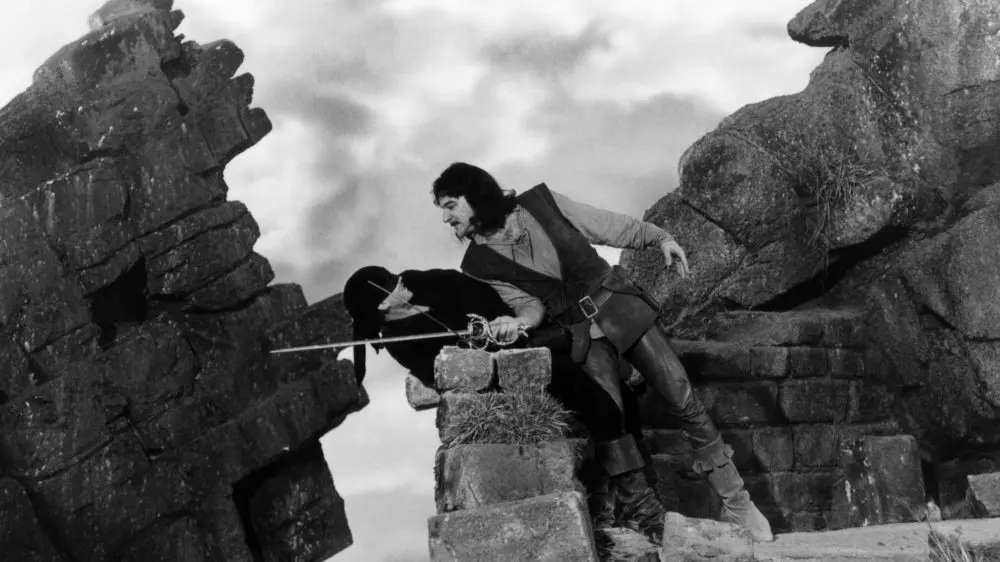
The result was the legendary climax of The Princess Bride, wherein Patinkin’s Montoya trades blows with Christopher Guest’s Count Rugen. The immortal line—“Hello. My name is Inigo Montoya. You killed my father. Prepare to die.”—became an instant cultural touchstone. More importantly, the scene introduced millions of viewers worldwide to the aesthetics and mechanics of fencing, planting the seeds for future generations of athletes who picked up a foil or epee after watching the film.
The Modern Outreach Push: 2024–2026
Fast forward nearly four decades, and USA Fencing’s executive leadership recognized a unique opportunity to capitalize on this enduring cultural footprint. Under the leadership of CEO Phil Andrews, USA Fencing initiated a deliberate outreach campaign targeting entertainment and cultural circles in Southern California and beyond.
The strategy was designed to elevate the visibility of the sport ahead of the 2028 Summer Games in Los Angeles—a pivotal window for American Olympic sports to capture national attention, secure vital sponsorship revenues, and drive grassroots participation. Initial discussions between Andrews and Patinkin quickly transcended Hollywood anecdotes. According to leadership at USA Fencing, Patinkin’s genuine reverence for the sport’s mental discipline and community ethos made him the unanimous choice for the inaugural honorary captaincy.
The Launch of the Ambassador Program
Simultaneously, USA Fencing rolled out its comprehensive Ambassador Program, establishing an Ambassador Council to serve as public-facing advocates for the sport. This initiative aligns with global efforts by the International Fencing Federation and World Para Fencing to expand the footprint of fencing, particularly in North America.
Patinkin’s appointment as honorary team captain was unveiled alongside this program launch, cementing his role not merely as a nostalgic figurehead, but as an active participant in USA Fencing’s outreach pipeline leading directly into the LA28 Games.
Supporting Context & Metrics: The State of American Fencing
To fully appreciate the strategic value of Patinkin’s appointment, one must analyze the current landscape of competitive fencing in the United States. Fencing is often perceived by the general public as an esoteric or elite European sport, yet American fencers have achieved unprecedented international success over the past two decades.
Competitive Evolution and Olympic Success
At the Olympic level, Team USA has steadily transformed into a global powerhouse. From historic individual gold medals by fencers like Mariel Zagunis and Lee Kiefer to breakthrough team podium finishes across foil, epee, and saber disciplines, American athletes consistently contend for the top spots in international standings.
However, translating international athletic success into domestic market share remains a persistent challenge for national governing bodies. Unlike major professional team sports, Olympic sports experience intense public engagement in quadrennial bursts, making sustained visibility between Games critical for long-term health and financial viability.
The LA28 Effect and Cultural Integration
Hosting the Olympic and Paralympic Games in Los Angeles in 2028 provides a once-in-a-generation platform to alter this dynamic. For USA Fencing, the domestic home-field advantage offers a unique opportunity to:
- Drive Grassroots Enrollment: Expand youth club memberships across the United States.
- Demystify the Sport: Break down traditional barriers to entry by showcasing the accessibility and inclusivity of modern fencing.
- Leverage Cross-Industry Partnerships: Utilize cultural icons like Mandy Patinkin to draw eyes from traditional entertainment consumers into sports arenas.
Entertainment industry outreach has become a cornerstone of this strategy. By engaging figures who possess authentic ties to the sport’s lore—such as Patinkin—USA Fencing can bridge the gap between casual pop-culture fandom and dedicated sports spectatorship.
Official Statements: Perspectives on Leadership and Craft
The announcement of Patinkin’s appointment was accompanied by heartfelt reflections from both the actor and the leadership of USA Fencing, underscoring the philosophical alignment between artistic performance and athletic discipline.
Mandy Patinkin on the Art of Fencing
In his public remarks following the announcement, Patinkin eloquently articulated his deep respect for the physical and mental demands of the sport, drawing parallels between the focus required on the theatrical stage and the intensity of the fencing strip:
"Fencing is a true craft, a genuine art form, a thrilling discipline," Patinkin reflected. "It requires every cell of your mind and body, but particularly your mind. It’s a form of meditation. It’s not just your physical abilities that count, and they certainly do, but I think the real fun is to get inside the other person’s mind and being, and know when and where they’re going to move before your opponent even knows it."
Acknowledging his own cinematic legacy while deferring to the genuine sweat and sacrifice of elite competitors, Patinkin added:
"I can guarantee you that every competitive fencer who has ever fenced is a much better fencer than I ever was or will be. I’m a pretend fencer, the rest of you ladies and gentlemen are the real thing and I bow down to each and every one of you. It is all of you who keep this wonderful tradition alive, and I am honored to be a small part of it."
Phil Andrews on Strategic Vision and Community
USA Fencing CEO Phil Andrews highlighted that Patinkin’s appeal extended far beyond the cinematic nostalgia of The Princess Bride, focusing instead on the actor’s profound understanding of what fencing offers to its participants:
"When Mandy and I first spoke, what struck me wasn’t the movie, though we got there eventually," Andrews noted. "It was how deeply he understood what this sport gives people: discipline, confidence, a community and a lifetime of joy. We could not ask for a better honorary Team Captain to lead our fencers, and our sport, into a home Games in Los Angeles."
Andrews’ comments reflect an organizational ethos that prioritizes holistic personal development alongside competitive excellence, ensuring that high-profile ambassadors champion not only medals, but the broader societal value of athletic engagement.
Future Outlook: The Road to the 2028 Los Angeles Games
As the clock ticks down toward the opening ceremony of the Los Angeles 2028 Olympic and Paralympic Games, the integration of Mandy Patinkin into USA Fencing’s operational and promotional framework sets a high benchmark for creative sports marketing.
Key Milestones Ahead
- Targeted Public Appearances: Patinkin is slated to make select appearances at major domestic tournaments and national events, engaging with athletes, coaches, and young fans.
- Ambassador Council Activations: Working alongside fellow members of the newly formed Ambassador Council, Patinkin will help spearhead national campaigns aimed at introducing underrepresented communities to fencing.
- Educational and Media Outreach: USA Fencing plans to roll out digital and broadcast content featuring Patinkin, utilizing his distinct narrative voice to explain the rules, strategies, and psychological nuances of foil, epee, and saber fencing to mainstream audiences.
Sustaining the Momentum Beyond 2028
The ultimate measure of success for this initiative will not be restricted to the medal counts tallied at the LA Convention Center—the designated venue for fencing events during the 2028 Games. Rather, success will be evaluated by the enduring legacy left on the sport within the United States: increased club density, diversified participation demographics, and a heightened cultural appreciation for a discipline that merges lightning-fast physical reflexes with profound mental chess.
Nearly four decades after he first picked up a foil to seek vengeance on the silver screen, Mandy Patinkin’s journey has come full circle. By stepping onto the strip as USA Fencing’s honorary team captain, he transitions from a fictional master of the blade to a real-world champion of the sport—ensuring that the spirit of Inigo Montoya will live on, not just in cinematic history, but in the hearts and minds of a new generation of American Olympians.