For decades, the standard recovery protocol for endurance athletes has followed a predictable, albeit grueling, trajectory: foam rollers, ice baths, dynamic stretching, and, more recently, high-powered percussion massage guns. Yet, for 63-year-old Allenstown, Pennsylvania resident and lifelong runner Laurie, the key to mitigating the chronic morning soreness of plantar fasciitis came from an entirely unexpected source—a high-powered wand vibrator.
Alongside her husband of 41 years, Frank, Laurie has spent the last half-decade utilizing the world-famous Magic Wand not merely as an intimate bedroom accessory, but as an integral muscular recovery tool. What began as an impromptu experiment sparked by their visiting son’s use of a standard fitness massage gun has evolved into a multi-functional daily ritual. Laurie applies the device to her tight calves, heels, and arches at sunrise to combat acute foot stiffness, while Frank regularly relies on it to relieve shoulder and neck tension.
While utilizing a device historically marketed as an adult novelty item for physical rehabilitation might raise eyebrows, sports medicine and physical therapy professionals suggest that this crossover is far from medically absurd. Experts point out that high-frequency vibration plays a proven, legitimate role in modulating pain perception, increasing localized blood flow, and calming the nervous system. Furthermore, the convergence of athletic recovery and sexual wellness highlights a growing cultural shift toward destigmatizing pleasure products, viewing them instead as holistic instruments for overall mind-body wellness.
Detailed Chronology: From Bedside Table to Athletic Recovery
To understand the modern integration of pleasure devices into sports medicine regimens, one must first look back at the origins of the device itself and trace the specific chain of events that led Laurie and Frank to their morning routine.
The Evolution of a Cultural Icon
Originally introduced to the market in the 1960s and 1970s as the Hitachi Magic Wand, the device was engineered and marketed primarily as a heavy-duty electric muscle massager. Featuring a distinctive long handle and a large, weighted, lacrosse-ball-esque head capable of delivering deep, rumbling vibrations, it was designed to soothe general body aches and tension.
However, consumers quickly discovered that its powerful motor and ergonomic design offered profound utility far beyond basic muscle fatigue. Over decades of cultural shifts, the white-and-blue wand transcended its industrial roots to become the most recognizable wand-style vibrator in the world, cementing its status as a staple in modern sexual wellness. Yet, its foundational mechanics—deep, penetrating oscillations powered by a robust electrical motor—remained structurally identical to many mechanical massagers used in physical therapy clinics today.
The Spark of Inspiration
For Laurie, the bridge between sexual wellness and athletic recovery was built entirely by accident. As a runner with over forty years of pavement-pounding mileage under her belt, she had grown intimately familiar with the sharp, stabbing heel pain characteristic of plantar fasciitis, which typically peaks during those initial steps out of bed every morning.
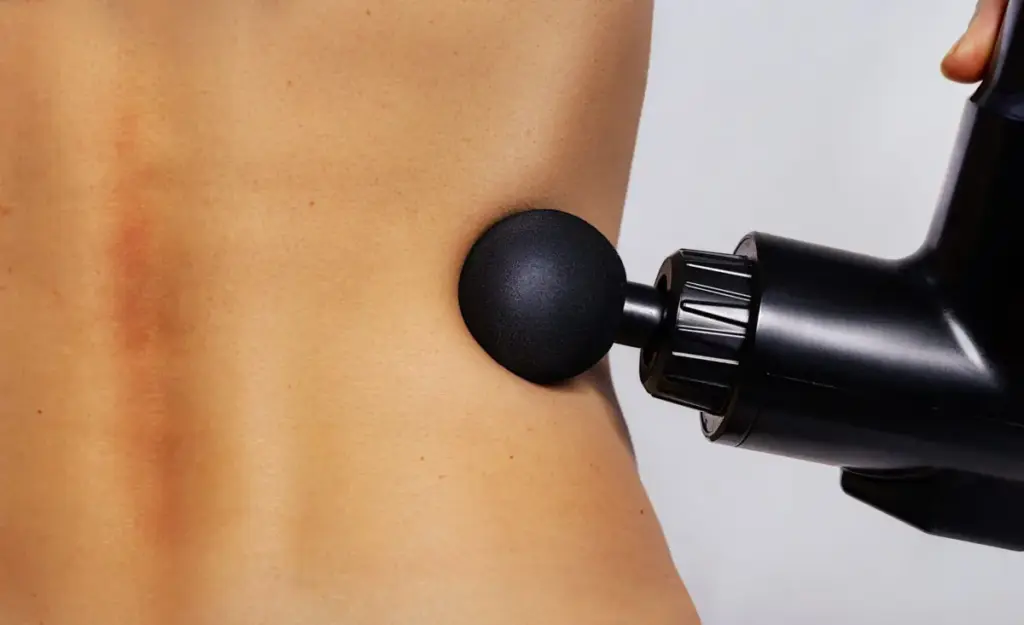
The turning point occurred during a family visit. Observing her adult son unpack a modern fitness massage gun and systematically apply rapid, percussive strokes to his sore muscles, Laurie experienced a moment of cognitive synthesis. Watching the machine’s aggressive, linear motion, she and Frank exchanged a knowing glance. Their minds bypassed traditional recovery tools entirely and locked onto the device sitting quietly on their own bedside table: their Magic Wand.
Putting Theory to Practice
Intrigued by the hypothesis that their intimate device could perform a similar mechanical function to the specialized massage gun, the couple decided to test the theory at sunrise the very next morning.
Recognizing the sensitivity of the tissues involved, Frank initiated a careful protocol. Rather than applying the appliance directly to raw, inflamed tissue, he first massaged Laurie’s calves and feet using a specialized therapeutic massage oil to reduce friction. He then powered on the Magic Wand, setting it to its lowest intensity level.
Starting high up on the calf muscles—where tight gastrocnemius and soleus muscles often pull against the Achilles tendon and plantar fascia—Frank slowly worked his way down toward the heels and arches, lingering along the notoriously tight lateral borders of Laurie’s feet.
The results were instantaneous. According to Laurie, the low-frequency rumble immediately diffused the deep-seated tension in her most sensitive zones, offering targeted relief directly to the plantar fascia tissues that running had heavily impacted. What began as a one-off experiment quickly codified into a recurring structural component of their daily routine, utilized multiple times a week to keep Laurie’s running habit viable and pain-managed.
Supporting Context & Metrics: The Science of Vibration Therapy
While the dual-purpose use of a sex toy for athletic recovery sounds unconventional at first glance, a closer examination of vibration therapy reveals why this cross-pollination of categories yields tangible results.
Physiological Mechanisms of Vibration
In sports science and clinical physical therapy, mechanical vibration is a well-documented modality utilized to manage pain and enhance soft-tissue recovery. The efficacy of tools like the Magic Wand—or specialized percussion devices—rests on several physiological pillars:
Increased Blood Flow: Vibratory stimuli cause localized vasodilation, widening the blood vessels near the surface of the skin and deeper within the muscle fascial layers. Enhanced microcirculation floods starving tissues with oxygen and vital nutrients while accelerating the clearance of metabolic waste products like lactic acid.
Nervous System Modulation: According to the Gate Control Theory of Pain, non-painful sensory input (such as high-frequency vibration) can travel along fast nerve fibers to "close the gate" on slower pain signals traveling to the spinal cord and brain. This effectively dampens the subjective perception of discomfort, stiffness, and muscle tightness.
Neuromuscular Relaxation: Rhythmic mechanical oscillations can help reduce hypertonicity (excessive muscle tone) by signaling neuromuscular spindles to relax, effectively lowering the baseline tension of chronically contracted muscle fibers.
Prevalence and Consumer Trends
The blurring lines between sexual wellness products and general health tools are supported by broader economic and cultural data. The global sexual wellness market, valued at over $30 billion, has experienced a massive ideological shift over the past decade. Consumers are increasingly rejecting puritanical stigmas, opting instead for high-end, body-safe silicone devices that emphasize ergonomics, wellness, and versatility.
Simultaneously, the recovery tool market—dominated by massage guns, foam rollers, and infrared therapy—has boomed among everyday athletes. When consumers face high price tags for specialized fitness technology (with premium massage guns often retailing upwards of $300 to $500), repurposing a high-quality, high-powered vibrating device already present in the household represents a pragmatic, cost-effective alternative for soft-tissue maintenance.
Official Statements and Expert Perspectives
To evaluate the safety, efficacy, and psychological implications of utilizing intimate devices for musculoskeletal recovery, we consulted leading professionals across physical therapy, sports medicine, and sex education.
The Physical Therapy Viewpoint
Specialists in physical rehabilitation are largely unsurprised by the success of Laurie and Frank’s experiment, noting that the mechanical energy produced by a wand vibrator shares fundamental properties with clinical-grade therapeutic equipment.
"Vibration has been shown to support recovery by increasing blood flow and creating a calming effect on the nervous system," explains Dr. Nadia Ruffing, PT, DPT, widely known as Pelvic Doc Nads on digital platforms.
Dr. Ruffing expresses enthusiastic support for the creative cross-utilization of household items, noting that patients frequently discover novel pathways to wellness when they think outside conventional medical marketing frameworks. "If someone is repurposing their vibrating pleasure devices for healing and pain relief, I say why not! It’s a great use of products you already have."
However, clinical experts emphasize important physiological boundaries. While vibrational tools offer immense subjective relief, they do not constitute a standalone cure for complex orthopedic conditions like plantar fasciitis.
"Vibration can change your perception of pain, stiffness, or tension and therefore offer meaningful temporary relief," notes San Diego-based physical therapist Dr. Bree Nishibun, PT, DPT.
Dr. Nishibun cautions that while the temporary sensation of relief is real, it does not inherently mean the mechanical properties of the deep connective tissues have been permanently altered. "For long-term changes to the tissues, most people need progressive strength training, mobility work, and other targeted interventions." Furthermore, experts universally stress that vibration therapy is not a replacement for fundamental recovery pillars such as adequate sleep, proper hydration, balanced nutrition, and structured strength training.
The Intersection of Sexual and Physical Wellness
Beyond biomechanical recovery, wellness experts highlight a profound psychological and relational benefit to this dual-use trend: the intentional cultivation of sexual wellness through physical mindfulness.
For Laurie, the physical relief directly impacts her intimate life by removing physiological barriers to desire. "It’s hard for me to want sexual activity if I’m hurting," she explains candidly. "So, using the tool in this way helps get me in the mood for sex, too."
Certified sex educator Sarah Tomchesson, CSE, explains that this phenomenon runs even deeper on a neurological level. By utilizing a vibrator for post-exercise relief, individuals can actively train their bodies to register pleasurable, high-frequency sensations in completely non-sexual contexts.
"By helping your body learn to receive pleasurable sensations in non-sexual contexts, you’re practicing a kind of physical mindfulness that lowers stress and rebuilds trust with your own body—which can ultimately make it easier to enjoy yourself during sexual contexts, too," Tomchesson notes.
This practice reframes pleasure not as a taboo or isolated activity, but as an integrated component of somatic health, stress reduction, and holistic self-care.
Future Outlook: The Convergence of Wellness Categories
As cultural attitudes toward the human body continue to evolve, the rigid boundaries separating fitness recovery, general healthcare, and sexual wellness are rapidly dissolving. The story of Laurie and Frank is emblematic of a broader cultural movement toward holistic, pragmatic, and unashamedly experimental self-care.
In the future, we are likely to see increased cross-pollination in product design and marketing. Manufacturers of personal wellness devices are already paying closer attention to ergonomics, whisper-quiet motor technology, variable intensity controls, and body-safe medical-grade materials that appeal equally to the massage enthusiast and the pleasure seeker. Conversely, fitness brands are designing recovery tools that prioritize sleek, approachable aesthetics that destigmatize bodily care.
Ultimately, whether a high-powered vibrating wand is utilized to soothe the aching arches of a 63-year-old marathon runner on a crisp Pennsylvania morning or employed to cultivate intimacy in the bedroom, its core function remains singular: promoting wellness, easing tension, and helping individuals reconnect positively with their physical forms. As experts like Dr. Ruffing and Sarah Tomchesson affirm, if a tool successfully reduces pain, lowers stress, and brings joy back into daily life, its precise label matters far less than the tangible relief it delivers.