Fashion has always existed in a perpetual state of temporal displacement. While consumers look out at late-summer heatwaves, the global retail machinery is already fully immersed in the heavy textures, muted palettes, and structural silhouettes of fall and winter. For the discerning shopper, however, this six-month design lag presents a strategic opportunity. Rather than abandoning warm-weather wardrobes overnight, savvy dressers are looking to the industry’s transitional "new-in" drops for early inspiration—blending upcoming aesthetic movements with end-of-season attire to secure maximum style dividends.
At the epicenter of this cross-seasonal movement is one of the most unexpected yet versatile tailoring triumphs of the decade: the scarf-neck design detail.
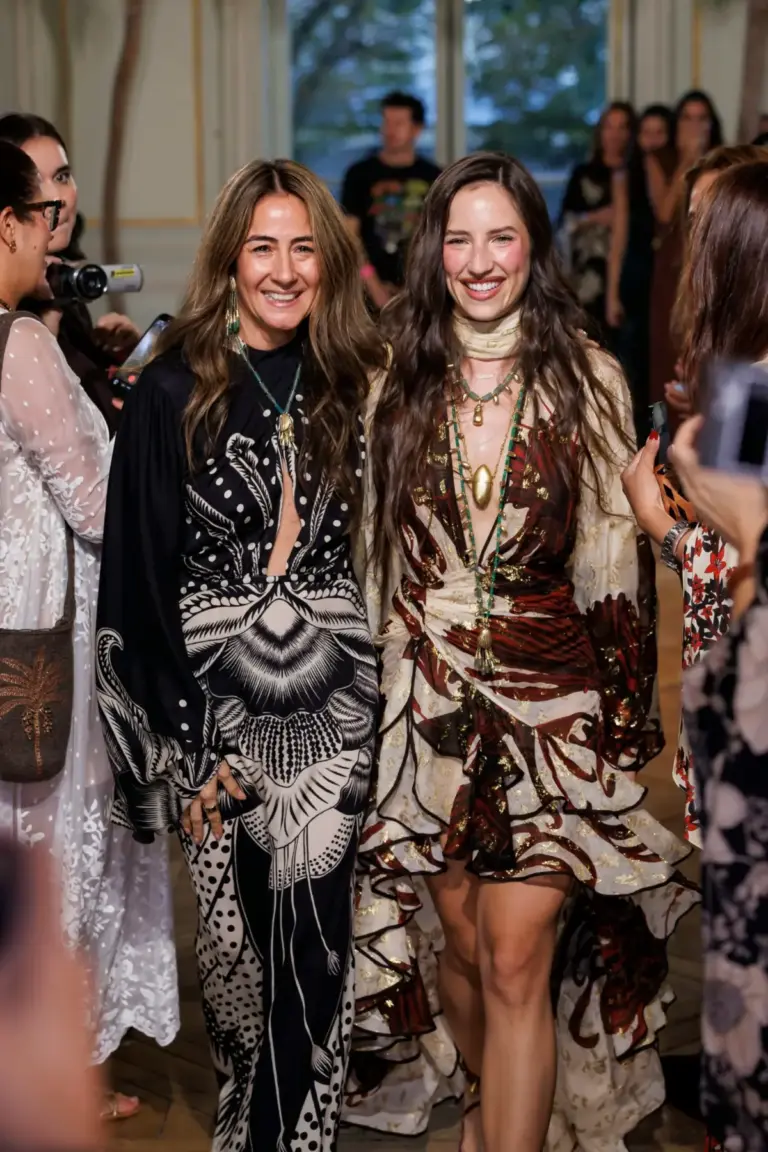
Part garment, part accessory, the scarf-neck hybrid defies traditional categorization. By permanently fusing a draped scarf, fringed wrap, or knotted ascot directly into the collar of a piece, designers have eliminated the fuss of styling separate accessories while introducing a sophisticated, architectural focal point to everyday basics. What began as a high-end runway experiment has rapidly saturated the commercial market, migrating seamlessly from luxury wool coats down to lightweight transitional tops, fluid blouses, and even ribbed layering tees. As the industry looks toward the autumn horizon, this hybrid trend is cementing its status as the definitive wardrobe update for the months ahead.

Detailed Chronology: Tracing the Evolution of the Scarf-Neck Phenomenon
To understand how a built-in scarf became the defining neckline of the season, it is necessary to examine the design lineage that brought this hybrid silhouette to the mainstream.
2021–2022: The Genesis of Modern Hybrid Tailoring
The contemporary scarf-neck movement can be traced directly back to a watershed moment by Swedish minimalist powerhouse Totême. In 2021, the brand released a statement wool coat featuring an integrated, matching fringed scarf built directly into the collar. The piece was an instant commercial and critical success, appearing on street-style icons, editors, and influencers across global fashion weeks.
The appeal was instantaneous: it married the luxurious, bundled-up aesthetic of cold-weather accessorizing with clean, effortless tailoring. Following this success, early adopters in the contemporary market began experimenting with the silhouette, translating the heavy coat concept into lighter transitional garments like cardigans and structured jumpsuits.

2023: Market Saturation and Category Expansion
By the following year, the scarf-neck silhouette had graduated from a singular cult designer item into a widespread industry trend. Recognizing the consumer appetite for effortless luxury, mid-tier and high-street labels began incorporating built-in scarves into an expanding array of silhouettes. Shirts, blouses, and wrap dresses suddenly featured extended fabric necklines designed to be draped over one shoulder, knotted loosely like an ascot, or worn trailing down the back. The trend proved that structural cleverness could elevate even the simplest garments, turning basic knitwear into statement pieces without sacrificing comfort.
2024–Present: Trans-Seasonal Versatility
As the trend enters its most mature phase, designers have completely broken down seasonal barriers. No longer reserved exclusively for heavy woolens and winter outerwear, the scarf-neck design is now being engineered for late-summer and early-fall transitions. Retailers are rolling out lightweight jersey tops, fine-gauge cotton tees, and silky poplin shirts equipped with delicate, draped scarf details.
This evolution allows consumers to wear the trend during transitional weather when actual wool scarves would be entirely impractical. Whether styled with lightweight linen trousers in August or layered under heavy tailoring in November, the scarf-neck has officially transformed from a passing novelty into a year-round staple of modern dressing.

Supporting Context & Metrics: The Business of Transitional Dressing
The enduring popularity of the scarf-neck trend is not happening in a vacuum; it is supported by significant shifts in consumer purchasing habits and retail economics.
The Psychology of Early-Trend Adoption
According to retail analysts, consumer behavior during late summer has shifted dramatically. Rather than making impulsive end-of-season purchases, shoppers are increasingly looking for "bridge pieces"—items that offer immediate wearability while signaling an awareness of upcoming autumn aesthetics. The scarf-neck top satisfies this exact psychological sweet spot. A piece like H&M’s Draped Scarf-Detail Top or Topshop’s soft-touch chocolate long-sleeve tee can be worn immediately in cooler evening weather or air-conditioned offices, yet instantly connects the wearer to the richer, more tailored textures dominating the fall runways.
Market Accessibility and Price-Point Stratification
The democratization of the scarf-neck trend has been rapid. While the silhouette originated in the luxury sector with four-figure price tags from houses like Totême and Khaite, high-street brands have successfully reinterpreted the look for every budget:

- Entry-Level/High Street ($15–$33): Retailers like H&M, ASOS, and Topshop have made the trend universally accessible, offering draped-neck tees and collar-tie tops in neutral colorways like black, beige, and rich chocolate brown.
- Contemporary ($58–$80): Brands like All the Ways and Zara bridge the gap between casual and formal wear, introducing structured wrap-neck shirts and elevated jersey styles designed for professional and evening wear.
- Luxury (Uncapped): High-end fashion houses continue to anchor the trend at the top of the market, utilizing cashmere, heavy wool, and fine silks to remind consumers of the silhouette’s sophisticated roots.
Future Outlook: Where Is the Scarf-Neck Headed?
As the fashion industry continues to prioritize functional luxury and utilitarian design, the trajectory of the scarf-neck hybrid points toward further integration into everyday wardrobes.
The Death of the Separate Accessory?
One of the primary drivers behind the success of the built-in scarf is its inherent practicality. In an era where consumers value ease and efficiency in their styling routines, garments that remove the guesswork of accessorizing are bound to win. The scarf-neck eliminates the risk of losing a winter accessory, prevents bulkiness under tailored coats, and guarantees a perfectly balanced proportion every time the garment is worn. As long as consumers demand effortless elegance, designers will continue to find new ways to fuse accessories directly into foundational apparel.
Predicted Iterations for Upcoming Seasons
Looking past the current fall-winter cycle, industry forecasters predict that the scarf-neck concept will expand into even more unexpected categories:

- Eveningwear: Expect to see backless evening gowns featuring dramatic, floor-length draped scarves integrated into the neckline.
- Tailored Outerwear: The classic trench coat and unstructured blazer will receive the scarf-neck treatment, offering lightweight protection for unpredictable spring weather.
- Athleisure: Elevated fleece and ribbed knit sets are anticipated to adopt relaxed scarf-collars, merging comfortwear with high-fashion tailoring.
Ultimately, the scarf-neck trend proves that some of the best innovations in fashion do not come from inventing entirely new garments, but from thoughtfully reimagining how existing elements interact. By blurring the line between clothing and accessory, the scarf-neck has secured its place as a masterclass in modern, trans-seasonal design.