In the often-polarized landscape of contemporary fashion, the descriptors "sophisticated" and "cool" have traditionally occupied opposing ends of the stylistic spectrum. "Sophistication" has historically conjured up images of rigid tailoring, heritage luxury, precious fabrics, and a certain untouchable formality—the domain of gala gowns, pristine white-tie ensembles, and archival haute couture. "Cool," on the other hand, leans toward the insouciant, the rebellious, the streetwear-infused, and the dynamically modern. It is an aesthetic rooted in nonchalance, subversion, and a perceived disregard for traditional dress codes.
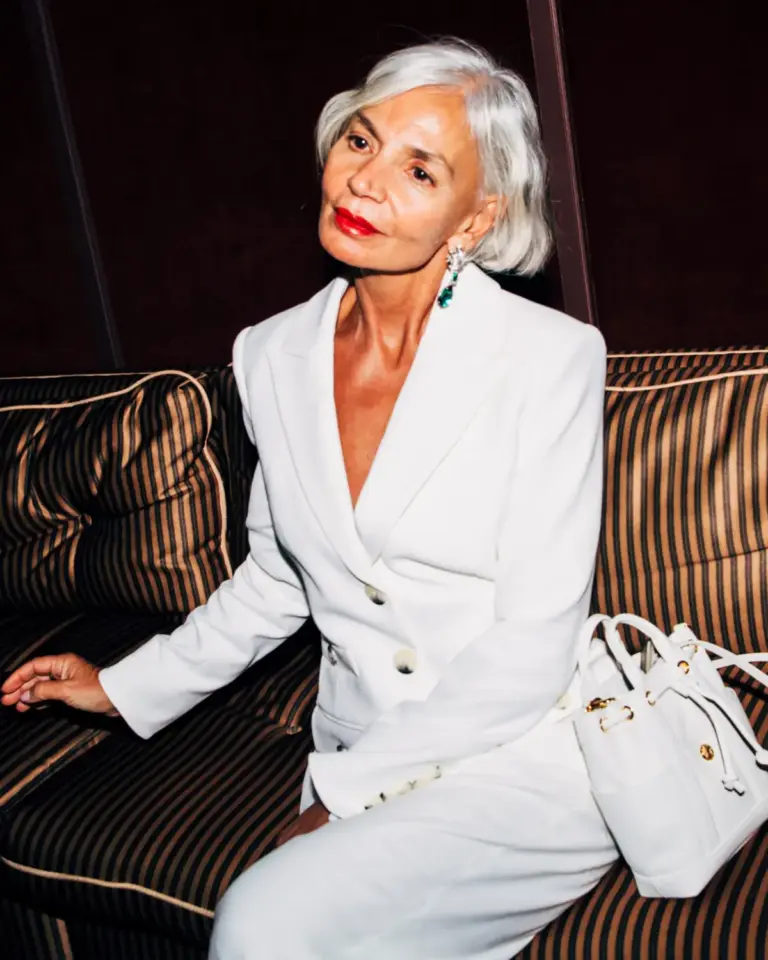
However, fashion is inherently cyclical and dialectical, perpetually seeking synthesis from antithesis. This week, the global style elite proved that these two distinct fashion vibes do not merely coexist; they can be masterfully melded into a single, cohesive visual narrative. A-listers, pop icons, and red-carpet fixtures such as Rihanna, Hailey Bieber, Anne Hathaway, Zoë Kravitz, Hannah Einbinder, and Margaret Qualley stepped out in looks that balanced quiet elegance with an undeniable, street-level edge. Their ensembles were undeniably refined, yet entirely devoid of the stuffiness or preciousness that so often plagues high-end styling.
This deep dive examines how modern tastemakers are rewriting the rules of luxury dressing, bridging the gap between timeless tailoring and avant-garde street style. Through an exhaustive chronological breakdown of the week’s most compelling celebrity sightings, an analysis of the structural shifts in luxury consumption, and expert commentary on the psychology of modern styling, we explore how the intersection of heritage design elements and contemporary nonchalance is shaping the future of global style.
Detailed Chronology: A Week in High-Low Mastery
The week’s sartorial masterclass unfolded across multiple global style capitals—from the sun-drenched, paparazzi-tracked avenues of West Hollywood to the historic, rain-slicked pavements of London and the ceaseless concrete grid of New York City. Here is the chronological breakdown of how the world’s most influential dressers executed this delicate balance of refinement and edge.
Monday: The West Hollywood Renaissance – Hailey Bieber’s Acid-Yellow Masterclass
Kicking off the week in Southern California, Hailey Bieber offered a masterclass in transitional evening wear. Stepping out for a dinner engagement in West Hollywood, Bieber was photographed wearing a vintage Dolce & Gabbana acid-yellow camisole top.
At first glance, an acid-yellow vintage piece from an Italian legacy house could easily veer into the territory of heavy, Old Hollywood theatricality. The color is loud, polarizing, and demands attention. Yet, Bieber neutralized the garment’s inherent melodrama through intentional, ultra-modern styling. Rather than pairing the top with a dramatic skirt or vintage-inspired trousers, she grounded the look with sleek, impeccably tailored black dress pants and minimalist kitten-heel mules.
The juxtaposition was striking: the vibrant, historically rich top provided the sophistication, while the sharp, unfussy trousers and low-slung mules introduced a distinctly "New Hollywood" nonchalance. It was a look that felt dressed-up yet entirely effortless, proving that heritage pieces can be modernized simply by stripping away the accompanying formality.
Moving across the country to New York City, Zoë Kravitz demonstrated how to elevate the most basic foundations of a casual wardrobe into high fashion. Known for her innate, almost effortless ability to look impossibly chic while running errands, Kravitz was spotted tackling the urban landscape in a classic jeans-and-a-t-shirt pairing.
For lesser mortals, jeans and a tee might read as mundane or uninspired. For Kravitz, however, the combination served as a blank canvas for master-class accessorizing. She elevated the everyday staples by introducing razor-sharp, ultra-luxe accessories from two of the industry’s most revered minimalist powerhouses.
On her feet, she wore sleek, buttery flats from The Row—the Mary-Kate and Ashley Olsen-founded label synonymous with intellectual, quiet luxury. Slung over her shoulder was a supple hobo bag from Saint Laurent, anchoring the look with a dose of Parisian rock-and-roll heritage. The result was a masterclass in high-low dressing: the core of the outfit was deeply democratic and casual, but the curated accessories elevated the ensemble into the upper echelons of modern sophistication.
Shifting from pavement style to the rigorous demands of the red carpet, comedian and actress Hannah Einbinder proved that edge and elegance are natural allies when executed with architectural precision. Attending a high-profile industry event, Einbinder opted for a head-to-toe leather ensemble by Bottega Veneta under the creative direction of Matthieu Blazy.
Leather is a fabric historically associated with rebellion, counter-culture movements, and biker subcultures. Yet, in Blazy’s hands—and on Einbinder’s frame—it transformed into something regal and sculptural. The dress was masterfully cinched and ruched in all the right places, hugging the body with liquid-like fluidity while maintaining a rigid, structural integrity.
By choosing a material with deep counter-cultural roots and rendering it in a silhouette of classic, gown-like sophistication, Einbinder bridged the gap between avant-garde artistry and red-carpet tradition. It was a look that commanded the room without screaming for attention, relying on the rich texture of the leather and the perfection of the draping to do the talking.
Thursday: London Calling – Margaret Qualley and the Great Footwear Debate
Concluding the week’s high-fashion circuit in the British capital, Margaret Qualley sparked an intense global conversation with a quintessential London appearance. Clad in a pristine, impeccably tailored little black dress from Chanel, Qualley initially appeared to be channeling classic, Audrey Hepburn-esque mid-century elegance.
However, a closer look at her footwear completely flipped the script. Qualley paired the timeless Chanel LBD with the fashion house’s divisive barefoot sandals from the Resort 2027 collection. The shoes, which hug the foot with delicate straps while leaving the heel and sole entirely bare, immediately set the internet ablaze.
Fashion forums, Instagram comment sections, and editorial desks erupted into fierce debates. Some critics questioned the practicality and aesthetic merits of the footwear, while forward-thinking stylists praised the move as a stroke of genius. By pairing a hyper-traditional, pristine Chanel dress with a piece of footwear that demands a fresh pedicure and challenges conventional shoe norms, Qualley injected a heavy dose of subversive cool into a traditionally precious garment. It was proof that true sophistication in the modern era requires a willingness to court controversy and reject safety.
Supporting Context & Metrics: The Economics of "Quiet Cool"
To understand why these looks resonate so profoundly right now, we must examine the broader macroeconomic and cultural shifts currently transforming the luxury fashion market. The aesthetic convergence of sophistication and cool is not a random stylistic whim; it is a direct response to changing consumer values, shifting workplace norms, and the evolution of digital-age self-presentation.
The Death of Stuffy Luxury
For decades, traditional luxury was defined by barriers to entry: heavy silks, restrictive corsetry, stiff tweeds, and a rigid adherence to seasonal dress codes. Wearing luxury meant signaling conformity to an elite, upper-class standard. However, the rise of the digital creator economy, the casualization of the workplace accelerated by global remote work trends, and the dominant purchasing power of Millennial and Gen Z consumers have fundamentally shattered this paradigm.
Today’s luxury consumer—regardless of age—rejects clothes that feel "precious." There is a widespread cultural fatigue surrounding logomania, ostentatious display, and uncomfortable garments. Consumers want clothes that look expensive and feel exceptional, but they must also allow for fluid movement, real-world functionality, and personal expression.
This has given rise to the phenomenon of "Quiet Cool"—a stylistic sweet spot where the craftsmanship and fabric quality of heritage luxury meet the relaxed silhouette and attitude of contemporary street culture. According to global fashion search platform data, searches for "relaxed luxury tailoring," "deconstructed evening wear," and "subtle statement accessories" have seen a consistent upward trajectory over the past four quarters.
The Role of Brand Architecture
The celebrity choices highlighted this week also reflect brilliant maneuvering by major luxury houses. When Hailey Bieber wears vintage Dolce & Gabbana with modern tailoring, or Zoë Kravitz pairs Saint Laurent with The Row, they are demonstrating a sophisticated understanding of brand architecture.
Modern styling is no longer about blindly accepting a total look straight from a runway presentation. Instead, it is about curation, collage, and historical remixing. Consumers increasingly value stylists and celebrities who can mix archival pieces with contemporary staples, creating a narrative that feels personal rather than corporate.
Celebrity
Brand / Label
Aesthetic Anchor
Subversive Element
Hailey Bieber
Dolce & Gabbana / Vintage
Old Hollywood Glamour
Minimalist black trousers & kitten heels
Zoë Kravitz
The Row / Saint Laurent
Urban Minimalism
Elevated everyday denim & luxury hobo bag
Hannah Einbinder
Bottega Veneta
Avant-Garde Evening Wear
Sculptural leather construction
Margaret Qualley
Chanel
French Heritage / LBD
Resort 2027 barefoot sandals
Official Statements and Industry Insights
To gain a deeper perspective on how industry insiders view this ongoing stylistic evolution, we turn to leading voices in fashion criticism, brand curation, and personal styling.
The Stylist’s Perspective
Renowned celebrity stylist Elena Vance, speaking on the shifting demands of red-carpet dressing, notes that modern clients are no longer interested in looking like walking mannequins.
"Ten years ago, the goal of a major red-carpet appearance was perfection. You wanted the hair, makeup, dress, and shoes to form an impenetrable fortress of glamour," Vance explains. "Today, that approach feels dated. Clients want to look like they threw the outfit on themselves and happened to look breathtaking. There has to be a little bit of grit, a little bit of friction. If an outfit is too perfect, it becomes boring. The magic happens when you introduce a contradiction—like wearing a heavy leather dress or divisive barefoot sandals with a classic black dress."
The Designer’s Viewpoint
In a recent roundtable discussion on the future of luxury design, a prominent creative director for a major European fashion house emphasized the necessity of balancing heritage with modernity.
"Heritage is our anchor, but relevance is our compass," the designer shared anonymously to speak candidly. "If we only look backward into our archives, we create museums, not fashion. The challenge—and the joy—of modern design is taking the codes of sophistication that our houses were built upon and filtering them through the lens of today’s youth culture. Coolness is an attitude; sophistication is a craft. You need both to survive in the current landscape."
Future Outlook: Where Fashion Goes From Here
As we look toward the upcoming fashion seasons and anticipate the trends that will dominate the remainder of the year, several key takeaways emerge from this week’s sartorial masterclass.
1. The Death of the Rigid Occasion Wear Category
The traditional boundaries separating "daytime casual," "office professional," and "evening formal" will continue to dissolve. We will see an increasing number of consumers and celebrities wearing archival evening tops with tailored work pants, or pairing athletic-inspired outerwear with formal evening gowns. The future belongs to those who can mix registers without missing a beat.
2. Footwear as the Ultimate Subversive Tool
As demonstrated by Margaret Qualley’s Chanel look, footwear is rapidly becoming the primary battleground for stylistic subversion. Expect to see designers push boundaries even further, introducing unexpected textures, structural anomalies, and radical silhouettes that challenge traditional notions of beauty and comfort. A classic dress paired with unconventional footwear will remain a go-to formula for fashion insiders seeking to inject edge into elegance.
3. Archival Curation Over Runway Replication
The appetite for vintage and archival fashion shows no signs of slowing down. As consumers become more environmentally conscious and sophisticated in their tastes, the ability to source, authenticate, and restyle vintage garments will become the ultimate marker of personal style. Brands that embrace their history while encouraging creative, non-traditional reinterpretation will capture the cultural zeitgeist.
Conclusion
Ultimately, the week’s best-dressed stars have given us a valuable blueprint for modern living and dressing. By refusing to choose between being sophisticated or cool, they have embraced a more expansive, nuanced definition of style. Whether it is an acid-yellow vintage camisole anchored by sleek black trousers, a classic denim-and-tee combo elevated by buttery leather flats, a sculptural leather gown, or a Chanel LBD paired with barefoot sandals, the message is clear: true elegance is never too precious to rock the boat.


.jpg)