Executive Overview
In the sprawling landscape of American entertainment, few character actors command the immediate warmth, gravity, and cultural footprint of John Goodman. For decades, the towering, charismatic performer was defined as much by his larger-than-life physical presence as by his prodigious acting talent. Whether portraying the lovable blue-collar patriarch Dan Conner on ABC’s Roseanne or delivering unforgettable cinematic turns in films like The Big Lebowski and O Brother, Where Art Thou?, Goodman’s frame was an integral part of his cinematic persona—a classic, affable "teddy bear" archetype that audiences warmly embraced.
However, behind the scenes, that physical reality bore a heavy, unsustainable toll. Peaking at a staggering 400 pounds, Goodman lived a life dictated by the physical and psychological burdens of severe obesity and a multi-decade battle with alcoholism. By the mid-2000s, the convergence of these health crises forced the actor to confront a stark binary choice: make fundamental, life-saving adjustments or face an imminent, catastrophic decline.
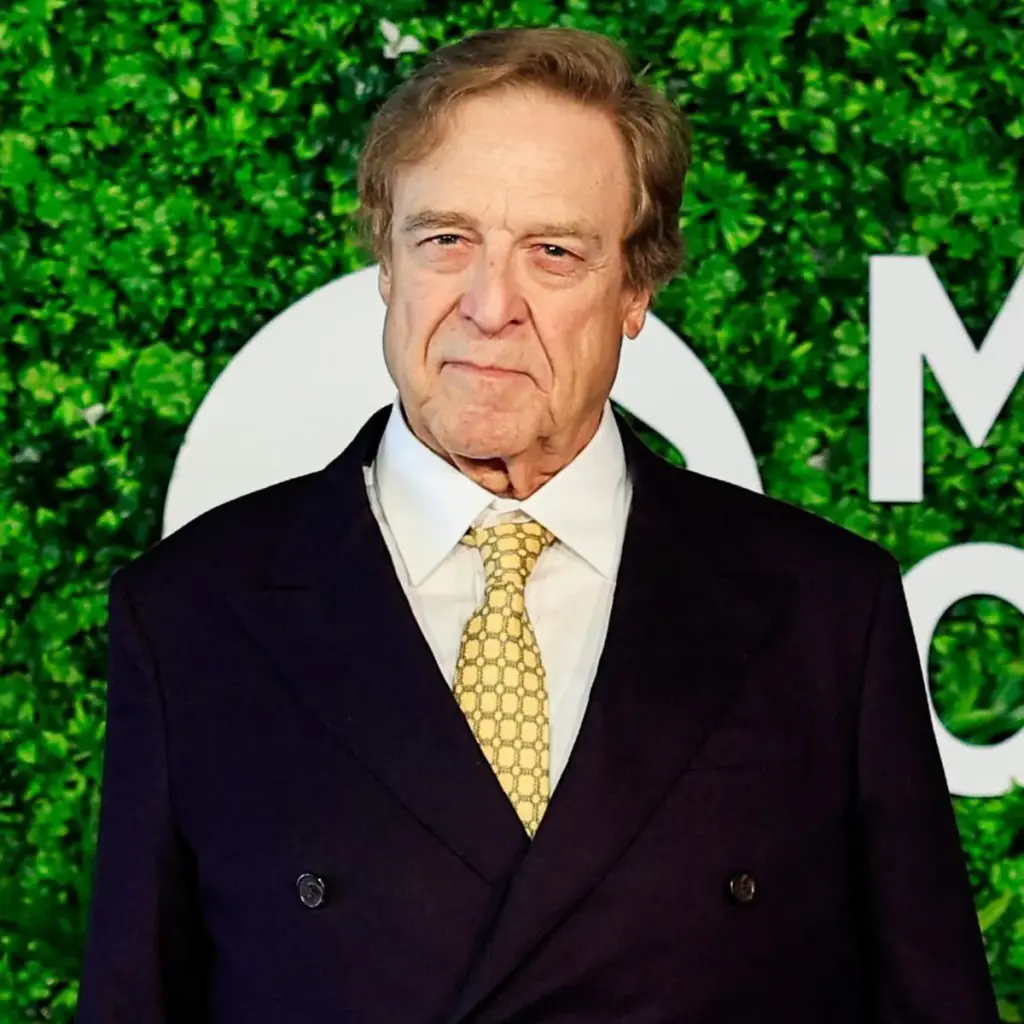
Today, at age 74, Goodman cuts a dramatically different figure. Having shed roughly 200 pounds—effectively cutting his former body weight in half—the star of The Righteous Gemstones looks utterly unrecognizable in recent public appearances and social media shares. Eschewing the sensationalized, quick-fix diet culture that dominates modern media, Goodman’s transformation has been a masterclass in quiet discipline, psychological resilience, and incremental lifestyle modification.
His journey is not merely a tale of shedding pounds; it is a profound narrative of reclaiming autonomy over one’s body, confronting internal emotional voids without the crutch of food or alcohol, and forging a sustainable path toward longevity. Alongside other prominent public figures who have undertaken similar wellness journeys, Goodman’s ongoing evolution serves as a powerful testament to the fact that radical personal reinvention is attainable at any stage of life—provided the individual is willing to do the foundational, ungllamorous work.
Detailed Chronology of a Transformation
The Breaking Point: Confronting Alcoholism (2007)
Long before Goodman seriously tackled his weight, he had to confront an even more immediate threat to his survival: a 30-year battle with severe alcoholism. For decades, his drinking had operated as a debilitating undercurrent, straining his professional relationships, taking a heavy toll on his loved ones, and compounding his physical deterioration.
By 2007, the situation had escalated into a crisis. Reflecting on that pivotal juncture in interviews with The Guardian, Goodman described the reality of his addiction with sobering clarity: "It was 30 years of a disease that was taking its toll on everyone around me and it had got to the point where, every time I did it, it was becoming more and more debilitating. It was life or death."
Making the courageous decision to enter sobriety marked the foundational cornerstone of his entire wellness renaissance. Yet, removing alcohol did not instantly cure the deeper existential and emotional distress that had fueled his addictions for decades. Goodman openly acknowledged that an overwhelming sense of internal emptiness remained—a psychological void that he had historically rushed to fill with substances or massive quantities of food. The process of getting sober forced him to sit with that discomfort, laying the psychological groundwork required to eventually revolutionize his relationship with nutrition and physical health.
Smashing the Cycle: Partnering with Mackie Shilstone (2010)
By 2010, tipping the scales near the 400-pound mark and feeling deeply dissatisfied with his reflection, Goodman reached his physical breaking point. As he famously recounted to ABC News, the catalyst was starkly personal: "You’re shaving in the mirror and you don’t want to look at yourself. It gets dangerous."
Tired of the superficial cycle of crash-dieting—where he would routinely drop 60 or 70 pounds over a few grueling months only to reward himself with a six-pack of beer and plunge right back into old habits—Goodman realized he needed professional, structured guidance. He enlisted the expertise of renowned fitness coach Mackie Shilstone, a legendary trainer famous for working with elite athletes.
Shilstone introduced the actor to a rigorous, sustainable regimen designed to overhaul his daily life without driving him to burnout. Goodman committed to working out six days a week, integrating dynamic physical movement into a lifestyle that had previously been defined by professional sedentariness. As he wryly observed to People magazine in 2010: "It takes a lot of creative energy to sit on your ass and figure out what you’re going to eat next."
Rather than jumping into punishing, injury-prone extremes, Goodman adopted a measured philosophy: "I’m breaking a sweat, but I’m not going nuts." This initial phase yielded a milestone 100-pound weight loss, proving to the actor that slow, consistent momentum could outlast temporary fixes.
Refining the Routine: Boxing, Nutrition, and Mindful Movement
As the years progressed, Goodman’s fitness regimen evolved from basic weight management into an engaging, varied athletic practice. In a 2023 interview with Rolling Stone, the actor detailed his striking commitment to boxing—a sport that challenged his coordination, footwork, and cardiovascular endurance.
"It’s usually just an hour, hour and a half of hitting the mitts, hitting the bags, learning footwork. It’s great," Goodman shared, noting his pragmatic limits regarding sparring ("Once I get whacked in the face, I don’t know if I wouldn’t lose it"). On days when boxing felt too demanding, he seamlessly pivoted to low-impact, sustainable alternatives, such as walking his dogs or logging miles on the elliptical.
Concurrently, his dietary habits underwent a radical transformation. Moving away from the chaotic consumption of his past—which he once joked could involve eating Crisco straight from the can with a side of confectioner’s sugar—Goodman adopted a Mediterranean-style nutritional framework. He prioritized lean proteins like fish, fresh vegetables, healthy fats derived from olive oil and nuts, and strict portion control.
By the time he reprised his role as Dan Conner for the Roseanne spinoff The Conners in 2018, Goodman had effectively shed half of his original body weight. Yet, true to his grounded nature, he actively resisted becoming a self-righteous fitness guru, explaining to AARP The Magazine that he feared the psychological pressure of a potential relapse: "I don’t want to be an example to anybody when the weight comes thundering back on."
Supporting Context & Metrics
The Physiology of Sustainable Change
John Goodman’s 200-pound weight loss is a statistical and physiological anomaly in an industry where rapid fluctuations are common. Medical experts generally view weight loss exceeding 20% of total body weight as a massive physiological intervention, requiring profound adjustments to the body’s basal metabolic rate (BMR) and hormonal signaling.
By shifting away from cyclical crash diets—which often trigger compensatory metabolic slowdowns and massive surges in the hunger hormone ghrelin—Goodman’s adoption of slow, incremental lifestyle changes allowed his body to adapt to its shifting set point. The inclusion of strength-based movements, cardiovascular work like elliptical training, and high-coordination disciplines like boxing helped preserve lean muscle mass, mitigating the muscle-wasting effects frequently seen in rapid geriatric weight loss.
Navigating Physical Wear and Tear
Achieving health later in life inevitably involves managing the physical legacy of prior decades. Goodman has approached his aging body with characteristic humor and radical acceptance, noting to AARP that he now possesses "bionic parts" in the form of titanium knees.
Rather than viewing these structural interventions as failures, the actor’s journey highlights an essential truth of geriatric wellness: true health is not the absence of wear and tear, but the active management of it. By strengthening the musculature surrounding his joints through low-impact aerobic work and strict portion control, Goodman successfully reduced the chronic inflammatory load on his skeletal system, proving that physical revitalization can coexist with orthopedic recovery.
Official Statements & Personal Reflections
Throughout his multi-decade transformation, Goodman has consistently demystified his journey, stripping away Hollywood artifice in favor of brutal, humorous honesty.
-
On the Reality of His Past Consumption:
"It was basically just portion control, and ‘I don’t need it.’ I was just shoving everything into my mouth." — AARP The Magazine, 2018
-
On Confronting the Psychological Void:
"There was an emptiness inside me. I still have it, but I know what it is now. You recognize it and go, ‘There it is.’ You don’t have to fill it with another pork chop or another drink… You just acknowledge that it’s there. You can’t fill it. And you go on and live with it." — AARP The Magazine / ABC News
-
On Rejection of Quick Fixes:
"In the old days, I would take three months out, lose 60 or 70 pounds, and then reward myself with a 6-pack of Bud or whatever and just go back to my old habits. So for this go-round, I wanted to do it slowly, move, exercise. I’m getting to the age where I can’t afford to sit still anymore." — ABC News, 2016
-
On Radical Acceptance and Aging:
"You live through enough and survive, you have to make peace with your flaws and your broken pieces." — AARP The Magazine
Future Outlook: A Broader Cultural Movement
John Goodman’s quiet, steadfast evolution does not exist in a vacuum. His journey mirrors a broader, highly visible cultural shift across the entertainment industry, where public figures are increasingly dismantling the shame, stigma, and unrealistic expectations surrounding weight, metabolic health, and aging.
Across Hollywood, public figures are openly redefining their relationships with physical wellness through diverse, highly personalized pathways:
- Tammy Slaton (1,000-Lb. Sisters), who underwent bariatric surgery in 2022 and utilized consistent lifestyle adjustments to drop over 450 pounds from a peak of 700-plus, demonstrating extraordinary long-term commitment.
- Jelly Roll, who has openly chronicled his mental health journey alongside a staggering 180-pound weight loss (dropping from 540 to 357 pounds), emphasizing the deep, inextricable link between emotional well-being and physical nourishment.
- Al Roker, the veteran TODAY show weatherman who has maintained a hard-fought 100-pound weight loss for over two decades through daily movement, dietary vigilance, and the guiding mantra that "something is better than nothing."
- Oprah Winfrey, who has spent decades publicly navigating the peaks and valleys of weight management, ultimately using her platform to advocate for destigmatizing modern pharmacological tools while emphasizing a multi-pronged approach rooted in self-compassion.
- Lizzo, who has openly used her platform to reframe exercise entirely around mental health and endorphin balance rather than societal aesthetic pressures, successfully lowering her body fat and improving her metabolic markers while championing body autonomy.
For Goodman, the future holds no grand crusades or commercial diet endorsements. Now in his mid-70s, the beloved actor continues to anchor critically acclaimed television projects like The Righteous Gemstones, moving with a physical agility and energetic stamina that eluded him during his heaviest years.
His ongoing narrative stands as a powerful cultural touchstone: a reminder that while the past cannot be rewritten, the trajectory of one’s remaining years can be fundamentally altered through simple, unyielding resolve, daily movement, and the courage to finally look in the mirror with compassion rather than despair.