Executive Overview
The dog days of August are traditionally characterized by a collective deceleration—a seasonal lull where the global fashion and entertainment industries typically retreat to the shores of the Mediterranean or the Hamptons. Yet, the summer social circuit has defied traditional calendar-clearing habits. Driven by a high-stakes convergence of experiential marketing, localized cultural takeovers, and global inclusivity celebrations, brands are increasingly transforming late summer into a peak window for cultural engagement.
Recent weeks have demonstrated that pulling tastemakers, celebrities, and consumers away from leisure requires more than just a passing cocktail hour; it demands immersive, highly curated cultural touchpoints. From downtown New York City to the canals of Amsterdam, global brands have deployed major financial and creative capital to capture consumer mindshare.
This report provides a comprehensive examination of three defining activations that shaped the late-summer cultural landscape: Abercrombie & Fitch’s gritty, downtown-centric denim celebration in New York; Dsquared2’s high-fashion, high-energy World Pride takeover in Amsterdam; and Nordstrom’s polished, tennis-centric retail collaboration with Polo Ralph Lauren. Through an analysis of these events, we explore how experiential retail, targeted celebrity integration, and community-first programming are redefining modern fashion marketing.
Detailed Chronology: A Week in High-End Experiential Marketing
The rhythm of the late-summer fashion calendar is dictated by precision planning and rapid-fire execution. Over the span of a single week, the industry pivoted seamlessly from gritty urban nightlife to global LGBTQ+ advocacy and classic American prep.
Tuesday Night in Downtown Manhattan: Abercrombie’s Denim Reclamation
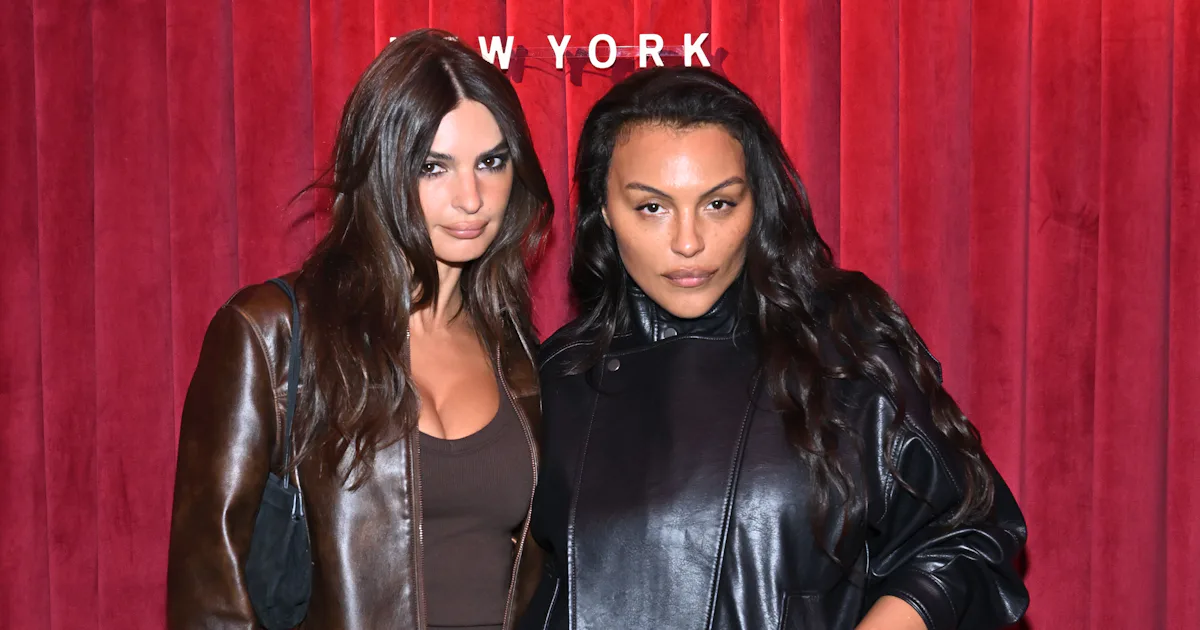
The week’s festivities kicked off in New York City, where heritage apparel giant Abercrombie & Fitch hosted a high-profile dinner and after-party to mark the official rollout of its Fall 2026 denim campaign. Moving away from suburban nostalgia, the brand leaned hard into its urban roots, utilizing Jean’s—the city’s quintessential downtown hotspot—as the backdrop for an evening celebrating contemporary New York cool.
At the center of the campaign and the evening’s guest list were style heavyweights Paloma Elsesser and Emily Ratajkowski. The event drew an eclectic mix of actors, models, and musicians, including Iris Law, KJ Apa, Jordan Clarkson, and Chase Stokes. Eschewing stiff corporate galas, the night featured a relaxed menu of gourmet fries and martinis, underscored by a high-energy late-night DJ set that stretched well into the early hours of Wednesday morning. The strategic choice of venue and guest roster underscored Abercrombie’s ongoing, highly successful brand transformation.
Weekend Pride in Amsterdam: Dsquared2 Takes Over the Canal Zone
Across the Atlantic, the focus shifted from denim to advocacy and unabashed glamour as Amsterdam Pride brought millions to the Dutch capital. Designers Dean and Dan Caten, the visionary minds behind Dsquared2, reinforced their longstanding commitment to the queer community by hosting an exclusive World Pride celebration at the W Amsterdam.
Known for pushing boundaries, Dsquared2 paired its signature high-fashion edge with unadulterated nightlife energy. Drag icon Gottmik commanded the room from the DJ booth, soundtracking a night defined by cutting-edge style, performance art, and an inclusive atmosphere. Surrounded by a coterie of scantily clad performers and international fashion figures like Max Heuvelman, the event served as a masterclass in how luxury houses can authentically engage with LGBTQ+ culture during heritage moments rather than treating Pride as a mere marketing checklist.
Mid-Week Retail Immersion: Nordstrom Meets Polo Ralph Lauren
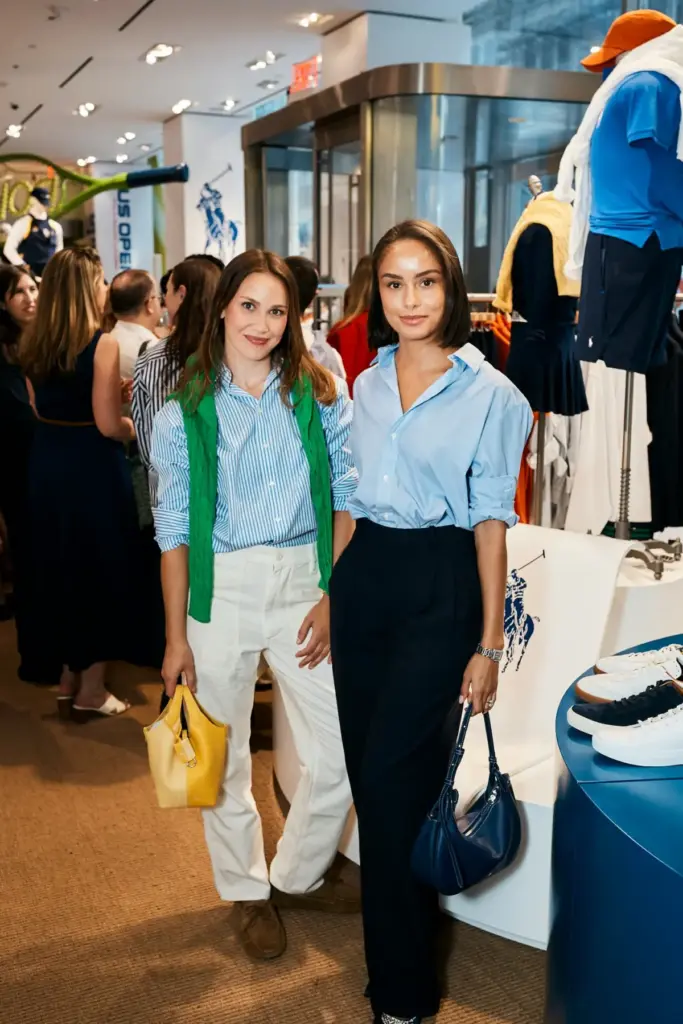
Back in the United States, retail innovation took center stage as Nordstrom launched its high-profile ground-floor takeover in collaboration with Polo Ralph Lauren. Capitalizing on the late-summer fever pitch surrounding tennis culture and the U.S. Open, the partnership transformed traditional retail real estate into an immersive preppy paradise.
Content creators and fashion insiders—including Jalil Johnson, Meredith Hayden, Olivia McDowell, Taylor Reed, Michal Kurtis, and Simon Goldman—converged on the space to preview the official, highly coveted U.S. Open apparel collection alongside curated summer essentials. The activation successfully bridged the gap between digital-first aesthetics and physical retail, creating a "TikTok-ready" environment that drove immediate foot traffic and online conversation.
Supporting Context & Metrics: The Economics of Experiential Fashion
To understand why brands are investing heavily in localized, high-concept summer events, one must examine the shifting metrics of modern luxury and contemporary marketing. In an era dominated by digital ad fatigue, physical activations have emerged as the primary driver of Earned Media Value (EMV) and genuine consumer connection.
The Power of the Cool-Girl Anchor
The success of campaigns like Abercrombie’s Fall 2026 denim push relies heavily on what industry analysts call "authentic adjacency." By anchoring the campaign to figures like Paloma Elsesser and Emily Ratajkowski, Abercrombie bypassed traditional, uninspired advertising channels. Elsesser’s status as a champion of body inclusivity and high fashion, paired with Ratajkowski’s ubiquitous cultural footprint, generated millions of impressions across Instagram, TikTok, and digital fashion publications within 48 hours of the event.
| Activation Event | Primary Focus / Theme | Key Talent & Hosts | Strategic Objective |
|---|---|---|---|
| Abercrombie & Fitch | Fall 2026 Denim Reclamation | Paloma Elsesser, Emily Ratajkowski, KJ Apa | Rebrand heritage denim for an urban, Gen-Z/Millennial audience. |
| Dsquared2 Pride | World Pride Celebration | Dean & Dan Caten, Gottmik, Max Heuvelman | Solidify authentic, long-term ties with the global queer community. |
| Nordstrom x Polo Ralph Lauren | Preppy Tennis & Summer Style | Meredith Hayden, Jalil Johnson, Michal Kurtis | Drive foot traffic and capture peak U.S. Open seasonal demand. |
Retail Theater and the TikTok Economy
The collaboration between Nordstrom and Polo Ralph Lauren highlights the vital intersection between brick-and-mortar retail and short-form video platforms. Modern consumers—particularly Gen Z and younger Millennials—do not merely shop for products; they shop for experiences and aesthetic validation.
By designing an immersive, highly photogenic environment centered around the U.S. Open collection, Nordstrom tapped into the "preppy aesthetic" trend that routinely dominates social media algorithms. The presence of digital creators like Meredith Hayden ensured that the physical space instantly translated into viral content, effectively lowering customer acquisition costs while driving both physical and e-commerce sales.
Authenticity in Cultural Sponsorships
Dsquared2’s activation in Amsterdam underscores a broader industry evolution: the demand for structural authenticity. Consumers and creators alike are increasingly critical of "pink-washing" during Pride month. By embedding founders Dean and Dan Caten directly into the festivities and partnering with prominent queer trailblazers like Gottmik, Dsquared2 demonstrated that their support for the community is foundational to their brand identity rather than a seasonal afterthought.
Official Statements & Industry Perspectives
The convergence of fashion, community, and experiential retail has prompted leading designers and brand executives to rethink how they communicate with their audiences.
Reflecting on the evolution of brand positioning, a senior marketing executive close to the Abercrombie restructuring noted:
"The modern consumer can smell insincerity from miles away. When we conceptualized the denim campaign, it wasn’t just about putting clothes on bodies; it was about contextualizing the product within the actual lives, nightlife, and cultural touchstones of the people who define modern style. Taking it from a digital campaign to an intimate room at Jean’s bridges the gap between aspiration and reality."
Addressing the intersection of high fashion and community advocacy during Pride, designers Dean and Dan Caten shared their perspective on why global activations matter:
"Fashion has always been a sanctuary for outsiders and non-conformists. Our community is our family. Being able to celebrate World Pride in Amsterdam—a city that champions freedom and expression—alongside brilliant creatives like Gottmik allows us to live our values out loud, not just on the runway, but in the heart of the culture."
On the retail front, brand strategists partnering with department store giants like Nordstrom emphasize the necessity of experiential environments in reviving physical retail spaces. An industry analyst observed:
"The department store of the past was built on passive browsing. The department store of today must be built on active cultural participation. When you bring Polo Ralph Lauren, the U.S. Open, and top-tier digital creators together under one roof, you aren’t just selling polo shirts; you are selling a lifestyle that consumers want to step inside of, film, and share."
Future Outlook: Where Experiential Fashion Goes Next
As the industry looks ahead to the remainder of the year and into the upcoming Spring/Summer planning cycles, the success of these late-summer activations offers a clear roadmap for future retail and marketing strategies.
1. Hyper-Localized Global Activations
The traditional model of staging massive, centralized events in traditional fashion capitals (New York, Paris, Milan) is increasingly being balanced by localized, culturally resonant activations in secondary and tertiary markets. Brands are realizing that meeting consumers where they gather—whether at Amsterdam Pride, the U.S. Open, or regional cultural hubs—yields deeper brand loyalty than global advertising campaigns alone.
2. The Fusion of Retail and Entertainment ("Retailtainment")
As e-commerce continues to mature, physical retail spaces must offer something that a computer screen cannot: community, atmosphere, and sensory engagement. The Nordstrom x Polo Ralph Lauren takeover proves that department stores can successfully reinvent themselves as cultural destinations by partnering with high-equity brands and embedding digital-native creators into the physical shopping experience.
3. Accountability and True Cultural Alignment
Consumers and advocacy groups will continue to hold fashion houses accountable for their cultural sponsorships. Events like Dsquared2’s Amsterdam Pride party set a high benchmark, proving that successful brand partnerships in cultural spaces must be anchored by genuine, long-term investment rather than opportunistic flash-in-the-pan marketing.
Ultimately, the late-summer social circuit has proven that the fashion industry never truly sleeps. By continually innovating at the intersection of style, community, and experiential retail, brands are transforming the traditional summer lull into one of the most dynamic and lucrative periods of the fashion year.