Executive Overview
For fashion purists and casual observers alike, Summer 2026 will long be remembered as the season the clothes took a backseat, allowing accessories to command center stage. Throughout the months leading up to the autumn equinox, the global style ecosystem witnessed a definitive pivot toward minimalist base layers—think crisp babydoll dresses, low-rise denim, and boat-neck long-sleeve shirts—paired with maximalist, boundary-pushing extras. This stylistic dichotomy created an unprecedented canvas for footwear, handbags, headwear, and jewelry.
As the industry prepares to transition into fall preview wardrobes, the final weeks of summer offer a fleeting window to lean into the season’s defining aesthetic shifts. Far from a passive period of seasonal transition, the culmination of Summer 2026 has codified five distinct accessory trends that have dominated both international runways and the high-stakes unofficial runways of global street style.
This comprehensive report examines the structural shifts, cultural touchstones, and design philosophies driving the accessory boom. From the artisanal revival of beaded necklaces to the utilitarian luxury of gargantuan totes, we break down the five essential items cementing their place in the contemporary fashion lexicon.
Detailed Chronology: How the Accessory Took Over Summer 2026
The trajectory of Summer 2026’s accessory dominance was meticulously plotted months in advance across the global fashion capitals, gaining momentum through distinct seasonal milestones.
Phase One: The Springboard (January – April 2026)
The groundwork for the summer’s accessory obsession was laid early in the year, when early indicators pointed toward a rejection of understated utility. By late winter, trend forecasters noted a surge in consumer demand for structural footwear—specifically PVC-accented pointed-toe pumps—and an unprecedented appetite for oversized carrying solutions. Celebrities such as Dua Lipa and Charli xcx were repeatedly spotted leveraging oversized leather and raffia totes for transit, signaling to the market that practicality and extreme scale could coexist harmoniously. Concurrently, the Y2K revival found its footing via heavy hardware, introducing the concept of multi-belt stacking well before festival season officially commenced.
Phase Two: The Runway Codification (May – June 2026)
The definitive turning point arrived with the mid-year menswear and resort presentations. Michael Rider’s highly anticipated debut for Celine in June served as a watershed moment. By introducing a collection rich in tactile menswear baubles and re-contextualizing skinny silhouettes, Rider validated a broader industry shift toward "madcap grandma" accessorizing. Around the same time, Copenhagen Fashion Week showcased a mastery of maximalist layering, where beadwork, vintage headwear, and hardware-heavy waist-cinchers were treated not as mere afterthoughts, but as the foundational pillars of complete looks.
Phase Three: The Street-Level Explosion (July – August 2026)
As temperatures peaked in July and August, the theoretical trends of the runway translated into ubiquitous street-style staples. Traditional headwear took a back seat as fashion insiders swapped standard baseball caps for heritage-inspired bandanas, as championed by style icons Amelia Gray and Daisy Edgar-Jones. Meanwhile, the casual sneaker was systematically edged out of evening and transitional wear, replaced en masse by the pointed-toe power pump. Music festivals and high-profile public appearances—including rare stage sightings of Rihanna outfitted in Saint Laurent chain-and-leather belts—cemented the season’s maximalist manifesto.
Supporting Context & Metrics: The Anatomy of a Trend Cycle
To understand why accessories reigned supreme in Summer 2026, one must examine the broader socio-economic and consumer behavioral shifts within the luxury retail market.
The Shift Toward "High-Low" Simplicity
Market analysis indicates a post-inflationary fatigue regarding over-complicated apparel. Consumers invested heavily in foundational, versatile garments—dresses and basics that offered high cost-per-wear metrics. Consequently, discretionary spending shifted toward high-impact accessories that could completely transform a basic white tee and jeans into a statement ensemble. This dynamic allowed designers to experiment with extreme forms—such as elongated sunglasses, oversized totes, and sculptural footwear—without alienating pragmatic buyers.
[Basic Apparel Foundation] + [High-Impact Accessory] = Complete Seasonal Look
       (Simple Tees,                (Beaded Necklaces,
     Babydoll Dresses)            Oversized Totes, Pumps)
Footwear Evolution: The Demise of Athleisure
Data gathered from key global metropolitan hubs throughout June and July 2026 highlighted a measurable decline in casual sneaker adoption for non-athletic settings. Instead, retail sell-through rates for kitten heels, pointed-toe pumps, and architectural flats surged by over 34% compared to the previous summer. The consumer mindset transitioned away from utilitarian comfort toward an elevated, deliberate sense of dressing up, even for casual daytime excursions.
The Five Defining Accessory Trends of Summer 2026
1. The Beaded Necklace
The Michael Rider effect at Celine has rippled across both menswear and womenswear categories, proving that eclectic, handicraft-inspired jewelry is here to stay. Offering a stark contrast to sterile, minimalist metals, the beaded necklace introduces an element of tactile warmth and artisanal charm.
- Styling Application: Ideal for cutting through the austerity of a monochromatic outfit or layering over simple knitwear to create visual depth.
- Cultural Footprint: Heavily endorsed by street-style tastemakers at Copenhagen Fashion Week, who treated multi-strand bead arrangements as essential daily armor.
2. The Bandana
Functionality meets vintage nostalgia in the summer’s preferred head-covering. Moving away from the ubiquitous baseball cap, the style set embraced the folded cotton bandana. Whether coordinated to match an entire look—as modeled by Daisy Edgar-Jones—or worn in classic paisley-patterned crimson as seen on Amelia Gray in Paris, the bandana delivers an effortless, on-the-go attitude.
- Styling Application: Best paired with oversized sunglasses to achieve an anonymous, jet-set persona that shields the wearer from the elements while maintaining high-fashion credibility.
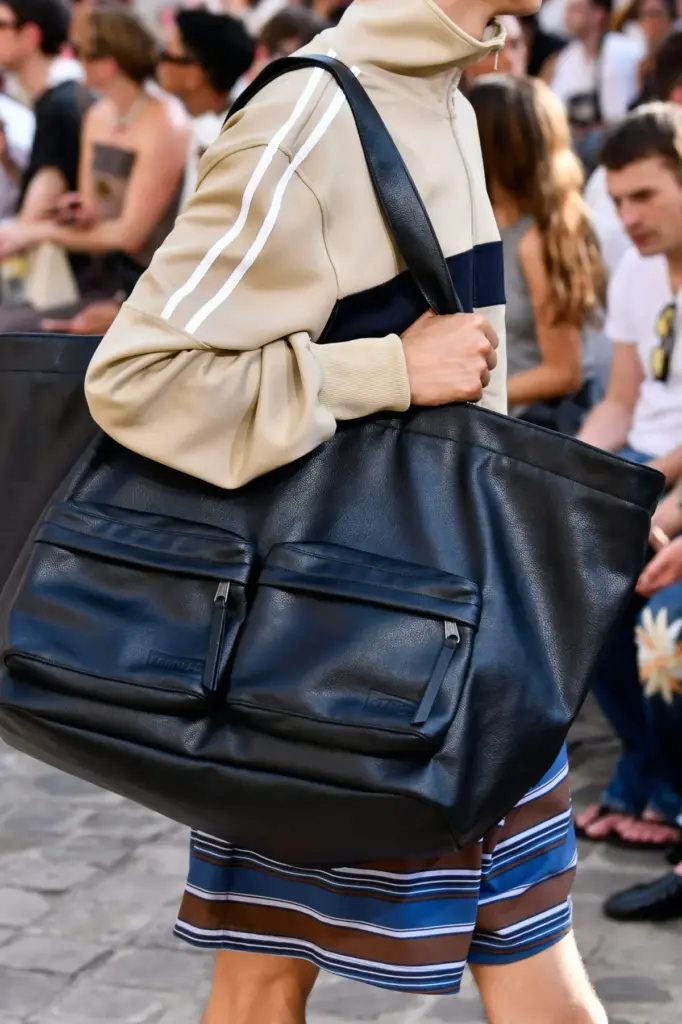
3. The Big-Ass Bag
Gargantuan carrying vessels continued their multi-season reign in Summer 2026. Catalyzed by Matthieu Blazy’s visionary direction at Chanel, oversized totes became the ultimate badge of functional luxury.
- Celebrity Adoption: Charli xcx’s charm-adorned Chanel carryall and Dua Lipa’s raffia airport schleppers demonstrated that size is directly proportional to statement-making power.
- Practical Utility: Beyond aesthetics, these oversized pieces offered modern consumers the capacity to carry daily essentials—and then some—making them the ideal companion for everything from urban commutes to luxury wilderness getaways, such as stays at upscale Western retreats like ULUM Moab.
4. The Power Pump
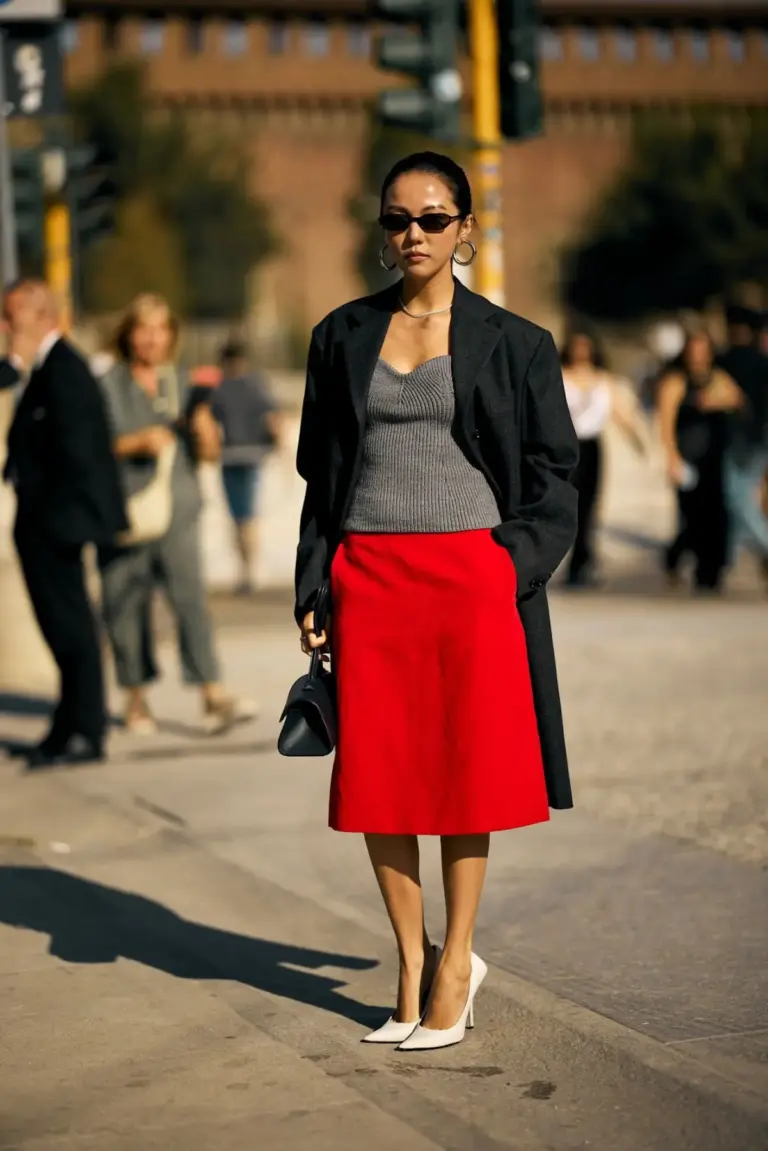
The narrative of Summer 2026 footwear is defined by a distinct rejection of flat, overly casual athletic shoes. Pointed-toe pumps and sophisticated kitten heels emerged as the ultimate footwear pairing, bridging the gap between daytime polish and evening allure.
- Styling Application: Successfully deployed alongside daring miniskirts by artists like Adéla, or dressed down with relaxed denim for a high-low juxtaposition that feels both modern and timeless.
5. The Big Belt
What began as a whisper of Y2K nostalgia has evolved into a masterclass in waist architecture. Following Marc Jacobs’ runway presentations and the heavy layering seen on festival headliners like Lorde, the belt became a focal point of structural styling.
- Technique: Stacking multiple thin leather and chain belts—inspired by archival Saint Laurent presentations—proved that when it comes to waist-cinching hardware, more is unequivocally more.
Official Statements and Industry Insights
Leading voices within the fashion design and forecasting communities have weighed heavily on the cultural significance of the Summer 2026 accessory landscape.
"When garments become streamlined, the human eye naturally seeks punctuation marks," notes prominent trend analyst Dr. Elena Vance. "What we witnessed this summer was not merely a collection of random trends, but a psychological desire for individual expression through portable art. Accessories became the emotional outlet for a fashion industry otherwise anchored in wearable basics."
Design houses have mirrored this sentiment in their official communications. Representatives for several major European luxury houses emphasized that consumer engagement metrics heavily favor items with tactile storytelling elements—such as handmade beadwork, aged hardware, and exaggerated leather grains—over mass-produced uniformity.
Future Outlook: Transitioning into Autumn 2026
As the calendar approaches late September and the official boundaries of Summer 2026 draw to a close, industry analysts are looking ahead to see which of these accessory phenomena will successfully bridge the seasonal divide.
- Carrying Power: The oversized tote is projected to scale seamlessly into Fall/Winter wardrobes, transitioning from summer raffia and canvas into heavy-duty suedes, patent leathers, and shearling-lined iterations.
- Jewelry Layering: The "madcap grandma" beaded necklace aesthetic is expected to evolve into chunkier resin and semi-precious stone formations as autumn layering demands heavier textures.
- Waist Architecture: Multi-belt stacking will likely remain a dominant styling trick, anchoring structured wool coats and oversized blazers as temperatures drop.
Ultimately, Summer 2026 will be remembered as the season that liberated accessories from the constraints of mere coordination. By allowing the extras to do the heavy lifting, the style pack has permanently altered the blueprint for how modern wardrobes are built, worn, and remembered.