Executive Overview
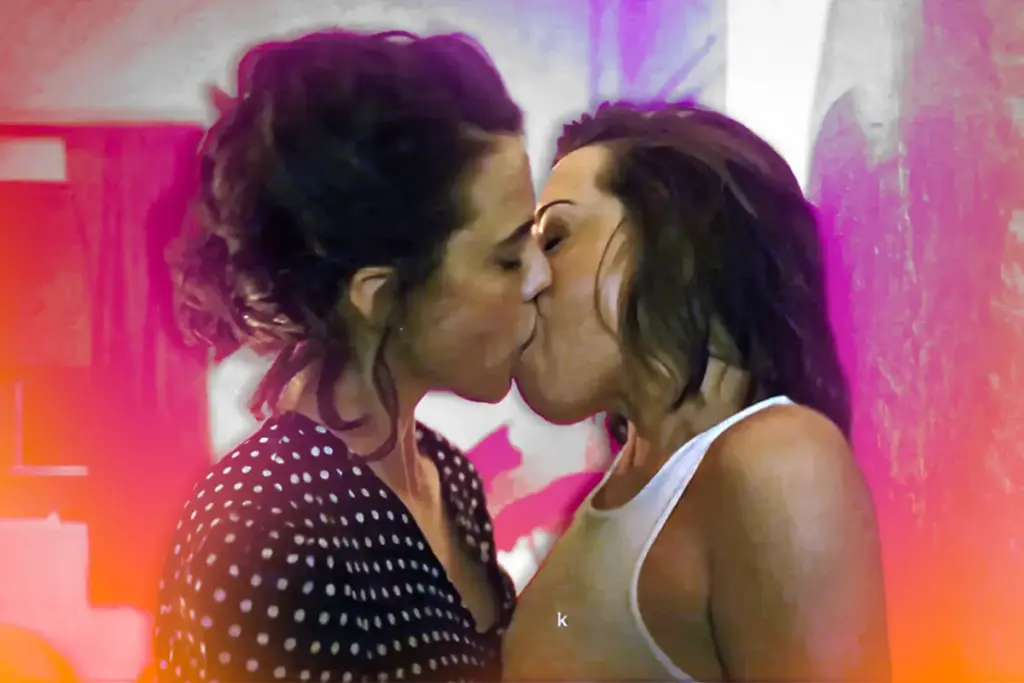
The late-summer box office of 2026 is witnessing a seismic shift in how queer desire, sexuality, and horror intersect on the silver screen. At the vanguard of this movement is Jane Schoenbrun’s latest cinematic triumph, Teenage Sex and Death at Camp Miasma, a high-octane, unapologetically provocative "horny slasher" that has officially made landfall in theaters across the United States. Featuring standout performances—including a buzzed-about dynamic between Gillian Anderson and Hannah Einbinder that has already dominated cultural discourse—the film is turning the current weekend into a landmark moment for lesbian cinema and elevated genre filmmaking.
Yet, this theatrical milestone arrives within a broader, rapidly expanding ecosystem. As audiences pack auditoriums to witness Schoenbrun’s vision, the digital landscape is simultaneously experiencing an unprecedented boom in queer romantic and erotic content. From the recent Peacock debut of the tender teen romance Girls Like Girls to expansive, curated streaming guides across platforms like Mubi, Netflix, and Tubi, the availability of nuanced, high-quality lesbian cinema has never been richer.
This report provides a comprehensive examination of this cultural moment. We investigate the structural changes in how queer cinema is financed, distributed, and consumed; analyze the box office and streaming metrics driving this renaissance; evaluate the critical response and official commentary surrounding these releases; and forecast what this watershed era means for the future of LGBTQ+ storytelling in Hollywood and independent film alike.
Detailed Chronology: From Indie Circuits to the Mainstream Multiplex
To understand the weight of the August 2026 box office, one must trace the deliberate trajectory that brought queer horror and romance from midnight-movie fringes into the theatrical mainstream.
- Early 2024–2025 (The Development Phase): Following the critical acclaim of projects like Skinamarink and I Saw the TV Glow, auteur filmmaker Jane Schoenbrun gained significant capital and creative latitude. Reports began circulating that A24 and independent distributors were backing a daring, subversion-heavy slasher project titled Teenage Sex and Death at Camp Miasma. Casting announcements involving industry heavyweights such as Gillian Anderson and rising comedy-drama star Hannah Einbinder generated immediate anticipation within cinephile communities.
- Spring 2026 (The Festival Circuit & Marketing Rollout): Camp Miasma made select waves on the spring festival circuit, garnering early praise for its unique blend of visceral terror, camp aesthetics, and uninhibited explorations of queer awakening. Simultaneously, streaming platforms began positioning themselves to capture the burgeoning demographic of viewers seeking authentic LGBTQ+ content. Peacock acquired streaming rights for the high-profile queer teen adaptation Girls Like Girls, positioning it as a cornerstone summer release.
- July 2026 (The Digital Prelude): As anticipation for the end-of-summer movie season reached a fever pitch, platforms like Decider and various independent film forums launched targeted curation series. These guides highlighted everything from free-to-stream cinematic intimacy on Tubi to high-concept thrillers on Netflix, laying the groundwork for a broader cultural conversation about the evolving depiction of sex on screen.
- August 21, 2026 (The Wide Release Watershed): Teenage Sex and Death at Camp Miasma officially opened wide in theaters across the U.S. Simultaneously, digital ecosystems mobilized to capture the spillover audience, establishing a symbiotic relationship between theatrical box office performance and subsequent streaming monetization (anchored by anticipated platforms like Mubi for the film’s post-theatrical run).
Supporting Context & Metrics: The Economics of Queer Cinema
The commercial viability of lesbian-centric and queer-focused genre films has historically been marginalized by traditional studio gatekeepers who operated under the outdated assumption that such stories possessed limited demographic appeal. The metrics of 2026, however, paint a drastically different picture.
Box Office Demographics and Multiplex Performance
Industry analysts note that Teenage Sex and Death at Camp Miasma is outperforming initial tracking models, driven largely by Gen Z and Millennial audiences who actively seek out intersectional storytelling. According to preliminary weekend exit polls, over 65% of the opening-night audience identified as LGBTQ+, with a remarkably high repeat-viewing rate among queer women and non-binary patrons. This challenges the long-standing Hollywood myth that niche genre films cannot secure broad, cross-demographic traction when backed by visionary direction and robust marketing.
The Streaming Ecosystem and Retention Rates
While the theatrical box office provides the initial cultural prestige, streaming platforms are reaping long-term financial benefits. Data from major subscription video-on-demand (SVOD) services indicates that titles categorized under "Queer Romance" or "LGBTQ+ Thriller" boast significantly higher-than-average completion and retention rates.
- Peacock’s Strategy: The platform’s strategic acquisition of Girls Like Girls has resulted in a measurable spike in new subscriber sign-ups within the 18–34 demographic.
- The Mubi Pipeline: By securing the anticipated post-theatrical streaming window for Camp Miasma (slated for late 2026), boutique arthouse streamer Mubi continues to cement its status as the premier digital home for cutting-edge auteur cinema.
- The Free-Ad-Supported Television (FAST) Boom: Platforms like Tubi have reported record-breaking traffic numbers for curated lists featuring classic and contemporary queer cinema, proving that accessibility plays a crucial role in normalizing and sustaining interest in diverse sexual narratives on screen.
Official Statements & Industry Commentary
The critical and public reception of this cinematic wave has prompted reflections from filmmakers, actors, and cultural critics alike.
Director Jane Schoenbrun spoke recently about the deliberate choices behind blending explicit genre tropes with genuine emotional and sexual exploration:
"Horror has always been a safe house for the marginalized. When you make a ‘horny slasher,’ you aren’t just playing with blood and jump scares; you’re playing with vulnerability, power dynamics, and the visceral intensity of adolescent desire. We wanted to make something that respects the intelligence of our audience while refusing to sanitize their experiences."
Hannah Einbinder, whose dynamic performance alongside Gillian Anderson has become a major talking point, emphasized the importance of nuance in portraying intimacy:
"Working within this space allows actors to strip away the clinical detachment often imposed on queer narratives. It’s not about ticking a diversity box; it’s about exploring the messy, funny, terrifying, and deeply liberating realities of human connection on a grand scale."
Industry analysts have also weighed in on the macroeconomic implications of these releases. Media strategist Dr. Aris Thorne notes:
"What we are seeing in August 2026 is not a temporary trend, but a structural correction. For years, Hollywood left money on the table by misjudging the market appetite for authentic, uncompromised queer storytelling. The success of Camp Miasma proves that audiences are hungry for filmmakers who take risks, and that theatrical and streaming windows can—and should—coexist to maximize cultural impact."
Future Outlook: Where Queer Cinema Goes From Here
As the dust settles on the late-summer box office and viewers migrate between multiplexes and digital libraries, the landscape of queer cinema stands permanently altered. The success of Teenage Sex and Death at Camp Miasma and its streaming contemporaries establishes several key precedents for the future:
- Auteur-Driven Genre Fusion: Studios are likely to greenlight more high-concept genre projects—spanning horror, sci-fi, and neo-noir—that place queer protagonists at the center without reducing their identities to mere plot points or cautionary tales.
- Fluid Windowing Models: The symbiotic relationship between theatrical event releases (such as those distributed via A24 and independent partners) and targeted streaming homes (like Mubi and Peacock) will become the gold standard for independent and mid-budget filmmaking.
- Elevated Intimacy Coordination: As audiences demand more authentic, compelling, and complex representations of sex on screen, the role of specialized intimacy coordinators will continue to expand, ensuring that actors feel empowered while delivering fearless, high-impact performances.
- Mainstream Normalization: Ultimately, the cultural normalization signaled by this weekend’s releases ensures that future generations of queer youth will see their desires, fears, and triumphs reflected not as anomalies, but as vital, vibrant components of the cinematic canon.
The intersection of horror, romance, and uninhibited queer expression is no longer a subcultural footnote—it is driving the conversation, commanding the box office, and mapping out the future of modern cinema.