Executive Overview
The modern Hollywood ecosystem exists in a perpetual state of tension between familiar intellectual property (IP) and original cinematic vision. This dichotomy was brought into sharp focus on social media when DC Studios co-head James Gunn issued a passionate defense of the studio’s upcoming standalone feature, Clayface. Confronted by a user on Threads who questioned the necessity of a theatrical film centered on the obscure Batman villain—bluntly asking, "Who tf asked for a Clayface movie?"—Gunn did not mince words. He challenged the fundamental premise that major studio motion pictures should only be manufactured via public consensus or market research metrics.
Gunn’s counter-arguments serve as both a rebuke to algorithm-driven filmmaking and a strategic roadmap for the newly restructured DC Universe (DCU). By drawing historical parallels to cinematic masterpieces that no audience actively demanded prior to their existence—such as Back to the Future, Casablanca, and Mad Max: Fury Road—Gunn championed the value of authentic artistic inspiration over corporate calculation.
The film in question, slated for an October 23 theatrical release, represents a bold departure from traditional comic book adaptations. Directed by James Watkins (Speak No Evil) and starring Tom Rhys Harries as the tragic shape-shifter Matt Hagen, Clayface abandons the conventional superhero template in favor of a visceral, character-driven psychological horror story. This comprehensive report explores the genesis of the project, Gunn’s outspoken defense of creative autonomy, the production and casting details of the upcoming film, and what this high-risk gambit reveals about the evolving strategy at DC Studios.
Detailed Chronology: From Concept to Controversy
To understand how a lesser-known Batman rogue secured a high-profile, standalone theatrical release under the DC Studios banner, it is necessary to trace the developmental timeline of the project and the recent public exchange that brought it to mainstream prominence.
The Evolution of the Project
- The Early Conception: While various iterations of Clayface have populated animated series and television adaptations since the character’s comic book debut in 1940, a live-action cinematic treatment had long eluded Hollywood. The modern incarnation of the project began when filmmaker Mike Flanagan initially conceptualized a gritty, genre-bending take on the character.
- Creative Hand-Off: As the DCU underwent massive structural changes under the leadership of James Gunn and Peter Safran, Flanagan’s foundational vision was picked up and refined by director James Watkins and screenwriter Hossein Amini. They transformed the concept into a psychological horror-drama focusing on body horror, identity, and obsession.
- Casting and Production: Tom Rhys Harries was cast in the demanding lead role of Matt Hagen, supported by an ensemble cast featuring Naomi Ackie, David Dencik, Max Minghella, and Eddie Marsan. Principal photography moved forward quietly, culminating in the release of a gory, atmospheric teaser trailer that generated significant buzz across genre film communities.
The Threads Confrontation
- The Provocation: Earlier this week, a user took to James Gunn’s Threads account to voice skepticism over the studio’s upcoming slate, explicitly challenging the commercial viability and relevance of a Clayface film with the query: "Who tf asked for a Clayface movie?"
- Gunn’s Immediate Rebuke: Recognizing a teachable moment regarding studio philosophy, Gunn fired back directly: "Who tf asked for Back to the Future? Casablanca? There’s Something About Mary? Pan’s Labyrinth? Fury Road? Weapons? The Matrix?" He emphasized that Hollywood’s creative pinnacle is not achieved by treating cinema as a perpetual referendum on pre-existing, endlessly recycled IP.
- The Deletion and Follow-Up: Although the user subsequently deleted the original comment, Gunn’s remarks remained online and quickly went viral within entertainment circles. Gunn followed up with a deeper philosophical statement regarding the nature of storytelling: "Sometimes someone — in this case initially Mike Flanagan and then James Watkins and Hossein Amini — were inspired by a relatively little-known fictional character and crafted what I believe is a very special story around that character. I’d take that inspiration a thousand times over some writer trying to make a buck by writing a listless screenplay about a majorly popular character he or she has no passion or feel for."
Supporting Context & Metrics: The Shift in Comic Book Cinema
Gunn’s defense of Clayface arrives at a pivotal crossroads for the superhero film genre. For well over a decade, major studios relied heavily on safe, brand-name recognition, resulting in franchise fatigue and diminishing box office returns for pictures that failed to offer unique aesthetic perspectives.
Navigating the Niche vs. Mainstream Divide
Historically, DC Studios projects have prioritized marquee characters. Upcoming tentpoles like James Gunn’s own Superman and the eagerly anticipated Supergirl fit comfortably within the traditional blockbuster mold, carrying massive budgets and universal global awareness. In stark contrast, Clayface operates in a different tier entirely:
- Character Recognition: While hardcore comic book fans are intimately familiar with Matt Hagen’s tragic backstory, the general public largely associates Batman villains with cultural titans like the Joker, the Riddler, or the Penguin.
- Genre Defiance: Rather than a standard superhero blockbuster, Clayface leans aggressively into horror and psychological thriller territory. The film’s marketing campaign, highlighted by a visceral and unsettling trailer, signals a mature-audience approach reminiscent of 1970s and 1980s body-horror classics.
- Budgetary and Creative Agility: By trusting visionary directors like James Watkins with lesser-known characters, DC Studios can experiment with distinct tones, lower cost thresholds, and innovative storytelling styles that would be impossible within a rigid, formulaic cinematic universe.
Historical Precedents in Cinematic Risk
Gunn’s invocation of cinematic touchstones such as Casablanca, The Matrix, and Mad Max: Fury Road underscores a vital truth about the history of motion pictures: true innovation rarely stems from market demand.
- Casablanca was manufactured as a standard studio programmer during wartime Hollywood, yet evolved into an immortal classic.
- George Miller’s Mad Max: Fury Road was a high-risk, decades-in-development sequel to an aging Australian franchise that few studios believed could successfully reinvent the action genre.
- Ridley Scott’s Alien and John Carpenter’s The Thing began as niche genre exercises that redefined modern horror.
By applying this philosophy to the DCU, Gunn is attempting to decouple comic book adaptations from the exhausting trap of endless fan service, proving that execution, vision, and passion outweigh brand equity every single time.
Production Deep Dive: Inside the World of Clayface
Beyond the social media discourse, Clayface stands as a significant cinematic endeavor in its own right. Moving away from the green-screen-heavy environments typical of modern comic book movies, the production has emphasized tactile, grounded storytelling.
The Plot and Character Arc
Official production notes and plot synopses outline a tragic narrative that owes as much to classic melodrama and body horror as it does to superhero lore:
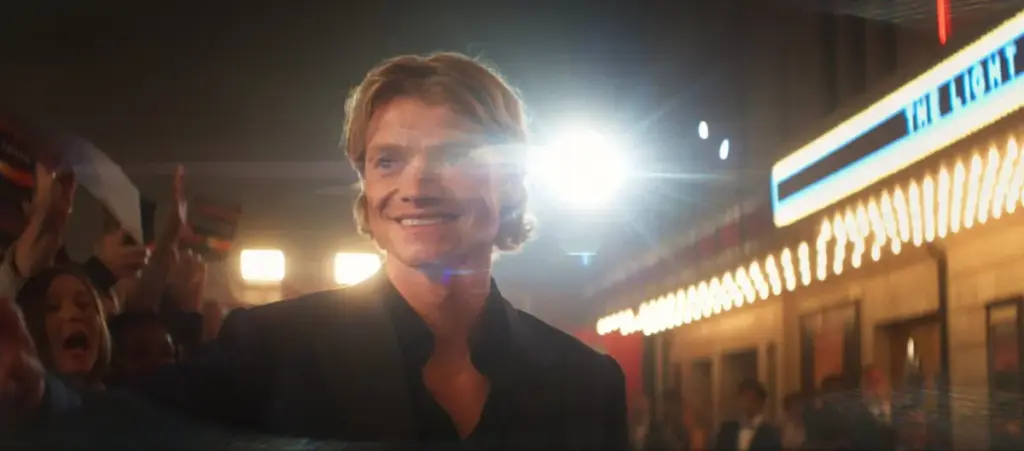
- The Rise: The story centers on Matt Hagen (Tom Rhys Harries), whose meteoric rise from the unforgiving streets of Gotham City to a glamorous career as a Hollywood leading man represents the quintessential American dream achieved against the odds.
- The Fall: Hagen’s promising life and career are brutally derailed when the actions of a local Gotham crime boss leave him horribly disfigured, robbing him of his identity and livelihood.
- The Desperate Cure: Abandoned by his peers, his agents, and the industry that once adored him, a desperate Hagen turns to a radical, cutting-edge experimental treatment.
- The Consequences: While the treatment miraculously restores his physical appearance, it yields terrifying psychological side effects. Hagen begins losing his grip on reality, slipping into a destructive, all-consuming path of vengeance driven by a body that can no longer maintain a permanent form.
The Creative Ensemble
The film’s talent roster reflects a commitment to prestige-level craftsmanship behind and in front of the camera:
- Director James Watkins: Having proven his mastery of tension, dread, and atmospheric discomfort with films like Speak No Evil, Watkins brings a distinct thriller sensibility to the world of Gotham City.
- The Cast: Alongside Tom Rhys Harries in the physically and emotionally demanding lead role, the film features powerhouse supporting performances from Naomi Ackie, David Dencik, Max Minghella, and Eddie Marsan. Their involvement elevates the project beyond a standard creature feature, framing it as a character-driven tragedy.
Future Outlook: Implications for the New DCU
As DC Studios prepares for the theatrical rollout of Clayface on October 23, the industry will be watching closely to see how audiences respond to this high-risk strategy. The film serves as a crucial litmus test for the viability of idiosyncratic, filmmaker-driven projects within a shared universe framework.
The Strategy Moving Forward
James Gunn and Peter Safran have repeatedly emphasized that variety is the cornerstone of their multi-year plan for DC Studios. Rather than forcing every property into a homogenized, four-quadrant box, the studio is actively encouraging filmmakers to explore diverse genres:
- The Tentpoles: High-budget, universally accessible epics designed to define the overarching mythos of the universe (e.g., Superman).
- The Genre Explorations: Mid-to-low budget, director-led explorations of unique corners of the DC canon—such as the psychological horror of Clayface—that prioritize artistic vision over mandatory crossover potential.
- The Television Expansion: Interconnected streaming and broadcast series that allow for slower-burn character development and deeper lore exploration.
Conclusion
James Gunn’s blunt internet defense of Clayface was more than just a fleeting social media exchange; it was a clear statement of intent for the future of comic book cinema. By refusing to bow to the constraints of algorithm-driven nostalgia and predictable IP recycling, DC Studios is opening the door for genuine creative risk.
Whether Clayface achieves blockbuster box office success or carves out a legacy as a cult classic, its very existence proves that Hollywood can still surprise audiences. As audiences prepare to witness Matt Hagen’s tragic, shape-shifting descent into madness on October 23, the message from the top of DC Studios is unmistakable: true cinematic art is driven by passion, not market research polls.