Executive Overview
In the fast-evolving, highly saturated landscape of modern cosmetics, heritage beauty brands face a daunting paradox: how to honor a storied past while fiercely competing with agile, digitally native upstarts that dominate social media algorithms. For Revlon—an 87-year-old titan of the beauty industry—the challenge was not merely a routine marketing refresh, but an existential repositioning. Following a turbulent financial period that included a Chapter 11 bankruptcy filing in 2022 and a subsequent emergence as a privately held entity under new leadership in 2023, the legacy brand recognized that its voice had grown dormant.
Speaking at the 2026 Advertising Week conference, Dana Medema, Revlon’s president of North America, encapsulated the brand’s realization: "We needed to reintroduce ourselves to not just a next generation of consumers, but we had to reintroduce ourselves to our existing consumers. We had been quiet."
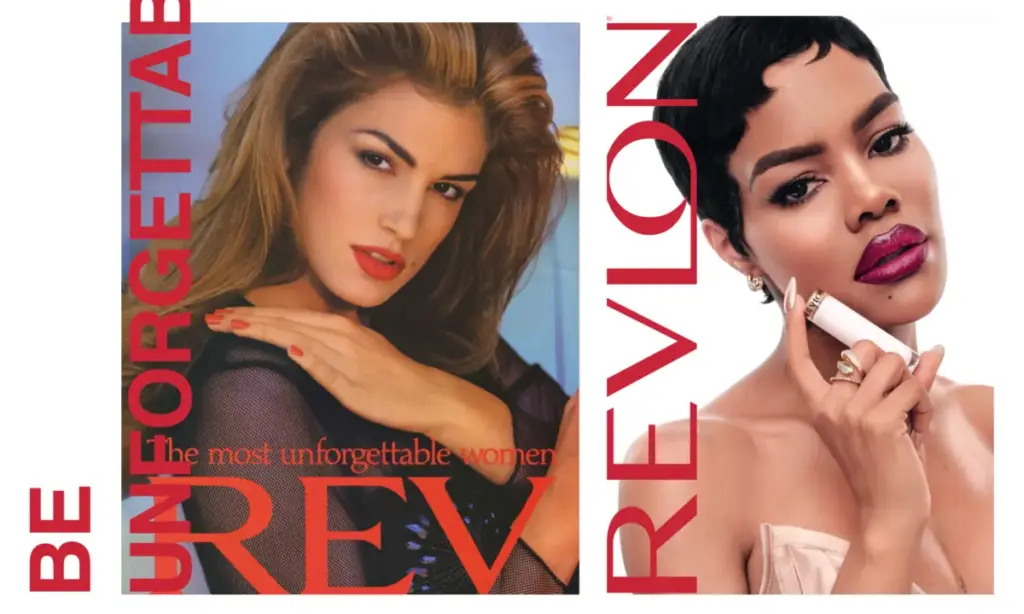
To break this silence, Revlon initiated a high-stakes campaign titled "Revlon Be Unforgettable." By anchoring its strategy in fresh, multifaceted talent—specifically multi-hyphenate artist Teyana Taylor and country music powerhouse Megan Moroney—and reimagining its iconic 20th-century marketing playbook for the era of six-second digital ads, Revlon is rewriting the rules of legacy brand revitalization.
Rather than chasing micro-demographics or hyper-specific generational cohorts, Revlon is pivoting toward a philosophy of "efficient glam"—a unified mindset focused on routines and timeless color mastery. This deep-dive report examines the mechanics of Revlon’s renaissance, exploring the intersection of historical heritage, modern agency partnerships, shifting consumer habits, and the broader industry trend of heritage brands reclaiming their cultural footprint.
Detailed Chronology: From 20th-Century Pioneer to 21st-Century Turnaround
To understand the weight of Revlon’s current strategic pivot, one must trace the arc of a brand that practically invented modern commercial cosmetics. Founded in 1939 by Charles Revson, Joseph Revson, and Charles Lachman, the company revolutionized the beauty market right on the eve of World War II by introducing a novel type of nail enamel made with pigments rather than dyes. Soon after, products like the iconic, high-octane "Fire & Ice" lipstick of the 1950s defined the aesthetic of mid-century glamour and set a precedent for bold, culturally defining advertising.
For decades, Revlon dominated department store counters and drugstore aisles alike. However, the dawn of the 21st century brought seismic shifts in how beauty products are marketed, distributed, and consumed. The rise of indie beauty brands—often incubated on Instagram and TikTok, driven by direct-to-consumer (DTC) models, and founded by influencers or celebrities—fundamentally disrupted the traditional drugstore ecosystem. Heritage labels that relied heavily on legacy distribution channels suddenly found themselves struggling to maintain relevance against nimble competitors who could pivot to viral trends overnight.
The compounding pressures of mounting debt, fierce competition, and global supply chain disruptions eventually culminated in a critical juncture. In 2022, Revlon Inc. filed for voluntary Chapter 11 bankruptcy. The restructuring process, however, cleared a path for renewal. Reemerging in 2023 as a privately held company under new ownership, Revlon began the arduous task of operational and cultural rehabilitation.
The appointment of Michelle Peluso as CEO in 2024 signaled a decisive turn toward aggressive modernization. Peluso and her executive team understood that operational restructuring was only half the battle; the brand needed a cultural heartbeat. Enter the spring 2025/2026 marketing offensive: the reimagining of the classic "Revlon Be Unforgettable" campaign. By dusting off the archives and enlisting creative agencies like DonerColle Partners, Revlon set out to prove that its history was not an anchor weighing it down, but a springboard for its future.
Supporting Context & Metrics: The Landscape of Heritage Rebranding
Revlon’s strategic overhaul does not happen in a vacuum. Across the consumer packaged goods (CPG) and beauty sectors, legacy brands are desperately seeking formulas to recapture cultural relevance in a market bifurcated by TikTok trends and shifting generational spending power.
The Industry-Wide Race for Contemporary Talent
Revlon is far from alone in leveraging major contemporary stars to bridge the gap between historic equity and modern relevance. The playbook for legacy beauty turnarounds increasingly relies on high-profile, culture-shifting ambassadors:
- Maybelline: In 2025, Maybelline made waves by tapping pop icon Miley Cyrus as a brand ambassador, breathing fresh energy into its iconic "Maybe she’s born with it…" ethos.
- Bath & Body Works: Seeking to capture a younger, fruit-forward body care audience, the brand partnered with actress and entrepreneur Hilary Duff in July to front its major new product lines.
- CoverGirl: Coty-led pivots have similarly targeted distinct generational pockets, such as refocusing efforts toward Gen X consumers experiencing a 1% net revenue growth cycle in specific segments.
Rejecting Generational Silos in Favor of "Efficient Glam"
While many market research firms and beauty conglomerates obsess over hyper-segmentation—carving markets into Gen Z, Millennials, Gen X, and Boomers—Revlon’s leadership took a radically different psychological approach. According to Dana Medema, the brand’s core target is defined not by a birth year, but by an approach to beauty routines.
"We’ve been experts in color. We have 72 shades of Super Lustrous [lipstick], so we are experts in color. But we’re probably not for the woman who is really trying to be involved in the category to the very, very extreme," Medema explained.
This philosophy gave birth to the concept of "efficient glam." Revlon has identified a massive, cross-generational consumer base—spanning ages 20 to 60—that values high-performance color cosmetics, reliability, and ease of application over complicated, multi-step algorithmic beauty trends. By focusing on utility and accessible luxury rather than hyper-niche generational marketing, Revlon has carved out a sustainable, defensible middle ground in a polarized marketplace.
Official Statements: Inside the Creative Evolution
The transformation of the "Revlon Be Unforgettable" campaign involved a meticulous deconstruction of what made the original 1980s and 1990s campaigns work—and, crucially, what needed to be left in the past. The original iterations featured monumental figures of their time, including supermodel Cindy Crawford and media mogul Oprah Winfrey, establishing a standard of cultural influence. However, the execution required a 21st-century evolution.
Jessica Henrichs, CEO at DonerColle Partners—the creative agency behind the modern campaign—pointed out a glaring anachronism in the vintage advertisements:
“[Some of the original ads] had a male voiceover, and I think we can all see now that was probably not the best call.”
In a dramatic and empowering shift for the contemporary campaign, Teyana Taylor and Megan Moroney narrate their own ad spots, reclaiming ownership of their stories, images, and voices. This creative choice aligns directly with the modern consumer demand for authenticity and self-determination from brand partners.
Furthermore, the physical constraints of modern media consumption forced a structural rewrite of the brand’s most famous linguistic asset. The iconic tagline—“The most unforgettable women in the world wear Revlon”—was a staple of 20th-century television advertising, but it was fundamentally mismatched for the modern media diet.
As Henrichs noted:
“We thought about the tagline… We live in the era of the six-second ad, and so even that sentence wasn’t going to make the cut for today.”
To adapt, the agency streamlined the phrase into a punchy, direct imperative: "Revlon: Be unforgettable." This linguistic compression allows the brand to command immediate attention across fast-moving digital ecosystems like TikTok, Instagram Reels, and YouTube Shorts, without losing the emotional resonance of the original heritage slogan.
Balancing this modernization with respect for the brand’s DNA required a delicate touch. Medema emphasized that erasing the past was never the objective:
“Heritage means you have history. There’s nothing wrong with being a heritage brand. There’s something wrong with standing still, but you have really rich history and just going back into those archives, not being afraid to kind of pull out things from the past and say, ‘Hey man, that’s still relevant today.’”
Future Outlook: Can Revlon Sustain Its Momentum?
As Revlon looks past its turbulent financial restructuring and into the latter half of the decade, the primary question facing industry analysts is sustainability. Can a brand rooted in the traditional drugstore model successfully maintain momentum in a digital-first world where consumer loyalty is notoriously fickle?
1. Digital Integration and Content-Driven Commerce
While Revlon has successfully updated its visual language for six-second ad formats, the true test will lie in its ability to convert digital impressions into sustained retail velocity. The partnership with Teyana Taylor—known for her razor-sharp choreography, directing prowess, and cultural cachet—and Megan Moroney—who brings a massive, highly engaged country music fanbase—provides a dual-pronged demographic bridge. Moving forward, Revlon must ensure that these ambassadors are integrated not just into top-of-funnel television and digital spots, but into immersive social commerce experiences.
2. Doubling Down on Core Equity
Revlon’s acknowledgement that it is "not for the extreme beauty hobbyist" is a remarkably candid and mature strategic boundary. By refusing to chase every fleeting, complex TikTok trend (such as hyper-intricate multi-product skin-prep rituals or avant-garde graphic liners), Revlon can double down on what it does best: accessible, high-pigment color. The 72-shade range of the Super Lustrous lipstick line remains a formidable asset. Future growth will depend on modernizing the packaging, formulation transparency, and in-store merchandising of these hero products to appeal to the "efficient glam" consumer.
3. Navigating Private Ownership Flexibility
Operating as a privately held company under its new ownership structure affords Revlon a luxury that publicly traded legacy companies rarely enjoy: the runway to make long-term structural investments without the crippling pressure of quarterly earnings misses. Freed from the immediate pressures of Wall Street, leadership can focus patiently on rebuilding brand equity, repairing retailer relationships, and refining its message.
Conclusion
Revlon’s ongoing revival serves as an illuminating case study for the entire consumer goods sector. It proves that heritage is not a liability to be discarded, but a treasure trove of cultural capital waiting to be unlocked. By pairing authentic, self-narrated talent like Teyana Taylor and Megan Moroney with a modernized, concise brand mandate, Revlon has quieted the skeptics. If the brand can continue to balance its storied 87-year legacy with the agile demands of "efficient glam," it will not only remain unforgettable—it will write a masterclass in modern corporate turnaround.